
The Mississippi River, a colossal artery of the United States, is a landmark of immense geographical, historical, and ecological significance. Its journey from a humble beginning to its majestic confluence with the Gulf of Mexico has shaped the very fabric of the nation. While its course is widely recognized, the precise origin of this iconic river often sparks curiosity, drawing attention to a specific, picturesque location that serves as its genesis. Understanding the source of the Mississippi River is not merely an academic exercise; it offers a profound insight into the delicate interplay of natural forces that carve landscapes and sustain life along its vast drainage basin.

The Headwaters: A Lake’s Humble Beginning
The accepted source of the Mississippi River is Lake Itasca, a relatively small and irregularly shaped lake located in north-central Minnesota. Nestled within the boundaries of Itasca State Park, this pristine body of water is the starting point of a river system that eventually stretches over 2,300 miles, making it the second-longest river in North America. The Lake Itasca area itself is a testament to the glacial forces that shaped the Upper Midwest.
The Glacial Legacy
The landscape surrounding Lake Itasca is a direct result of the last glacial period. As massive ice sheets retreated thousands of years ago, they sculpted the terrain, leaving behind a topography characterized by rolling hills, numerous lakes, and sandy soils. These ancient glaciers carved out basins that subsequently filled with meltwater, forming the myriad lakes that dot the Minnesota landscape. Lake Itasca is one such basin, replenished by groundwater and a network of small streams and springs. The underlying geology, primarily Precambrian bedrock, plays a role in the water’s mineral content and the slow erosion processes that contribute to the river’s formation.
From Lake to River: The Birth of the Mississippi
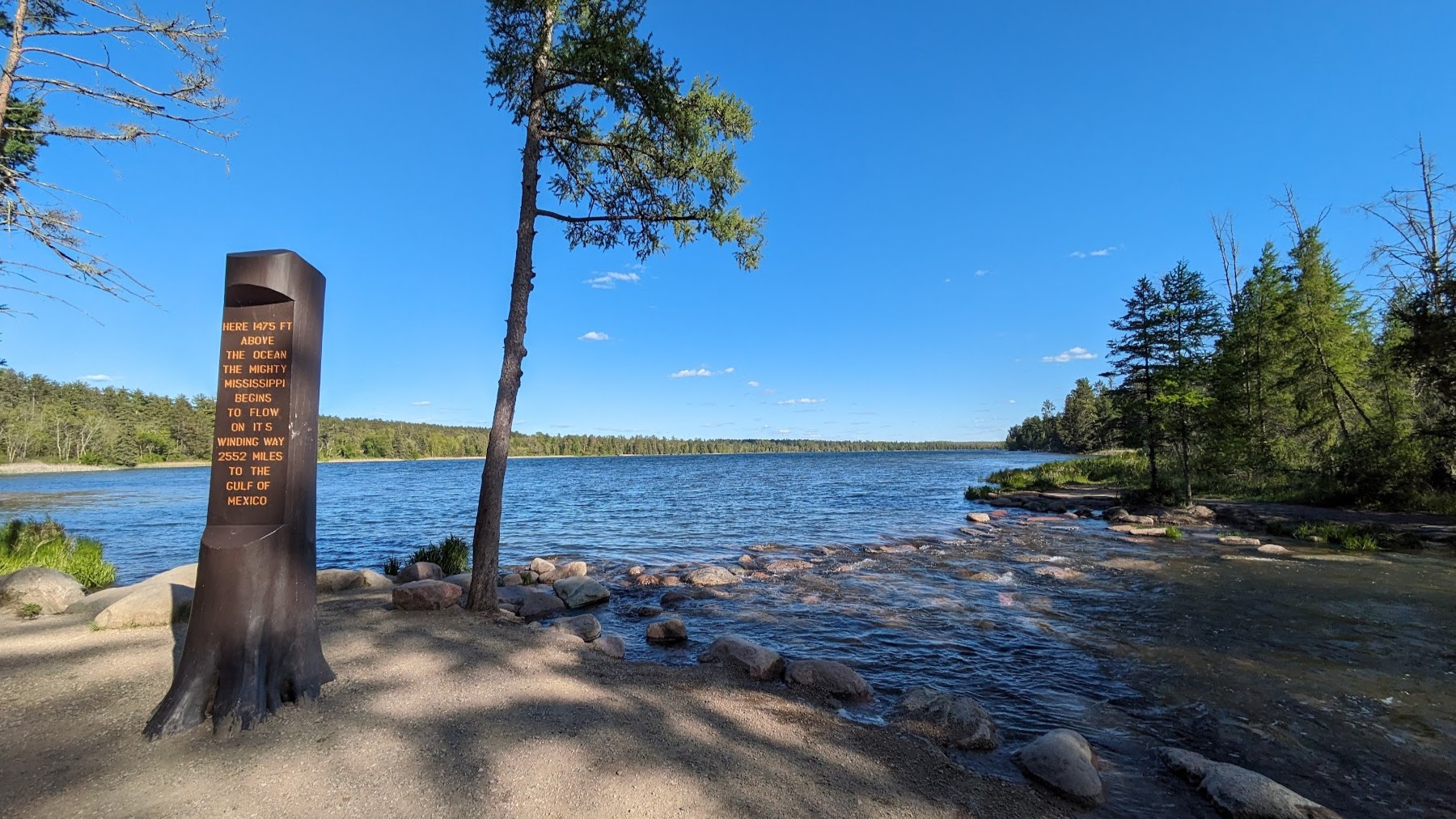
The Mississippi River emerges from the northwesternmost point of Lake Itasca. Initially, it is a mere trickle, a shallow stream barely a few feet wide. This nascent stage of the river is often referred to as the “infant Mississippi.” Visitors to Itasca State Park can famously walk across the river at this very spot, a symbolic crossing that highlights the dramatic transformation that lies ahead. The water from Lake Itasca flows northward for a short distance before turning west and then south, embarking on its epic voyage. The river’s initial course is guided by the subtle gradients of the land, a characteristic of all river systems.
Exploring the Source: Itasca State Park
Itasca State Park is more than just the geographical origin of a mighty river; it is a destination in its own right, offering a serene natural experience and a connection to the history of the Mississippi. Established in 1893, it is one of the oldest state parks in the United States and preserves a significant portion of old-growth pine forest, a rarity in the region.
Natural Beauty and Biodiversity
The park encompasses over 32,000 acres and boasts a diverse ecosystem. Visitors can explore miles of hiking trails that wind through forests, past bogs, and along the shores of numerous lakes, including Lake Itasca. The area is home to a variety of wildlife, such as white-tailed deer, black bears, bald eagles, and numerous waterfowl species. The clear waters of Lake Itasca and the surrounding smaller lakes are vital habitats for fish populations. The park’s commitment to conservation ensures that this critical headwaters region remains pristine for future generations.
Historical and Educational Significance

The Lake Itasca area has a rich human history, predating the establishment of the park. Indigenous peoples, including the Ojibwe (also known as Chippewa), have inhabited this region for centuries, recognizing its importance as a water source and a vital part of their ancestral lands. European American exploration and settlement in the 19th century brought increased attention to the river’s source, with various expeditions seeking to definitively identify its origin. Henry Schoolcraft is credited with officially declaring Lake Itasca as the river’s source in 1832. Today, Itasca State Park offers educational programs and interpretive centers that delve into the natural and human history of the region, providing visitors with a deeper understanding of the Mississippi River’s beginnings.
The Journey Begins: The Upper Mississippi
From Lake Itasca, the young Mississippi River embarks on its journey through the northern reaches of Minnesota and into Wisconsin. This initial segment is often referred to as the Upper Mississippi, characterized by its relatively narrow width, clear waters, and a landscape dotted with numerous smaller lakes and a more intimate natural setting compared to its downstream reaches.
Navigating the Headwaters Region
The river’s path through this early stage is relatively untamed. It flows through forests and wetlands, with natural dams formed by fallen trees and sediment creating small impoundments. The riverbed is often rocky, with rapids and riffles indicating a steeper gradient than what will be encountered later. This section is crucial for the river’s development, as it collects water from countless tributaries and springs, steadily increasing its volume and momentum.
The Role of Tributaries
The Mississippi River is a vast network, and its strength is derived from the countless smaller streams and rivers that feed into it. Even in its headwaters region, the river is not solely dependent on Lake Itasca. Numerous creeks and streams, originating from the surrounding glacial topography, contribute to the growing river. These tributaries are vital for maintaining water levels, transporting nutrients, and supporting the biodiversity of the entire river system.
Beyond the Source: The Enduring Significance
While the physical source of the Mississippi River lies in the tranquil waters of Lake Itasca, its significance extends far beyond this geographical point. The river’s journey is a profound narrative of nature’s power, a vital ecosystem, and a cornerstone of American history and culture.
A Lifeline for Ecosystems
The Mississippi River basin is one of the most productive and diverse ecosystems in North America. From the clear, cold waters of the headwaters to the vast delta wetlands, the river supports an astonishing array of plant and animal life. The wetlands and floodplains along its course act as nurseries for fish and migratory birds, while the river itself provides a crucial corridor for wildlife movement. The health of the Mississippi is intrinsically linked to the health of these ecosystems.
A Historical and Cultural Artery
For centuries, the Mississippi River has been a vital transportation route, facilitating trade and settlement. It played a central role in the exploration and expansion of the United States, from the Louisiana Purchase to the steamboat era. Its influence on music, literature, and art is undeniable, inspiring countless works that capture its power and mystique. The river’s journey from its source in Minnesota to its mouth in the Gulf of Mexico is a microcosm of the American experience, a testament to the enduring power of nature and the human spirit. Understanding where this monumental river begins provides a foundational appreciation for its entire, awe-inspiring course.
LifeOutOfTheBox is a participant in the Amazon Services LLC Associates Program, an affiliate advertising program designed to provide a means for sites to earn advertising fees by advertising and linking to Amazon.com. Amazon, the Amazon logo, AmazonSupply, and the AmazonSupply logo are trademarks of Amazon.com, Inc. or its affiliates. As an Amazon Associate we earn affiliate commissions from qualifying purchases.