
Embracing the Entrepreneurial Lifestyle in California
The dream of self-sufficiency and carving one’s own professional path resonates deeply with the modern entrepreneurial lifestyle. For many, the sole proprietorship represents the ultimate expression of this independence, offering simplicity, direct control, and immediate engagement with one’s business vision. California, with its vibrant economy, innovative spirit, and diverse markets, provides an exceptionally fertile ground for individuals ready to launch their ventures as sole proprietors. Choosing to operate in California is not just a business decision; it’s a lifestyle choice, offering access to unparalleled resources, a robust consumer base, and a climate that fosters both creativity and ambition.

The Allure of Sole Proprietorship
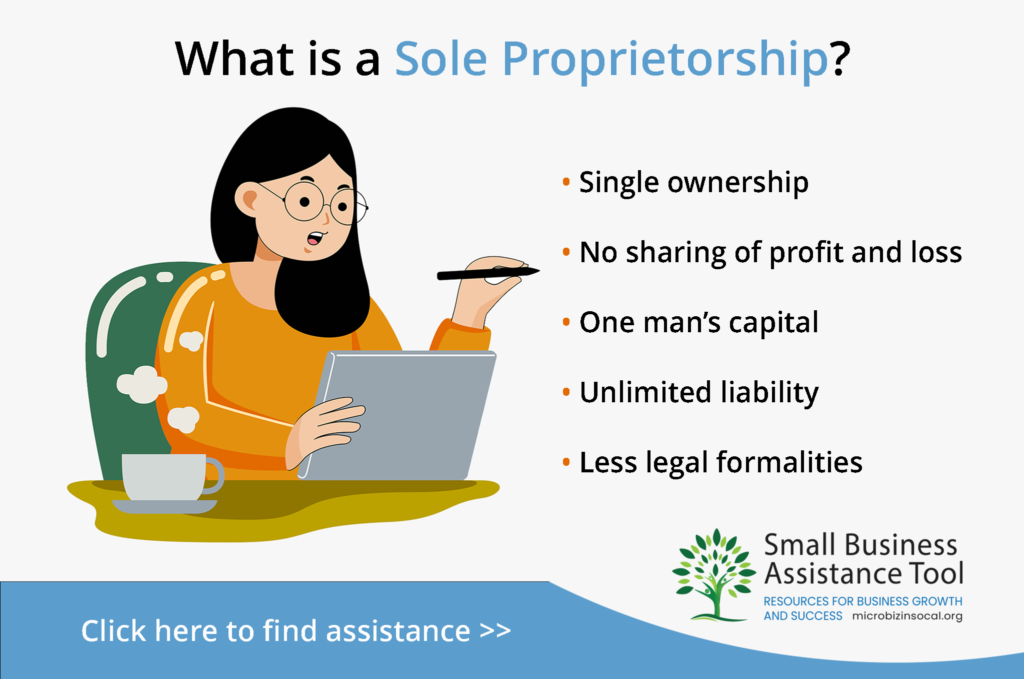
A sole proprietorship is the simplest and most common form of business ownership, particularly appealing to freelancers, consultants, and small business owners. Its primary draw lies in its ease of formation and minimal ongoing compliance requirements. As a sole proprietor, you are the business; there is no legal distinction between you and your enterprise. This seamless integration often aligns well with a lifestyle that values direct control and minimal administrative overhead. You maintain 100% ownership of your business, retaining all profits and making all executive decisions. This level of autonomy is a significant motivator for those seeking to escape traditional corporate structures and build a livelihood on their own terms. It allows for flexibility in work hours, location (especially pertinent for the digital nomad or remote worker), and the complete freedom to pivot business strategies as market conditions or personal interests evolve. For many, this translates into a more balanced and fulfilling work-life equation, a cornerstone of a desirable lifestyle.
Why California? A Lifestyle Choice
California is more than just a state; it’s a global economic powerhouse and a cultural trendsetter. For entrepreneurs, establishing a sole proprietorship here means tapping into the fifth-largest economy in the world, surrounded by innovation hubs like Silicon Valley, creative industries in Los Angeles, and agricultural prowess in the Central Valley. The state’s diverse population creates a vast consumer market, while its progressive policies often foster new industries. Beyond the sheer economic scale, California offers an unparalleled quality of life, ranging from the bustling cityscapes of San Francisco and San Diego to the serene beaches and majestic mountains. This blend of professional opportunity and lifestyle enrichment makes California an attractive destination for sole proprietors. It’s a place where one can launch a tech startup, open a boutique, offer creative services, or run a consulting firm, all while enjoying the state’s natural beauty and vibrant communities. The robust network of entrepreneurs and small business resources, coupled with a forward-thinking culture, positions California as an ideal home for individuals pursuing an independent professional lifestyle.
Essential Steps to Establishing Your Business Identity
Embarking on the sole proprietorship journey in California requires a clear understanding of the foundational steps necessary to legally establish your business identity. While simpler than forming a corporation or LLC, certain procedures must be followed to ensure compliance and proper operation. These steps are crucial for setting a professional tone from the outset and integrating your business smoothly into the state’s commercial landscape.
Choosing a Business Name and Domain
The first step in defining your business identity is selecting a compelling and unique name. As a sole proprietorship, you can operate under your own legal name without any formal registration. However, if you choose to use a business name different from your personal name (e.g., “Golden State Consulting” instead of “Jane Doe”), you must register a Fictitious Business Name (FBN), also known as a “Doing Business As” (DBA), with the county clerk in the county where your principal place of business is located. This registration informs the public about the true owner of a business operating under a different name. The process typically involves a search to ensure the name isn’t already in use, filing the FBN statement, and then publishing a notice in a local newspaper. The publishing requirement helps prevent fraud and ensures transparency.
Simultaneously, securing a corresponding domain name (e.g., yourbusinessname.com) is essential for establishing an online presence, which is virtually non-negotiable in today’s digital lifestyle. A consistent business name across all platforms—physical, legal, and digital—reinforces brand identity and credibility.
Obtaining Necessary Licenses and Permits
While sole proprietorships are generally easy to start, they are not exempt from the necessary state and local regulations governing business operations. The specific licenses and permits you need will depend heavily on the nature of your business and its location within California.
- State Licenses: Some professions and industries require specific state licenses to operate. For example, a cosmetologist needs a license from the California Board of Barbering and Cosmetology, while a contractor requires one from the Contractors State License Board. You’ll need to research if your particular service or product falls under a regulated category.
- Local Business Licenses: Almost all cities and counties in California require businesses to obtain a general business license or tax certificate from their respective city hall or county administrative office. This is a revenue-generating tool for local governments and signifies your legal right to operate within their jurisdiction.
- Zoning Permits: If you plan to operate your business from a physical location, especially a home office, you must check local zoning laws to ensure your business type is permitted in that area. Many cities have specific regulations for home-based businesses to prevent neighborhood disruption.
The California Office of Business and Economic Development (Go-Biz) website is an excellent resource for identifying required licenses and permits. Diligence in this area ensures your business operates legally and avoids potential fines or shutdowns, allowing you to focus on your entrepreneurial lifestyle without unnecessary disruptions.
Employer Identification Number (EIN) Considerations
As a sole proprietor, if you do not plan to hire employees, you can typically use your Social Security Number (SSN) for all business tax purposes. However, obtaining an Employer Identification Number (EIN) from the Internal Revenue Service (IRS) is often advisable, even if you’re a solopreneur. An EIN is a unique nine-digit number assigned to businesses, much like an SSN for individuals.
You must obtain an EIN if you:
- Hire employees.
- Operate as a partnership or corporation (though this isn’t the case for a pure sole proprietorship).
- File excise taxes.
- Withhold taxes on income, other than wages, paid to a non-resident alien.
- Have a Keogh plan or a trust.
Even if not legally required, many sole proprietors choose to get an EIN for several reasons:
- Professionalism: It adds a layer of professionalism when dealing with banks, vendors, and clients.
- Privacy: It allows you to use your EIN instead of your SSN on business documents, protecting your personal identity.
- Future Growth: If you anticipate hiring employees or changing your business structure in the future, having an EIN already in place simplifies the transition.
Applying for an EIN is a free and straightforward process that can be done online through the IRS website.
Financial and Legal Foundations for a Sustainable Lifestyle

A thriving sole proprietorship in California is built on sound financial management and a clear understanding of legal obligations. Neglecting these areas can lead to significant stress and threaten the very lifestyle freedom you sought by becoming an entrepreneur. Establishing robust financial practices and securing adequate protection are critical for long-term sustainability and peace of mind.
Managing Business Finances
One of the cornerstones of a successful sole proprietorship is diligent financial management. Because there’s no legal separation between you and your business, it’s crucial to maintain distinct financial records for personal and business activities.
- Open a Business Bank Account: Even without a formal entity, opening a separate bank account dedicated solely to your business transactions is highly recommended. This simplifies tracking income and expenses, makes tax preparation much easier, and presents a more professional image. Many banks in California offer business accounts tailored for sole proprietors.
- Track All Income and Expenses: Implement a reliable system for recording every penny earned and spent. This can be as simple as a detailed spreadsheet or as sophisticated as accounting software like QuickBooks or Xero. Accurate record-keeping is vital for understanding your business’s profitability, managing cash flow, and providing necessary documentation for tax purposes.
- Budgeting and Financial Planning: Develop a clear budget and financial plan for your business. Understand your operating costs, project revenue, and plan for growth. This proactive approach ensures you have sufficient funds for operations and can make informed decisions about investments and personal draws.
Effective financial management not only ensures the health of your business but also supports your personal financial well-being and allows you to enjoy the fruits of your entrepreneurial labor.
Understanding Tax Obligations
Taxes are an inevitable part of doing business, and as a sole proprietor in California, you have specific obligations. Unlike corporations, sole proprietorships are “pass-through” entities, meaning business income and losses are reported on your personal income tax return (Form 1040, Schedule C).
- Self-Employment Tax: You are responsible for paying self-employment taxes, which cover Social Security and Medicare contributions, typically paid by both employee and employer. As a sole proprietor, you pay both halves.
- Estimated Taxes: Since taxes are not withheld from your income, you will likely need to pay estimated taxes quarterly to the IRS and the California Franchise Tax Board (FTB). Failure to do so can result in penalties.
- Sales Tax: If your business sells tangible personal property, you will need to register with the California Department of Tax and Fee Administration (CDTFA) to collect and remit sales tax. This does not apply to most service-based businesses.
- Other California Taxes: Depending on your industry, you might be subject to other state-specific taxes, such as district taxes or special fees. It’s crucial to consult with a tax professional experienced in California small business taxation to ensure full compliance.
Proactive tax planning and budgeting for tax liabilities are essential to avoid surprises and maintain financial stability.
The Importance of Business Insurance
While a sole proprietorship offers simplicity, it also comes with unlimited personal liability, meaning your personal assets are not legally protected from business debts or lawsuits. This makes business insurance not just a recommendation but often a critical component of a responsible entrepreneurial lifestyle.
- General Liability Insurance: This is often the first type of insurance a sole proprietor should consider. It protects your business from claims of bodily injury, property damage, and personal injury (like libel or slander) that occur as a result of your business operations.
- Professional Liability Insurance (Errors & Omissions Insurance): If you provide professional services (e.g., consulting, graphic design, legal advice), this insurance protects you against claims of negligence, errors, or omissions in your professional work.
- Product Liability Insurance: If your business manufactures, distributes, or sells products, this insurance protects you against claims of injury or damage caused by your product.
- Commercial Property Insurance: If you own or rent a physical space for your business, this covers damage to the property and its contents.
- Workers’ Compensation Insurance: If you hire employees, California law generally requires you to carry workers’ compensation insurance.
Investing in appropriate business insurance is an investment in your peace of mind and the long-term viability of your chosen lifestyle. It safeguards your hard-earned assets and allows you to operate with confidence, knowing you’re protected against unforeseen circumstances.
Sustaining Your California Proprietorship
Launching a sole proprietorship in California is an exciting beginning, but sustaining it for the long haul requires ongoing commitment to compliance, strategic planning, and continuous adaptation. As your business matures, maintaining legal and financial hygiene becomes even more important for a stable and prosperous entrepreneurial lifestyle.
Compliance and Record Keeping
Ongoing compliance is less burdensome for sole proprietorships compared to other business structures, but it’s not non-existent.
- Maintain FBN/DBA Registration: If you registered a Fictitious Business Name, remember that it typically needs to be renewed every five years in California. Missing this renewal can lead to complications, including the inability to legally enforce contracts made under the FBN.
- Renew Licenses and Permits: Keep track of expiration dates for all state and local licenses and permits. Timely renewals prevent operational interruptions and potential penalties. Create a reminder system to ensure you don’t miss these critical deadlines.
- Detailed Record Keeping: Continue your meticulous record-keeping for all business transactions. This includes invoices, receipts for expenses, bank statements, and tax filings. Good records are invaluable for tax audits, financial analysis, and strategic decision-making. They also provide a clear picture of your business’s health, enabling you to manage your lifestyle and business goals effectively.
- Stay Informed: Business regulations, particularly in a dynamic state like California, can change. Subscribe to newsletters from relevant state agencies (like the CDTFA, FTB) or business organizations to stay abreast of new laws or changes that might impact your sole proprietorship.
Growth and Future Considerations
As your sole proprietorship grows, you may encounter opportunities or challenges that prompt you to reconsider your business structure.
- Hiring Employees: If your business expands to the point where you need to hire staff, remember that this triggers new legal and financial obligations, including obtaining an EIN, complying with California’s robust labor laws, and obtaining workers’ compensation insurance.
- Managing Growth and Risk: A key characteristic of sole proprietorships is unlimited personal liability. As your business assets and potential liabilities grow, you might consider restructuring into an LLC (Limited Liability Company) or a corporation to protect your personal assets. An LLC offers a blend of simplicity and personal liability protection that many growing sole proprietors find appealing. This decision significantly impacts your personal and business lifestyle by separating your legal identities.
- Succession Planning: While it might seem premature, considering what happens to your business if you are unable to operate it is part of responsible planning. For a sole proprietorship, this is highly intertwined with your personal estate planning.
- Exit Strategy: Whether you plan to sell your business, pass it on, or simply wind it down, having an eventual exit strategy in mind can guide your long-term decisions and ensure a smooth transition, aligning with your broader lifestyle goals.
Starting and sustaining a sole proprietorship in California is an empowering journey. By meticulously addressing the initial setup requirements, diligently managing finances and compliance, and thoughtfully planning for the future, you can build a robust business that supports and enhances your independent, entrepreneurial lifestyle.
LifeOutOfTheBox is a participant in the Amazon Services LLC Associates Program, an affiliate advertising program designed to provide a means for sites to earn advertising fees by advertising and linking to Amazon.com. Amazon, the Amazon logo, AmazonSupply, and the AmazonSupply logo are trademarks of Amazon.com, Inc. or its affiliates. As an Amazon Associate we earn affiliate commissions from qualifying purchases.