
Embarking on a journey through California, the Golden State, promises an unparalleled tapestry of experiences, from sun-drenched beaches and bustling cities to serene national parks and historic landmarks. Whether you’re planning a luxurious coastal drive, a budget-friendly family trip, or a solo adventure exploring diverse attractions, understanding local driving regulations is paramount to a seamless and enjoyable travel experience. One of the most fundamental aspects of navigating California’s extensive road network is knowing the speed limits, especially on its iconic freeways. While the question seems straightforward, the answer carries nuances that every traveler, particularly those unfamiliar with California law, should grasp.
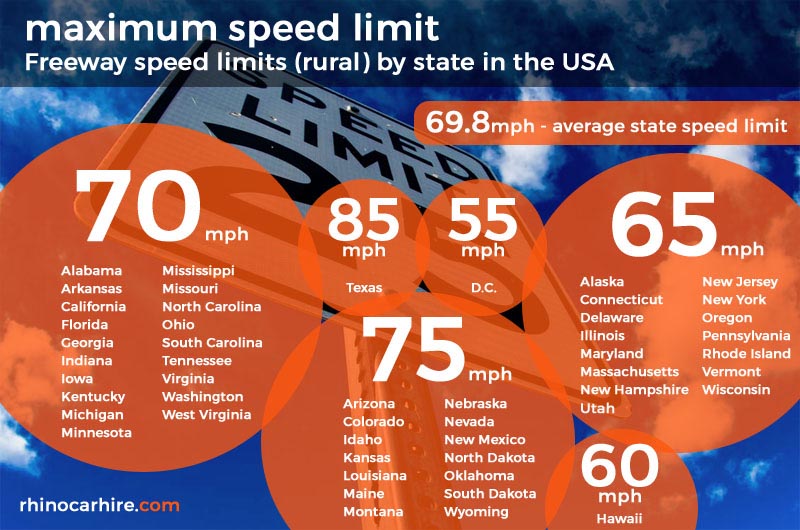
At its core, the speed limit on most freeways in California is 65 miles per hour (mph). However, this isn’t a hard-and-fast rule across every single stretch of asphalt. Certain designated segments of freeways and rural highways allow for a maximum speed of 70 mph, clearly indicated by posted signs. Conversely, you’ll encounter numerous situations where the speed limit is significantly lower, particularly in more congested urban areas, construction zones, or near schools. For any visitor planning a California road trip, from the vibrant streets of Los Angeles to the majestic vistas of Yosemite National Park, comprehending these variations is not just about avoiding costly fines; it’s about ensuring safety, maintaining efficient traffic flow, and fully savoring the diverse landscapes that make California a premier travel destination.
Navigating California’s Open Roads: The Baseline Speed Limits
Understanding the foundational speed limits is the first step in mastering California’s roadways. The state’s vast network of freeways is designed to move traffic efficiently, connecting major cities, tourist hubs, and remote natural wonders. However, the legal speeds are carefully calibrated to balance efficiency with safety, taking into account road conditions, population density, and potential hazards.
The Standard: 65 MPH and the 70 MPH Exception
The 65 mph limit is what you can generally expect on the majority of multi-lane freeways and divided highways throughout California. This applies whether you’re cruising along the infamous “carmaggedon” stretches near Los Angeles or traversing the more open expanses between metropolitan areas. It’s the default maximum unless otherwise posted. Always look for the white rectangular speed limit signs.
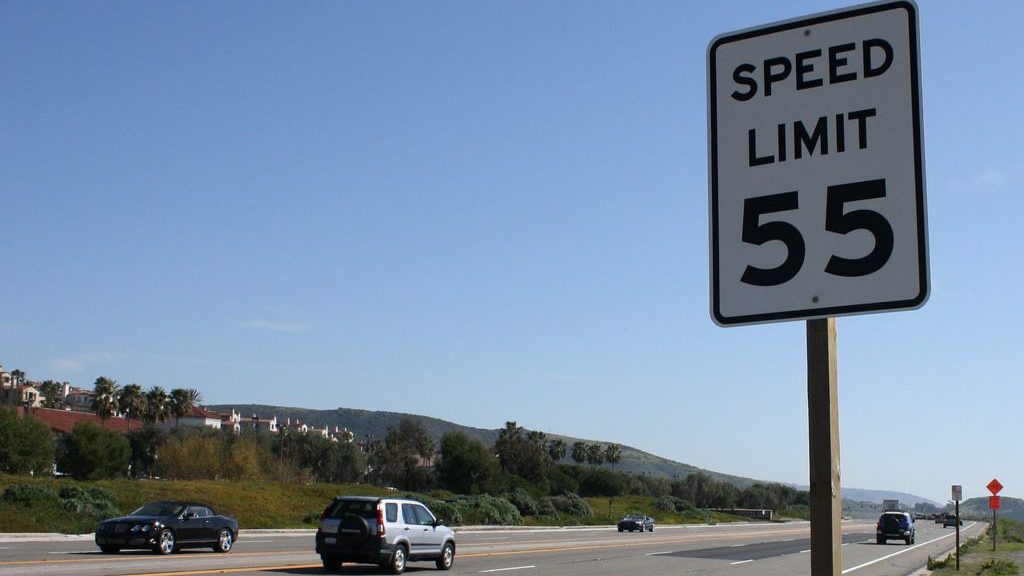
The 70 mph exception is a welcome sight for those covering long distances, but it’s not universal. These higher speed zones are typically found on specific, carefully evaluated sections of interstates and state routes, usually in more rural areas where traffic is lighter, and the road design can safely accommodate higher speeds. Examples might include parts of I-5 traversing the Central Valley, or stretches of I-10 heading east towards Palm Springs. It is crucial to emphasize that these areas are explicitly marked. Do not assume that because you are on an interstate, the 70 mph limit automatically applies. The absence of a 70 mph sign means the 65 mph limit is in effect. For heavy-duty trucks and vehicles towing trailers, a special speed limit of 55 mph applies on all California freeways, regardless of the posted speed for passenger vehicles. This is a vital regulation for ensuring safety for all road users and should be strictly adhered to by those operating or planning to rent such vehicles during their travels.
Reduced Speeds: When and Where to Exercise Caution
While the higher limits grab attention, it’s the reduced speed zones that often catch unsuspecting travelers off guard and can lead to penalties. Being aware of these situations is key to a smooth journey.
- Urban and Residential Areas: As freeways transition into or pass through highly populated urban centers like San Francisco, San Diego, or Sacramento, speed limits will often drop to 55 mph or even lower. This is due to increased traffic density, more frequent exits and entrances, and greater potential for interactions with local traffic. Surface streets in cities generally have even lower limits, often 25-35 mph, unless otherwise marked.
- School Zones: Safety around children is a top priority in California. When approaching or passing a school, or a school crossing, the speed limit is typically 25 mph when children are present or when the flashing lights of a school zone sign are active. This applies even if the school is adjacent to a highway or freeway off-ramp.
- Construction Zones: Always be vigilant in construction zones. Speeds are significantly reduced, often to 55 mph or even 45 mph, and fines for speeding are usually doubled in these areas. Look for orange signs and cones, and adjust your speed accordingly to protect workers and yourself.
- Special Highways and Roads: Scenic routes, like portions of the Pacific Coast Highway (also known as Highway 1) through areas like Big Sur, will have varying speed limits, often much lower than freeway speeds due to winding roads, sharp curves, and breathtaking but distracting views. Similarly, roads within national parks (Death Valley National Park, Joshua Tree National Park, Sequoia National Park, etc.) typically have lower limits to protect wildlife and ensure visitor safety.
The golden rule is always to observe and obey the posted speed limits. Signs are regularly updated, especially in temporary situations like construction, so remaining attentive is crucial.
Speed Limits and the California Road Trip Experience
For many, the quintessential California experience is a road trip. The allure of driving along the coast, exploring vibrant cities, or venturing into the desert or mountains is a major draw for tourists worldwide. Understanding speed limits intertwines directly with the planning, enjoyment, and safety of such a journey.

Planning Your Journey: From Coastal Drives to Desert Adventures
When mapping out your California itinerary, whether it’s a luxury tour of Napa Valley or a family vacation to Disneyland Resort and Universal Studios Hollywood, factoring in realistic travel times based on speed limits is essential. While GPS systems provide estimates, they don’t always account for heavy traffic, which is a common reality in California’s major urban corridors.
For instance, a drive from Santa Monica to San Diego might typically involve 65 mph stretches, but you’ll almost certainly encounter significant slowdowns through Los Angeles and Orange County. Planning for accommodation, such as booking hotels or resorts, should take into account these variable travel times. Arriving late to a reservation because you misjudged driving duration can be stressful and disrupt your schedule, affecting everything from dinner plans to check-in at a boutique hotel or a family-friendly resort. Conversely, knowing the higher 70 mph limits can help optimize travel through more rural, less congested areas, allowing more time for sightseeing or relaxing at your chosen destination, be it a luxury villa in Beverly Hills or a cozy apartment rental near Lake Tahoe. Effective trip planning ensures a smoother transition between destinations, allowing you to fully immerse yourself in the local culture, food, and activities.
Safety and Enforcement: Protecting Your Golden State Vacation
Beyond adherence to law, understanding speed limits is fundamentally about safety. California’s roads can be diverse and challenging, from winding mountain passes to multi-lane urban arteries. Driving at appropriate speeds reduces the risk of accidents, protecting not only yourself and your passengers but also other road users.
California Highway Patrol (CHP) is diligent in enforcing speed limits. Speeding tickets in California are not merely a slap on the wrist. Fines can be substantial, often running into several hundred dollars, especially for exceeding the limit significantly or in special zones (construction, school zones). In addition to the monetary cost, a speeding ticket typically adds points to your driving record. While this might seem less impactful for international tourists or out-of-state visitors, these points can still affect insurance rates and, in severe cases, could lead to a suspension of driving privileges within California, which would be a catastrophic blow to any road trip.
For tourists, an unexpected speeding ticket can significantly impact their budget for accommodation, dining, and attractions, turning an otherwise enjoyable lifestyle trip into a financially burdensome experience. It is always wiser to err on the side of caution, especially when unfamiliar with the roads or local driving habits.
Beyond the Speedometer: Essential Driving Tips for Visitors
While speed limits are a primary concern, a successful California driving experience involves understanding a broader set of driving norms and laws that complement safe and efficient travel.
Understanding California Driving Culture and Laws
- Lane Discipline: On multi-lane freeways, the far-left lane is generally for passing. While not as strictly enforced as in some European countries, faster traffic typically keeps to the left, and slower traffic should stay to the right. This contributes to smoother traffic flow.
- Traffic Congestion: Be prepared for significant traffic, especially during peak hours in metropolitan areas like Los Angeles, San Francisco, and San Diego. Use navigation apps that provide real-time traffic updates to anticipate delays and re-route if necessary. Patience is a virtue on California freeways.
- HOV/Carpoool Lanes: Many freeways have High-Occupancy Vehicle (HOV) or carpool lanes, marked with a diamond symbol. These lanes are reserved for vehicles with two or more occupants (sometimes three or more, so check signs) during specific hours. Driving in an HOV lane with too few occupants can result in a hefty fine. Some HOV lanes are also “toll lanes” (often referred to as Express Lanes) where single-occupant vehicles can pay a fee to use them, usually requiring an electronic toll tag like FasTrak.
- Hands-Free Devices: California law prohibits drivers from using a handheld cell phone for any purpose. This includes talking, texting, or navigating. If you need to use your phone, it must be mounted, and you must operate it hands-free (e.g., voice commands, single tap). Violations are costly.
- Seatbelts: Everyone in the vehicle, front and back seats, must wear a seatbelt. Children under a certain age or height must be in appropriate car seats or booster seats, as per California law (check the Department of Motor Vehicles website for current regulations).
- Weather Conditions: While known for sunshine, California can experience diverse weather. Fog is common along the coast (e.g., San Francisco), and heavy rain can lead to slippery roads and hydroplaning risks. Mountainous regions, especially in winter (e.g., near Lake Tahoe or Yosemite National Park), can see snow and ice, sometimes requiring tire chains. Always adjust your speed and driving habits to match conditions.
Maximizing Your Travel Enjoyment Responsibly
Integrating these driving considerations into your overall travel plan ensures not just compliance, but also a more relaxed and fulfilling experience. Consider booking accommodations strategically to minimize long, stressful drives. For example, staying at a hotel near Hollywood could reduce driving time to local attractions, or choosing a resort closer to Napa Valley will give you more time for wine tasting and less time on the freeway.
Embrace the journey itself. California’s freeways, despite their functional purpose, often offer stunning views and access to incredible destinations. Instead of rushing, enjoy the changing scenery, plan stops at roadside attractions, or discover charming small towns along the way. This mindful approach to travel aligns perfectly with the lifestyle of exploring and experiencing new places fully.
In conclusion, while the default speed limit on most California freeways is 65 mph, with some areas allowing 70 mph, a truly informed traveler understands the myriad of circumstances that dictate lower speeds. By staying alert to posted signs, adhering to all traffic laws, and integrating driving considerations into comprehensive trip planning, visitors can navigate the Golden State’s roads safely, efficiently, and most importantly, enjoyably. This knowledge doesn’t just prevent fines; it enhances the entire California travel experience, allowing you to focus on the unforgettable destinations and memories you’re there to create.
LifeOutOfTheBox is a participant in the Amazon Services LLC Associates Program, an affiliate advertising program designed to provide a means for sites to earn advertising fees by advertising and linking to Amazon.com. Amazon, the Amazon logo, AmazonSupply, and the AmazonSupply logo are trademarks of Amazon.com, Inc. or its affiliates. As an Amazon Associate we earn affiliate commissions from qualifying purchases.