
Arizona, a land of unparalleled natural beauty, stark deserts, towering saguaros, and vibrant cultural history, captivates visitors with its unique allure. Beyond the iconic Grand Canyon or the bustling cities of Phoenix and Tucson, lies a fascinating aspect of its local identity: the state animal. For many tourists eager to delve deeper into the essence of the Grand Canyon State, understanding its official symbols offers a richer appreciation of its natural heritage and the delicate ecosystems that thrive within its borders. The quest to identify Arizona‘s state animal leads to an encounter with an agile, enigmatic creature that perfectly embodies the spirit of the desert: the Ringtail.

Discovering Arizona’s Elusive State Animal
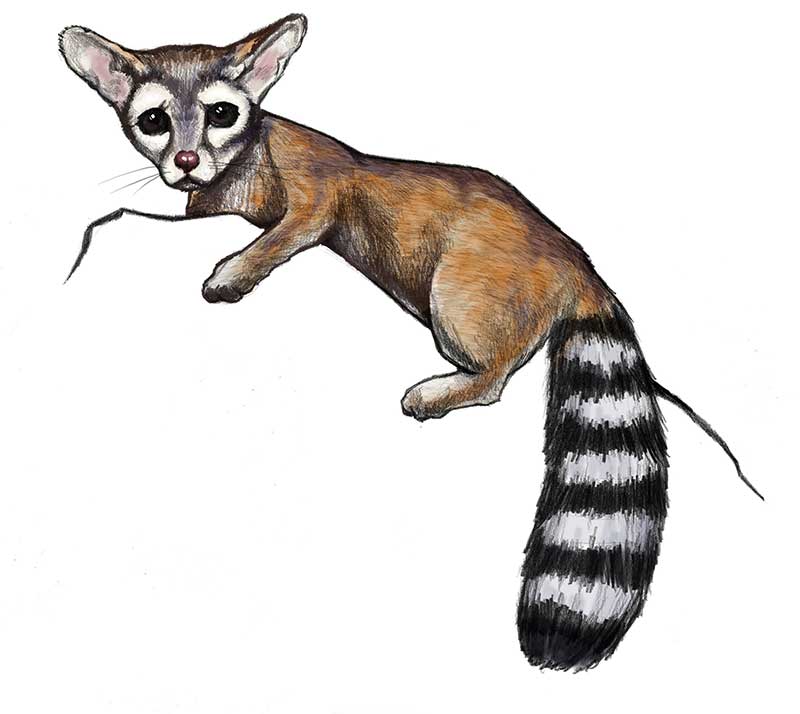
The Ringtail (Bassariscus astutus), often affectionately dubbed the “miner’s cat” or “ringtail cat,” holds the esteemed title of Arizona’s state mammal. This designation, far from being a mere formality, reflects the animal’s deep connection to the state’s rugged landscapes and its intriguing role within the local ecosystem. For tourists, learning about the Ringtail is not just about identifying a species; it’s an invitation to explore the hidden wonders of the Sonoran Desert and beyond, encouraging a mindful approach to wildlife observation and cultural immersion.
Unveiling the Ringtail: Arizona’s Official Mammal
Despite its common moniker, the Ringtail is not a feline at all, but rather a member of the Procyonidae family, making it a relative of raccoons. This nocturnal marvel was officially designated as Arizona’s state mammal in 1986, a testament to its prevalence and unique characteristics that resonate with the state’s identity. Its slender body, large eyes, and distinctive bushy tail, banded with alternating black and white rings—which can be as long as its body—make it an unmistakable, albeit rarely seen, inhabitant of the desert. For tourists visiting protected areas or staying in secluded resorts, understanding that such a creature exists adds a layer of excitement and possibility to their Arizona experience, fostering a desire to learn more about responsible wildlife viewing.
The Significance of a State Symbol
State symbols serve as powerful emblems, encapsulating the unique history, natural beauty, and cultural identity of a region. The selection of the Ringtail as Arizona’s state mammal speaks volumes about the value placed on its indigenous wildlife and the intrinsic connection between the land and its creatures. For tourists, these symbols offer a tangible way to connect with the local culture and environment. They provide talking points, educational opportunities, and a deeper understanding of what makes a destination special. Observing the efforts to protect such symbols further enhances a visitor’s appreciation for conservation, aligning with sustainable tourism practices that benefit both the environment and local communities.
Why the Ringtail? A Glimpse into its History
The decision to elevate the Ringtail to state mammal status was largely driven by its widespread presence across Arizona’s diverse habitats, from the desert floor to mountainous regions, and its historical association with human settlements. Miners and pioneers often welcomed Ringtails into their camps and cabins, where the agile creatures proved adept at controlling rodent populations, earning them the affectionate title “miner’s cat.” This historical cohabitation highlights the Ringtail’s adaptability and its quiet, yet significant, role in the lives of early Arizonans. For tourists, this backstory adds a layer of historical intrigue, illustrating how the natural world has shaped human endeavors in the region and how these stories become part of the local narrative presented in museums and visitor centers across the state.
The Ringtail in Its Natural Arizona Habitat
Understanding the Ringtail’s preferred environment is crucial for any tourist hoping to catch a glimpse of this elusive creature or simply appreciate its ecological role. Arizona’s vast and varied landscapes offer a perfect home for the Ringtail, demonstrating its remarkable ability to thrive in seemingly harsh conditions. Exploring these habitats, whether through guided tours or self-exploration, provides an authentic and immersive tourism experience.
Where to Find Arizona’s “Miner’s Cat”
Ringtails are remarkably adaptable, making their homes in a wide range of habitats across Arizona. They prefer rocky canyons, cliffs, and riparian areas, but can also be found in deserts, chaparral, and even coniferous forests. Their presence is often indicated by the proximity to water sources, which are vital for their survival in arid environments. National parks and wilderness areas such as Saguaro National Park, the Coconino National Forest near Flagstaff, and the rocky areas surrounding Sedona are prime locations where one might encounter signs of Ringtail activity. While direct sightings are rare due to their nocturnal nature, understanding their preferred haunts can enhance the experience of nature walks and hikes, turning every rock crevice and stream bed into a potential home for Arizona’s state mammal.
Adaptations for the Desert Environment
The Ringtail’s survival in Arizona’s challenging environments is a testament to its remarkable adaptations. Its large eyes, characteristic of nocturnal animals, allow it to navigate and hunt effectively in the dark. Its exceptional agility, aided by its long, bushy tail—used for balance—enables it to scale steep cliffs and maneuver through narrow rock crevices with ease. Furthermore, Ringtails are omnivores, feeding on a diverse diet of small mammals, birds, insects, fruits, and berries, which allows them to utilize whatever resources are available in their often sparse habitats. For tourists interested in ecological studies or wildlife photography, observing these adaptations in action (even indirectly through tracking or scat) offers profound insights into the resilience of desert life and the intricate balance of nature.
Nocturnal Habits and Unique Behaviors

The primary reason most tourists never see a Ringtail is their strictly nocturnal lifestyle. They spend their days resting in dens carved into rocks, hollow logs, or abandoned burrows, emerging only after sunset to hunt and forage. This nocturnal behavior is a key adaptation to the intense heat of the Arizona day, allowing them to conserve energy and avoid predators. Their solitary nature, coupled with their agility and secretive movements, makes them one of the most challenging animals to spot. However, learning about these behaviors enriches the tourism experience, encouraging visitors to respect the natural rhythms of the desert and appreciate the quiet, hidden life that thrives once the sun sets over the iconic red rocks of Monument Valley or the vast plains of the Petrified Forest National Park.
Experiencing Arizona’s Wildlife: Tips for Tourists
For adventurous tourists, seeking out Arizona’s state animal, or any of its diverse wildlife, can be a highlight of their trip. While direct encounters with a Ringtail are rare, adopting certain practices can significantly enhance the chances of a meaningful wildlife viewing experience and contribute positively to local conservation efforts.
Best Times and Locations for Wildlife Viewing
To increase the odds of spotting nocturnal animals like the Ringtail, early morning and late evening are the best times to venture out, particularly in areas near canyons or water sources. Designated wildlife viewing areas within national and state parks, such as the Arizona-Sonora Desert Museum near Tucson, offer controlled environments where visitors might see a Ringtail in a more naturalistic setting. In more wild areas, visiting places like the Chiricahua National Monument or the Red Rock Country around Sedona during twilight hours can provide opportunities for observing other nocturnal creatures, adding excitement to the quest for the state mammal. Patience and quiet observation are paramount for successful wildlife viewing in any natural environment.
Respecting Wildlife and Their Habitats
A crucial aspect of responsible tourism in Arizona is respecting its delicate ecosystems and the wildlife that calls them home. This means observing animals from a distance, never attempting to feed them, and avoiding disturbing their natural behaviors. Staying on marked trails helps protect sensitive habitats and minimizes human impact. For tourists, these practices are not just about protecting animals; they are about fostering a harmonious relationship with nature, ensuring that Arizona’s unique biodiversity remains vibrant for future generations. Engaging with local guides who are knowledgeable about wildlife ethics can greatly enhance the experience while minimizing ecological footprints.
Beyond the Ringtail: Other Arizona Wildlife Encounters
While the Ringtail is Arizona’s state mammal, the state is teeming with a spectacular array of other wildlife that are often easier for tourists to spot. From the majestic bighorn sheep and graceful pronghorn to a myriad of bird species, reptiles, and insects, Arizona’s biodiversity is a major draw. Exploring the banks of the Colorado River, hiking through the Prescott National Forest, or simply visiting a desert botanical garden can offer incredible opportunities for wildlife observation. These diverse encounters enrich the tourism experience, providing a comprehensive appreciation for the vibrant life supported by Arizona’s varied landscapes.
The Ringtail’s Cultural Impact and Conservation Efforts
The Ringtail’s status as Arizona’s state animal extends beyond its biological identity; it weaves into the cultural fabric of the state and underscores ongoing conservation efforts. For tourists, understanding this broader context adds depth to their visit, encouraging engagement with local communities and supporting initiatives that protect Arizona’s natural treasures.
Integrating Wildlife into Local Arizona Tourism
Local tourism initiatives increasingly recognize the value of Arizona’s unique wildlife, including the elusive Ringtail, as an attraction. Interpretive centers, wildlife photography workshops, and guided nighttime hikes are examples of activities designed to educate tourists about the state’s fauna while promoting responsible viewing. Many eco-tourism operators highlight the importance of the Ringtail and other indigenous species in their tours, making wildlife an integral part of the narrative for visitors. This integration ensures that tourism contributes not just economically, but also to environmental awareness and appreciation among a global audience.
Conservation Challenges and Successes
Like many wild species, Ringtails face threats from habitat loss, fragmentation due to human development, and traffic collisions. However, their adaptability and resilient nature, coupled with dedicated conservation efforts, have helped maintain stable populations in many areas. Conservation initiatives in Arizona focus on preserving critical habitats, establishing wildlife corridors, and educating the public about the importance of coexisting with native species. Tourists who choose to visit Arizona’s national parks, state forests, and designated wildlife areas play a direct role in supporting these conservation efforts through entrance fees and responsible behavior.
Supporting Arizona’s Natural Heritage
Ultimately, discovering the Ringtail as Arizona’s state animal is an entry point into a deeper understanding of the state’s natural heritage. For tourists, it encourages a more meaningful form of travel—one that goes beyond sightseeing to embrace learning, respect, and contribution. By supporting local parks, museums, and eco-tourism operators, and by adhering to ethical wildlife viewing guidelines, visitors can help ensure that the Ringtail and the myriad of other fascinating creatures continue to thrive in the captivating landscapes of Arizona, preserving its wild heart for generations to come. The experience of even knowing about this hidden gem enriches the journey, transforming a simple vacation into an insightful exploration of local culture and the natural world.
LifeOutOfTheBox is a participant in the Amazon Services LLC Associates Program, an affiliate advertising program designed to provide a means for sites to earn advertising fees by advertising and linking to Amazon.com. Amazon, the Amazon logo, AmazonSupply, and the AmazonSupply logo are trademarks of Amazon.com, Inc. or its affiliates. As an Amazon Associate we earn affiliate commissions from qualifying purchases.