
When planning a trip to Texas, visitors often immerse themselves in the rich tapestry of its history, vibrant cities, and sprawling landscapes. Beyond the iconic cowboy culture, delicious barbecue, and live music scenes, understanding the local culture also involves appreciating the state’s natural symbols. Among these, the state animal holds a special place, embodying a unique aspect of Texas’s identity. For many, the question arises: what creature represents the Lone Star State as its official animal? The answer, both surprising and uniquely fitting, is the armadillo, specifically the nine-banded armadillo, which proudly serves as the state small mammal.

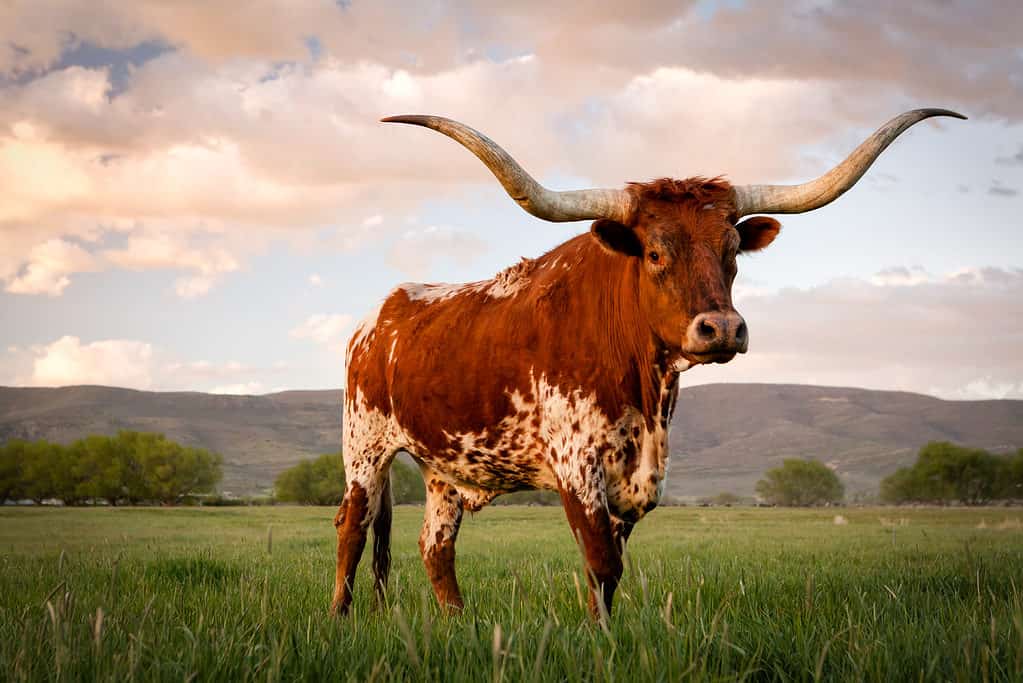
While Texas also boasts the majestic Longhorn as its official large mammal and the horny toad as its state reptile, the armadillo’s designation as the state small mammal speaks volumes about its quirky charm and resilience, making it a fascinating subject for anyone seeking to delve deeper into the essence of Texas tourism. Its distinctive appearance and intriguing habits offer a glimpse into the diverse wildlife and cultural narrative that defines this vast state. For tourists, encountering or learning about this armored creature can be a memorable part of their Texas experience, connecting them to the wilder, more unconventional spirit of the region.
The Unmistakable Symbol: Texas’s Armadillo
The armadillo’s status as the state small mammal is a testament to its unique presence and cultural resonance within Texas. It’s a creature that, despite its often solitary and nocturnal habits, has burrowed its way into the heart of Texan folklore and identity. Its selection as an official symbol reflects a fondness for the unconventional and a recognition of the diverse natural heritage that defines the state, providing tourists with a distinctive cultural touchpoint beyond the more traditional symbols.
A Unique Creature with Deep Roots
The nine-banded armadillo (Dasypus novemcinctus) is a remarkable mammal, instantly recognizable by its bony, armor-like shell composed of ossified dermal scutes covered by tough epidermal scales. This unique natural suit of armor gives the armadillo its name, which translates from Spanish as “little armored one.” Native to the Americas, this species has steadily expanded its range northward over the centuries, making the southern United States, particularly Texas, a primary habitat. Their diet consists mainly of insects, larvae, and other invertebrates, which they skillfully unearth with their powerful claws and long, sticky tongues. They are prolific diggers, creating burrows for shelter and foraging, a characteristic that often reveals their presence in various landscapes across the state.
For tourists, the armadillo offers a fascinating example of evolutionary adaptation and a connection to the ancient lineage of mammals. Their unique physiology, including their ability to hold their breath for extended periods and their generally solitary nature, distinguishes them from much of the typical wildlife one might encounter. Understanding these characteristics not only enriches the wildlife viewing experience but also highlights the ecological diversity that visitors can explore in Texas, from its deserts to its pine forests. The armadillo’s peculiar appearance and behavior make it an intriguing subject for photography and a memorable wildlife encounter, providing a story to tell long after the trip concludes.
From Folklore to Official Emblem
The journey of the armadillo from a common wild animal to an official state symbol is deeply intertwined with Texan folklore and a prevailing sense of humor. While the animal has always been present in the landscape, its rise to iconic status began to gain traction in the mid-20th century. Texans embraced the armadillo not just for its unique appearance but also for its perceived characteristics: a tough exterior, a tendency to wander its own path, and an undeniable quirkiness. These traits resonated with a certain independent spirit often associated with the state itself. It became a popular motif in folk art, music, and literature, often depicted humorously or as a symbol of rugged individualism.
The push for the armadillo to become an official state symbol culminated in 1995 when it was designated the state small mammal, following a lively campaign and extensive public support. This official recognition solidified its place in the pantheon of Texan symbols, joining others like the mockingbird (state bird) and the pecan tree (state tree). For visitors, this history underscores a crucial aspect of Texas’s local culture: its ability to embrace the distinctive and the endearing, even if it’s a creature often associated with roadside encounters. The armadillo’s story serves as an engaging narrative, offering tourists insight into how Texans celebrate their unique identity and their natural surroundings, blending appreciation for wildlife with a touch of local character and charm.
Encountering the Armadillo in Texas
For tourists eager to connect with Texas’s natural environment and perhaps even catch a glimpse of its official small mammal, understanding where and how to encounter armadillos is key. While they are wild animals and sightings are never guaranteed, their widespread presence across the state means opportunities abound for respectful observation. Beyond direct wildlife encounters, the armadillo’s image pervades local culture, making it an accessible symbol in various forms.
Where to Spot Them
Armadillos are quite adaptable and can be found in a variety of habitats throughout Texas, from wooded areas and grasslands to suburban backyards. They are primarily nocturnal, meaning the best times to spot them are often at dusk or dawn. During the cooler parts of the day, particularly in the summer, they might also be active. When driving on rural roads or visiting state parks and natural areas, keep an eye out for their distinctive form rooting around in the undergrowth or along the roadside. Areas with soft soil, where they can easily dig for insects, are prime locations. Places like Big Bend National Park in West Texas, the Hill Country around Austin and San Antonio, and even many local parks within cities like Houston or Dallas can offer opportunities.
When attempting to spot an armadillo, it’s crucial to practice responsible wildlife viewing. Maintain a respectful distance, avoid making sudden movements or loud noises that could startle the animal, and never attempt to feed or touch them. Observing them in their natural habitat provides an authentic and memorable experience, offering a quiet connection to the Texan wilderness. For ecotourism enthusiasts, seeking out these unique creatures adds a distinctive element to their travel itinerary, enriching their understanding of the local ecosystem and the diverse fauna that thrives within it.
Beyond the Wild: Armadillo-Themed Attractions and Souvenirs
Even if a direct encounter with a wild armadillo proves elusive, tourists can still embrace the spirit of Texas’s state small mammal through various cultural touchpoints. The armadillo’s iconic status means its image is widely incorporated into local culture, making it an accessible and often humorous reminder of the state. Many gift shops and artisan boutiques across Texas, particularly in tourist-heavy areas like Fredericksburg or Gruene, feature armadillo-themed merchandise. This can range from whimsical figurines and plush toys to t-shirts, pottery, and artwork. These souvenirs offer a tangible piece of Texan charm to take home.

Furthermore, some natural history museums or local cultural centers might have exhibits dedicated to Texan wildlife, where visitors can learn more about armadillos through educational displays, taxidermy, or interactive presentations. For instance, the Houston Museum of Natural Science or the Dallas Museum of Natural History often feature sections on regional fauna. The armadillo’s presence extends to local festivals and events as well, where it might appear in parades, mascots, or themed activities, particularly in smaller towns that celebrate their unique heritage. Engaging with these armadillo-themed attractions and souvenirs allows tourists to connect with the local culture and appreciate the animal’s symbolic significance, even without seeing one in the wild.
The Armadillo’s Ecological Role and Conservation
While the armadillo has charmed its way into the cultural fabric of Texas as the state small mammal, its significance extends beyond mere symbolism. It plays a tangible role in the state’s ecosystem, and understanding this ecological contribution is an important aspect of appreciating Texas’s natural heritage, particularly for tourists interested in conservation and environmental awareness.
Guardians of the Ecosystem
Armadillos are primarily insectivores, meaning their diet largely consists of insects, grubs, and other invertebrates found beneath the soil. This dietary preference makes them natural pest controllers in agricultural and garden settings. By digging and foraging, they help to aerate the soil and consume large quantities of insects that could otherwise damage crops or plants. While their digging can sometimes be a nuisance in manicured lawns, their overall contribution to maintaining ecological balance is significant. They are an integral part of the food web, serving as a prey animal for various predators such as coyotes, bobcats, and even large birds of prey. Their presence indicates a healthy, functioning ecosystem capable of supporting diverse wildlife.
For tourists, learning about the armadillo’s ecological role provides a deeper, more scientific understanding of Texas’s natural environment. It highlights the interconnectedness of species and the delicate balance of ecosystems. When visitors see an armadillo, they can appreciate it not just as a quirky symbol but as an active participant in the state’s environmental health. This perspective enriches the tourism experience, moving beyond superficial observation to a more profound appreciation of Texas’s natural wonders and the importance of preserving them.
Coexisting with Texans
Given their widespread presence, armadillos often come into contact with human populations across Texas. While they are generally shy and pose little threat, it’s important for residents and tourists alike to understand best practices for coexistence. As wild animals, they should always be observed from a distance. Handling armadillos is not advised, primarily because they can carry zoonotic diseases, most notably leprosy (Hansen’s disease), although transmission to humans is rare and typically requires prolonged contact. However, the safest approach is to simply admire them from afar.
For tourists exploring natural areas, tips for responsible interaction include: never feeding wild animals, as this can lead to dependence and aggressive behavior; securing food and waste to prevent attracting wildlife; and driving cautiously, especially at dusk and dawn when armadillos are most active on roadsides. Education about wildlife coexistence enhances the overall tourism experience by promoting safety and fostering a respectful relationship between visitors and the local environment. Understanding these dynamics contributes to a more informed and responsible form of tourism, ensuring that both humans and wildlife can thrive in the diverse landscapes of Texas.
The Armadillo and the Spirit of Texas Tourism
The armadillo’s unique charm and distinctive qualities extend beyond its biological features and ecological role; it has become an unofficial ambassador for a certain facet of Texan identity. For tourists, recognizing the armadillo as more than just an animal, but as a cultural icon, deepens their engagement with the local spirit and offers a quirky yet profound connection to the state.
A Quirky Ambassador
The armadillo, with its armored exterior and often clumsy demeanor, embodies a certain rugged individualism and quirky resilience that resonates deeply with the Texan spirit. It’s a creature that faces the world with a tough shell but an unassuming presence, much like the independent and often unconventional character often attributed to Texans themselves. This makes the armadillo a perfect “quirky ambassador” for Texas tourism. It represents the state’s willingness to celebrate the unique, the tenacious, and even the slightly eccentric. For visitors, encountering this symbol—whether in the wild, through souvenirs, or in local art—provides a delightful contrast to more conventional state symbols.
This quirky appeal helps to make Texas memorable. It adds a layer of genuine local character that many tourists seek: an authentic, slightly offbeat charm that sets the destination apart. The armadillo’s representation encourages visitors to look beyond the stereotypes and appreciate the diverse and sometimes surprising elements that make Texas such a rich and compelling place to visit. It’s an invitation to embrace the unexpected and find joy in the state’s distinct personality.
More Than Just an Animal: A Cultural Icon
The armadillo’s influence in Texas extends into various aspects of popular culture, solidifying its status as a true cultural icon. It features prominently in local music, with songs dedicated to its unique traits, and its image appears in the logos of many small businesses, sports teams, and community organizations. For example, some minor league baseball teams or high school mascots might be armadillos, reflecting a local pride in the state small mammal. Craft breweries might name a beer after it, and roadside diners might use its image in their decor.
This pervasive cultural presence means that even if a tourist doesn’t consciously seek out the armadillo, they are likely to encounter its likeness throughout their journey across Texas. These incidental encounters contribute to a cohesive and immersive experience of local culture. They reinforce the idea that the armadillo is not just a biological curiosity but a cherished part of the Texan identity, a symbol that evokes a sense of place, humor, and resilience. For tourists, recognizing this cultural significance transforms a simple animal into a touchstone for understanding the spirit and distinctiveness of the Lone Star State, making their visit more profound and engaging.
In conclusion, the nine-banded armadillo is far more than just the state small mammal of Texas. It is a fascinating creature that offers a window into the state’s ecological diversity, a beloved icon deeply embedded in local culture and folklore, and a quirky yet powerful symbol of Texan resilience and individuality. For anyone exploring the vibrant landscapes and rich heritage of Texas, the armadillo serves as a distinctive and memorable ambassador, inviting visitors to delve deeper into the unique charm of the Lone Star State. Learning about, and perhaps even spotting, this armored marvel adds an unforgettable layer to any Texas tourism experience.
LifeOutOfTheBox is a participant in the Amazon Services LLC Associates Program, an affiliate advertising program designed to provide a means for sites to earn advertising fees by advertising and linking to Amazon.com. Amazon, the Amazon logo, AmazonSupply, and the AmazonSupply logo are trademarks of Amazon.com, Inc. or its affiliates. As an Amazon Associate we earn affiliate commissions from qualifying purchases.