
For many outdoor enthusiasts, the call of the wild in Alabama evokes images of pristine forests, rich wildlife, and the thrill of the hunt. Deer hunting, in particular, stands as a deeply embedded tradition and a significant draw for both resident sportsmen and visitors looking to experience the state’s abundant natural resources. As a premier destination for whitetail deer, Alabama offers a robust and well-regulated hunting season, making it a key activity within the state’s vibrant tourism sector. Understanding the specific timings, regulations, and opportunities available is crucial for any hunter planning their trip. This guide delves into the intricacies of Alabama’s deer hunting calendar, providing essential insights for a successful and compliant experience.
Understanding Alabama’s Deer Hunting Framework
Alabama’s reputation as a deer hunting paradise is built on a strong foundation of conservation and careful management. The state is renowned for its healthy deer populations and diverse hunting landscapes, ranging from the Appalachian foothills to the coastal plain. However, this wealth of opportunity comes with a structured regulatory framework designed to ensure sustainable hunting practices and preserve the ecological balance. For tourists and first-time hunters in the state, grasping these foundational elements is the first step toward an enjoyable and lawful hunting adventure.
General Season Dates Overview
Unlike a single, monolithic hunting season, Alabama’s deer hunting dates are dynamic, varying significantly based on geographic zones, the type of weapon used, and specific management objectives. Generally, the season stretches from mid-October through the end of January or early February. This extended period allows for flexibility and caters to different hunting preferences, from the early challenges of archery to the peak excitement of gun season. It is imperative for all hunters, especially those visiting, to consult the most current regulations published annually, as dates can see minor adjustments from year to year. These regulations specify opening and closing dates for bow, muzzleloader, and gun seasons, often with separate regulations for specific public lands.
Key Regulatory Bodies
The primary authority overseeing all hunting and wildlife management activities in Alabama is the Alabama Department of Conservation and Natural Resources (ADCNR). Specifically, the Wildlife and Freshwater Fisheries Division within the ADCNR is responsible for setting seasons, bag limits, and licensing requirements. Their official website is an indispensable resource, providing detailed annual hunting guides, maps of hunting zones, and updates on any regulation changes. Engaging with the ADCNR’s resources ensures compliance and provides access to valuable educational materials about wildlife conservation.
Licensing and Permitting
Before even thinking about scouting locations or packing gear, every hunter in Alabama must possess the appropriate licenses and permits. For non-residents, this typically includes a non-resident annual hunting license or a specific 7-day all-game hunting license, which is often a popular choice for hunting tourists. Additionally, a Wildlife Heritage License, a state duck stamp (if hunting migratory birds), and a Harvest Information Program (HIP) endorsement may be required depending on other species pursued. Certain public lands, such as Wildlife Management Areas (WMAs) or National Forests, may also require additional permits, stamps, or daily fees. All licenses and permits can usually be purchased online through the ADCNR website, at local probate offices, or at licensed vendors across the state. It is crucial to have these documents readily accessible while hunting, as conservation enforcement officers conduct regular checks.
Navigating Alabama’s Hunting Zones and Methods
Alabama’s geographical diversity is mirrored in its hunting regulations, which segment the state into distinct zones. This zonal approach allows for tailored management strategies that consider regional deer populations, habitat conditions, and historical harvest data. Understanding these zones, along with the specific weapon types permitted during various intervals, is fundamental for planning a successful hunt.
Northern, Central, and Southern Zones
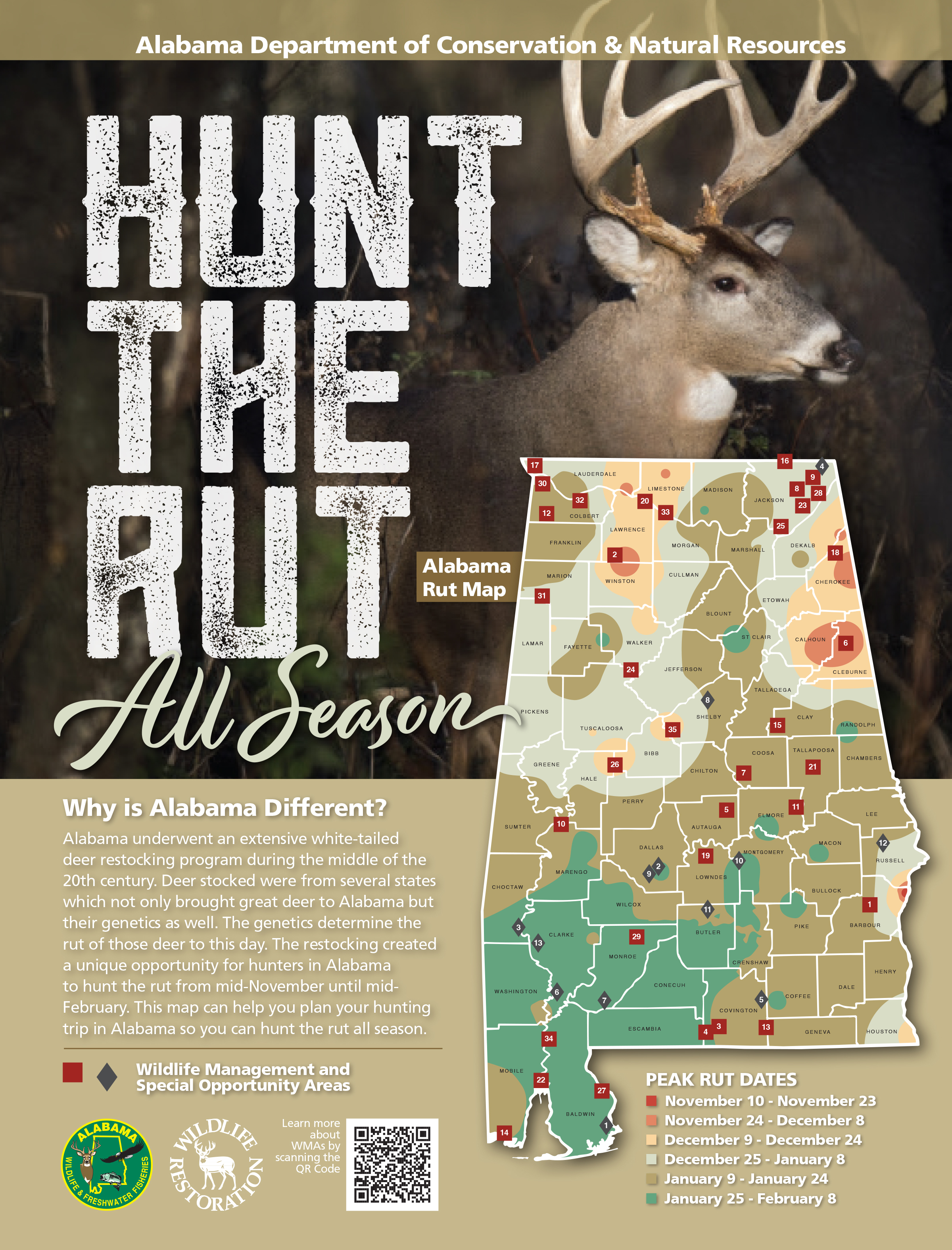
To optimize deer management, Alabama is divided into three primary hunting zones: North, Central, and South. While there is often significant overlap, each zone can have slightly different start and end dates for certain weapon types.
- Northern Zone: Typically encompasses the upper half of the state, including areas around Huntsville and the foothills of the Appalachian Mountains. Due to cooler climates, the rut (breeding season) often occurs earlier here.
- Central Zone: Covers the middle portion of the state, extending through areas near Birmingham and Tuscaloosa. This zone often experiences the peak of the rut in mid-January.
- Southern Zone: Stretches from the lower half of the state down to the Gulf Coast, including areas around Montgomery and Mobile. The rut here typically takes place later, sometimes extending into February.
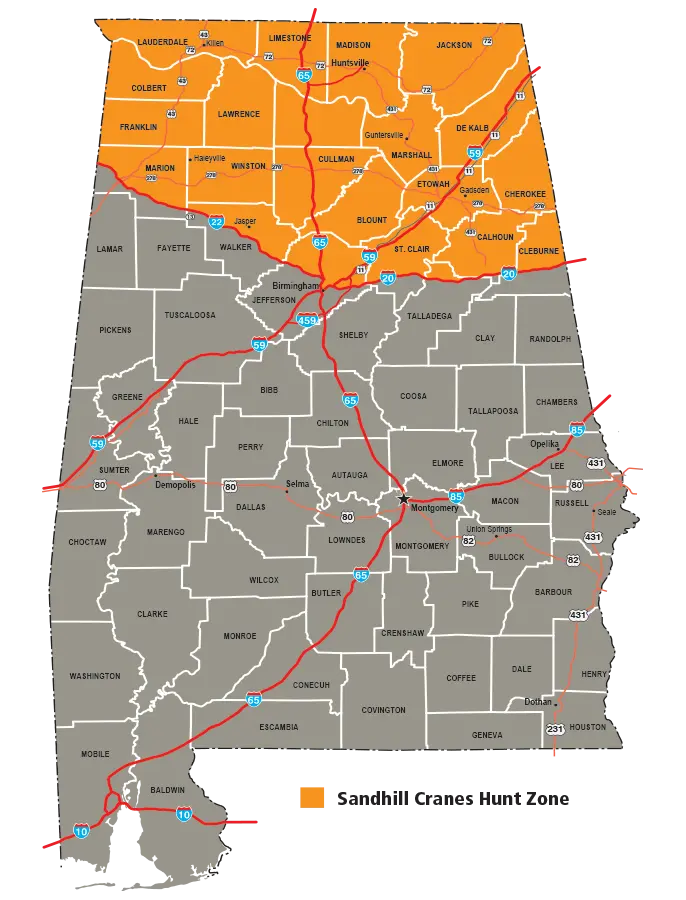
Hunters must accurately identify which zone their intended hunting grounds fall into and adhere strictly to those specific dates. Maps illustrating these zones are readily available in the official hunting guide.
Weapon Specific Seasons
The deer hunting season in Alabama is further segmented by weapon type, allowing for different hunting experiences and management approaches:
- Archery Season: This typically kicks off the deer season, beginning in mid-October across all zones. It offers the longest hunting period, often running continuously through the end of the gun season. Archery hunting requires a high degree of skill, stealth, and patience, appealing to those who prefer a more primitive and challenging pursuit.
- Muzzleloader Season: This specialized season usually follows or overlaps with portions of the archery season, providing a short window for hunters using black powder firearms. It often serves as a transitional period leading into the general gun season, allowing hunters to experience a different style of firearm hunting.
- Gun Season: This is the most popular and often the most productive period for deer hunters. It generally begins in mid-November and runs until late January or early February, depending on the zone. During gun season, a wide array of firearms, including shotguns, rifles, and pistols, are permitted, subject to specific caliber and ammunition restrictions outlined in the regulations.
Bag Limits and Antler Restrictions
Alabama employs specific bag limits and antler restrictions to manage deer populations and promote a healthy age structure within the herd.
- Bag Limit: Typically, hunters are allowed one deer per day, not to exceed three antlered deer and five unantlered deer during the combined seasons. However, these numbers can change, and specific rules apply to different land types (e.g., private land vs. WMAs).
- Antler Restrictions: Many areas, particularly on public lands, implement antler restrictions. These often dictate that an antlered buck must have a minimum number of points on one or both antlers, or specific main beam measurements, before it can be legally harvested. These regulations are designed to allow younger bucks to mature, leading to larger, healthier deer over time. Hunters must be intimately familiar with these rules to avoid accidental violations, which carry significant penalties.
Essential Tips for the Visiting Hunter
For hunters traveling to Alabama, planning extends beyond just understanding the regulations. Practical preparation and local insights can significantly enhance the hunting experience and increase the chances of success.
Pre-Season Preparation
Thorough preparation is the cornerstone of any successful hunting trip.
- Scouting: If possible, conduct pre-season scouting trips to your chosen hunting area. Look for deer signs like tracks, rubs, scrapes, and bedding areas. Understanding the terrain, pinch points, and food sources will give you a significant advantage. If a physical scouting trip isn’t feasible, utilize online mapping tools like Google Earth or topographic maps to familiarize yourself with the landscape.
- Gear Check: Ensure all hunting gear is in prime condition. This includes firearms (cleaned and sighted in), bows (tuned and arrows checked), camouflage clothing suitable for Alabama’s variable weather, boots, scent control products, and safety equipment like a safety harness for tree stands.
- Understand Local Terrain: Alabama offers diverse terrain, from dense pine forests and hardwood bottoms to swampy areas. Each presents unique challenges and requires specific hunting strategies. Be prepared for potentially humid conditions, even in late fall and winter, and be mindful of local flora and fauna, including venomous snakes and insects.
Choosing a Hunting Location
Alabama provides a range of options for deer hunting locations.
- Public Lands: The state boasts an extensive network of public hunting grounds, including Wildlife Management Areas (WMAs) and National Forests such as William B. Bankhead National Forest, Conecuh National Forest, and Talladega National Forest. These areas offer accessible hunting opportunities but often come with more stringent regulations, higher hunting pressure, and sometimes require specific permits or stamps. Hunters should always review the individual WMA or National Forest rules, as they can differ from statewide regulations.
- Private Leases: A significant portion of Alabama’s hunting opportunities lies on private land. Many landowners lease hunting rights for a season or specific periods. This option often provides exclusive access, better deer management, and less hunting pressure. For visiting hunters, joining an existing lease or arranging a guided hunt on private land can be an excellent way to experience top-tier hunting with local expertise. Reputable outfitters can facilitate such arrangements, often including lodging and meals.
Safety and Ethics
Hunting is a privilege that comes with significant responsibilities.
- Hunter Education: All hunters born on or after August 1, 1977, must complete a hunter education course certified by the ADCNR. Non-residents who have completed a hunter education course in another state may be exempt if their course is certified by the International Hunter Education Association.
- Blaze Orange Requirements: During gun seasons, hunters are typically required to wear specific amounts of blaze orange clothing (e.g., an outer garment above the waist with at least 144 square inches of visible blaze orange) to enhance visibility and safety. This is a non-negotiable safety measure.
- Ethical Hunting: Beyond legal requirements, ethical hunting practices are paramount. This includes respecting wildlife, landowners, and fellow hunters, making quick and humane kills, properly identifying targets, and only taking legal game. It also means leaving no trace and respecting the environment.
The Broader Tourism Experience in Alabama for Hunters
While the primary objective might be a successful deer hunt, a trip to Alabama offers much more. Integrating hunting with other local experiences can transform a specialized trip into a holistic adventure.
Beyond the Hunt
Alabama’s rich tapestry of history, culture, and natural beauty provides ample opportunities for activities outside of hunting hours. Hunters can explore charming small towns, visit historical sites that tell tales of the Civil Rights Movement or the Civil War, or enjoy the state’s diverse culinary scene. Areas near popular hunting zones often have local attractions, from quaint diners serving Southern comfort food to outdoor recreation opportunities like fishing, hiking, or birdwatching in state parks. Cities like Montgomery, Birmingham, or even smaller towns that act as gateways to hunting territories, offer unique cultural insights and hospitality.
Supporting Local Economies
Hunting tourism plays a vital role in the economic vitality of many rural Alabama communities. Visiting hunters contribute to local businesses through lodging, dining, fuel purchases, gear acquisition, guide services, and processing fees. This influx of revenue supports jobs and services, making hunting a crucial component of the state’s broader tourism strategy. By choosing local establishments and services, hunters directly contribute to the sustainability of the areas they visit.
Post-Hunt Activities
After a successful hunt, there are practical considerations and celebratory opportunities. Many local towns near hunting areas offer professional meat processing services, ensuring your harvest is handled efficiently and packaged for transport. For those interested in preserving their trophy, local taxidermists provide expert services. Additionally, celebrating a successful hunt can involve enjoying a meal at a local restaurant, sharing stories with fellow hunters, or simply relaxing and appreciating the natural beauty that Alabama provides.
In conclusion, deer hunting season in Alabama is a carefully managed and highly anticipated event, offering exceptional opportunities for hunters of all skill levels. By understanding the zonal regulations, adhering to licensing requirements, and preparing thoroughly, visitors can look forward to an enriching and unforgettable experience in the heart of the Deep South. Beyond the thrill of the chase, it’s an opportunity to connect with nature, engage with local culture, and contribute to the conservation efforts that make Alabama such a special place for outdoor adventures.
LifeOutOfTheBox is a participant in the Amazon Services LLC Associates Program, an affiliate advertising program designed to provide a means for sites to earn advertising fees by advertising and linking to Amazon.com. Amazon, the Amazon logo, AmazonSupply, and the AmazonSupply logo are trademarks of Amazon.com, Inc. or its affiliates. As an Amazon Associate we earn affiliate commissions from qualifying purchases.