
Nevada, a state renowned for its stark desert beauty, glittering metropolises, and rich mining history, also holds a special place in its heart for its avian inhabitants. While many associate the Silver State with iconic natural wonders like Lake Tahoe and the vastness of the Great Basin, its official symbols offer a glimpse into a different facet of its identity. Among these, the state bird stands as a small yet significant ambassador, representing the resilience, adaptability, and spirit of Nevada. Understanding what this bird is can deepen one’s appreciation for the state’s natural heritage and the subtle stories woven into its landscape.
The Mountain Bluebird: A Symbol of the Silver State’s Sky
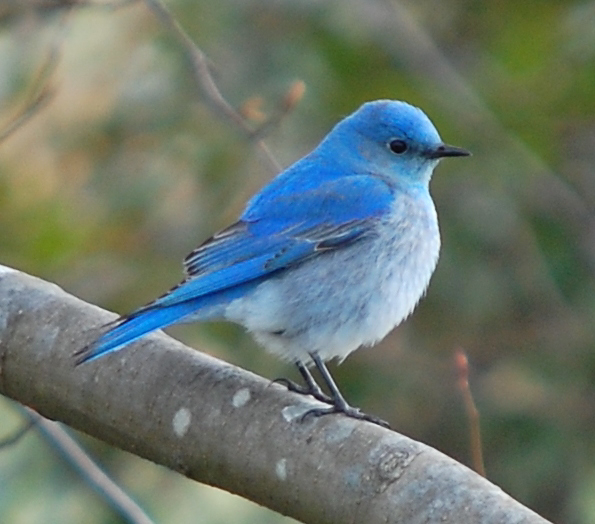
The honor of being Nevada’s state bird belongs to the Mountain Bluebird (Sialia currucoides). This striking avian species was officially designated as the state bird in 1967, a decision that reflects its common presence and its harmonious connection with the diverse habitats found across Nevada. Its vibrant coloration and cheerful demeanor have made it a beloved resident, a familiar sight against the backdrop of rugged mountains and open plains that define so much of the state’s geography.
Identification and Distinctive Features
The Mountain Bluebird is a medium-sized songbird, easily recognizable by its brilliant sky-blue plumage. Adult males boast an iridescent azure hue that covers their entire body, from the head and back to the wings and tail. This vivid coloration is particularly striking in the bright desert sunlight, making them a joy to spot. Females and immature birds are less intensely colored, exhibiting a softer grayish-blue or buffy gray, often with subtle blue tinges on their wings and tail. Both sexes have a slender build, a short neck, and a relatively large head. Their eyes are dark and alert, giving them an inquisitive expression. Their bills are thin and pointed, ideal for their insectivorous diet.
The bird’s song is another characteristic feature. It’s often described as a series of soft, liquid notes, a musical warble that adds to the serene atmosphere of its natural environment. While not as complex as some other songbirds, the Mountain Bluebird’s melody is distinctly pleasant and often heard during the breeding season.
Habitat and Distribution in Nevada
The Mountain Bluebird’s name is a fitting descriptor of its preferred environment. In Nevada, these birds are commonly found in mountainous regions, alpine meadows, open woodlands, sagebrush steppe, and shrublands. They are particularly drawn to areas with scattered trees or shrubs that provide perching sites for hunting and nesting cavities. During the summer breeding season, they can be observed at higher elevations, from the Ruby Mountains to the ranges surrounding Reno and Carson City.
As the seasons change, particularly with the onset of winter, Mountain Bluebirds may descend to lower elevations or migrate to more southerly parts of their range in search of food and less severe weather. However, many populations in Nevada remain year-round residents, adapting to the changing conditions. Their ability to thrive in seemingly arid and harsh landscapes speaks to their resilience, a quality mirrored in the pioneering spirit of Nevada itself. They can often be seen foraging in open fields, along roadsides, and in agricultural areas, demonstrating their adaptability to human-influenced landscapes.
Nesting Habits and Breeding Cycle
Understanding the life cycle of the Mountain Bluebird provides further insight into why it was chosen as Nevada’s emblem. Their nesting behaviors are indicative of their association with natural landscapes and their reliance on specific environmental features.

Nest Site Selection and Construction
Mountain Bluebirds are cavity nesters, meaning they build their nests within natural or artificial cavities. Their preferred natural sites include abandoned woodpecker holes in dead trees, crevices in cliffs, or even old rodent burrows that have been enlarged. In areas where natural cavities are scarce, they readily utilize man-made nest boxes, making them a species that can benefit from conservation efforts like the installation of nesting structures in parks and along trails.
The nest itself is typically constructed by the female. It is a cup-shaped structure made from fine grasses, roots, and sometimes a bit of animal hair or other soft materials. The lining is often very neat and compact. The location of the nest is usually well-hidden, providing protection from predators. The diligence with which they build their nests, often in challenging locations, reflects a persistent and resourceful nature.
Clutch Size, Incubation, and Fledgling Period
The breeding season for Mountain Bluebirds generally begins in the spring, typically from April through July. The female lays a clutch of four to seven pale blue or bluish-white eggs. The eggs are smooth and slightly glossy. Incubation is primarily carried out by the female, though the male may occasionally assist. This period lasts for approximately 13 to 15 days.
Once the eggs hatch, the young are altricial, meaning they are born blind and helpless, requiring constant care from their parents. Both the male and female participate actively in feeding the nestlings. Their diet during this crucial period consists mainly of insects, providing the protein necessary for rapid growth. The nestlings develop quickly, and the fledgling period, from hatching to when they leave the nest, typically lasts about 18 to 21 days. After fledging, the young birds remain dependent on their parents for a period of time, learning essential survival skills before becoming independent. Some pairs may raise a second brood in a single breeding season, particularly if conditions are favorable.
The Mountain Bluebird in Nevada’s Cultural and Natural Landscape
Beyond its biological significance, the Mountain Bluebird has become an integral part of Nevada’s identity, weaving itself into the fabric of the state’s cultural and natural narrative. Its presence serves as a reminder of the delicate balance of ecosystems and the importance of preserving the wild spaces that support such beauty.
Conservation Status and Importance
While the Mountain Bluebird is not currently listed as endangered or threatened, its populations can be influenced by habitat loss, changes in prey availability, and the effects of climate change. Conservation efforts, such as preserving native grasslands and sagebrush steppe, maintaining healthy insect populations, and installing nest boxes in appropriate areas, are crucial for ensuring the continued presence of this iconic bird in Nevada. Their role as insectivores also makes them beneficial to the ecosystem, helping to control insect populations naturally.

Symbolism and Connection to Nevada’s Spirit
The choice of the Mountain Bluebird as the state bird reflects a deep connection to the natural world that characterizes much of Nevada’s allure. Its vibrant blue is reminiscent of the clear skies that frequently grace the state and the precious minerals that have historically driven its economy. Its ability to thrive in varied, often challenging, environments mirrors the resilience and independent spirit of the people of Nevada. Spotting a Mountain Bluebird can evoke a sense of peace and wonder, a moment of connection with the untamed beauty that defines the Silver State. It stands as a gentle yet persistent emblem of the state’s natural heritage, encouraging appreciation for the often-overlooked wonders of its diverse landscapes. From the peaks of the Sierras to the vast expanses of the desert, this beautiful bird is a living testament to the enduring spirit of Nevada.
LifeOutOfTheBox is a participant in the Amazon Services LLC Associates Program, an affiliate advertising program designed to provide a means for sites to earn advertising fees by advertising and linking to Amazon.com. Amazon, the Amazon logo, AmazonSupply, and the AmazonSupply logo are trademarks of Amazon.com, Inc. or its affiliates. As an Amazon Associate we earn affiliate commissions from qualifying purchases.