
As a premier travel destination, Florida consistently draws millions of visitors with its pristine beaches, vibrant cities, and world-class attractions. However, the state’s allure comes with a caveat: its susceptibility to tropical weather systems, including hurricanes. When a storm like Hurricane Helene threatens, the primary concern for both residents and travelers shifts immediately to safety and preparedness. Understanding the potential trajectory and impact zones of Helene is paramount for anyone planning a trip to, or currently located within, the Sunshine State. This article serves as an essential guide for travelers, dissecting the potential impacts of Helene on various regions of Florida and outlining critical steps for informed and safe travel decisions.
Understanding the Dynamics of Hurricane Helene and its Travel Implications
Tropical storms and hurricanes are dynamic weather phenomena, their paths and intensities subject to frequent changes. For travelers, this unpredictability underscores the need for constant vigilance and reliable information. Hurricane Helene, like any other significant storm, brings with it a range of potential hazards including high winds, torrential rainfall, storm surge, and widespread flooding. These elements can severely disrupt travel plans, from flight cancellations and road closures to the temporary shutdown of attractions and accommodations.
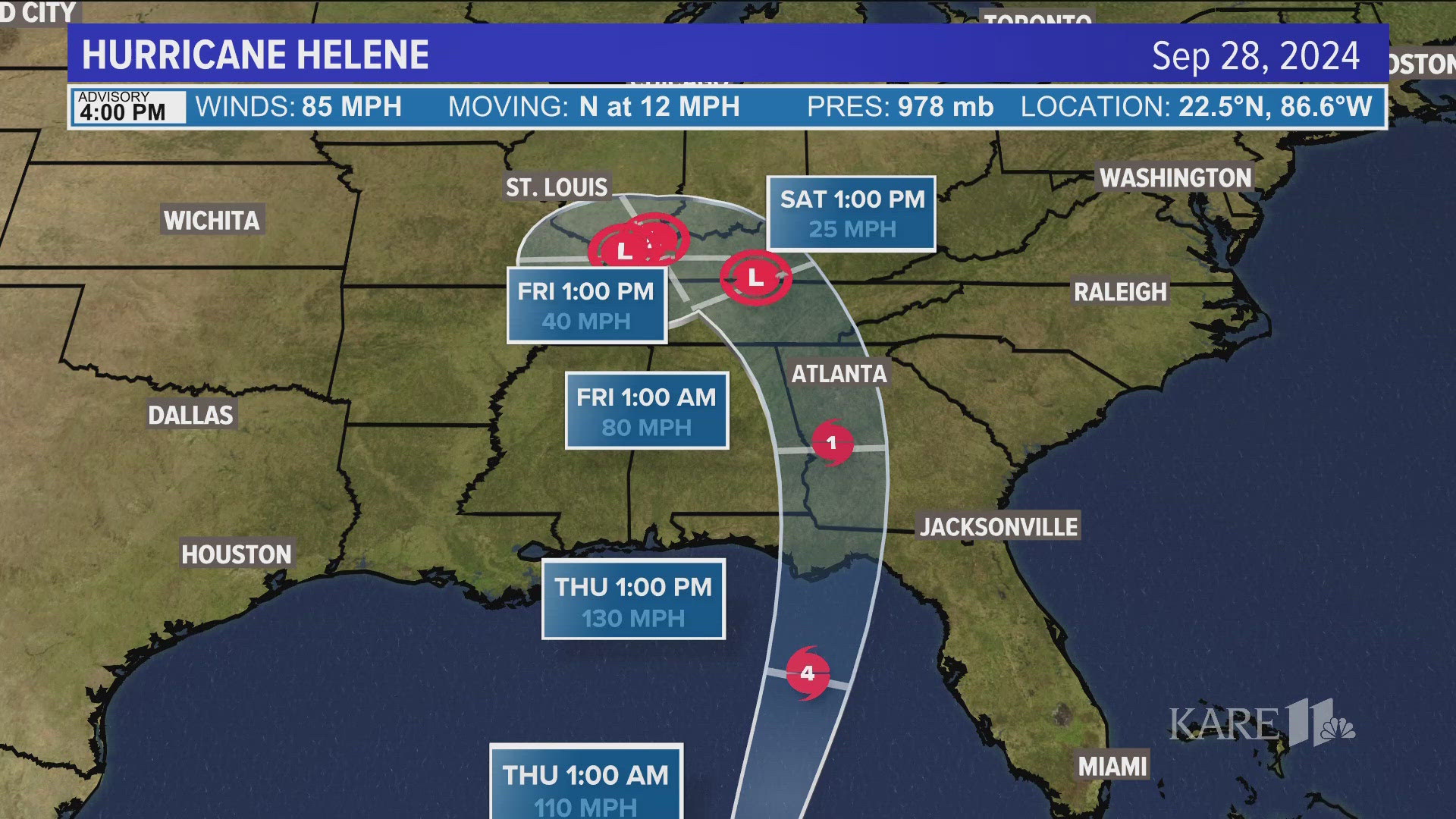
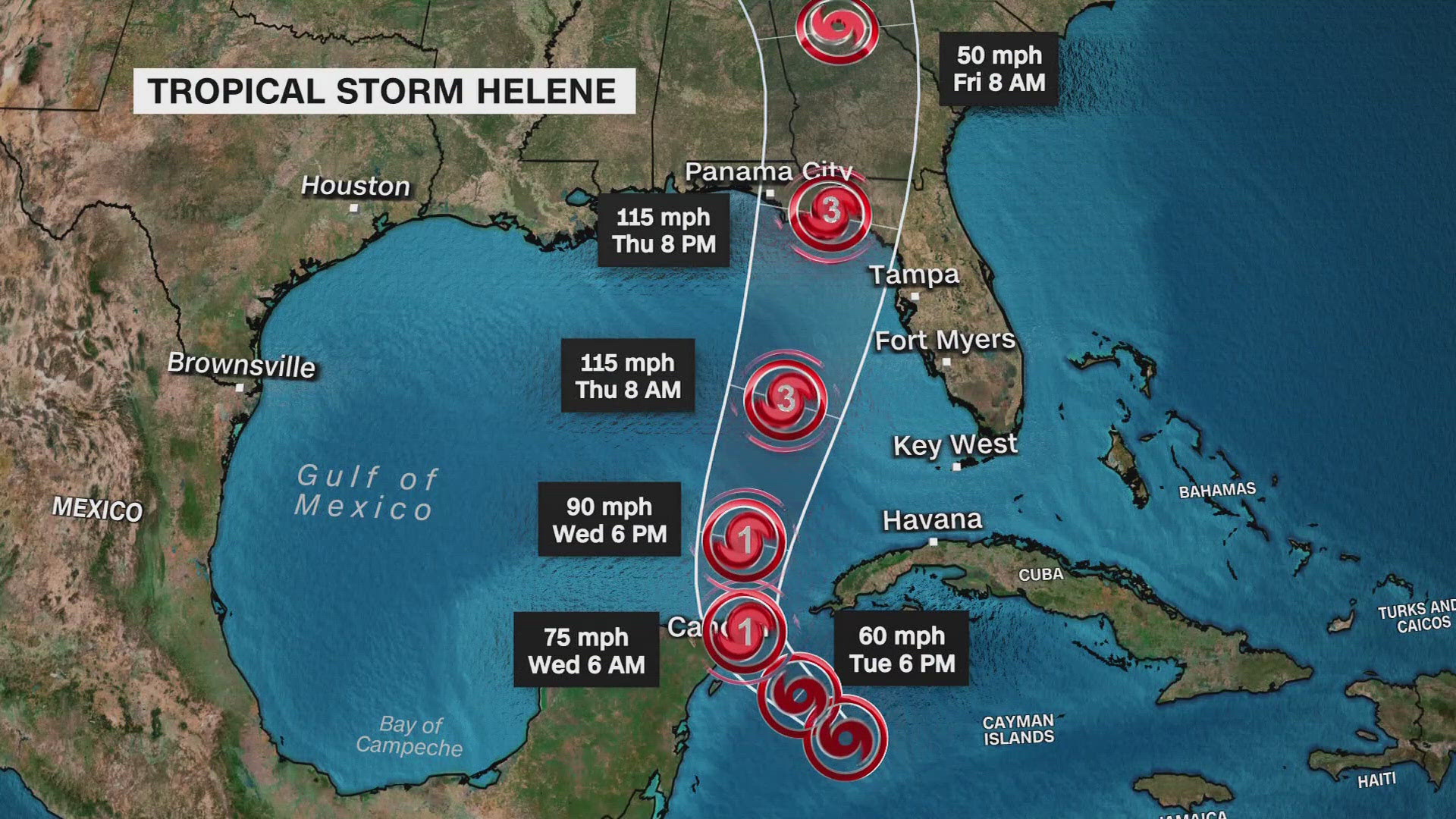
The initial question, “Where will Helene hit in Florida?”, is less about pinpointing an exact strike location and more about understanding the broad areas at risk. Hurricane forecasts provide a cone of uncertainty, indicating the probable path of the storm’s center, but impacts can be felt far beyond this central track. Therefore, travelers must consider not just direct hits, but also indirect effects that can still significantly compromise safety and enjoyment.
The Science Behind Hurricane Tracking
Meteorologists at institutions like the National Hurricane Center employ advanced satellite imagery, reconnaissance aircraft, and complex computer models to predict hurricane movements. These models, while increasingly accurate, still operate within a margin of error that widens with time. For travelers, this means focusing on the most current forecasts, often updated every few hours, rather than relying on outdated information. Understanding the difference between a hurricane watch (conditions are possible) and a hurricane warning (conditions are expected) is also vital for timely decision-making.
Why Travel Planning is Critically Affected
The specter of a hurricane like Helene forces travelers to re-evaluate every aspect of their trip. Airlines often issue waivers, allowing passengers to change flights without penalty. Hotels and resorts may activate specific hurricane policies, including refunds or rebooking options. Ground transportation can become hazardous or impossible. Even if a particular destination avoids a direct hit, secondary impacts like power outages, limited access to supplies, or debris can still make travel difficult and unsafe. Thus, proactive monitoring and flexible planning become indispensable tools for any Florida bound traveler during hurricane season.
Potential Impact Zones Across Florida
Given the dynamic nature of hurricane forecasting, precise predictions of Helene’s landfall are challenging. However, based on common hurricane paths and the geography of Florida, we can identify regions that are typically more vulnerable or could experience significant effects. Travelers should pay close attention to updates concerning these areas.
The Florida Panhandle and Northwest Florida
This region, stretching from Pensacola to Tallahassee, including popular destinations like Destin and Panama City Beach, is often a target for systems moving across the Gulf of Mexico. A storm making landfall here could bring severe wind damage, extensive freshwater flooding from heavy rains, and considerable storm surge along its low-lying coastlines. Travelers booked for the Panhandle should have contingency plans ready, including potential evacuation routes inland.
Southwest Florida and the Gulf Coast
Encompassing areas from Naples and Fort Myers up through Sarasota and Tampa Bay, the Southwest Florida coast is particularly susceptible to storm surge due to the shallow shelf of the Gulf of Mexico. Even a modest storm can push significant amounts of water onshore, threatening coastal communities and barrier islands. Travelers here should be acutely aware of evacuation orders and the potential for infrastructure damage, which can severely impact access and services for days or weeks.
Central Florida and Theme Park Capitals
While inland, Central Florida, home to major attractions like Walt Disney World and Universal Orlando Resort in Orlando, is not immune. Hurricanes that cross the state can still bring hurricane-force winds and heavy rainfall, leading to widespread power outages and localized flooding, especially in urban areas. Theme parks have comprehensive safety protocols and may close temporarily. Travelers to Orlando and surrounding areas should monitor park operational updates and prepare for potential disruptions to their itineraries.
Southeast Florida and the Atlantic Coast
Cities like Miami, Fort Lauderdale, and West Palm Beach on the Atlantic Coast are at risk from storms approaching from the Atlantic Ocean or those that have traversed the state. High-rise buildings can experience significant wind impacts, and coastal flooding from storm surge and heavy rains is a persistent threat. Travelers should consider the implications for air travel through major hubs like Miami International Airport and Fort Lauderdale-Hollywood International Airport, which are often among the first to be affected by widespread cancellations.
The Florida Keys
This string of islands, including Key West, is highly vulnerable to storm surge and can be cut off from mainland Florida if the single highway, US-1, becomes impassable. Evacuation orders for the Keys are often issued well in advance due to the logistical challenges of moving people off the islands. Travelers should heed these warnings without delay.
Traveler Preparedness and Safety Measures

In the face of a looming storm like Helene, proactive preparation is not just advisable; it’s essential for ensuring safety and minimizing disruption to travel. Taking concrete steps can make a significant difference in navigating a hurricane threat.
Monitoring Official Sources
The single most important step for any traveler is to continuously monitor official weather advisories. The National Hurricane Center (NHC) is the authoritative source for hurricane forecasts and warnings. Local emergency management agencies in Florida also provide critical localized information, including evacuation orders, shelter locations, and public safety announcements. Apps from reputable news organizations and weather services can provide real-time updates directly to your device.
Essential Communication and Documentation
Before and during a storm, ensure your cell phone is fully charged and consider carrying a portable power bank. Have a communication plan with family or travel companions, as cell service can be intermittent. Keep important documents like passports, IDs, insurance policies (travel and medical), and booking confirmations stored securely in a waterproof bag. Digitally backed-up copies are also advisable.
Emergency Travel Kit
For those already in Florida or unable to change their plans, a compact emergency kit can be invaluable. This should include:
- Water and Non-Perishable Food: At least a 3-day supply.
- Medications: Any prescription drugs, plus over-the-counter essentials.
- First Aid Kit: For minor injuries.
- Flashlight and Extra Batteries: Power outages are common.
- Whistle: To signal for help.
- Cash: ATMs may not work if power is out.
- Copies of Important Documents: As mentioned above.
- Comfort Items: Such as books or games, especially if traveling with children.
Travel Insurance Considerations
Review your travel insurance policy immediately upon a hurricane threat. Many policies have clauses regarding named storms, and there might be a cut-off point after which new policies or claims related to that specific storm are not honored. Understand what your policy covers in terms of trip cancellation, interruption, medical emergencies, and evacuation. Some premium travel cards also offer certain protections.
Adjusting Travel Plans and Destinations
When a hurricane is on the horizon, flexibility becomes a traveler’s greatest asset. Adapting your itinerary, whether by altering dates, destinations, or transportation, is often the safest and most prudent course of action.
Postponing or Cancelling Your Trip
If Helene’s path directly threatens your planned Florida destination, seriously consider postponing or canceling your trip. No vacation experience is worth risking your safety. Airlines and hotels often become more lenient with cancellations and changes as a storm approaches, so contact them directly to understand your options. Be patient, as call centers can be overwhelmed during these times.
Re-routing to Safer Florida Regions
If you’re determined to visit Florida but your original destination is at risk, consider shifting your plans to a region that is expected to be clear of the storm’s direct impact. For instance, if the Panhandle is threatened, a trip to Southeast Florida (if unaffected) might be a viable alternative, or vice-versa. Always double-check forecasts for any alternative destination before making new arrangements. Remember, even areas that are not directly hit might experience heavy rainfall or strong winds.
Contingency Planning for Evacuation
For those already in Florida, having a pre-determined evacuation plan is vital, especially if you are in a coastal or low-lying area. Know your evacuation zone and route, identify potential shelters or safe havens further inland, and ensure your vehicle has a full tank of gas. The Federal Emergency Management Agency (FEMA) and state emergency services provide comprehensive guidelines for hurricane preparedness and evacuation.
Post-Storm Travel Considerations
Even after a hurricane has passed, its effects can linger, impacting travel for days or even weeks. Understanding these post-storm realities is crucial for responsible and safe travel.
Assessing Damage and Recovery Efforts
Following a storm like Helene, affected areas will be in a recovery phase. Infrastructure may be damaged, power outages widespread, and essential services (water, sewage, gas) disrupted. Roads might be impassable due to flooding or debris. Travelers should avoid entering areas that have been significantly impacted until local authorities declare them safe and open to visitors. This not only ensures your safety but also allows emergency responders and residents to focus on recovery without additional strain from tourists.
Supporting Local Tourism Responsibly
Once an affected region has begun to recover and is welcoming visitors again, responsible tourism can play a vital role in economic revitalization. When returning to these areas, be mindful of lingering challenges. Support local businesses, be patient with service disruptions, and respect the ongoing recovery efforts. Often, the best way to help a hurricane-affected destination is to return when it’s ready, and to spend your money locally.
The threat of Hurricane Helene in Florida is a serious concern for any traveler. By staying informed, preparing diligently, and exercising flexibility, you can navigate these challenges effectively, ensuring your safety remains the top priority. Florida will always be a magnificent place to visit, and understanding how to travel safely during its hurricane season allows for peace of mind amidst the beauty.
LifeOutOfTheBox is a participant in the Amazon Services LLC Associates Program, an affiliate advertising program designed to provide a means for sites to earn advertising fees by advertising and linking to Amazon.com. Amazon, the Amazon logo, AmazonSupply, and the AmazonSupply logo are trademarks of Amazon.com, Inc. or its affiliates. As an Amazon Associate we earn affiliate commissions from qualifying purchases.