
The vibrant landscapes of New Mexico are defined by high-desert plateaus, sprawling mountain ranges, and a unique cultural heritage that blends indigenous, Spanish, and Anglo influences. Among the diverse flora and fauna that thrive in this southwestern state, one avian resident stands out as a symbol of regional identity: the Greater Roadrunner. Known scientifically as Geococcyx californianus, this remarkable bird is more than just a local icon; it is an enduring representative of the spirit of the American Southwest.
The Greater Roadrunner: A Desert Icon
The Greater Roadrunner is a member of the cuckoo family, though it bears little resemblance to the stereotypical forest-dwelling cuckoos found in folklore. Perfectly adapted to the arid climate of North America, these birds are masters of survival. They are primarily ground-dwelling creatures, preferring to sprint across the scrubland rather than take flight, which is how they earned their evocative common name.
Physical Adaptations and Behavior
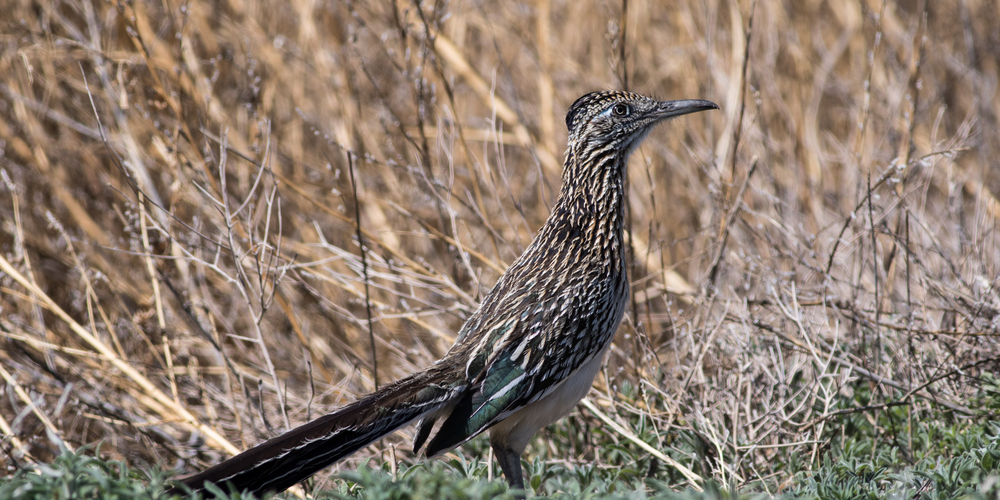
Visitors exploring the wilderness near Santa Fe or Albuquerque may be fortunate enough to spot this distinctive creature. The Roadrunner is characterized by its long, heavy tail, a shaggy crest of feathers on its head, and a long, stout bill designed for hunting. Its plumage is a mottled pattern of brown, black, and white, providing essential camouflage against the rocky, dusty terrain of the Chihuahuan Desert.
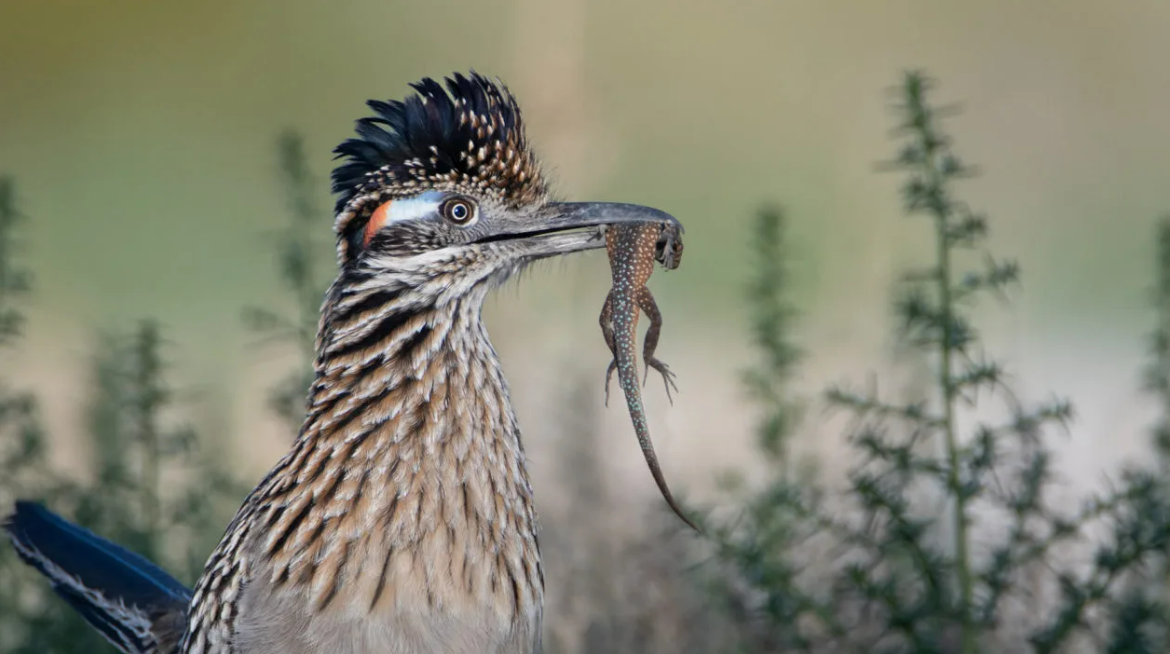
Beyond its appearance, the Roadrunner is famous for its intelligence and speed. They have been clocked running at speeds of up to 20 miles per hour, allowing them to evade predators and capture agile prey. Their diet is as eclectic as the landscape they inhabit, consisting of insects, small reptiles like lizards and snakes, spiders, and occasionally small rodents or seeds. Seeing a Roadrunner expertly handle a venomous prey item is a testament to the harsh, unforgiving, yet fascinating nature of the desert ecosystem.
Symbolism in Local Culture
The designation of the Greater Roadrunner as the state bird of New Mexico was a deliberate choice that highlights the state’s rugged character. In 1949, the state legislature officially adopted the bird, recognizing its presence in all of the state’s thirty-three counties. For the people of the Southwest, the Roadrunner symbolizes endurance, resourcefulness, and a clever adaptability—traits that many locals identify with their own history in this challenging climate.
Exploring the Natural Heritage of New Mexico
When travelers visit New Mexico, they are often searching for a deeper connection to the natural world. The presence of the state bird is just one piece of a much larger ecological puzzle. From the high-altitude forests of the Sangre de Cristo Mountains to the white gypsum dunes of White Sands National Park, the state offers a biodiversity that remains largely untouched compared to more densely populated regions.
Wildlife Viewing and Photography
For enthusiasts of birding and wildlife photography, the state offers unparalleled opportunities. While the Greater Roadrunner is a highlight, it shares the stage with a vast array of other species. Birdwatchers frequently gather in areas like the Bosque del Apache National Wildlife Refuge during the winter months, where the skies fill with thousands of migrating sandhill cranes and snow geese. This spectacle, combined with the presence of permanent residents like the Roadrunner, makes New Mexico a premier destination for those who appreciate the intricacies of avian life.
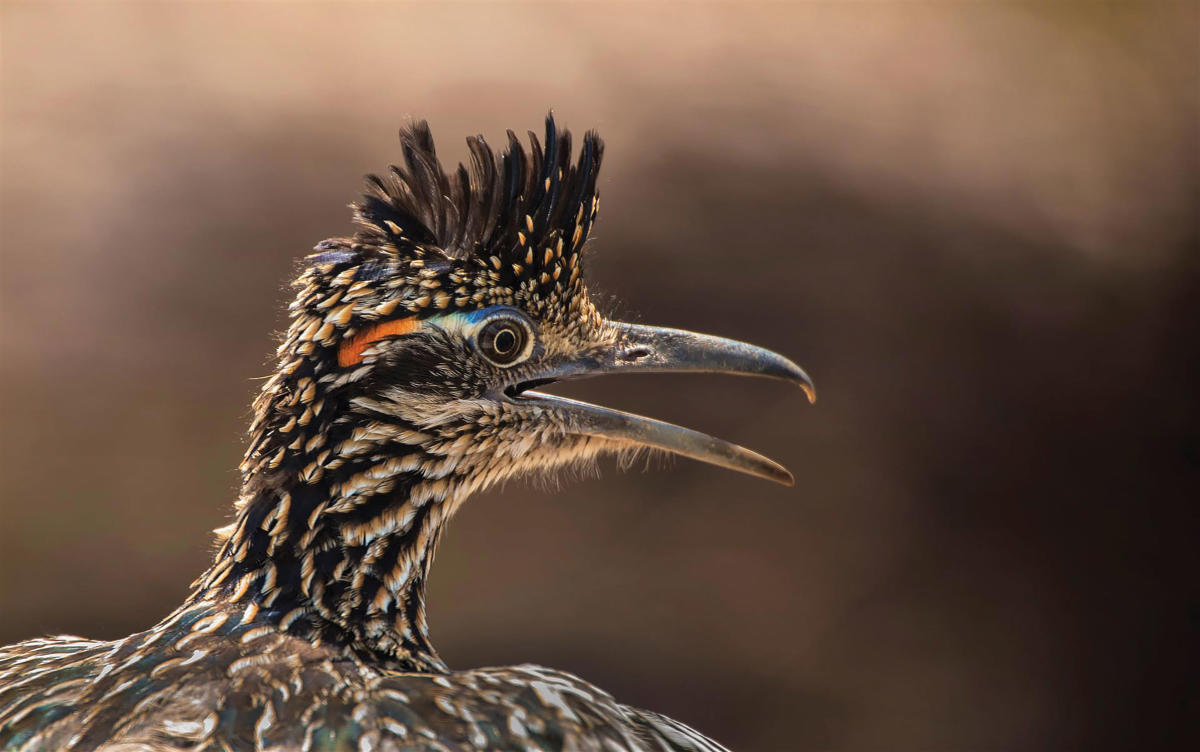
When seeking out the state bird, patience is key. These birds are solitary and territorial. They are often spotted near low-lying shrubbery or darting across hiking trails in Kasha-Katuwe Tent Rocks National Monument. Because they are not prone to sudden flight, they are relatively easy to observe if one remains quiet and maintains a respectful distance.
Protecting the Desert Ecosystem
The survival of the Greater Roadrunner and the integrity of the natural landscapes of the United States depend on effective conservation efforts. The desert is a fragile environment where small changes can have significant impacts on local wildlife populations.
Conservation Initiatives
Efforts to preserve the habitats of the Southern Rockies and the desert basins are vital. Organizations working throughout the state emphasize the importance of maintaining corridors that allow animals like the Roadrunner to travel, hunt, and reproduce without human interference. Tourists are encouraged to stay on marked trails—especially in sensitive areas like the Bandelier National Monument—to ensure that the natural balance remains undisturbed.
Supporting local conservation groups not only helps the state bird thrive but also protects the myriad of other species that call the Rio Grande valley their home. Educating visitors about the habits of the Roadrunner, such as their preference for hunting in the cool of the early morning or late afternoon, helps reduce human-wildlife conflict and fosters a greater appreciation for the state’s wildlife.
A Legacy of Resilience
The Greater Roadrunner stands as a quintessential icon of the American West. It represents a story of survival that has played out over thousands of years in the arid regions of the continent. By selecting this bird as its official representative, New Mexico has embraced a symbol that is distinctly “of the earth.”
The Lasting Impact of the State Bird
For those traveling through this beautiful state, recognizing the Roadrunner adds a layer of depth to the experience. Whether one is walking the historic streets of Taos, exploring the subterranean wonders of Carlsbad Caverns National Park, or driving the winding roads near Las Cruces, there is a high probability that the state bird is watching from the brush.
It is a reminder that beauty is not always found in the lush forests or the grand, towering peaks. Sometimes, true beauty is found in the resilient, quick-footed survivor that darts across the path, reminding us of the tenacity required to thrive in the desert. The Greater Roadrunner is more than just a name on a list of state symbols; it is a permanent fixture of the identity of New Mexico, inviting us to look a little closer at the ground beneath our feet and appreciate the vibrant life that calls the desert home.
As you plan your next journey into the heart of the Southwest, take a moment to look for this iconic bird. It serves as an invitation to slow down, observe the environment, and connect with the wild, untamed nature that continues to define this historic and culturally rich region of the Western United States. From the golden grasses of the high plains to the stark beauty of the rocky canyons, the Roadrunner remains the undisputed master of the landscape, a true sentinel of the desert sun.
LifeOutOfTheBox is a participant in the Amazon Services LLC Associates Program, an affiliate advertising program designed to provide a means for sites to earn advertising fees by advertising and linking to Amazon.com. Amazon, the Amazon logo, AmazonSupply, and the AmazonSupply logo are trademarks of Amazon.com, Inc. or its affiliates. As an Amazon Associate we earn affiliate commissions from qualifying purchases.