
The Roots Along the River: Early Exploration and French Settlement
Long before civic planners drew official boundaries, the confluence of the Missouri River and the Kansas River served as a vital crossroads for indigenous peoples, including the Kansa Tribe, the Osage Nation, and the Missouri Tribe. These waterways provided essential avenues for trade and travel across the North American continent.
European contact arrived in the 18th century when French explorers and fur traders ventured into the region. Among the most notable early figures was François Chouteau, a French-Canadian fur trader from St. Louis. In the early 1820s, Chouteau established a permanent trading post known as Chouteau’s Landing along the banks of the Missouri River. This outpost became the nucleus of commercial activity in the area, drawing trappers, Native Americans, and merchants who traded pelts, manufactured goods, and provisions.

The Significance of the River Landing
- Strategic Location: Situated at a sharp bend in the river, the trading post offered deep water access suitable for steamboats.
- Economic Hub: It acted as a primary supply depot for expeditions heading west along the Santa Fe Trail, the Oregon Trail, and the California Trail.
- Cultural Melting Pot: The interaction between French traders, Native American tribes, and American pioneers created a diverse, frontier-style community that laid the groundwork for future municipal development.
Despite frequent spring floods that plagued the riverbanks, the commercial viability of Chouteau’s Landing ensured that settlement in the area would continue to expand upward onto the bluffs overlooking the water.
From Trading Post to Municipality: The Official Founding Eras
Answering the question “When was Kansas City, Mo founded?” requires looking at two distinct milestones: the establishment of the early townsite and its formal incorporation as a city. While commerce thrived around the river landing for decades, the legal foundation of the settlement took shape in the 1830s and 1840s.
In 1833, a group of investors led by John McCoy platted a town a few miles downstream known as Westport, which would later become a historic neighborhood within modern Kansas City. Meanwhile, the land surrounding the original French trading post—often referred to as the Town of Kansas—was acquired and developed by a group of local merchants known as the Town Company.
Key Dates in the City’s Chronology
- 1838: The Town of Kansas is officially platted and named after the local river and indigenous tribe.
- 1850: The Jackson County court incorporates the settlement as the City of Kansas, marking its official birth as a legal municipality.
- 1889: The growing metropolis officially adopts the name Kansas City to distinguish itself from neighboring municipalities and territories.

During the 1850s, the newly incorporated city experienced a population boom. Its strategic location made it the jumping-off point for thousands of pioneers and gold-seekers heading west. Warehouses sprouted along the bluffs, and general stores supplied wagon trains with everything from flour and bacon to iron tools and firearms.
The Influence of the Civil War and the Railroad Era
The growth trajectory of Kansas City faced immense turbulence during the 1860s due to the American Civil War. Because Missouri was a border state with divided loyalties, the region suffered from guerrilla warfare, economic disruption, and military occupation. Notable conflicts, such as the Battle of Westport fought in October 1864, took place right in the backyard of the growing community.
Despite the devastation of the war, the post-war era ushered in an unprecedented period of modernization and transformation. City leaders recognized that river transportation alone would no longer suffice to maintain economic dominance.
Transforming into a Transportation Giant
- The Hannibal Bridge (1869): Engineered by Chanute and completed in 1869, this railway bridge across the Missouri River secured Kansas City’s status as a premier rail hub. Trains could now cross the river, connecting eastern markets directly to western routes.
- The Stockyards: The establishment of the Kansas City Stockyards in 1871 turned the city into the nation’s leading livestock and meatpacking center second only to Chicago.
- Population Expansion: Immigrants from Europe and migrants from rural areas flooded into the city to work in the stockyards, grain elevators, and railroad yards.
This industrial explosion cemented the city’s identity as a bustling, muscular metropolis, distinct from its quiet origins as a fur-trading outpost.
Architectural and Cultural Evolution into Modern Times
As the 19th century gave way to the 20th, Kansas City sought to transcend its rough-and-tumble frontier reputation. Civic leaders embarked on ambitious beautification and infrastructural projects that shaped the physical landscape visible today.
Under the visionary guidance of landscape architect George Kessler, the city developed an extensive park and boulevard system in the late 1890s and early 1900s. Kessler’s design philosophy integrated green spaces, scenic roadways, and fountains, earning the municipality the affectionate moniker “City of Fountains.”
Milestones of Modern Identity
- The Pendergast Era: During the 1920s and 1930s, political boss Tom Pendergast controlled local politics. Paradoxically, while his machine was notoriously corrupt, it also spurred massive public works projects and kept the local economy surprisingly resilient during the Great Depression.
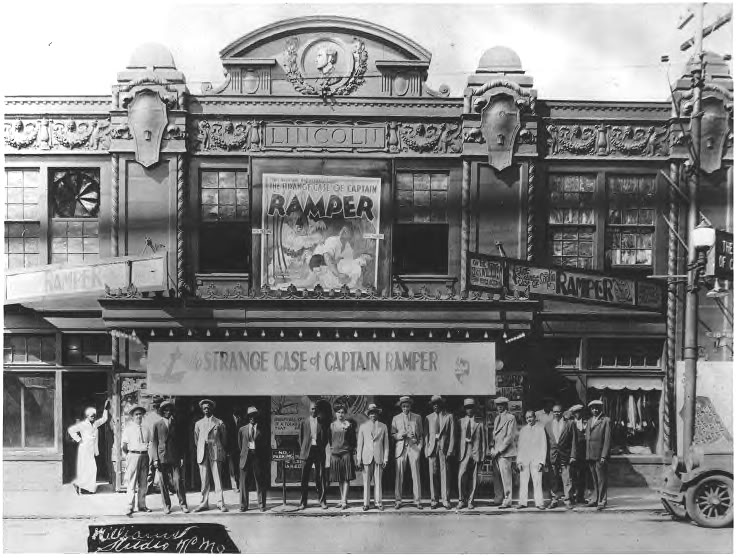
- Jazz and Culture: During this same era, Kansas City Jazz emerged as a distinct, swinging musical style in legendary clubs throughout the 18th and Vine Historic District, launching the careers of icons like Count Basie and Charlie Parker.
- Culinary Heritage: The proliferation of local smokehouses gave rise to world-renowned Kansas City-style barbecue, a celebrated culinary tradition that draws food enthusiasts from across the globe.
Today, exploring the historical timeline of Kansas City reveals a fascinating narrative of endurance, reinvention, and ambition. From its 1838 platting as the Town of Kansas and its 1850 municipal incorporation, the city has evolved from a muddy riverbank trading post into a vibrant cultural capital that proudly honors its storied past.
LifeOutOfTheBox is a participant in the Amazon Services LLC Associates Program, an affiliate advertising program designed to provide a means for sites to earn advertising fees by advertising and linking to Amazon.com. Amazon, the Amazon logo, AmazonSupply, and the AmazonSupply logo are trademarks of Amazon.com, Inc. or its affiliates. As an Amazon Associate we earn affiliate commissions from qualifying purchases.