
The Colorado State Capitol Building, majestically situated in the heart of Denver, stands as an enduring symbol of the state’s rich history, enduring democratic values, and architectural prowess. More than just the seat of government for Colorado, it is a prominent landmark, recognized for its distinctive design, iconic gold dome, and a storied past that echoes through its halls. For residents and visitors alike, the Capitol is a monumental edifice that encapsulates the spirit of the Centennial State, inviting exploration into its art, history, and the very foundations of its governance.
Conceived during a period of rapid growth and optimism in Colorado’s history, the Capitol was designed to be both functional and inspirational, a testament to the state’s ambition and unique character. Its construction utilized materials sourced directly from Colorado, embedding the state’s natural bounty into its very fabric. Over a century after its dedication, it continues to serve its primary purpose while simultaneously functioning as a museum of sorts, where every arch, mural, and step tells a part of Colorado’s narrative. As an architectural masterpiece, a historical repository, and a vibrant center of political life, the Colorado State Capitol Building is an indispensable landmark that beckons closer inspection.

A Beacon of Architecture and Design
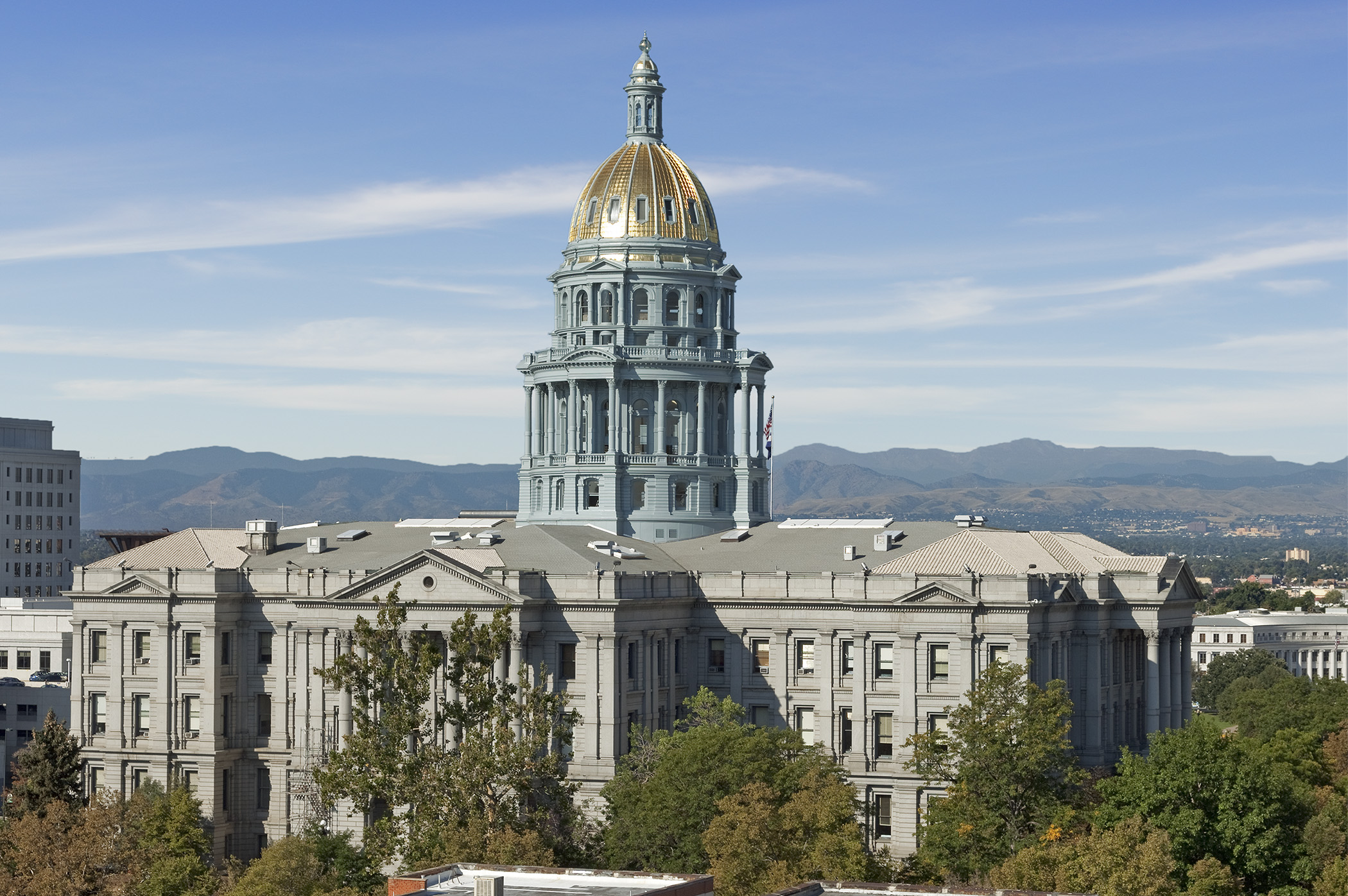
The Colorado State Capitol Building is a quintessential example of 19th-century American Neoclassical architecture, a style favored for public buildings due to its associations with classical antiquity, democracy, and civic virtue. Its grandeur and meticulous detailing make it one of the most distinguished capitol buildings in the United States.
Grandeur in Granite and Gold
The most striking feature of the Colorado State Capitol Building is arguably its resplendent gold dome. This iconic element is plated with 24-karat gold leaf, a nod to Colorado’s rich mining history and its identity as the “Silver State” that also produced immense quantities of gold. The dome was first gilded in 1908 and has been meticulously re-gilded several times since, ensuring its perpetual sparkle visible across the Denver skyline.
The building’s exterior is constructed from light gray Colorado granite, giving it a stoic and imposing presence. This native granite, quarried near Gunnison, was chosen for its durability and aesthetic appeal, reinforcing the connection between the structure and its natural surroundings. Inside, the opulence continues with vast expanses of white Yule Marble from Marble, Colorado. This rare and beautiful marble, also used in the Lincoln Memorial and the Tomb of the Unknown Soldier, lends an unparalleled sense of majesty and permanence to the interior spaces, particularly the grand staircases and the rotunda.
The Vision of Elijah E. Myers
The architectural design of the Colorado State Capitol Building was the brainchild of Elijah E. Myers, a renowned architect responsible for several other state capitols, including the Michigan State Capitol and the Texas State Capitol. Myers’ design for Colorado embraced the popular Neoclassical style, characterized by its symmetry, classical columns, and impressive dome, drawing inspiration from the United States Capitol in Washington D.C.
His vision for the Colorado Capitol was to create a building that conveyed strength, dignity, and accessibility, reflecting the principles of democratic governance. Despite controversies and challenges during its construction, Myers’ enduring design has stood the test of time, becoming a beloved and recognized landmark for the state.
Intricate Details and Symbolism
Beyond the grand scale, the Colorado State Capitol Building is replete with intricate details that infuse it with deep symbolic meaning. Throughout the building, visitors can discover elements that narrate Colorado’s history, natural resources, and pioneering spirit. Stained glass windows depict scenes from the state’s past and present, while various plaques and statues commemorate significant figures and events. The Colorado State Seal is prominently featured, embodying the state motto “Nil Sine Numine” (“Nothing without Providence” or “Nothing without the Deity’s Will”), and integrating symbols like the eye of God, a fasces, and mountains. Every detail, from the grand statues to the smallest decorative motifs, serves to tell the story of Colorado and its people.
A Journey Through Colorado’s History
The Colorado State Capitol Building is not merely a structure of stone and gold; it is a living monument that has witnessed and shaped over a century of Colorado’s history. Its walls hold the echoes of pivotal decisions, spirited debates, and the evolving narrative of the state.
From Cornerstone to Completion
The journey of the Colorado State Capitol Building began with the laying of its cornerstone in 1890. The construction process was arduous, lasting for 18 years and spanning three separate building commissions due to various political and financial challenges. The initial legislative sessions were held in incomplete sections of the building, a testament to the urgency and necessity of a permanent seat of government. Finally, in 1908, the building was officially completed and dedicated, marking a significant milestone for the young state. Its completion symbolized Colorado’s maturity and stability, providing a grand and fitting home for its burgeoning democracy.
Echoes of Governance and Progress
Since its completion, the Colorado State Capitol Building has been the epicenter of Colorado’s political life. It houses the offices of the Governor and Lieutenant Governor, and serves as the meeting place for the Colorado General Assembly, comprising the House of Representatives and the Senate Chambers. Within these chambers, countless laws have been debated, enacted, and repealed, shaping every aspect of life in Colorado, from its pioneering conservation efforts to its modern economic policies.
The building has borne witness to moments of celebration, protest, and profound legislative action. It has been a stage for governors to deliver state addresses, for activists to voice their concerns, and for citizens to engage directly with their elected officials. The legislative processes conducted within its walls reflect the ongoing progress and challenges faced by the state, making the Capitol a dynamic historical site where history is continuously being made.
Preserving the Past, Shaping the Future
As a cherished landmark, the Colorado State Capitol Building has undergone various restoration and preservation projects to maintain its historical integrity while adapting to modern needs. These efforts ensure that its architectural splendor and historical significance are protected for future generations. The building’s status as a listed property on the National Register of Historic Places underscores its importance in the broader context of American heritage. By preserving this magnificent structure, Colorado reaffirms its commitment to its past while looking forward to its future, with the Capitol standing as a constant reminder of its foundational principles.
Unveiling the Interior: A Treasure Trove of Art and Craftsmanship
Stepping inside the Colorado State Capitol Building reveals an interior as captivating as its exterior. It is a harmonious blend of grand spaces, exquisite materials, and compelling artworks that collectively tell the story of Colorado’s journey.
The Grand Rotunda and Staircases
The heart of the Capitol’s interior is its magnificent rotunda, soaring upwards to the base of the dome. Encircling the rotunda are grand staircases made from the luminous white Yule Marble, renowned for its pure white color and crystalline structure. As visitors ascend these steps, they will encounter the famous “mile-high step” on the 15th step of the western staircase, precisely 5,280 feet (one mile) above sea level, a unique marker of Denver’s elevation. The vast open space of the rotunda, illuminated by natural light filtering through the dome’s windows, evokes a sense of awe and reverence, serving as a powerful symbol of civic pride.
Murals and Stained Glass: Stories in Color
The walls of the Capitol are adorned with a remarkable collection of art, primarily murals and stained glass windows, each narrating specific aspects of Colorado’s heritage. Notable among these are the eight murals by Allen Tupper True in the rotunda. These powerful paintings depict the state’s industries and natural resources, showcasing mining, agriculture, livestock, and other vital economic activities that shaped Colorado.
Throughout the building, numerous stained glass windows add vibrant splashes of color and further historical context. These intricate pieces often feature images of prominent historical figures, flora and fauna native to Colorado, and significant events in the state’s development, turning every corridor into a gallery of history and natural beauty.
Legislative Chambers: Where Laws Are Made
The two principal legislative chambers, the House of Representatives and the Senate Chambers, are located on opposite sides of the building. These chambers, while functional, also reflect the Capitol’s overall grandeur, featuring ornate detailing, impressive woodwork, and additional art pieces. They are designed to facilitate public discourse and decision-making, with galleries allowing citizens to observe legislative proceedings firsthand. These rooms are where the legislative engine of Colorado runs, encapsulating the essence of representative democracy.
Experiencing the Colorado State Capitol as a Landmark
Beyond its function as a government building, the Colorado State Capitol Building is an accessible and engaging landmark offering a unique experience for anyone interested in architecture, history, or civic engagement.
Guided Tours and Self-Exploration
The Capitol is open to the public, offering free guided tours that provide insightful details about the building’s history, architecture, and current governmental functions. These tours typically cover the rotunda, legislative chambers, and significant historical rooms, often concluding with a visit to the dome. For those who prefer to explore at their own pace, self-guided visits allow for personal discovery of its many treasures. Public access to this working government building underscores the transparency and accessibility central to Colorado’s democratic traditions.
Panoramic Views from the Dome
A highlight of any visit to the Colorado State Capitol Building is the opportunity to ascend to the observation deck just beneath the gold dome. From this vantage point, visitors are treated to unparalleled panoramic views of Denver’s cityscape, stretching out to the majestic front range of the Rocky Mountains to the west and the vast plains to the east. This breathtaking vista truly captures the geographical diversity and splendor of Colorado, providing a profound sense of place and perspective.
Surrounding Gardens and Monuments
The Capitol building is set within beautifully maintained grounds, featuring expansive lawns, mature trees, and several significant monuments and memorials. These include the Civil War Memorial, commemorating Colorado volunteers, and the Colorado Veterans Monument, honoring those who served in various conflicts. These outdoor elements complement the main structure, providing serene spaces for reflection and further extending the historical narrative beyond the Capitol’s walls. The surrounding area itself becomes part of the landmark experience, inviting visitors to stroll and appreciate the broader civic landscape.

The Capitol’s Enduring Legacy
The Colorado State Capitol Building is far more than just the location of Colorado’s government; it is a foundational landmark that embodies the spirit, history, and future aspirations of the state. Its architectural grandeur, deeply embedded historical narratives, and ongoing role in shaping legislation make it an indispensable site for understanding Colorado’s identity. From its gleaming gold dome to the solemn Yule Marble interiors, every facet of the Capitol speaks to a legacy of resilience, progress, and unwavering commitment to democratic ideals. As such, it remains a powerful and captivating landmark for all who seek to connect with the heart of Colorado.
LifeOutOfTheBox is a participant in the Amazon Services LLC Associates Program, an affiliate advertising program designed to provide a means for sites to earn advertising fees by advertising and linking to Amazon.com. Amazon, the Amazon logo, AmazonSupply, and the AmazonSupply logo are trademarks of Amazon.com, Inc. or its affiliates. As an Amazon Associate we earn affiliate commissions from qualifying purchases.