
Miami, a vibrant metropolis on the southeastern coast of Florida, is a melting pot of cultures, and nowhere is this more evident than in its incredible culinary scene. Beyond its sun-drenched beaches and pulsating nightlife, Miami is a foodie paradise, drawing inspiration from Caribbean, Latin American, and Southern American influences. This dynamic city offers a gastronomic journey that reflects its diverse heritage, from casual street food to upscale dining experiences. If you’re planning a trip to this iconic American destination, understanding its signature dishes and flavors is key to unlocking its true essence.

Miami’s food identity is intrinsically linked to its geographical location and the waves of immigrants who have shaped its character. The proximity to the Caribbean and Latin America has fostered an exchange of ingredients, techniques, and flavors that have become synonymous with the city. This cultural fusion has given rise to a unique cuisine that is both familiar and excitingly new. Whether you are seeking authentic flavors passed down through generations or innovative gastronomic creations, Miami’s food scene is sure to tantalize your taste buds.
This guide will delve into the most iconic foods that Miami is known for, offering a comprehensive overview for travelers and culinary enthusiasts alike. We’ll explore the dishes that define the city, from the breakfast staples that fuel a day of exploration to the savory delights that make for a memorable dinner. Prepare to embark on a flavorful adventure that mirrors the spirit of Miami itself – bold, diverse, and unforgettable.
The Heart of Miami: Cuban Flavors and Influences
When one thinks of Miami’s food, the first and perhaps most dominant influence that comes to mind is Cuban cuisine. The significant Cuban diaspora has deeply ingrained its culinary traditions into the fabric of Miami, creating an authentic experience that rivals that of Havana itself. This influence is not just about specific dishes; it’s about the way food is prepared, shared, and enjoyed, a testament to the warmth and hospitality of its people.
Iconic Cuban Delights
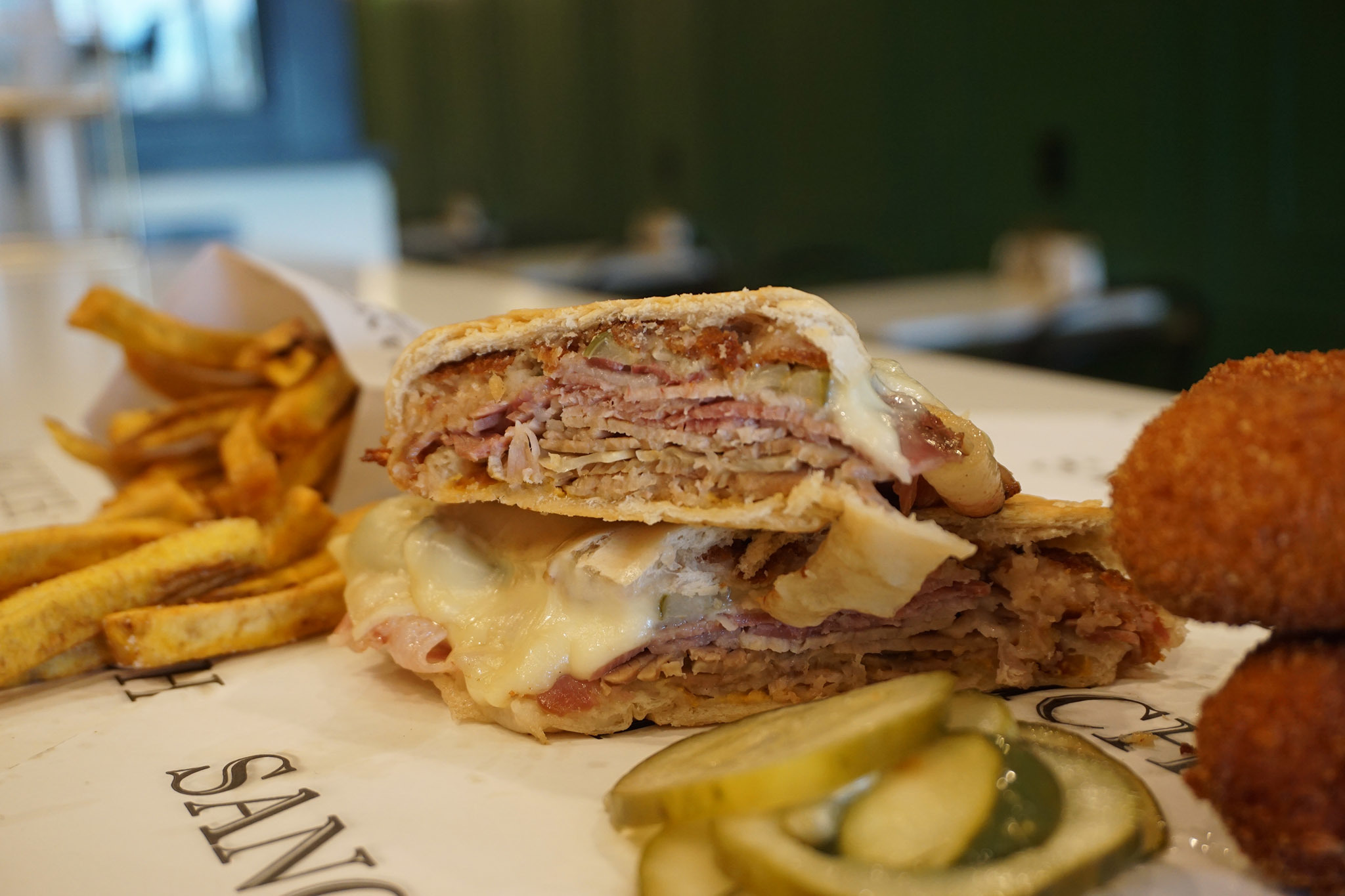
The Cuban Sandwich is undeniably the king of Miami’s culinary landscape. This portable masterpiece is a harmonious blend of slow-roasted pork, ham, Swiss cheese, pickles, and mustard, all pressed between slices of Cuban bread until golden and crispy. The magic lies in the perfect balance of savory meats, the tangy bite of the pickles, and the creamy richness of the cheese, all held together by the slightly sweet and airy Cuban bread. It’s a lunch staple, a quick bite, and a comfort food all rolled into one, found in virtually every corner of the city, from humble cafeterias to bustling restaurants.
Beyond the sandwich, Ropa Vieja is another cornerstone of Miami’s Cuban culinary identity. This dish, which translates to “old clothes” in Spanish, features shredded flank steak slow-cooked in a flavorful tomato-based sauce with onions, bell peppers, and spices. It’s typically served with white rice, black beans, and sweet plantains, creating a complete and deeply satisfying meal that speaks of home-cooked comfort and generations of culinary tradition. The tender, flavorful beef, combined with the aromatic vegetables and accompanying sides, makes Ropa Vieja a must-try for anyone wanting to experience authentic Cuban flavors in Miami.
No Cuban meal is complete without a taste of Medianoche, a close cousin to the Cuban Sandwich, but made on a softer, sweeter egg-based bread. Similar in its fillings, the Medianoche offers a slightly different texture and flavor profile, often enjoyed as a late-night snack or a sweet treat.
The ubiquitous Café Cubano, or Cuban coffee, is another integral part of the Miami food experience. This strong, sweet espresso is made by whipping a small amount of sugar with the first few drops of hot coffee, creating a frothy, intense shot of pure energy. It’s the perfect accompaniment to any Cuban meal or a delightful pick-me-up any time of day, often enjoyed standing at a counter in a traditional Cuban cafeteria.
Mojo, a vibrant marinade made from garlic, olive oil, citrus juices (often sour orange), and herbs, is fundamental to many Cuban dishes. It’s used to tenderize and flavor meats, particularly pork and chicken, infusing them with a distinct garlicky and tangy essence that is unmistakably Cuban.
Exploring Cuban Neighborhoods
To truly immerse yourself in Miami’s Cuban food scene, a visit to Little Havana is essential. This vibrant neighborhood is the heart and soul of Cuban culture in the city, with its colorful streets, lively music, and, of course, its incredible food establishments. Here, you can find authentic Cuban bakeries, “ventanitas” (coffee windows) serving Café Cubano, and family-run restaurants offering a true taste of Cuba. Walking through Calle Ocho (SW 8th Street) is an experience in itself, with its domino players, cigar shops, and the irresistible aroma of freshly prepared Cuban delicacies wafting from every doorway.
A Culinary Tapestry: Beyond Cuban, Embracing Latin American and Caribbean Flavors
While Cuban cuisine holds a special place in Miami’s heart, the city’s culinary landscape is much broader, enriched by a diverse array of Latin American and Caribbean influences. These interwoven threads create a vibrant tapestry of flavors, each adding its unique hue to Miami’s gastronomic palette.
The Vibrant Flavors of the Caribbean
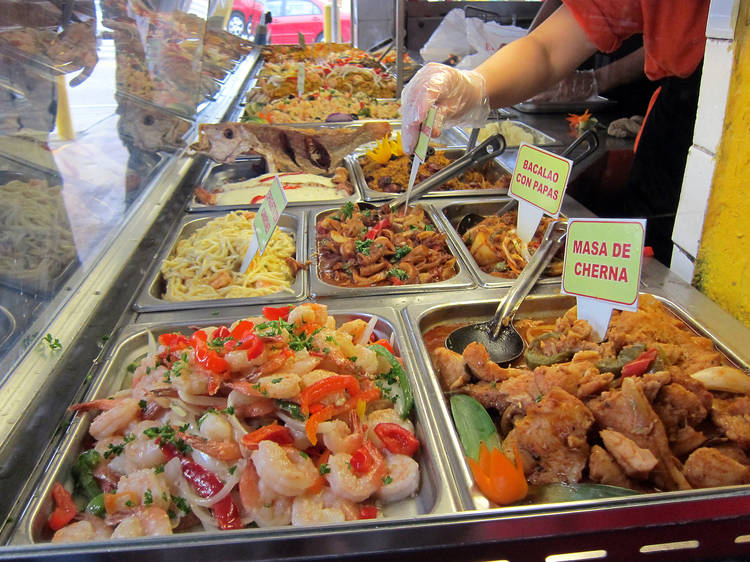
From the islands just a short flight away, Miami has embraced the bold and diverse flavors of Caribbean cuisine. Jerk chicken, originating from Jamaica, is a prime example, with its fiery blend of Scotch bonnet peppers, allspice, thyme, and other spices creating a smoky, spicy, and incredibly flavorful dish. You’ll find authentic jerk chicken cooked in traditional outdoor pits, filling the air with its tantalizing aroma.
The Bahamas contribute their fresh seafood, with conch fritters being a particular favorite. These golden-brown delights, made from chopped conch meat mixed with spices and fried to a crispy perfection, are a testament to the ocean’s bounty. Served with a tangy dipping sauce, they offer a delightful taste of island life.
Haitian cuisine also plays a significant role, often characterized by its rich, complex flavors and hearty stews. Griot, marinated and fried pork shoulder, is a popular and deeply satisfying dish, often served with “diri djon djon” (black mushroom rice) and plantains. The influence of French and African culinary traditions is evident in the intricate spice blends and slow-cooking methods.
Latin American Inspirations
Beyond Cuba, other Latin American countries have left their culinary mark on Miami. Peruvian cuisine, renowned for its fusion of indigenous, Spanish, Japanese, and Chinese influences, is celebrated for its fresh ceviche, a dish of marinated raw fish cured in citrus juices, and its flavorful Lomo Saltado, a stir-fry of beef, onions, tomatoes, and french fries.
Colombian and Venezuelan influences are evident in dishes like arepas, versatile cornmeal pockets that can be filled with a variety of ingredients, from savory shredded beef and cheese to sweet plantains. Bandeja Paisa, a hearty Colombian platter, is a true feast, typically featuring beans, rice, ground meat, plantain, chorizo, and a fried egg.
The use of ingredients like plantains (maduros and tostones), yucca, black beans, rice, and a variety of tropical fruits is common across these diverse cuisines, creating a delicious and recognizable thread that runs through Miami’s food scene.
Sweet Endings and Savory Staples: Miami’s Must-Try Treats and Everyday Eats
Miami’s culinary identity isn’t solely defined by grand meals; it’s also about the simple pleasures and the everyday staples that form the rhythm of its food culture. From decadent desserts to refreshing beverages and satisfying snacks, there’s always something to discover.
Indulgent Desserts and Refreshing Drinks
For those with a sweet tooth, Key Lime Pie is a classic Florida dessert that has found a beloved home in Miami. This tart and creamy pie, made with the juice of tiny, potent Key limes, is a refreshing and iconic treat. Its bright citrus flavor is a perfect counterpoint to the rich, sweet filling and buttery graham cracker crust.
Another popular sweet treat is flan, a creamy custard dessert often flavored with caramel. Its smooth texture and delicate sweetness make it a delightful ending to any meal, reflecting the widespread influence of Spanish and Latin American culinary traditions.
When it comes to beverages, beyond the essential Café Cubano, guava pastelitos (guava pastries) are a ubiquitous and delightful breakfast or snack item, combining flaky pastry with sweet guava paste. For a taste of the tropics, fresh fruit juices and smoothies made from mango, papaya, and other exotic fruits are widely available and incredibly refreshing.
Everyday Eats and Street Food Culture
Miami’s food scene also thrives on its casual, everyday eats. Empanadas, savory pastries filled with meat, cheese, or vegetables, are a popular snack or light meal, with regional variations offering a diverse range of flavors.
The influence of South Florida itself is also present, with a fondness for fresh seafood, often prepared with a Southern twist. Think of grilled fish tacos, shrimp and grits with a Caribbean flair, or fresh catches served with tropical salsas.
The city’s vibrant street food culture is a testament to its accessibility and affordability, offering a delicious way to sample local flavors. From food trucks serving up diverse cuisines to small stands offering authentic ethnic specialties, exploring the street food scene is an adventure in itself.
Miami’s culinary landscape is a dynamic and ever-evolving reflection of its people and history. From the rich, savory traditions of Cuban cuisine to the vibrant spices of the Caribbean and the diverse offerings of Latin America, the city provides an unparalleled gastronomic experience. Whether you’re a seasoned foodie or a curious traveler, exploring the diverse flavors of Miami is an essential part of any visit, promising a journey that is as exciting and unforgettable as the city itself.
LifeOutOfTheBox is a participant in the Amazon Services LLC Associates Program, an affiliate advertising program designed to provide a means for sites to earn advertising fees by advertising and linking to Amazon.com. Amazon, the Amazon logo, AmazonSupply, and the AmazonSupply logo are trademarks of Amazon.com, Inc. or its affiliates. As an Amazon Associate we earn affiliate commissions from qualifying purchases.