
The state flag of California, famously known as the “Bear Flag”, is far more than just a piece of fabric; it is a profound symbol of the Golden State’s rich history, pioneering spirit, and unique cultural identity. For any visitor exploring the diverse landscapes and vibrant communities from San Diego to Redwood National Park, understanding the Bear Flag offers an immediate connection to the local culture, providing insight into the pride and legacy that define California. Its design, steeped in historical narrative, tells a story of independence, resilience, and the untamed wilderness that once characterized this expansive region.

Unveiling the Bear Flag: Design and Immediate Recognition
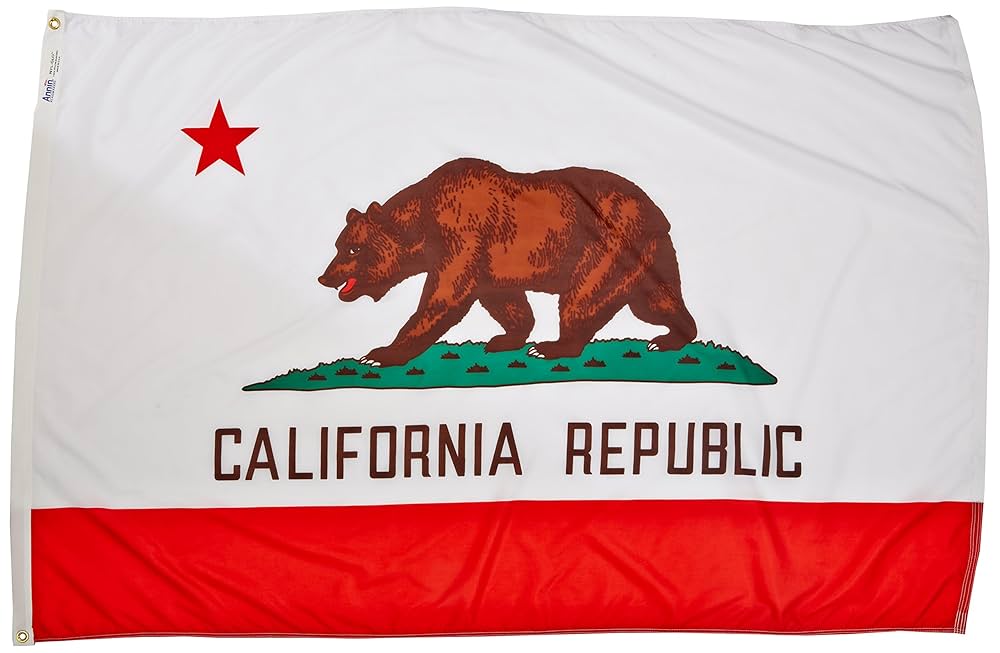
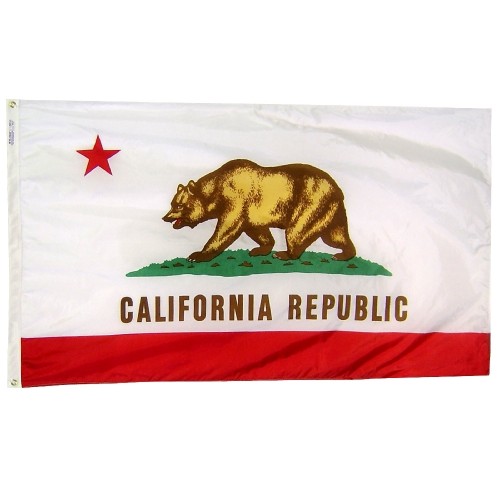
At a glance, the California state flag presents a striking and easily recognizable image. Its design is both simple and powerful, featuring a white field, a red stripe along the bottom, a grizzly bear, and a lone red star. Each element is deliberate, carrying significant meaning derived from pivotal moments in the state’s formation. For tourism, this flag serves as an instant visual shorthand for California, adorning everything from historical markers to contemporary merchandise, making it an indispensable part of the state’s visual brand.
The Iconic Grizzly Bear and Lone Star
The central figure of the flag is a magnificent grizzly bear, depicted walking towards the left on a patch of green grass. This specific bear is said to be “Monarch,” a famous grizzly captured in 1889 by newspaper publisher William Randolph Hearst and later housed in San Francisco’s Golden Gate Park. The grizzly bear was chosen to represent the strength and independence of the state, as these formidable animals were once abundant throughout California. While the last wild California grizzly was seen in 1924, its image on the flag serves as a potent reminder of the state’s wild heritage and its connection to nature.
Above the bear, a single red star shines brightly. This star is a tribute to the “Lone Star” of the California Republic, symbolizing freedom and sovereignty. It harks back to the brief period of independence declared by American settlers prior to California’s annexation by the United States. This element reinforces the narrative of California as a land that has consistently striven for self-determination.
The Crimson Stripe and White Field
Completing the design are the two main color fields. The large white field signifies purity, peace, and the snowy peaks of the Sierra Nevada mountains, a natural landmark that has played a crucial role in California’s development. This expansive white backdrop provides a clean canvas that allows the central figures to stand out prominently.
Along the bottom edge of the flag runs a wide crimson stripe. This vibrant red band symbolizes courage, sacrifice, and the bloodshed endured during the fight for independence. It also subtly echoes the red of the United States flag, subtly tying California’s specific history into the broader American narrative. Below the grizzly bear, the words “CALIFORNIA REPUBLIC” are emblazoned in capital letters, explicitly stating the historical context and foundational ethos behind the flag’s creation.
A Legacy Forged in Revolution: The History of the Bear Flag
The story of the Bear Flag is intimately woven with the tumultuous period of California’s transition from Mexican territory to American statehood. Understanding this history is crucial for any visitor seeking to grasp the depth of California’s cultural roots and the significance of its symbols.
From Rebellion to Statehood
The original “Bear Flag” was first raised on June 14, 1846, in Sonoma by a group of American settlers who had revolted against Mexican rule. This event, known as the Bear Flag Revolt, led to the declaration of the short-lived California Republic. The settlers, many of whom were frontiersmen, were concerned about their land rights under Mexican law and were encouraged by the presence of American military explorer John C. Fremont.
The very first flag was crudely fashioned from a white piece of fabric, stained with blackberry juice for the red stripe, and painted with an image of a bear and a star. Its creators, including William L. Todd, a nephew of Mary Todd Lincoln, aimed to create a distinctive banner that clearly signaled their aspirations for independence. This improvised flag flew for only 25 days before California was claimed by the United States during the Mexican-American War. Despite its brief lifespan, the emblem of the “Bear Flag” resonated deeply with the populace and quickly became a powerful symbol of California pride and autonomy.
Formal Adoption and Evolution
Even after California officially became the 31st state of the United States on September 9, 1850, the “Bear Flag” persisted in public imagination and local usage. Various versions were created and displayed over the decades, often differing in the depiction of the bear or the exact shade of red. It wasn’t until 1911 that the California State Legislature officially adopted a standardized design for the state flag, based on the historical “Bear Flag” concept.
The 1911 statute precisely defined the flag’s dimensions, colors, and the artistic rendition of the bear, ensuring uniformity. Subsequent refinements in 1953 by legislative action, particularly regarding the specific proportions and the artistic rendering of the bear based on a watercolor by Don Perceval, further cemented its current, iconic form. This process of formalization underscores the enduring importance of the flag to the identity of California, transforming a symbol of rebellion into an official emblem of state pride and heritage.
More Than Fabric: The Cultural Significance for Visitors
For visitors to California, recognizing and understanding the “Bear Flag” enriches their experience by connecting them to the very soul of the state. It’s a key to unlocking a deeper appreciation of the local culture, its historical sites, and the spirit of its people.
Reflecting California’s Spirit
The “Bear Flag” symbolizes many qualities that still resonate with the image of California today: independence, innovation, and a pioneering spirit. From the gold rush prospectors who sought their fortune in the Sierra Nevada to the tech innovators of Silicon Valley, the desire for opportunity and a new beginning has always been a defining characteristic of California. The flag encapsulates this forward-looking yet resilient ethos. When a visitor sees the flag, whether flying proudly over the State Capitol in Sacramento or printed on a local artisan’s craft, they are witnessing a direct representation of this enduring spirit.
Where to See and Learn More
Tourism in California offers numerous opportunities to encounter the flag and delve deeper into its history. Historical parks like Sonoma State Historic Park, where the original Bear Flag Revolt took place, are prime locations to connect with this legacy. Museums across the state, such as the California State Archives and the California State Capitol Museum in Sacramento, often feature exhibits dedicated to the flag’s origins and evolution, displaying historical artifacts and recounting the stories of the individuals involved. Even in smaller towns, local historical societies proudly display replicas and tell the flag’s story, reinforcing its significance within community identity.
The California Flag in Modern Tourism
Beyond its historical and cultural weight, the “Bear Flag” plays a crucial role in modern California tourism. It’s a ubiquitous symbol that helps create a cohesive sense of place for visitors, enhancing their overall experience and fostering a deeper appreciation for the state’s unique character.
Branding and Souvenirs
The iconic design of the “Bear Flag” makes it an excellent branding tool. It is widely used in promotional materials for the state, from “Visit California” campaigns to local chambers of commerce. For tourists, the flag’s imagery is instantly recognizable and highly desirable on souvenirs. T-shirts, hats, magnets, postcards, and other memorabilia featuring the grizzly bear and star are popular items, allowing visitors to take a piece of California home with them. These items serve not only as mementos but also as tangible expressions of the state’s cultural appeal, helping to spread its image globally.
Festivals and Civic Pride
Throughout the year, especially on historical dates such as June 14, “Bear Flag Day“, the flag is prominently displayed during civic celebrations and local festivals. These events provide a vibrant opportunity for visitors to witness firsthand the pride that Californians feel for their state and its heritage. Parades, reenactments, and historical lectures often center around the events of the Bear Flag Revolt and the subsequent formation of the state. Engaging in these community events allows tourists to immerse themselves in the local culture, experiencing the flag not just as a static symbol but as a living emblem of collective memory and identity. Understanding “What Is The State Flag Of California?” therefore becomes an essential part of appreciating the dynamic and multifaceted cultural tapestry of this remarkable American state.
LifeOutOfTheBox is a participant in the Amazon Services LLC Associates Program, an affiliate advertising program designed to provide a means for sites to earn advertising fees by advertising and linking to Amazon.com. Amazon, the Amazon logo, AmazonSupply, and the AmazonSupply logo are trademarks of Amazon.com, Inc. or its affiliates. As an Amazon Associate we earn affiliate commissions from qualifying purchases.