
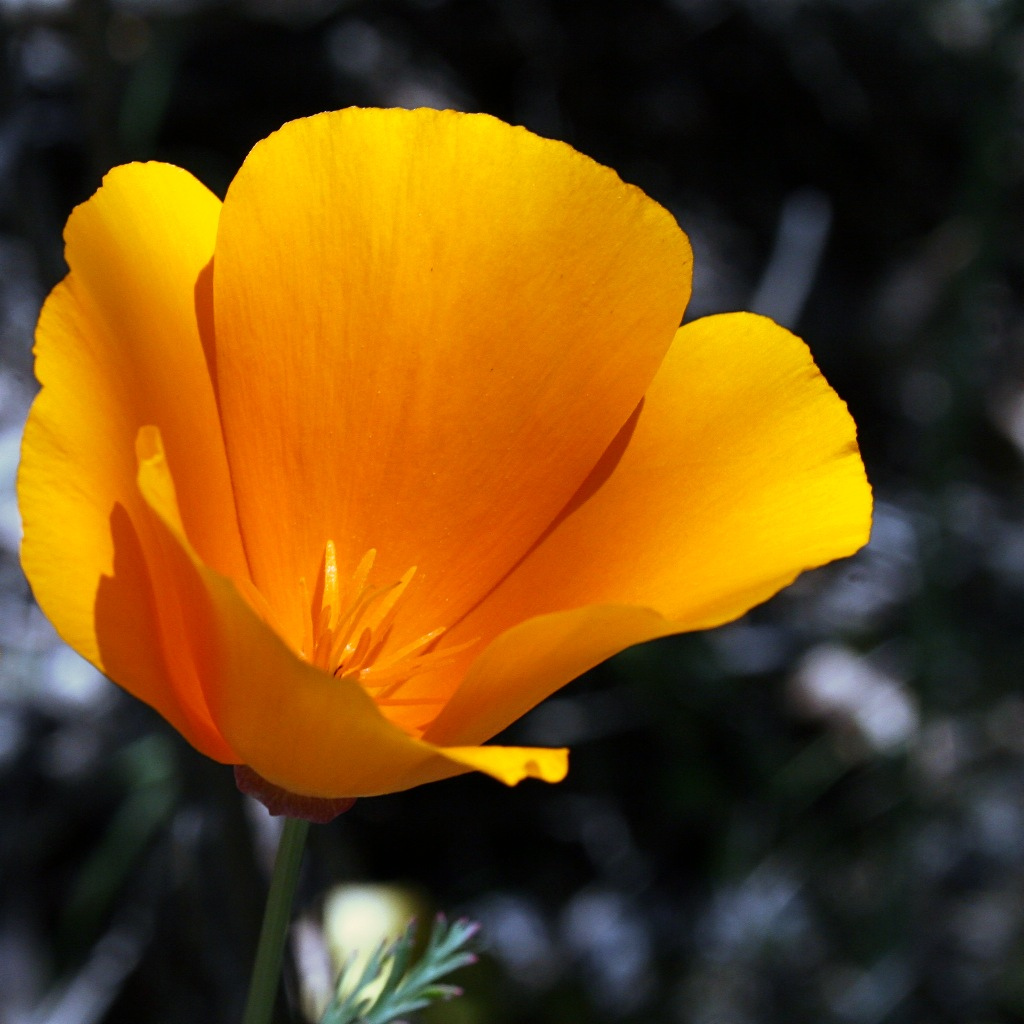
Nestled within the vibrant tapestry of California‘s diverse landscapes, from its sun-drenched coastlines to its majestic mountains and arid deserts, lies a floral emblem that perfectly encapsulates the spirit of the Golden State. The official state flower, a beacon of resilience and natural beauty, is none other than the magnificent California Poppy (Eschscholzia californica). Its brilliant orange petals, often carpeting hillsides in a breathtaking display, are a sight that beckons travelers from around the globe, offering an unforgettable experience for those seeking to immerse themselves in the state’s natural wonders.
This iconic flower is more than just a pretty bloom; it’s a profound symbol deeply woven into the fabric of California’s identity. For visitors planning their next adventure, understanding the significance of the California Poppy can enrich their travel experience, guiding them to some of the most spectacular natural attractions and offering insights into the local culture and history. From planning your accommodation in charming towns near prime viewing spots to discovering the best times for a “superbloom” adventure, the poppy provides a golden thread connecting nature, tourism, and an unforgettable lifestyle.
The Golden Heart of the Golden State: Embracing the California Poppy
The California Poppy was officially designated as the state flower on March 2, 1903, a testament to its widespread beauty and enduring presence across the state. This designation solidified its status as a cherished landmark in the botanical world, recognized for its striking visual appeal and its ability to thrive in various Californian ecosystems. Its vibrant hue, reminiscent of gold, naturally ties into the state’s famous gold rush history, further cementing its symbolic importance.
A Symbol of Resilience and Beauty
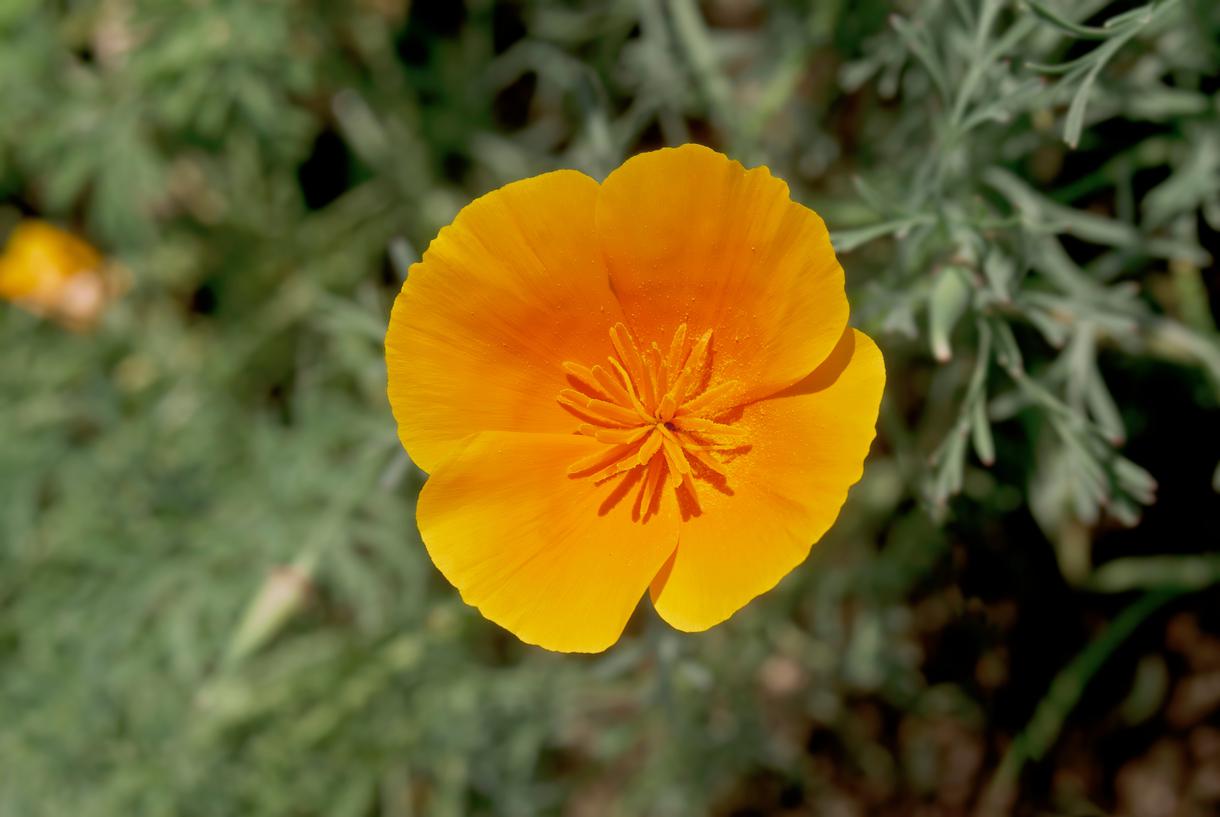
The beauty of the California Poppy is undeniable. Its cup-shaped flowers, ranging from deep orange to yellow, open with the morning sun and gracefully close in the evening or on cloudy days, a fascinating characteristic that adds to its allure. This daily ritual reflects a delicate interaction with its environment, allowing it to conserve moisture and protect its pollen. The delicate appearance of the poppy belies its incredible resilience; it flourishes in diverse conditions, from the coastal regions to the inland valleys and arid deserts, often being one of the first plants to emerge after winter rains.
This resilience makes the poppy a fitting emblem for California itself, a state that has continually reinvented itself and adapted to challenges. For travelers, encountering vast fields of these blossoms offers not just a visual spectacle but a powerful reminder of nature’s enduring strength and beauty. It’s a prime example of how natural attractions can inspire and invigorate the human spirit, making it a must-see destination for anyone exploring the state.
The Poppy’s Place in Californian History and Culture
The California Poppy’s story in California dates back centuries. Native American tribes utilized the plant for both food and medicine, recognizing its practical value long before European settlers arrived. Its seeds were consumed, and various parts of the plant were used for pain relief and other medicinal purposes. When Spanish explorers first arrived, they were captivated by the sight of golden hillsides. It is said that Father Juan Crespi, a member of the Portolá expedition in 1769, was among the first Europeans to describe the immense fields of poppies, referring to the area as “the land of fire” due to their brilliant color.
This historical connection enriches the tourism experience. Visitors are not just viewing a flower; they are stepping into a legacy that spans generations, connecting with the land’s original inhabitants and early explorers. The poppy has since inspired countless artists, poets, and writers, becoming a staple in California art and literature, and a beloved symbol that evokes feelings of home, warmth, and the adventurous spirit of the American West. Understanding this cultural depth transforms a simple viewing into a profound engagement with Californian heritage.
Chasing the Superbloom: Prime Destinations for Poppy Viewing
One of the most anticipated natural phenomena in California is the “superbloom,” an extraordinary explosion of wildflowers that occurs when exceptional rainfall follows a period of drought, creating conditions perfect for dormant seeds to sprout en masse. While superblooms are not guaranteed every year, a good spring season almost always delivers impressive poppy displays, making California a premier destination for nature lovers and photographers.
The Iconic Antelope Valley California Poppy Reserve
For those truly dedicated to witnessing the California Poppy in its full glory, the Antelope Valley California Poppy Reserve is an absolute must-visit. Located near Lancaster in northern Los Angeles County, this 1,700-acre state natural reserve is specifically dedicated to the preservation of the poppy and other native wildflowers. It boasts miles of scenic walking trails that meander through rolling hills, offering unobstructed views of vast poppy fields.
The reserve provides excellent facilities, including a visitor center that offers educational exhibits about the poppy and the unique ecosystem of the Antelope Valley. This makes it an ideal spot for family trips, as children can learn about environmental conservation while enjoying the breathtaking scenery. Photography enthusiasts will find endless opportunities to capture stunning shots, but visitors are respectfully reminded to stay on marked trails to protect the delicate flora. The reserve’s commitment to conservation exemplifies responsible tourism and ensures that these natural wonders can be enjoyed for generations to come.

Discovering Poppies Beyond the Reserve
While the Antelope Valley California Poppy Reserve is the most famous, several other locations across California offer magnificent poppy viewing opportunities, each with its unique charm and landscape:
- Carrizo Plain National Monument: Located in the San Joaquin Valley, this vast expanse of grassland is often hailed as one of the best places to witness a superbloom. Its remote nature means fewer crowds, offering a more serene and immersive experience. The monument is also home to diverse wildlife, adding another layer of attraction for nature enthusiasts.
- Anza-Borrego Desert State Park: In the Colorado Desert of southern California, this park is renowned for its desert wildflowers, including poppies, which bloom prolifically after significant winter rains. The striking contrast of vibrant colors against the rugged desert landscape creates a truly dramatic scene.
- Lake Elsinore: In recent years, particularly during the 2019 superbloom, the hills around Lake Elsinore transformed into an orange spectacle, drawing massive crowds. While access and regulations may vary year to year to manage visitor impact, it remains a potentially incredible viewing spot.
- Chico and Northern California: Further north, around areas like Chico, poppies can be found scattered across fields and along roadsides, particularly in the foothills. While not always in dense superblooms, these sightings offer delightful surprises on a scenic drive.
- Mojave Desert and Death Valley National Park: Even in these seemingly barren landscapes, after exceptionally rare rainfall, poppies and other wildflowers can briefly transform the desert floor into a colorful carpet, offering a truly unique and ephemeral experience.
Exploring these various locations allows travelers to customize their poppy-chasing adventure, whether they prefer the structured environment of a reserve or the wild, untamed beauty of a national monument. Each offers distinct perspectives on the California Poppy’s versatility and the state’s diverse ecological wonders.
Timing Your Visit for Optimal Splendor
The prime viewing season for the California Poppy typically spans from late March through May. However, the exact timing and intensity of the bloom are highly dependent on rainfall patterns and temperature. A wet winter followed by mild spring temperatures usually signals a spectacular display.
To maximize your chances of witnessing a superbloom or even just a healthy bloom, it’s advisable to check wildflower reports and park websites in the weeks leading up to your planned trip. Resources like the Antelope Valley California Poppy Reserve’s official site or regional tourism boards often provide up-to-date information on bloom conditions. Flexibility in travel dates can also be beneficial, allowing you to adjust your itinerary based on the latest reports. Early morning or late afternoon visits are often recommended for the best light for photography and to avoid the midday heat, especially in desert regions.
Crafting Your Poppy Adventure: Travel and Accommodation Insights
Embarking on a journey to witness California’s state flower in bloom is an exciting prospect that requires careful planning, especially regarding accommodation and itinerary. Integrating your poppy viewing with other attractions can create a comprehensive and memorable California experience, catering to various lifestyle preferences, from luxury travel to more budget-friendly options.
Where to Stay: Hotels and Resorts Near Poppy Fields
The choice of hotels and accommodation can significantly enhance your poppy adventure. Depending on which viewing location you choose, there are several options:
- Near Antelope Valley California Poppy Reserve: The city of Lancaster offers a range of chain hotels and motels that are convenient for early morning visits. For those seeking a more upscale experience, exploring nearby Santa Clarita or even driving from Los Angeles for a day trip might be preferable. Palmdale also provides good options.
- For Carrizo Plain National Monument: Given its remote nature, options are more limited. Nearby towns like Bakersfield, Santa Margarita, or San Luis Obispo offer a wider selection of hotels, from cozy boutique hotels to larger resorts. Camping within the monument is also a popular, immersive choice for those who enjoy the outdoors.
- Around Anza-Borrego Desert State Park: The small town of Borrego Springs within the park offers unique resorts, vacation rentals, and motels, allowing visitors to stay right in the heart of the desert. Further afield, cities like San Diego are a few hours’ drive, offering a vast array of luxury and budget accommodation options.
- Other Locations: If you’re exploring poppies near Lake Elsinore, cities in Orange County or Temecula offer excellent choices. For wildflowers near Chico, the city itself has various hotels and quaint inns. Even if you’re primarily visiting major hubs like San Francisco or Sacramento, incorporating a day trip to a poppy viewing area can be a rewarding addition to your travel itinerary.
When booking your accommodation, consider the timing of your visit. During peak bloom season or a superbloom, demand for hotels and campgrounds can be high, so early booking is highly recommended. Utilizing accommodation booking platforms and review sites on lifeoutofthebox.com can help you compare options and find the best fit for your lifestyle and budget.
Planning Your Itinerary: Beyond the Blooms
While the California Poppy is undoubtedly a star attraction, a trip to see the blooms can be seamlessly integrated into a broader Californian adventure. Many poppy viewing areas are within a reasonable drive of other notable landmarks and attractions:
- Desert Exploration: If visiting Anza-Borrego Desert State Park, extend your trip to include Joshua Tree National Park or even the vast Mojave Desert, offering contrasting desert landscapes and unique flora and fauna. Palm Springs, with its mid-century modern architecture and vibrant arts scene, is also a short drive away.
- Coastal Drives: Combine a visit to a poppy field with a scenic drive along the Pacific Coast Highway, exploring charming coastal towns like Santa Barbara or the dramatic cliffs of Big Sur.
- Wine Country Retreats: For those visiting northern California poppy areas, consider a detour to Napa Valley or Sonoma for world-class wine tasting and culinary experiences.
- National Parks: California is home to an incredible array of national parks. Depending on your poppy destination, you could easily combine it with visits to Sequoia National Park, Yosemite National Park, or Channel Islands National Park, each offering distinct natural beauty and outdoor activities.
- Urban Adventures: Many poppy fields are close enough to major cities like Los Angeles or San Diego to be enjoyed as day trips, allowing you to blend natural exploration with urban sightseeing, dining, and cultural attractions. For instance, a morning at the Antelope Valley California Poppy Reserve could be followed by an evening in Santa Monica.
Planning a diverse itinerary not only enriches your travel but also helps distribute tourism traffic, contributing to more sustainable practices. Consider purchasing a California State Parks Pass if you plan to visit multiple state parks, offering both convenience and value.
Respecting Nature: Sustainable Tourism Practices
The surging popularity of wildflower superblooms has highlighted the critical importance of sustainable tourism and responsible visitor behavior. To preserve the fragile ecosystems where poppies thrive, all visitors are urged to adhere to “Leave No Trace” principles:
- Stay on Marked Trails: This is paramount. Wandering off trails can crush delicate plants, damage their root systems, and compact the soil, hindering future growth.
- Do Not Pick Flowers: It is illegal to pick the California Poppy within state parks and reserves. Even in other areas, picking them prevents them from going to seed, reducing future blooms. Take only photographs, leave only footprints.
- Pack It In, Pack It Out: Carry out all trash, including organic waste like fruit peels, which can attract wildlife and alter ecosystems.
- Observe Wildlife from a Distance: Poppy fields are home to many creatures. Give them space and do not disturb their natural behavior.
- Research Before You Go: Check park regulations and current conditions. Some areas may have restrictions on parking or access during peak bloom to manage crowds.
By following these guidelines, travelers ensure that the breathtaking beauty of the California Poppy can be enjoyed by future generations, making their visit not just an experience, but an act of stewardship.
The Enduring Legacy of California’s State Flower
The California Poppy stands as a vibrant testament to the natural splendor of the United States and particularly the Golden State. Its journey from a common wildflower to a cherished state emblem reflects a deep appreciation for nature’s gifts and a commitment to preserving California’s unique ecological heritage. As travelers continue to seek out authentic experiences and awe-inspiring landmarks, the poppy fields of California will undoubtedly remain a top draw.
Conservation Efforts and the Future of the Poppy
The widespread admiration for the California Poppy has spurred significant conservation efforts. Organizations and state parks, such as the Antelope Valley California Poppy Reserve, work tirelessly to protect these delicate habitats from encroaching development, climate change impacts, and excessive tourism. Education plays a crucial role, informing visitors about the importance of respecting the natural environment and encouraging responsible exploration.
The future of the California Poppy and its spectacular blooms hinges on these ongoing efforts and the collective consciousness of its admirers. By supporting state parks, adhering to guidelines, and promoting sustainable travel practices, every visitor contributes to the long-term survival of this golden icon. This commitment ensures that the dream of witnessing a California superbloom will continue to inspire and delight for generations to come.
Capturing the Magic: Photography and Memories
For many, the ultimate goal of a poppy adventure is to capture its ephemeral beauty through photography. The warm, golden hour light of early morning or late afternoon provides ideal conditions for stunning images, highlighting the poppy’s vibrant colors and the gentle contours of the landscape. Remember to bring a wide-angle lens to capture the expansive fields and a macro lens for close-ups of individual blooms.
More importantly than photographs, however, are the memories created. The feeling of standing amidst a sea of orange, the gentle rustle of petals in the breeze, and the vibrant colors against the blue California sky create an indelible impression. This immersive experience, a true embodiment of the Californian lifestyle, is what makes the California Poppy not just a state flower, but a profound and captivating reason to travel and explore the wonders of the Golden State. Whether you stay in luxury resorts or budget-friendly motels, the magic of the poppy is free for all to experience and cherish.