
California, often celebrated as the Golden State, beckons with its diverse landscapes, innovative industries, and vibrant cultural tapestry. From the sun-drenched beaches of San Diego to the tech hubs of Silicon Valley and the entertainment capital of Los Angeles, millions call this state home or conduct business within its borders. While the allure is undeniable, understanding the financial landscape, particularly the state income tax, is paramount for anyone planning to reside, work, or invest in California. As a state known for its progressive policies and substantial public services, California’s tax system can be complex, often standing out in comparison to other states within the United States. This guide aims to demystify the intricacies of California’s state income tax, offering insights for residents, potential movers, and business owners alike, ensuring a clearer picture of the financial commitments involved in embracing the California lifestyle. A comprehensive understanding of these fiscal realities is a crucial step in effective financial planning and making informed decisions, whether you’re considering a permanent move, a long-term business venture, or simply evaluating the cost of living for an extended stay in this dynamic region.
The Progressive Nature of California’s Income Tax System
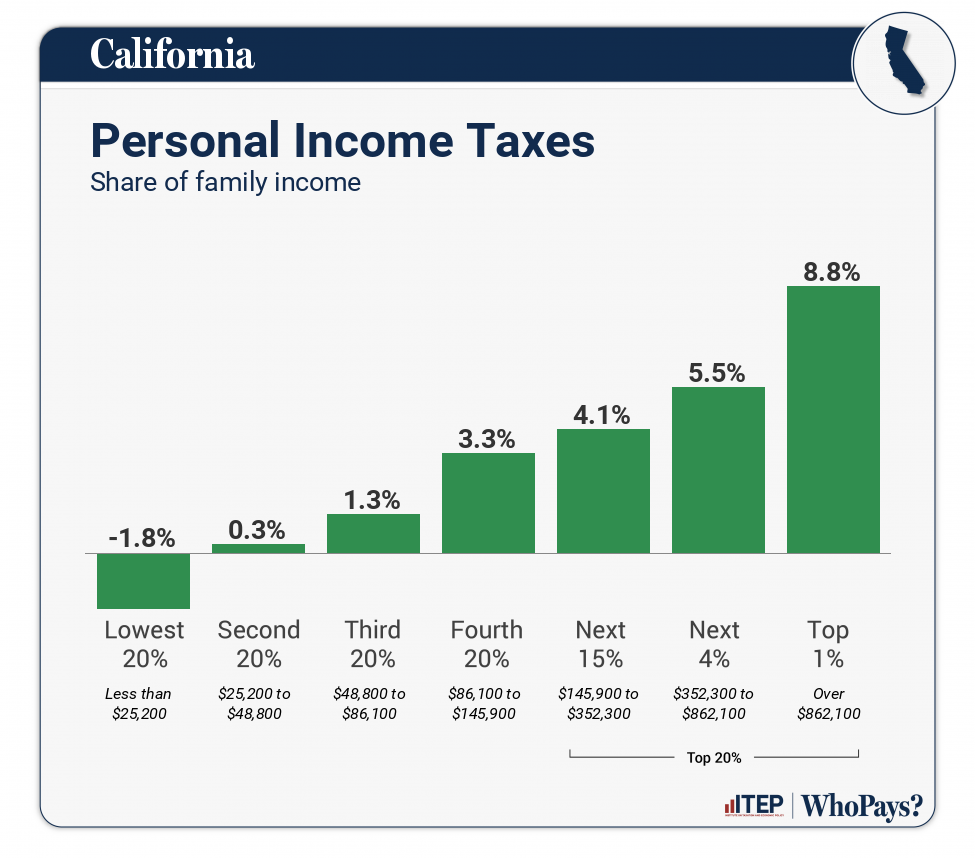
California operates one of the most progressive state income tax systems in the United States, meaning that individuals with higher incomes pay a larger percentage of their earnings in taxes. This approach is designed to fund the state’s extensive public services and infrastructure, ranging from education and healthcare to environmental protection and transportation projects. For anyone contemplating a move or a significant financial undertaking in California, grasping this fundamental aspect is the first step toward informed financial planning. The state’s commitment to a progressive tax structure profoundly influences the economic environment and the disposable income of its residents, making it a critical consideration for lifestyle choices within the state.
Understanding Tax Brackets and Rates
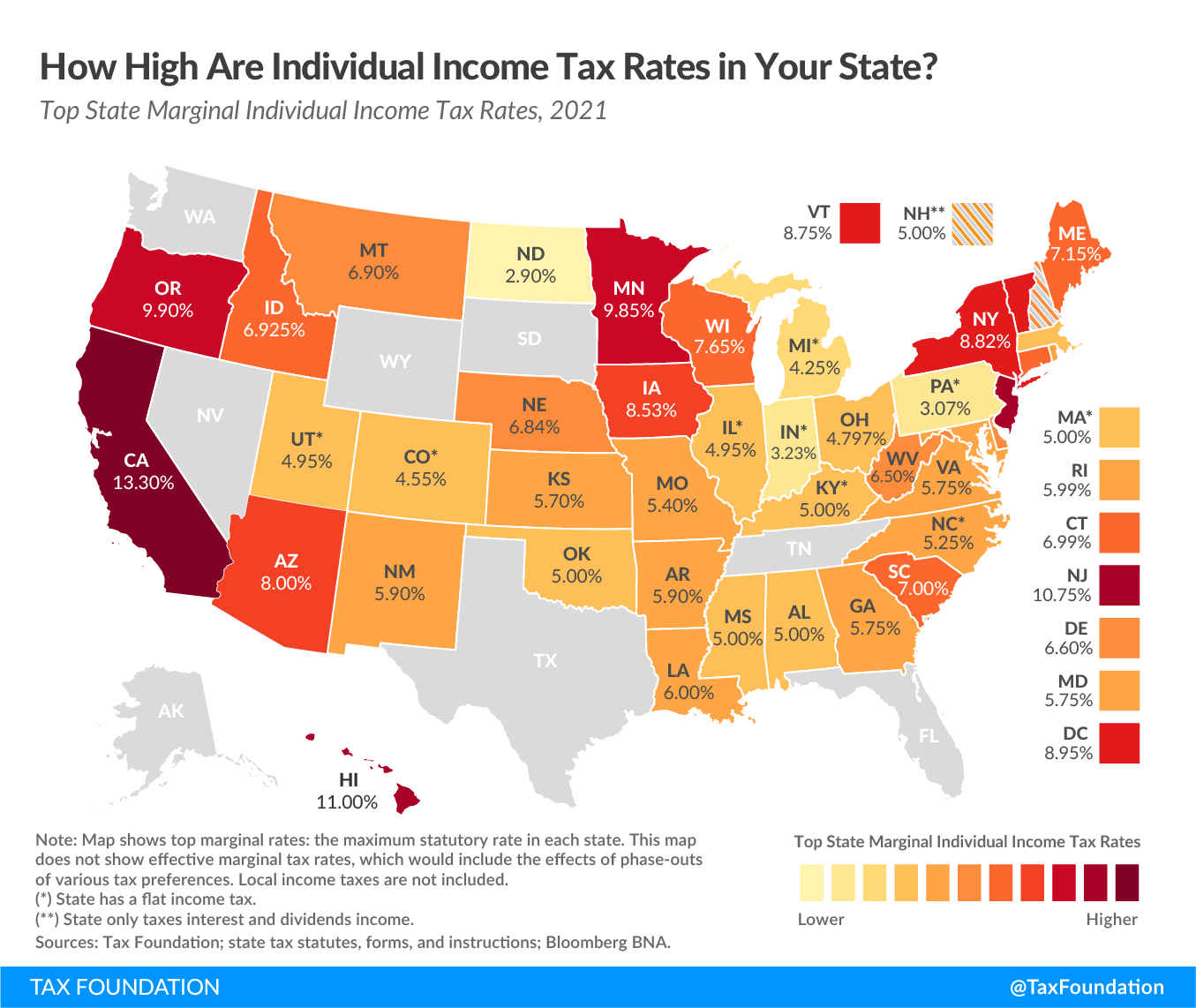
California’s income tax system features multiple tax brackets, with rates that increase as an individual’s taxable income rises. Currently, there are ten different income tax brackets for single filers, married couples filing jointly, heads of household, and married individuals filing separately. The marginal tax rates themselves can range from as low as 1% to as high as 12.3%. However, it’s crucial to note that for high-income earners, an additional 1% surcharge, known as the Mental Health Services Tax (or Prop 63), applies to taxable income exceeding $1 million. This effectively brings the top marginal rate to 13.3%.
For illustrative purposes, consider a recent tax year’s bracket for a single filer:
- Income up to a certain threshold (e.g., $10,099) might be taxed at 1%.
- Income between $10,100 and $23,942 might be taxed at 2%.
- …and so on, climbing incrementally until the highest bracket.
It’s vital to remember that these are marginal rates, meaning only the portion of income falling within a specific bracket is taxed at that rate, not the entire income. Tax brackets and rates are subject to annual adjustments for inflation, so consulting the official Franchise Tax Board (FTB) website for the most current figures is always recommended. This dynamic system requires ongoing awareness to accurately forecast one’s tax liability and plan accordingly.
Who Pays California Income Tax?
The obligation to pay California state income tax primarily depends on one’s residency status.
- Full-Year Residents: If you are a California resident for the entire tax year, you are generally taxed on all your income, regardless of where it was earned. This includes income from sources outside California, such as investments in other states or foreign income.
- Non-Residents: If you are not a resident of California, you are only taxed on income derived from California sources. This could include wages earned for work performed in the state, income from a California business, or rental income from California property.
- Part-Year Residents: Individuals who move into or out of California during the tax year are considered part-year residents. They are taxed on all income received while a resident and on income from California sources while a non-resident. Determining residency can be complex, involving factors like the location of your primary home, where you maintain your family, and where you hold professional licenses or conduct business. The Franchise Tax Board (FTB) provides detailed guidelines to help individuals ascertain their residency status, which is a critical step in correctly filing state income taxes.
Key Components and Deductions
Navigating the California income tax system effectively means understanding not only the rates but also the various deductions and credits that can significantly reduce your overall tax burden. These mechanisms are designed to provide relief to taxpayers and encourage certain behaviors, offering opportunities for strategic financial planning. Optimizing these components is essential for anyone aiming to manage their lifestyle costs in the Golden State.
Standard Deductions vs. Itemized Deductions
Like the federal tax system, California offers taxpayers a choice between taking a standard deduction or itemizing their deductions.
- Standard Deduction: This is a fixed dollar amount that reduces your taxable income, and its value depends on your filing status. For instance, the standard deduction for single filers is typically lower than that for married couples filing jointly. This option is straightforward and often suitable for taxpayers whose eligible itemized expenses do not exceed the standard deduction amount.
- Itemized Deductions: If your eligible expenses are greater than the standard deduction, you might opt to itemize. Common itemized deductions in California include:
- Medical and Dental Expenses: Unreimbursed expenses exceeding a certain percentage of your Adjusted Gross Income (AGI).
- State and Local Taxes (SALT): While federal itemized deductions cap SALT deductions, California allows full deduction of state income tax, property tax, and sales tax paid.
- Home Mortgage Interest: Interest paid on your home mortgage up to certain limits.
- Charitable Contributions: Donations to qualified charitable organizations.
- Casualty and Theft Losses: Losses from a federally declared disaster area.
It is crucial to compare the standard deduction amount with your potential itemized deductions each year, as they are adjusted for inflation and personal circumstances.
Credits That Can Reduce Your Tax Bill
Tax credits are particularly valuable because they directly reduce the amount of tax you owe, dollar for dollar, rather than just reducing your taxable income. California offers several important credits:
- Nonrefundable Renter’s Credit: This credit is available to eligible renters who pay a certain amount in rent and meet specific income limitations. It’s a nonrefundable credit, meaning it can reduce your tax liability to zero but will not result in a refund if it exceeds your tax due.
- California Earned Income Tax Credit (CalEITC): Mirroring the federal EITC, CalEITC provides a refundable credit for low-to-moderate-income working individuals and families. The amount of the credit depends on your income, filing status, and the number of qualifying children. This credit can significantly boost the financial well-being of eligible households.
- Young Child Tax Credit (YCTC): Introduced to complement CalEITC, this refundable credit is available to taxpayers who qualify for CalEITC and have at least one child younger than six years old as of the end of the tax year.
- Dependent Exemption Credit: This is a nonrefundable credit for each dependent you claim on your return.
- Other Credits: California also offers various other specialized credits, such as the Child and Dependent Care Expenses Credit, Low-Income Housing Credit, and credits for specific business activities or environmental initiatives. Staying informed about these credits can yield substantial savings.
Other State-Specific Taxes to Consider
While income tax is a primary concern, California residents and businesses also contend with other state-specific taxes that impact their financial lifestyle:
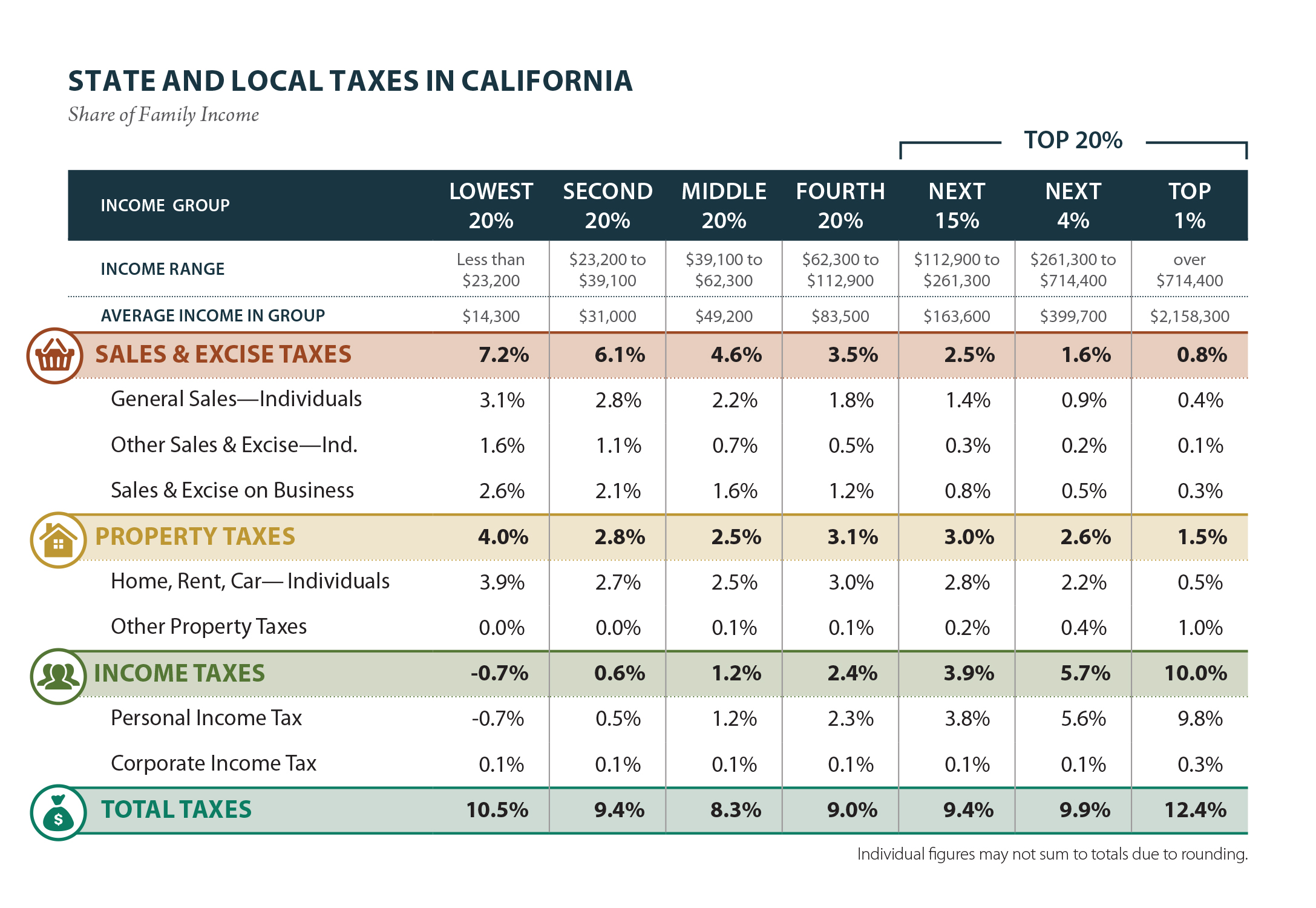
- Sales Tax: California has the highest statewide sales tax rate in the United States, at 7.25%. However, local jurisdictions can add their own district taxes, pushing the combined rate much higher, sometimes exceeding 10% in cities like Oakland or San Francisco. This directly impacts the cost of goods and services.
- Property Tax: While not directly part of income tax, property taxes in California are governed by Proposition 13, which limits the annual increase in assessed value to no more than 2% until the property is sold. This offers some stability but can still result in significant annual costs, especially for recently purchased homes.
- Vehicle License Fees: These annual fees, paid when renewing vehicle registration, are calculated based on the vehicle’s value and directly contribute to the overall cost of living.
- Unemployment Insurance (UI) and State Disability Insurance (SDI): These are mandatory employee contributions, typically withheld from wages, that fund unemployment benefits and disability payments.
Understanding this broader tax landscape is crucial for anyone evaluating the complete financial picture of living and working in California.
Income Subject to California Taxation
Understanding what types of income are subject to California state income tax is crucial for accurate financial planning and compliance. California’s broad definition of taxable income generally mirrors federal guidelines but includes specific nuances that residents and non-residents must consider. This detailed comprehension helps prevent surprises and ensures that all applicable income streams are correctly reported to the Franchise Tax Board (FTB).
Common Income Sources
Most forms of income that are taxable at the federal level are also taxable by the state of California. These include:
- Wages and Salaries: Income earned from employment, including bonuses, commissions, and severance pay.
- Business Income: Profits from sole proprietorships, partnerships, S corporations, and other business entities.
- Interest and Dividends: Earnings from savings accounts, bonds, stocks, and mutual funds.
- Capital Gains: Profits from the sale of assets such as real estate, stocks, or other investments. Unlike the federal system, California does not have a preferential long-term capital gains tax rate; both short-term and long-term capital gains are taxed as ordinary income.
- Rental Income: Net income received from renting out property.
- Pensions and Annuities: Distributions from retirement plans.
- Gambling Winnings: Income derived from lotteries, raffles, and other forms of gambling.
- Unemployment Compensation: Unlike federal tax law which sometimes excludes a portion, California generally treats unemployment benefits as taxable income.
For residents, all worldwide income is subject to California tax. Non-residents, however, only pay tax on income sourced within California. This distinction is critical for individuals who live out of state but have investments or business interests in the Golden State.
Unique California Considerations
While many income types align with federal taxation, California has a few unique considerations:
- Stock Options: The taxation of incentive stock options (ISOs) and non-qualified stock options (NQSOs) in California follows specific rules, particularly concerning the alternative minimum tax (AMT). It’s crucial for employees of tech companies in Silicon Valley or elsewhere to understand these rules, as they can significantly impact their tax liability.
- Non-Conformity with Federal Law: While California often conforms to federal tax law, there are instances where it does not. For example, California does not conform to certain federal depreciation rules or some federal business expense deductions. Taxpayers must be aware of these differences, which can affect business income calculations.
- Cryptocurrency: California treats cryptocurrency holdings and transactions similarly to federal guidelines, typically as property for tax purposes. Gains or losses from the sale or exchange of cryptocurrency are considered capital gains or losses. Income received in cryptocurrency for services rendered is generally taxable at its fair market value at the time of receipt.
- Proposition 19 (Property Tax Transfers): While primarily affecting property tax, Proposition 19 can indirectly influence income by affecting the tax basis of inherited properties, which could impact future capital gains if the property is sold. It’s a complex interaction that highlights the interconnectedness of various tax laws.
Given these nuances, it is always advisable to consult with a qualified tax professional familiar with California tax law, especially for complex income scenarios or significant financial transactions.
Navigating Tax Compliance and Planning in California
Successfully managing your financial life in California extends beyond understanding the tax rates and what’s taxable; it also involves diligent compliance and proactive planning. The state’s unique tax landscape demands attention to deadlines, accurate record-keeping, and leveraging available resources to optimize your financial well-being. This final section provides practical guidance for navigating the administrative aspects of California income tax, essential for maintaining a secure and comfortable lifestyle in the Golden State.
Important Deadlines and Filing Requirements
Adhering to tax deadlines is critical to avoid penalties and interest charges.
- Annual Filing Deadline: For most individual taxpayers, the deadline to file California state income tax returns (Form 540) is generally April 15th of the following year. If April 15th falls on a weekend or holiday, the deadline shifts to the next business day.
- Extensions: If you need more time to file, you can generally get an automatic extension to October 15th. However, an extension to file is not an extension to pay. Any taxes owed must still be paid by the April 15th deadline to avoid penalties and interest.
- Estimated Taxes: If you expect to owe at least $500 in California income tax (or $250 if married filing separately) and do not have sufficient withholding from wages, you may need to pay estimated taxes throughout the year. These payments are typically due in four installments: April 15th, June 15th, September 15th, and January 15th of the following year. Underpayment penalties can apply if estimated taxes are not paid on time or if the payments are insufficient.
- Record Keeping: Maintain meticulous records of all income, deductions, and credits. This includes W-2s, 1099s, receipts for itemized deductions, and records of estimated tax payments. Good record-keeping simplifies the filing process and is essential in case of an audit.
Resources for Taxpayers
The Franchise Tax Board (FTB) is the primary agency responsible for administering California’s state income tax laws. They offer a wealth of resources for taxpayers:
- FTB Website: The official FTB website provides detailed information on tax laws, forms, publications, and filing options. It’s an invaluable first stop for any tax-related questions.
- Online Services: The FTB offers online accounts where taxpayers can check their refund status, make payments, and view their tax history.
- Taxpayer Assistance: The FTB also provides phone and in-person assistance for taxpayers who need personalized guidance.
- Tax Preparation Software: Many commercially available tax software programs support California state tax filing, guiding users through the process step-by-step.
- Tax Professionals: For complex financial situations, high-income earners, or those with unique business structures, consulting a qualified tax professional (e.g., a Certified Public Accountant specializing in California tax) is highly recommended. They can provide tailored advice, ensure compliance, and identify opportunities for tax savings.
Planning for Your Financial Future in the Golden State
Effective tax planning is an ongoing process, not just an annual event. For those living or doing business in California, strategic financial foresight can significantly impact your lifestyle and wealth accumulation. Consider these planning tips:
- Budgeting: Incorporate your estimated California state income tax liability into your annual budget to ensure you’re adequately prepared.
- Retirement Planning: Understand how different retirement accounts and distributions are taxed in California, and structure your savings accordingly.
- Investment Strategy: Be mindful of California’s capital gains tax treatment. Consider tax-efficient investment vehicles or strategies to minimize your tax burden.
- Residency Planning: If you have ties to multiple states, carefully evaluate your residency status to understand your tax obligations and potentially mitigate double taxation.
- Business Structure: For entrepreneurs, choosing the right business structure (e.g., sole proprietorship, LLC, S-corp) can have significant implications for both federal and California state income taxes.
In conclusion, while California’s state income tax system can appear daunting, a clear understanding of its progressive nature, available deductions and credits, taxable income sources, and compliance requirements empowers individuals and businesses to navigate it with confidence. By staying informed and utilizing professional guidance when needed, you can successfully manage your financial responsibilities and fully embrace the unique lifestyle opportunities that the Golden State has to offer.
LifeOutOfTheBox is a participant in the Amazon Services LLC Associates Program, an affiliate advertising program designed to provide a means for sites to earn advertising fees by advertising and linking to Amazon.com. Amazon, the Amazon logo, AmazonSupply, and the AmazonSupply logo are trademarks of Amazon.com, Inc. or its affiliates. As an Amazon Associate we earn affiliate commissions from qualifying purchases.