
To the uninitiated, the state of Kansas is often perceived as a vast, flat expanse of agricultural land, a necessary but perhaps monotonous stretch of the United States Midwest. However, tucked away in the rolling hills of the northeast corner of the state lies a destination that defies these stereotypes: Lawrence. As a vibrant cultural hub, an academic powerhouse, and a site of profound historical significance, Lawrence serves as a primary travel destination for those seeking a mix of intellectual energy and small-town charm. Understanding where Lawrence is requires more than just looking at a map; it involves situating the city within its unique geographic, cultural, and historical context.

Geographic Location and Accessibility
Physically, Lawrence is the county seat of Douglas County. It is situated in the northeastern portion of Kansas, nestled between the Kansas River (locally known as the Kaw River) and the Wakarusa River. Unlike the stereotypical flat plains found in western Kansas, the landscape here is characterized by the Osage Cuestas, which provide a scenic backdrop of rolling hills and lush river valleys.
The Heart of the Kaw Valley
Lawrence sits approximately 40 miles west of the Missouri state line. Its location within the Kaw Valley has historically defined its growth and industry. The city is elevated on a series of ridges, the most famous of which is Mount Oread, providing panoramic views of the surrounding countryside. This elevation was a strategic choice for early settlers, offering both defense and a respite from the flood-prone banks of the Kansas River. For travelers, the geography means that hiking and outdoor exploration are surprisingly varied, with the topography offering more elevation changes than one might expect from a Great Plains state.
Proximity to Kansas City and Topeka
One of the reasons Lawrence is such a popular travel stop is its convenient proximity to major urban centers. It is located roughly halfway between Kansas City and Topeka, the state capital. This positioning makes it an ideal “anchor” for a regional tour. Kansas City is just a 45-minute drive to the east, offering access to professional sports and major metropolitan amenities, while Topeka is only 25 miles to the west. This “corridor” is one of the most economically active and populated regions in the Midwest, yet Lawrence manages to maintain a distinct, independent identity that feels worlds away from the sprawl of its neighbors.
Navigating the Region
For those flying into the area, the primary gateway is Kansas City International Airport, located about an hour’s drive from downtown Lawrence. The city is exceptionally well-connected by road; Interstate 70, also known as the Kansas Turnpike in this stretch, runs directly along the northern edge of the city. Additionally, K-10 Highway provides a scenic and direct link to the southern suburbs of the Kansas City Metropolitan Area. Within the city, the layout is a logical grid, though the presence of the University of Kansas campus on Mount Oread introduces some winding, hilly roads that offer beautiful vistas of the city skyline.
A City Defined by Education and Innovation
To many, Lawrence is synonymous with the University of Kansas, often referred to as KU. The university is not just a school; it is the heartbeat of the city, influencing its demographics, its economy, and its cultural calendar. The presence of a major research university gives Lawrence a sophisticated, cosmopolitan atmosphere that is rare for a city of its size.
The University of Kansas Campus
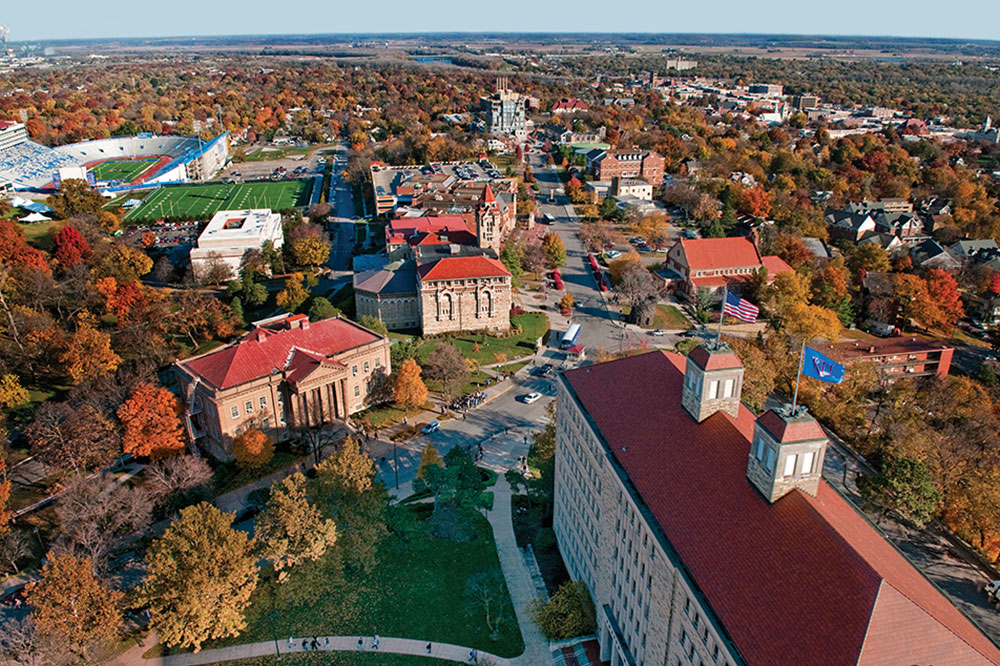
The University of Kansas campus is widely regarded as one of the most beautiful in the United States. It is anchored by the historic district on Mount Oread, where red-roofed limestone buildings like Fraser Hall stand as landmarks visible from miles away. For visitors, the campus is a primary destination in itself. It houses the Spencer Museum of Art, which features a diverse collection ranging from contemporary global works to regional masterpieces. Sports fans also flock to Allen Fieldhouse, often cited as the “cradle of basketball,” where the Kansas Jayhawks play in an atmosphere of unmatched intensity and tradition.
Haskell Indian Nations University
Adding to the city’s unique educational landscape is Haskell Indian Nations University. This institution serves members of federally recognized Native American tribes from across the United States. The campus is home to several historic buildings and the Haskell Cultural Center and Museum, which provides vital insights into the indigenous history of the region and the university’s transition from a boarding school to a premier tribal university. The presence of Haskell Indian Nations University adds a layer of cultural depth and diversity to Lawrence, making it a significant site for those interested in ethnic studies and American history.
Must-Visit Landmarks and Attractions
Beyond its academic credentials, Lawrence is a premier travel destination due to its vibrant downtown and diverse recreational offerings. The city has a knack for blending its frontier history with a modern, progressive lifestyle.
Exploring Massachusetts Street
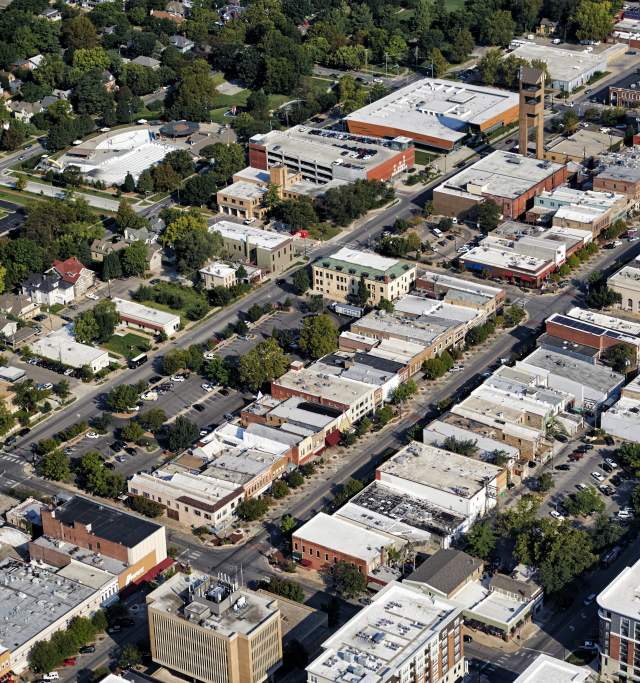
Often referred to by locals as Mass Street, Massachusetts Street is the cultural and commercial soul of the city. This historic downtown district is frequently ranked as one of the best main streets in the United States. Unlike many suburbanized cities, Lawrence has preserved its downtown as a walkable, vibrant center filled with independent bookstores, eclectic boutiques, and world-class dining. The Eldridge Hotel, located at the corner of 7th and Massachusetts Street, is a landmark of resilience; it was destroyed multiple times during the Civil War era and rebuilt each time, standing today as a symbol of the city’s “Free State” spirit.
The Natural Beauty of Clinton State Park
For those who prefer the outdoors, Clinton State Park is located just four miles west of the city limits. This sprawling park surrounds Clinton Lake, a 7,000-acre reservoir that offers some of the best boating, fishing, and swimming in the Midwest. The park features extensive trail systems, including the North Shore Trails, which are a favorite for mountain bikers and trail runners. Whether you are looking for a quiet afternoon of birdwatching or an active weekend of camping, the park provides a necessary natural balance to the city’s urban energy.
Artistic Heritage and Performance
Culture thrives in Lawrence far beyond the university walls. The Lawrence Arts Center serves as a focal point for the local creative community, offering exhibitions, performances, and classes. For live performance, the Lied Center of Kansas hosts Broadway tours, international symphony orchestras, and contemporary dance troupes. The city also has a legendary music scene; venues like The Granada and Liberty Hall—a historic opera house turned cinema and concert hall—have hosted iconic acts and continue to be essential stops for touring musicians in the Midwest.
Historical Significance and Cultural Identity
The answer to “Where is Lawrence?” is also found in the annals of American history. The city was founded in 1854 by the New England Emigrant Aid Company, with the explicit purpose of ensuring that Kansas entered the Union as a “free state” rather than a slave state. This abolitionist origin story continues to define the city’s identity today.
The Legacy of the Free State Movement
Lawrence was the epicenter of the “Bleeding Kansas” period, a prelude to the American Civil War. The city was famously targeted during Quantrill’s Raid in 1863, an event that saw much of the town burned to the ground. Visitors can explore this turbulent history at the Watkins Museum of History, housed in a stunning 1888 bank building. The museum offers detailed exhibits on the struggle for freedom and the city’s eventual rebirth. This legacy of resistance and progressiveness is why Lawrence is often affectionately called the “Free State” city.
Ecological Exploration at Baker Wetlands
Just south of the city lies the Baker Wetlands, an ecological treasure that showcases what the Kansas landscape looked like before widespread settlement. Managed by Baker University, this 927-acre area is one of the most diverse ecosystems in the state. With over 11 miles of trails and a modern Discovery Center, it is a premier spot for education and nature photography. It serves as a reminder that Lawrence is a place where history and nature are deeply intertwined, providing a destination that satisfies both the mind and the soul.
Modern-Day Lawrence Culture
Today, Lawrence is a destination for foodies and craft beer enthusiasts. The Free State Brewing Company, opened in 1989, was the first legal brewery in Kansas in over a century, sparking a craft beer revolution in the region. The city also hosts a variety of festivals, such as the Lawrence Busker Festival and the Haskell Indian Art Market, which draw visitors from across the country.
In conclusion, Lawrence, Kansas, is much more than a point on a map in the United States. It is a destination where the intellectual rigor of the University of Kansas meets the rugged history of the American Frontier. Whether you are exploring the heights of Mount Oread, shopping along Massachusetts Street, or reflecting on the history at Clinton Lake, you will find that Lawrence is a city that invites exploration and rewards curiosity. Its unique blend of geography, history, and culture makes it a true gem of the Midwest.
LifeOutOfTheBox is a participant in the Amazon Services LLC Associates Program, an affiliate advertising program designed to provide a means for sites to earn advertising fees by advertising and linking to Amazon.com. Amazon, the Amazon logo, AmazonSupply, and the AmazonSupply logo are trademarks of Amazon.com, Inc. or its affiliates. As an Amazon Associate we earn affiliate commissions from qualifying purchases.