
Understanding the tax landscape of a destination is an integral part of planning any trip, whether for leisure, business, or an extended stay. While Colorado is renowned for its breathtaking natural beauty and vibrant cities, its fiscal policies, particularly its state income tax, can impact the overall cost of visiting or residing there. For travelers considering an extended vacation, a temporary work assignment, or even making a permanent move, grasping the intricacies of Colorado’s income tax is crucial for informed financial decisions. This guide aims to demystify the Colorado state income tax, offering clarity on its structure, rates, and implications for various scenarios, ensuring your Colorado experience is as financially smooth as its mountainous terrain is visually stunning.
Understanding Colorado’s Income Tax Structure
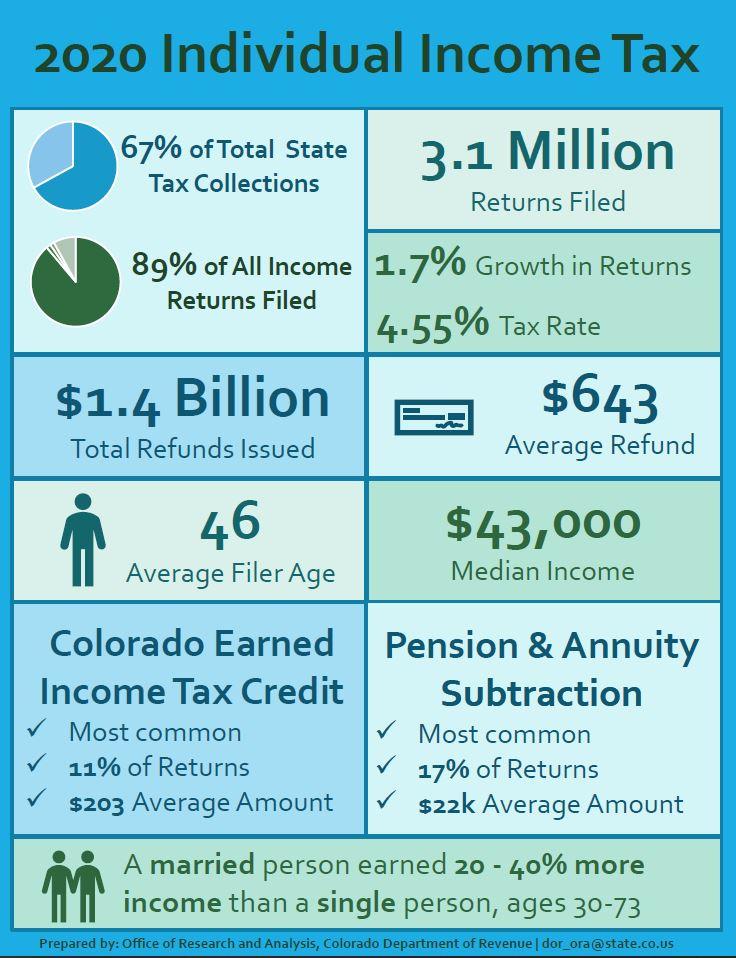
Colorado operates with a simplified, single-rate income tax system, a characteristic that distinguishes it from many other states with progressive tax brackets. This means that every individual and entity is subject to the same tax rate, regardless of their income level. This flat-tax approach is designed to be straightforward, making tax calculations relatively predictable.
The Flat Tax Rate
As of the most recent legislative updates, Colorado’s state income tax rate stands at a uniform percentage for all taxable income. This rate is subject to adjustment based on legislative action and economic conditions, but the principle of a single, flat rate remains. For individuals, this applies to their adjusted gross income after accounting for any applicable deductions and exemptions. For businesses, it pertains to their net taxable income. This flat-rate structure simplifies compliance for both residents and visitors who may have income sourced from Colorado. The advantage of a flat tax is its inherent transparency; taxpayers can easily calculate their expected tax liability without navigating complex progressive scales.
What Constitutes Taxable Income?
For individuals, taxable income in Colorado generally includes wages, salaries, tips, interest, dividends, capital gains, and other forms of personal income. However, certain income streams may be exempt or deductible. For instance, retirement income received from pensions or Social Security benefits may be partially or fully exempt, depending on specific circumstances and income thresholds. Likewise, income generated from outside of Colorado by non-residents typically does not fall under the state’s income tax jurisdiction, unless it is derived from Colorado sources.
For businesses operating within Colorado, taxable income is typically defined as gross income minus allowable business expenses. This includes revenue from sales, services, and investments, with deductions for costs such as employee wages, rent, supplies, and depreciation. The state adheres to generally accepted accounting principles (GAAP) for determining net taxable income, providing a familiar framework for businesses.
Deductions and Exemptions
While Colorado boasts a flat tax, it also offers various deductions and exemptions that can reduce an individual’s or business’s overall tax burden. These are designed to provide financial relief and encourage certain behaviors, such as charitable giving or investment.
For Individuals:
- Standard Deduction: Colorado allows taxpayers to claim a standard deduction, which is a fixed amount that reduces taxable income. This simplifies tax filing for those who do not itemize deductions.
- Itemized Deductions: Alternatively, individuals can choose to itemize their deductions, which may include mortgage interest, state and local taxes (though subject to federal limitations), charitable contributions, and medical expenses exceeding a certain threshold. The decision to itemize or take the standard deduction depends on which yields a greater tax benefit.
- Specific Exemptions: Certain types of income or personal circumstances may qualify for specific exemptions. For example, military pay for active duty personnel stationed in Colorado may be exempt. Retirees may also find certain retirement income exempt from state tax under specific conditions.
- Child Tax Credits: While not a direct deduction from income, Colorado has historically offered or considered various tax credits, including those aimed at supporting families with children.
For Businesses:
- Business Expenses: As mentioned, the primary mechanism for reducing business taxable income is through the deduction of ordinary and necessary business expenses.
- Depreciation: Businesses can depreciate the cost of assets over their useful life, a significant deduction that reflects the wear and tear on equipment and property.
- Net Operating Loss (NOL) Carryforwards: Colorado allows businesses to carry forward net operating losses to offset taxable income in future years, providing a crucial buffer against economic downturns.
Implications for Travelers and Visitors
For tourists and short-term visitors to Colorado, the state income tax generally has minimal direct impact unless they are engaging in specific income-generating activities while within the state.
Income Earned in Colorado
If a visitor earns income while physically present in Colorado—for instance, through temporary employment, freelance work, or performing services—that income may be subject to Colorado state income tax. The tax liability would be calculated based on the flat tax rate applied to the net income earned within the state. It is important for individuals in such situations to consult with tax professionals or the Colorado Department of Revenue to understand their filing obligations. This might involve filing a non-resident income tax return to report the income sourced from Colorado and to claim any applicable deductions.
Passive Income
Generally, passive income, such as dividends from stocks or interest from bank accounts held in one’s home state, is not taxed by Colorado if the recipient is a non-resident. The state’s taxing authority is primarily based on residency or the source of income. Therefore, enjoying the Rocky Mountains or exploring the cultural attractions of Denver typically does not incur state income tax unless income is actively generated within the state’s borders.
Sales and Use Tax

It is important to distinguish state income tax from sales and use tax. While income tax affects earnings, sales tax is levied on the purchase of goods and services. Colorado does have a state sales tax, which varies by locality and is applied at the point of sale. This is a more common tax that visitors will encounter when making purchases at shops, restaurants, and hotels across the state. Understanding these different tax structures ensures a comprehensive view of the costs associated with a Colorado visit.
Long-Term Stays and Residency
For individuals considering a longer stay or establishing residency in Colorado, understanding the state income tax is paramount due to its direct impact on personal finances.
Establishing Residency
Colorado defines residency based on a combination of factors, including physical presence and intent to remain indefinitely. Generally, if you spend more than 183 days in the state during a tax year and have established a permanent home there, you are likely to be considered a resident for tax purposes. Once residency is established, all income earned by the individual, regardless of where it is earned globally, becomes subject to Colorado state income tax, subject to applicable credits and deductions.
Tax Planning for Residents
Residents of Colorado should actively engage in tax planning to optimize their tax situation. This involves understanding all available deductions and credits to minimize their tax liability. For instance, maximizing contributions to tax-advantaged retirement accounts, such as 401(k)s and IRAs, can reduce current taxable income. For those with investment portfolios, understanding the tax implications of capital gains and dividends is also essential.
Retirement Income
Colorado offers some relief for retirees. While Social Security benefits are generally not taxed at the state level, other retirement income, such as pensions and withdrawals from retirement accounts, may be taxable. However, Colorado has provisions for exempting a portion of retirement income for taxpayers who meet certain age and income requirements. This makes Colorado an attractive destination for retirees looking to reduce their tax burden.
Business Taxation in Colorado
Businesses operating in Colorado, whether locally owned or part of a national chain with a presence in the state, are subject to the state’s income tax. This includes corporations, partnerships, and limited liability companies (LLCs).
Corporate Income Tax
Corporations are taxed on their net taxable income at the same flat rate as individuals. This simplifies the tax structure for businesses operating in multiple states, as they only need to contend with a single tax rate in Colorado. However, determining the portion of income attributable to Colorado (apportionment) can be complex, often involving formulas based on sales, property, and payroll within the state.
Pass-Through Entities
For pass-through entities like partnerships and S-corporations, the income is passed through to the owners and taxed at the individual level. While the entity itself may not pay income tax directly, it is responsible for filing an informational return that details the income and losses allocated to each partner or shareholder, who then reports this on their individual tax returns.
Filing and Compliance
Navigating the tax system requires attention to filing deadlines and proper documentation. The Colorado Department of Revenue oversees tax administration in the state, providing resources and guidelines for taxpayers.
Tax Forms and Deadlines
Individuals generally file their state income tax returns using Form 104, Colorado Individual Income Tax Return. The deadline for filing is typically April 15th of each year, coinciding with the federal tax filing deadline. Extensions may be available upon request. Businesses typically file corporate income tax returns using Form 112, Colorado Corporate Income Tax Return, with similar deadlines.
Resources for Taxpayers
The Colorado Department of Revenue’s official website is an invaluable resource for taxpayers. It provides access to current tax forms, publications, tax law updates, and information on tax credits and deductions. For more complex situations, consulting with a qualified tax professional who specializes in Colorado tax law is highly recommended. This is particularly important for non-residents earning income in the state or for businesses with multi-state operations.

Tax Credits and Incentives
Beyond standard deductions, Colorado periodically offers tax credits and incentives to encourage economic development, investment, and specific activities. These can range from credits for research and development to incentives for creating jobs. While these are primarily aimed at businesses, staying informed about such programs can be beneficial for any entity operating within the state. Understanding these nuances ensures that your financial experience in the Centennial State is both enjoyable and economically sound, whether you are here for a brief visit to ski at Aspen or to make your permanent home in the shadow of the Rocky Mountains.
LifeOutOfTheBox is a participant in the Amazon Services LLC Associates Program, an affiliate advertising program designed to provide a means for sites to earn advertising fees by advertising and linking to Amazon.com. Amazon, the Amazon logo, AmazonSupply, and the AmazonSupply logo are trademarks of Amazon.com, Inc. or its affiliates. As an Amazon Associate we earn affiliate commissions from qualifying purchases.