
Navigating the iconic San Francisco cable car system is an essential part of any visit to the City by the Bay. These historic moving landmarks offer not only a practical mode of transport but also a nostalgic journey through the city’s famed hills and vibrant neighborhoods. Understanding where and how to purchase tickets ensures a seamless and enjoyable experience, allowing you to fully immerse yourself in the charm of this unique attraction. Whether you’re planning a single ride or aiming to explore extensively, knowing your ticketing options is key.
Understanding Cable Car Fares and Passes
The San Francisco Municipal Transportation Agency (SFMTA) operates the cable car system, and they offer a variety of ticketing options to suit different visitor needs. The most common ticket is for a single ride, but for those planning multiple journeys or intending to use other public transit options within the city, passes can offer significant value and convenience. Familiarizing yourself with these options before you embark on your cable car adventure will save you time and potentially money.

Single Ride Fares
A single ride on any of the three cable car lines – the Powell-Hyde, Powell-Mason, or California Street lines – allows you to travel the full length of the route or disembark at any designated stop. The current fare for a single ride is set by the SFMTA and is subject to change. It’s always advisable to check the official SFMTA website or inquire at a ticket booth for the most up-to-date pricing. While convenient for a quick trip, single rides can add up if you plan on experiencing the cable cars multiple times throughout your stay.
Multi-Day Visitor Passes
For tourists aiming to explore more of San Francisco and utilize its public transportation network, the multi-day Visitor Passport is an excellent investment. These passports typically offer unlimited rides on the city’s historic cable cars, as well as its buses and streetcars, for a set number of consecutive days (e.g., 1-day, 3-day, or 7-day options). This pass is especially valuable if you intend to visit multiple attractions that are accessible by public transit or if you plan on hopping on and off the cable cars to explore different neighborhoods. Purchasing a Visitor Passport eliminates the need to buy individual tickets for each journey, streamlining your travel experience.
Clipper Card Integration
The Clipper Card is the regional transit card for the San Francisco Bay Area. While primarily used for BART, Muni buses, and light rail, it can also be used to pay for cable car fares. You can load cash value onto your Clipper Card and tap it to pay for your ride. This offers flexibility, especially if you already have a Clipper Card from previous travels in the region. It’s important to note that single-ride fares apply when using cash value on a Clipper Card, so for extensive cable car use, a Visitor Passport might still be more economical.
Where to Purchase Your Cable Car Tickets
Securing your cable car tickets is straightforward, with several convenient locations available for purchase. The method you choose will depend on your proximity to a ticket booth, your preferred method of payment, and the urgency of your purchase. Planning ahead can help you avoid potential queues, especially during peak tourist seasons.
Ticket Booths at Major Turnarounds
The most traditional and readily available place to buy cable car tickets is at the main turnaround points of the three cable car lines.
- Powell-Hyde Line Turnaround (near Ghirardelli Square): Located at the intersection of Hyde and Beach Streets, this is a popular starting point, especially for those coming from the Fisherman’s Wharf area. Tickets can often be purchased directly from an attendant here.
- Powell-Mason Line Turnaround (near Union Square): Situated at the intersection of Powell and Market Streets, this turnaround is conveniently located near the heart of downtown San Francisco and a hub for many hotels and shopping.
- California Street Line Turnaround (near the Financial District): This line’s turnaround is typically found near the Embarcadero or the Transamerica Pyramid, offering access to the Financial District and Chinatown.
At these booths, you can purchase single ride tickets or inquire about and buy Visitor Passports. Many of these locations accept cash and major credit cards.
Via the Clipper Card App or Website

For those who prefer a digital approach, purchasing Visitor Passports is now possible through the official Clipper Card mobile app or website. After purchasing, you can load the pass directly onto your physical Clipper Card or, if you have a compatible smartphone, load it onto your mobile Clipper Card for tap-and-go convenience. This method is ideal for planning in advance and avoiding physical queues altogether.
Onboard the Cable Car (Limited Availability)
In some instances, it may be possible to purchase a single ride ticket directly from the conductor onboard the cable car itself. However, this option is not always guaranteed, especially during crowded periods, and it is generally less efficient. Conductors may prioritize collecting fares from existing ticket holders or those who have purchased in advance. Relying solely on onboard purchases is not recommended, particularly if you are on a tight schedule or wish to ensure you can board at your desired location. Always have a backup plan, such as purchasing a ticket from a nearby booth or using the Clipper Card app.
Tips for a Smooth Cable Car Experience
Beyond purchasing your tickets, a few extra tips can enhance your enjoyment of the San Francisco cable car experience. These recommendations focus on maximizing your time, comfort, and appreciation of this historic transit system.
Timing Your Ride
The cable cars are a popular attraction, and queues can form, especially at the major turnarounds and during peak tourist seasons (summer months, holidays, and weekends). To minimize wait times:
- Ride Early or Late: Consider riding the cable cars early in the morning (shortly after they begin operation) or later in the evening.
- Mid-Week Travel: If your schedule allows, visiting San Francisco during the week can often mean shorter lines compared to weekends.
- Consider the California Street Line: This line is generally less crowded than the Powell-Hyde and Powell-Mason lines, as it serves more of a commuter route. It offers a different but equally scenic perspective of the city.
Boarding Locations
While the turnarounds are the primary boarding points, you can also board at designated stops along the routes. However, space at these intermediate stops can be limited, and it’s not always guaranteed you’ll get a spot, especially if the car is already full. If your primary goal is a scenic ride and photos, starting at a turnaround is often best. If you are using the cable car as transportation between neighborhoods and have a Visitor Passport, boarding at an intermediate stop might be a practical option.
Standing Room and Seating
Cable cars can get crowded, and it’s common to stand for your ride, especially during busy times. If you have mobility issues or prefer to sit, try to board at the beginning of a line or aim for off-peak hours. When standing, always hold onto the provided poles or straps for safety, as the cars can accelerate and decelerate rapidly on the steep hills.
Respecting the Operators
Cable car conductors are responsible for the safety and operation of these historic vehicles. They are also often the source of fascinating historical tidbits about the city and the cable car system. Be patient, follow their instructions, and treat them with courtesy.
Understanding the Routes
Familiarize yourself with the routes of the three cable car lines to ensure you are heading towards your desired destination.
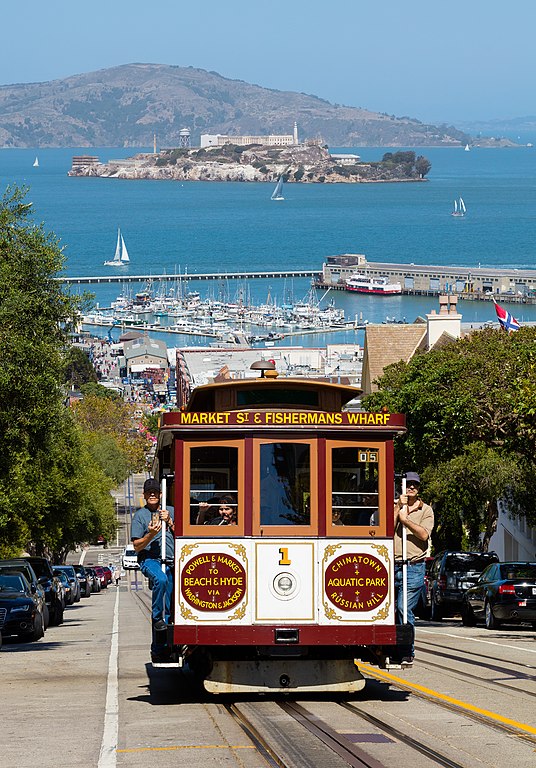
- Powell-Hyde Line: This is arguably the most scenic route, offering dramatic views of Alcatraz Island and the bay as it descends the steep Hyde Street hill. It travels from Market Street up to Lombard Street (the “most crooked street”) and then down to Ghirardelli Square.
- Powell-Mason Line: This line also starts at Market Street and travels through North Beach before ending near Fisherman’s Wharf. It offers a slightly different perspective of the city’s vibrant neighborhoods.
- California Street Line: This line runs east-west, from the Financial District towards Van Ness Avenue, passing through Chinatown. It is a more utilitarian route, often preferred by locals, and typically less crowded.
By understanding where to purchase tickets and following these tips, your journey on the historic San Francisco cable cars will undoubtedly be a memorable highlight of your visit to this iconic American city.
LifeOutOfTheBox is a participant in the Amazon Services LLC Associates Program, an affiliate advertising program designed to provide a means for sites to earn advertising fees by advertising and linking to Amazon.com. Amazon, the Amazon logo, AmazonSupply, and the AmazonSupply logo are trademarks of Amazon.com, Inc. or its affiliates. As an Amazon Associate we earn affiliate commissions from qualifying purchases.