
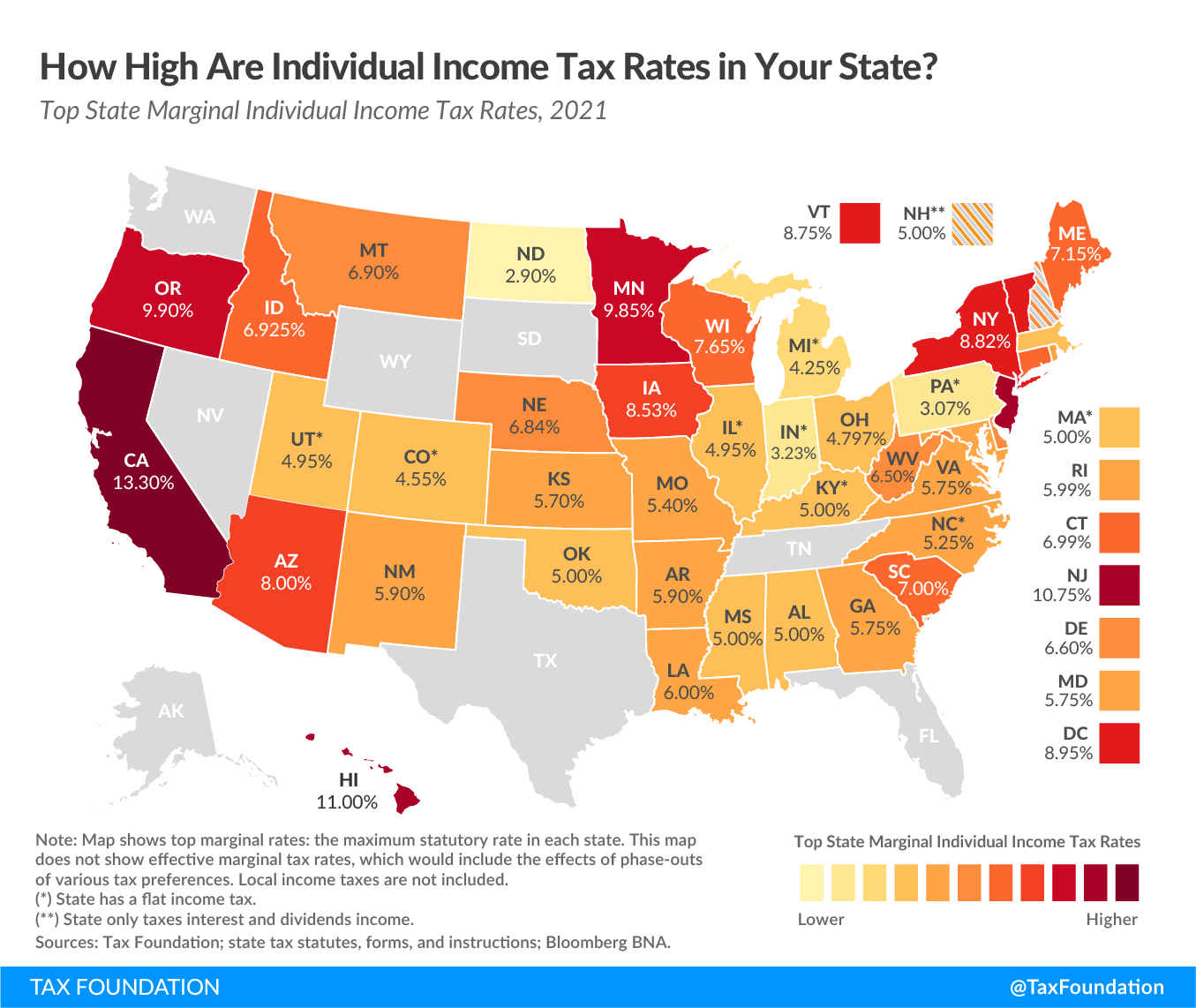
When planning a trip or a relocation to the vibrant state of Texas, one of the most frequently asked questions revolves around its tax structure, particularly concerning state income tax. For many, the allure of Texas is amplified by its reputation for being a tax-friendly destination. Unlike a significant number of other U.S. states, Texas stands out by having no state-level individual income tax. This fiscal policy has a profound impact on both the cost of living for residents and the financial considerations for visitors and businesses alike. Understanding this key aspect of Texas‘s financial landscape is crucial for anyone considering a longer stay, a business venture, or even an extended vacation.
The absence of a state income tax is a significant draw for individuals and families looking to maximize their disposable income. This allows for more personal financial freedom, whether it’s for indulging in the diverse lifestyle options Texas offers, from the glitz of luxury travel to the practicality of budget travel, or for investing in the state’s booming economy. For tourists, this means that the money they spend on experiences, accommodations, and dining stays within their budget without the added burden of state income tax deductions. This creates a more predictable and potentially more affordable travel experience, encouraging more visitors to explore its many attractions, landmarks, and culinary delights.
The Fiscal Landscape of Texas: No State Income Tax
The decision by Texas to forgo a state income tax is not an accidental one; it’s a deliberate fiscal strategy that has shaped its economic development and appeal. This approach contrasts sharply with the income tax regimes in most other U.S. states, where a percentage of an individual’s earnings is remitted to the state government. The implications of this policy are far-reaching, affecting everything from individual take-home pay to business operating costs and the overall economic competitiveness of the state.
How Texas Funds its State Government
While Texas does not levy an individual income tax, it still needs to generate substantial revenue to fund its state government operations, which include education, infrastructure, public safety, and a multitude of other essential services. The state relies heavily on other forms of taxation to meet these financial obligations. Understanding these alternative revenue streams provides a clearer picture of how the state operates and what costs consumers and businesses can expect to encounter.
Sales and Use Tax: A Primary Revenue Driver
The most significant source of state revenue in Texas is its robust sales and use tax. This tax is applied to the sale of tangible goods and certain services. When you purchase items in Texas, whether it’s souvenirs from a local market, a new piece of furniture for your apartment, or even dining out at a popular restaurant in Austin, a portion of that transaction is collected as tax. The state’s general sales tax rate is 6.25%, with local governments authorized to add up to 2% more, bringing the total potential sales tax rate to 8.25% in many areas. This means that while you don’t pay income tax, your everyday purchases contribute directly to the state’s coffers. This is a critical point for travelers, as it directly impacts the cost of goods and services they consume during their visit. For instance, booking a suite at a luxury resort or purchasing tickets to a renowned attraction will include this sales tax in the final price.
Property Tax: A Significant Local Revenue Source
Another crucial element of Texas‘s tax structure is property tax. While primarily a source of funding for local governments (counties, cities, and school districts), property taxes are a significant financial consideration for homeowners and businesses. The absence of a state income tax can sometimes lead to higher property tax rates compared to states with income taxes, as local entities must generate sufficient revenue to maintain services. Property tax is assessed based on the market value of real estate and can vary considerably depending on the location within Texas. For those considering a long-term stay or purchasing property, understanding local property tax rates is as vital as understanding the lack of state income tax. This can influence decisions about where to establish residency or invest in real estate, impacting the overall lifestyle and financial planning.
Franchise Tax: Business Taxation in Texas
For businesses operating in Texas, the franchise tax is a key consideration. This tax is levied on businesses based on their gross receipts, with certain thresholds and deductions available. It’s not an income tax in the traditional sense but rather a tax on the privilege of doing business in the state. The franchise tax aims to ensure that businesses contribute to the state’s economy, even if they don’t generate a profit that would be subject to income tax elsewhere. This policy can be attractive to new businesses looking to set up operations in Texas, as it simplifies tax planning compared to states with complex corporate income tax structures. For entrepreneurs or companies considering relocation, this aspect of Texas‘s tax environment is a significant factor in their decision-making process.
The Impact of No State Income Tax on Travel and Tourism

The absence of a state income tax in Texas has a tangible and positive impact on the travel and tourism sectors. For visitors, this translates into greater disposable income, allowing for more exploration, richer experiences, and potentially longer stays. It simplifies budgeting for trips and makes Texas a more financially attractive destination compared to states with higher overall tax burdens.
Increased Disposable Income for Travelers
When travelers visit Texas, the money they save on state income tax can be reallocated to other aspects of their trip. This might mean extending their stay to explore more destinations, indulging in more upscale accommodations like resorts or villas, enjoying fine dining experiences, or participating in a wider range of activities. The impact is particularly noticeable for those on budget travel or family trips, where every dollar saved can make a significant difference in the overall enjoyment and feasibility of the vacation.
Attracting Business and Leisure Travelers
The tax-friendly environment of Texas is a strong selling point for both business and leisure travelers. Businesses may choose to hold conferences or events in Texas cities like Dallas or Houston due to the lower overall cost of doing business, which can trickle down to more affordable travel packages for attendees. For leisure travelers, the prospect of keeping more of their hard-earned money can be a deciding factor when choosing between Texas and other states. This economic advantage helps Texas remain competitive in the national tourism market.
Enhancing the Value of Texas Experiences
From the historic Alamo in San Antonio to the vibrant music scene in Austin, Texas offers a wealth of experiences. The lack of state income tax enhances the perceived value of these experiences. Tourists can focus on enjoying the local culture, exploring famous places, and marveling at the diverse nature and architecture without the added worry of state income tax deductions on their spending. This allows for a more immersive and less financially constrained exploration of everything Texas has to offer.
Implications for Lifestyle and Living in Texas
Beyond tourism, the absence of state income tax profoundly influences the lifestyle of Texas residents. It impacts everything from daily living expenses to long-term financial planning, making Texas a desirable place to live, work, and retire.
Financial Freedom and Savings
For individuals residing in Texas, the lack of state income tax means a higher take-home pay compared to states with similar gross salaries but with an income tax. This increased disposable income offers greater financial freedom. Residents can save more for retirement, invest in their future, or simply enjoy a higher quality of life. This financial advantage is a key component of the Texas lifestyle, allowing residents to pursue their passions, whether that involves enjoying the cultural offerings of Fort Worth, exploring the natural beauty of Big Bend National Park, or simply having more flexibility in their household budgets.
Attracting New Residents and Businesses
The tax-friendly nature of Texas is a significant factor in attracting new residents and businesses. Many individuals choose to relocate to Texas specifically to benefit from the absence of state income tax, especially retirees who are often on fixed incomes and seek to maximize their savings. Similarly, businesses are drawn to Texas by its favorable tax climate, which can reduce operating costs and increase profitability. This influx of new residents and businesses contributes to the state’s dynamic economic growth and cultural diversity.
Cost of Living Considerations
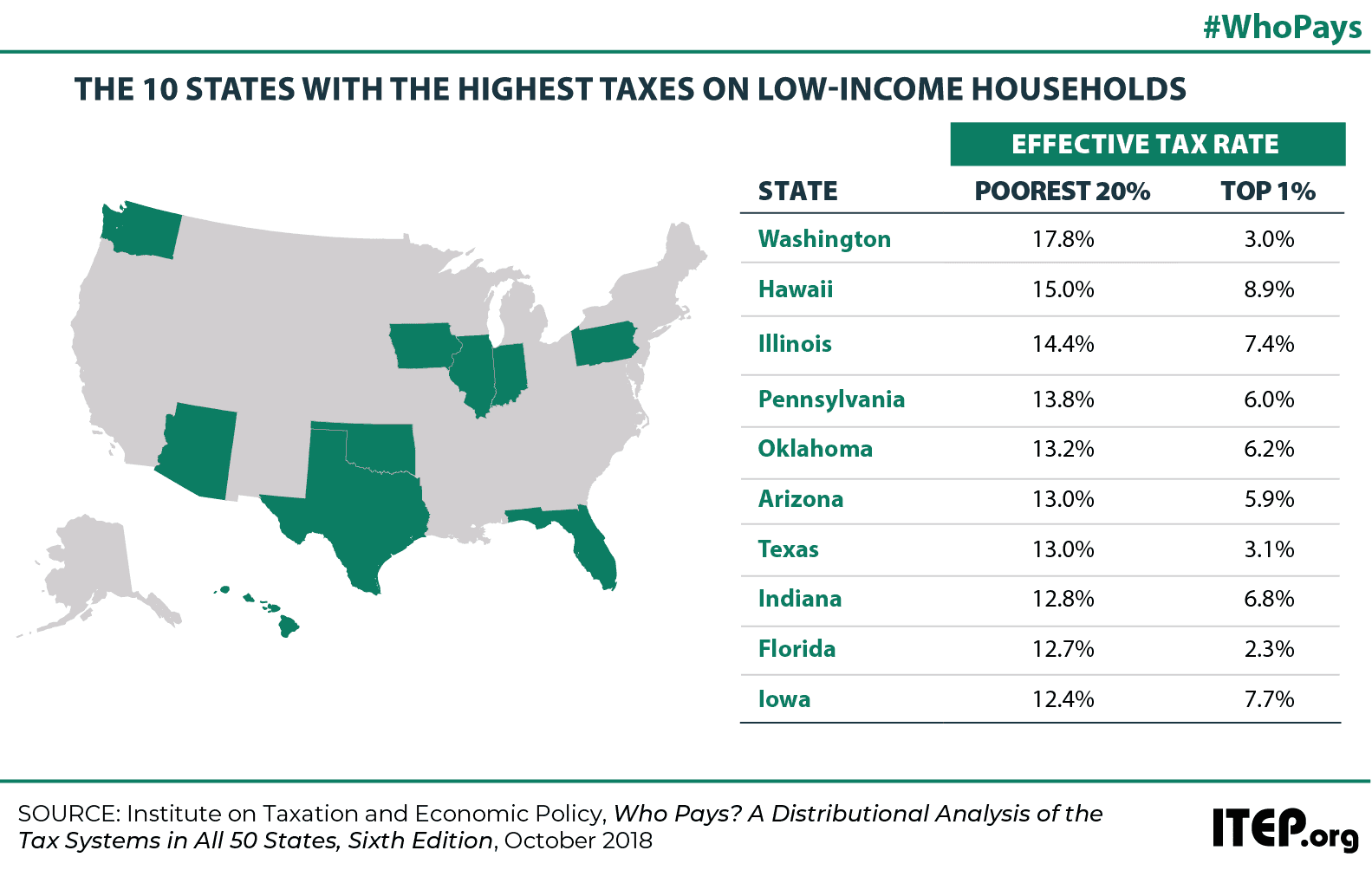
While Texas excels in its lack of state income tax, it’s important to consider other aspects of the cost of living. As mentioned earlier, property taxes can be substantial, and sales taxes are applied to most purchases. Therefore, a comprehensive understanding of the overall cost of living involves evaluating these other tax categories alongside the absence of income tax. However, for many, the net effect is a lower overall tax burden, contributing to a more favorable lifestyle. This balance is what makes Texas a unique and appealing option for a wide range of individuals and families. Whether you’re planning a short getaway to the beaches of Galveston, a family vacation exploring the San Antonio River Walk, or considering a permanent move to one of its many thriving cities, the tax structure of Texas is a foundational element to understand and appreciate.
LifeOutOfTheBox is a participant in the Amazon Services LLC Associates Program, an affiliate advertising program designed to provide a means for sites to earn advertising fees by advertising and linking to Amazon.com. Amazon, the Amazon logo, AmazonSupply, and the AmazonSupply logo are trademarks of Amazon.com, Inc. or its affiliates. As an Amazon Associate we earn affiliate commissions from qualifying purchases.