
The Fontainebleau Miami Beach stands as an undisputed icon on the shores of Miami Beach, a glittering testament to mid-century modern design and enduring luxury. Its distinctive curvilinear facade, sprawling pools, and star-studded history have cemented its place in popular culture and the global imagination. For anyone admiring this architectural marvel and hospitality powerhouse, a natural question often arises: who is the force behind this legendary property? Understanding the ownership of a hotel of this magnitude offers crucial insights into its strategic direction, investment philosophy, and long-term vision, all of which directly impact the guest experience and its standing within the competitive luxury hotel market. In the dynamic world of high-value real estate and resort development, ownership is far more than a name on a deed; it represents a commitment to a legacy, a brand, and a significant economic asset.

The Current Custodians of an Icon
Today, the Fontainebleau Miami Beach is privately owned by Fontainebleau Development, a diversified real estate development group based in Aventura, Florida. At the helm of this powerful entity is Jeffrey Soffer, a prominent developer with a deep family legacy in South Florida real estate. The Soffer family’s connection to the region’s development is extensive, including significant projects like the Aventura Mall, one of the largest shopping centers in the United States. This private ownership structure is crucial to understanding the Fontainebleau Miami Beach’s operations and its ability to undertake massive redevelopment projects and maintain its luxurious standards.
The Role of the Ownership Group
Fontainebleau Development, under Jeffrey Soffer’s leadership, is not merely a passive holder of assets. It is actively involved in the strategic direction, capital improvements, and overall vision for the resort. This private entity has the flexibility to make long-term investment decisions that might be more challenging for publicly traded companies, which are often beholden to quarterly earnings reports and shareholder pressures. This allows for grand, transformative projects, such as the multi-billion-dollar renovation that revitalized the property in the mid-2000s, ensuring the Fontainebleau Miami Beach remains at the pinnacle of luxury hospitality. Their comprehensive approach extends beyond just the physical structure, encompassing brand management, strategic partnerships, and a consistent effort to evolve the guest experience.
Distinguishing Ownership from Management
It’s important to differentiate between ownership and management in the hotel industry. While Fontainebleau Development owns the Fontainebleau Miami Beach, the day-to-day operations and management of the resort are typically handled by an internal management team or a third-party hospitality management company. In the case of the Fontainebleau Miami Beach, the operation is largely self-managed, allowing Fontainebleau Development to maintain tight control over brand standards, service quality, and the overall guest journey. This direct oversight ensures that the owner’s vision for luxury, design, and guest satisfaction is consistently executed, reflecting a singular commitment to the property’s heritage and future. This model contrasts with many hotel properties that are owned by one entity but operated under a brand flag (e.g., Hilton, Marriott) by a separate management company. The Fontainebleau Miami Beach’s integrated approach empowers the ownership group to directly shape every facet of the hotel’s offering.
A Legacy Forged in Miami Beach History
The story of the Fontainebleau Miami Beach is as rich and complex as Miami Beach itself, marked by periods of grandeur, challenge, and transformation. Understanding its storied past helps contextualize its current ownership and the significance of its enduring presence.
Morris Lapidus’s Vision
The original Fontainebleau Miami Beach was conceived by architect Morris Lapidus and opened in 1954. Lapidus’s design was nothing short of revolutionary, rejecting the functionalist principles of his contemporaries to create a fantastical, theatrical experience. His signature “Stairway to Nowhere” (a grand staircase leading to no upper floors, purely for dramatic effect) and the curvaceous “bow-tie” motif became instantly recognizable symbols of excess and glamour. The Fontainebleau Miami Beach wasn’t just a hotel; it was an immersive environment designed to transport guests into a world of sophisticated escapism, a stark contrast to his earlier work on the Crown Building in New York City. This architectural audacity laid the foundation for the hotel’s legendary status.
Early Ownership and Golden Era
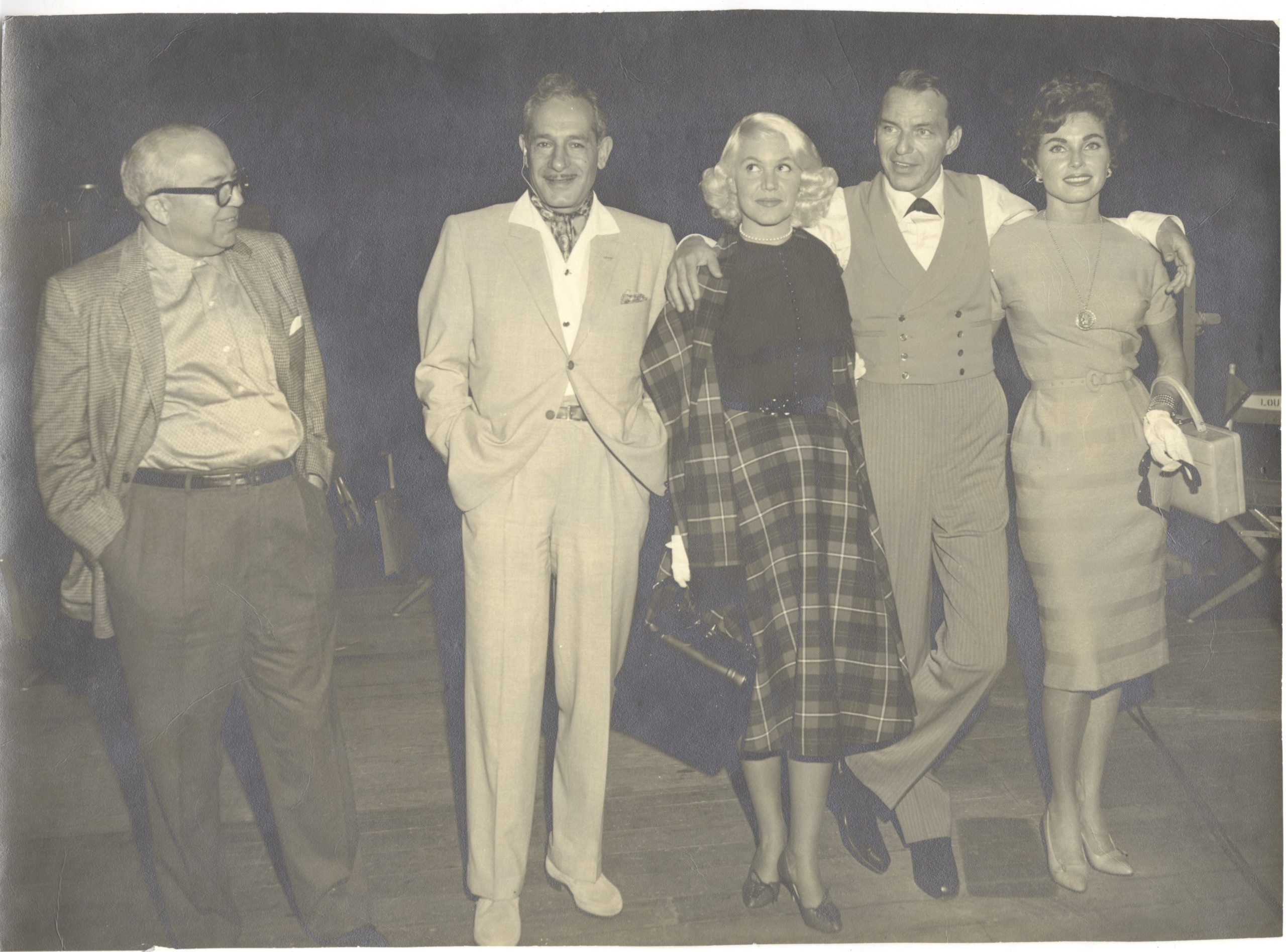
The original owner, Ben Novack Sr., envisioned a hotel that would epitomize post-war American luxury. Under his proprietorship, the Fontainebleau Miami Beach quickly became the playground for celebrities, politicians, and the jet set. Frank Sinatra, Elvis Presley, and countless other luminaries graced its stages and poolside lounges. Its ballrooms hosted iconic events, and its image became synonymous with the vibrant, glamorous era of 1950s and 60s Miami Beach. This golden age established the Fontainebleau Miami Beach’s reputation as a destination, not just a place to stay, imbuing it with an intangible value that transcends its physical assets.
Periods of Challenge and Change
Despite its early success, the Fontainebleau Miami Beach faced significant challenges over the decades. Shifting travel trends, changing economic landscapes, and a series of ownership changes led to periods of decline. After Ben Novack Sr.’s era, the hotel endured bankruptcies and a succession of owners, including prominent real estate investor Stephen Muss, who owned it for many years and invested in its upkeep. Each change of hands brought new strategies and sometimes conflicting visions, making it difficult for the property to maintain its original luster consistently. By the late 20th and early 21st centuries, while still recognizable, the Fontainebleau Miami Beach was a shadow of its former self, ripe for a comprehensive revitalization that only a dedicated and visionary owner could undertake.

The Soffer Family’s Enduring Investment
The Soffer family’s involvement with the Fontainebleau Miami Beach marks a pivotal chapter in its history, restoring the property to its former glory and propelling it into the future. Their vision went beyond mere renovation; it was a re-imagining that respected the past while embracing contemporary luxury.
Jeffrey Soffer’s Strategic Acquisition
Jeffrey Soffer, as the head of Fontainebleau Development, strategically acquired the resort in 2005. This was not a casual purchase but a deliberate move to revitalize an iconic property that held immense potential despite its tarnished state. Soffer recognized the intrinsic value of the Fontainebleau Miami Beach’s brand and its irreplaceable beachfront location on Collins Avenue. His family’s deep roots in South Florida real estate provided not only the capital but also the local market expertise necessary to undertake such an ambitious project. The acquisition marked the beginning of a new era, underpinned by an owner committed to long-term stewardship rather than short-term gains.
The Billion-Dollar Renovation
Following the acquisition, Jeffrey Soffer embarked on an unprecedented $1 billion renovation and expansion. This wasn’t just a facelift; it was a comprehensive overhaul that preserved Morris Lapidus’s iconic architecture while integrating state-of-the-art amenities and modern design elements. The project included the construction of two new luxury towers (Tresor and Sorrento, offering suites and residential condominiums), a complete refurbishment of the existing historic towers, the introduction of multiple world-class restaurants (including concepts by celebrity chefs), a lavish spa, and a complete re-imagining of the poolscape and beachfront facilities. This massive investment underscored Fontainebleau Development’s commitment to positioning the Fontainebleau Miami Beach as a premier luxury destination, rivaling any resort globally.
Expanding the Fontainebleau Brand
The success of the Fontainebleau Miami Beach’s revitalization under Jeffrey Soffer’s ownership also led to the strategic expansion of the Fontainebleau brand. Most notably, this includes the development of the Fontainebleau Las Vegas, a massive integrated resort project that faced its own set of challenges and delays before finally opening. This expansion demonstrates the owner’s belief in the enduring power and appeal of the Fontainebleau name, transforming it from a singular iconic hotel into a recognized luxury lifestyle brand with global aspirations. This broader brand strategy reflects a sophisticated understanding of the hospitality market and the desire to leverage the Fontainebleau Miami Beach’s legacy into new ventures.
What Ownership Means for the Guest Experience
The private and committed ownership of the Fontainebleau Miami Beach by Fontainebleau Development has profound implications for every guest who walks through its doors. It influences everything from the quality of the amenities to the consistency of the service and the overall ambiance of the resort.
Maintaining Luxury and Exclusivity
Private ownership, particularly by a development group with a vested interest in the property’s long-term success, allows for a greater focus on maintaining luxury and exclusivity. Unlike hotels operated by large, publicly traded chains, the Fontainebleau Miami Beach benefits from capital investment decisions that prioritize property enhancements and guest satisfaction over immediate shareholder returns. This translates into continuous updates, world-class amenities, and a dedication to high service standards. The ability to invest significantly in bespoke experiences, unique design elements, and a high staff-to-guest ratio ensures that the Fontainebleau Miami Beach remains a sanctuary of high-end hospitality, distinct from more standardized offerings.
Commitment to the Miami Market
Jeffrey Soffer’s deep personal and professional ties to Miami and South Florida foster a unique commitment to the local market. The Fontainebleau Miami Beach isn’t just an asset in a portfolio; it’s a landmark within the community that Soffer Development has helped shape. This local commitment often translates into a more authentic integration with Miami Beach’s culture, supporting local events, and maintaining a strong relationship with the community. Guests benefit from a property that is not only globally recognized but also deeply embedded in the vibrant spirit of its location, offering a more genuine Miami experience.
Innovation and Future Direction
Under the consistent ownership of Fontainebleau Development, the Fontainebleau Miami Beach is positioned for continuous innovation and growth. The owners have demonstrated a willingness to adapt to evolving luxury trends, from introducing new culinary concepts to embracing technological advancements in hospitality. This forward-looking approach ensures that the resort remains relevant and appealing to new generations of travelers while honoring its rich heritage. The investment in state-of-the-art convention facilities, residential components, and diverse entertainment options speaks to a comprehensive vision that sees the Fontainebleau Miami Beach as a dynamic, evolving destination, rather than a static historical site.
In conclusion, the Fontainebleau Miami Beach is owned by Fontainebleau Development, an entity led by Jeffrey Soffer. This private ownership has been instrumental in the resort’s spectacular renaissance, allowing for massive, strategic investments that have preserved its iconic status while propelling it into the future. From its visionary inception by Morris Lapidus and Ben Novack Sr. to its current stewardship, the Fontainebleau Miami Beach stands as a testament to the power of committed ownership in shaping a world-class hotel experience, cementing its legacy as one of the world’s most celebrated luxury destinations.
LifeOutOfTheBox is a participant in the Amazon Services LLC Associates Program, an affiliate advertising program designed to provide a means for sites to earn advertising fees by advertising and linking to Amazon.com. Amazon, the Amazon logo, AmazonSupply, and the AmazonSupply logo are trademarks of Amazon.com, Inc. or its affiliates. As an Amazon Associate we earn affiliate commissions from qualifying purchases.