
The allure of the Hawaiian Islands is undeniable, drawing millions of visitors each year to its pristine beaches, lush landscapes, and vibrant culture. Yet, behind the brochures and idyllic images lies a living, breathing state with a distinct population that forms the very fabric of its unique identity. Understanding the state population of Hawaii is not merely about reciting a number; it’s about appreciating the demographic tapestry that influences everything from local culture and lifestyle to the infrastructure supporting its thriving tourism industry.
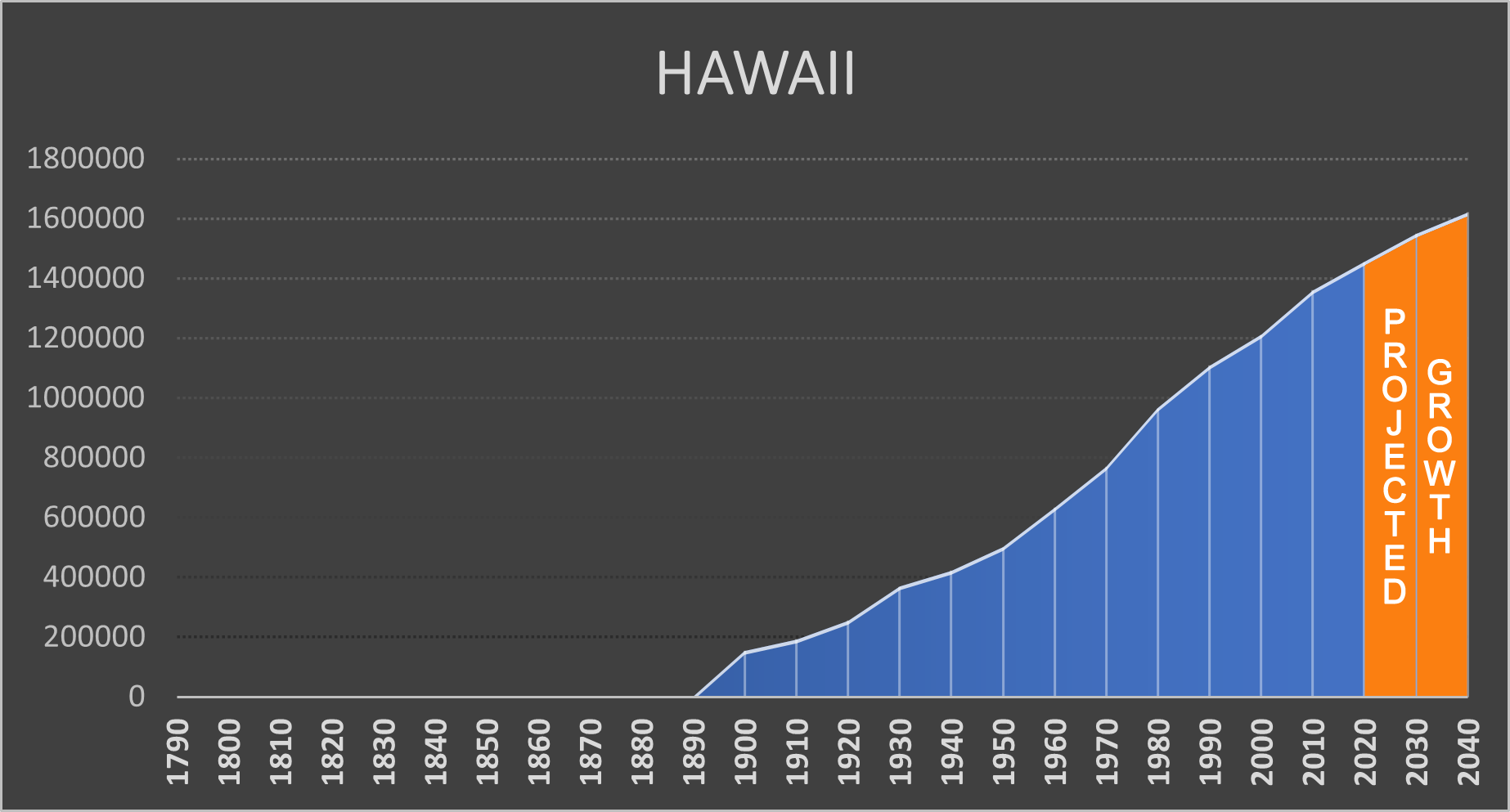
As of recent estimates, the state population of Hawaii hovers around 1.43 million residents. This figure positions Hawaii as one of the smaller states in the United States by population, a fact that profoundly impacts its character and capacity. For travelers, this number isn’t just a statistic; it’s a lens through which to view the islands’ capacity for visitors, the availability of accommodations, the preservation of natural wonders, and the genuine local experiences one can seek. The interplay between residents and tourists creates a dynamic environment that defines the contemporary Hawaiian experience.
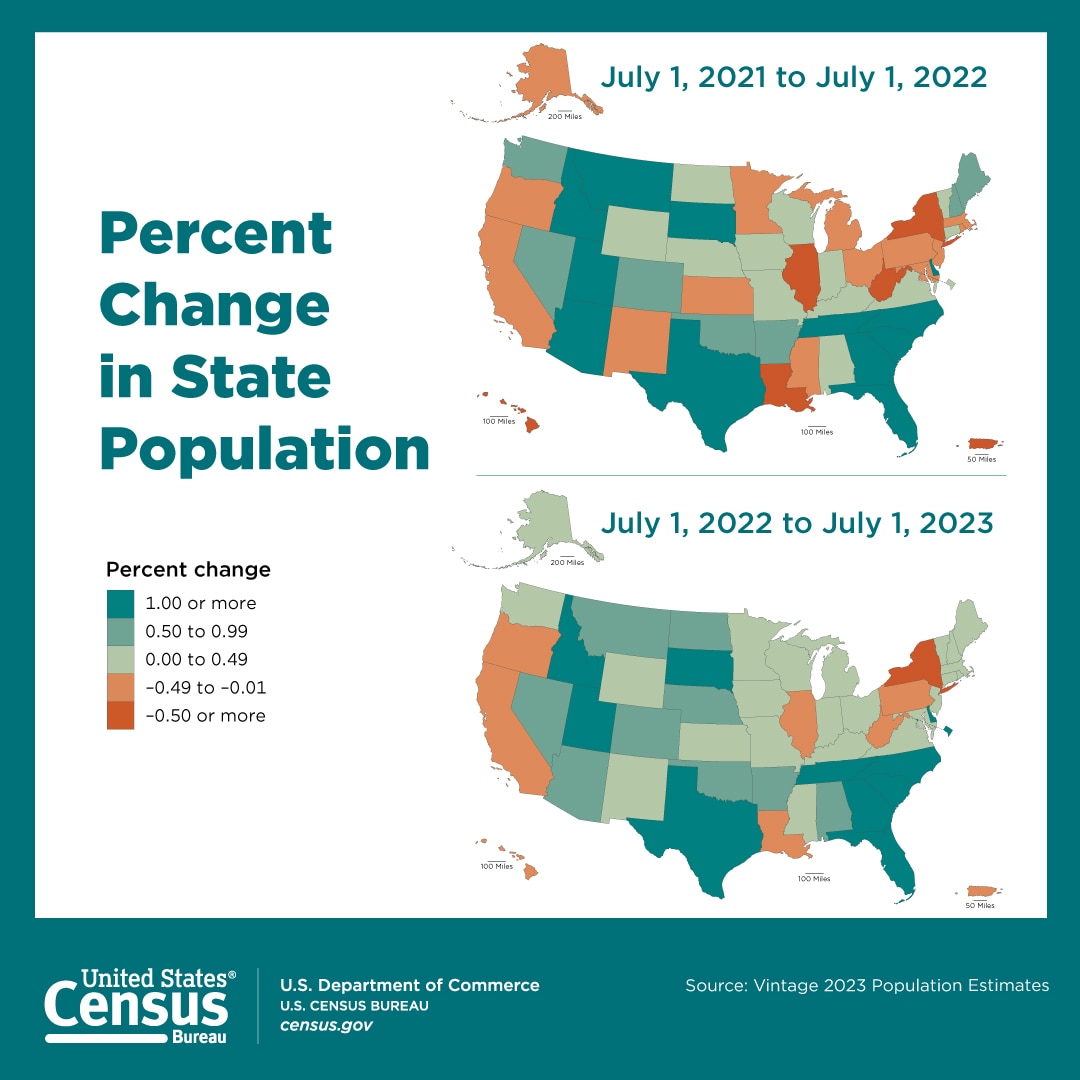
The Unique Demographics of the Aloha State
Hawaii’s population is more than just a count of individuals; it’s a rich mosaic of cultures, histories, and traditions that have converged over centuries. Situated in the middle of the Pacific Ocean, Hawaii has historically been a crossroads, attracting people from diverse backgrounds long before it became the 50th state of the United States. This unique demographic makeup is a cornerstone of the islands’ appeal, offering visitors an immersive cultural experience unlike any other.
A Melting Pot of Cultures and Its Tourist Appeal
The Hawaiian population is celebrated for its incredible ethnic diversity. While Native Hawaiians and other Pacific Islander groups form the indigenous roots of the islands, waves of immigration have introduced significant populations from Asia (including Japanese, Filipino, Chinese, and Korean communities) and Europe (primarily Portuguese and Caucasian settlers). This confluence has created a truly multicultural society where traditions, languages, and culinary practices from around the globe coexist and blend seamlessly.
For tourists, this cultural melting pot translates into an unparalleled array of experiences. Visitors can explore the bustling streets of Honolulu and sample authentic Japanese ramen, savor Filipino adobo, or enjoy a traditional Hawaiian luau. Festivals and events throughout the year celebrate this diversity, from the annual Honolulu Festival, showcasing cultural performances from Hawaii and the Pacific Rim, to smaller community gatherings that offer a glimpse into local life. This cultural richness is a major draw, adding depth and authenticity to any travel itinerary, making Hawaii not just a scenic destination but a profound cultural journey.
Population Density and Geographical Distribution
With a total population of approximately 1.43 million spread across a land area of roughly 6,423 square miles, Hawaii’s average population density is around 220 people per square mile. However, this figure doesn’t tell the whole story, as the population is far from evenly distributed across its eight main islands. The vast majority of residents, roughly 70%, reside on the island of Oahu, home to the state capital, Honolulu. This concentration creates significant urban centers alongside vast stretches of untouched natural beauty.
- Oahu: The most populous island, Oahu, is the hub of economic activity and boasts iconic attractions like Waikiki Beach and Pearl Harbor. Its high population density means a more bustling environment, with a wider selection of hotels, restaurants, and entertainment options, from luxury resorts to budget-friendly apartments.
- Maui: Known as the “Valley Isle,” Maui is the second most populous island, famous for its luxurious resorts in areas like Wailea and Kaanapali, and its stunning natural landscapes, including the Road to Hana.
- Big Island (Hawaii Island): The largest island geographically, the Big Island has a lower population density, characterized by active volcanoes at Volcanoes National Park, vast lava fields, and diverse ecosystems. Its main towns like Kona offer distinct experiences.
- Kauai: The “Garden Isle” is less densely populated and renowned for its dramatic cliffs, such as the Na Pali Coast, and lush rainforests, attracting nature lovers and adventure seekers looking for a more serene experience.
- Molokai and Lanai: These smaller islands are significantly less populated, offering truly exclusive and tranquil experiences, with luxury villas and resorts often catering to those seeking solitude and high-end retreats.
This distribution directly influences the type of travel experience one can expect. Travelers seeking vibrant city life, diverse dining, and extensive shopping might gravitate towards Oahu, while those yearning for unspoiled nature and quiet relaxation might prefer Kauai or the less developed parts of the Big Island. Understanding this geographical spread helps in planning an itinerary that aligns with one’s desired lifestyle and travel pace.
Population Dynamics and Their Impact on Tourism
The resident population of Hawaii is not static; it grows and shifts, influencing the very landscape of its most vital industry: tourism. Hawaii’s unique position as a top global destination means a constant balancing act between welcoming visitors and preserving the quality of life for its residents. The relationship between these two populations is complex, shaping development, policy, and the overall visitor experience.
Visitor Arrivals vs. Resident Population
While the resident population hovers around 1.43 million, Hawaii annually welcomes between 8 to 10 million visitors in a typical year. This staggering disparity—where the visitor count can be more than five times the resident population—highlights the immense pressure on the islands’ resources, infrastructure, and natural environment. During peak seasons, popular destinations like Waikiki Beach or the hiking trails around Diamond Head can feel significantly more crowded.
This influx necessitates robust planning for accommodation, transportation, and public services. The development of resort areas, from the expansive offerings in Kapalua on Maui to the family-friendly experiences at Aulani, a Disney Resort & Spa on Oahu, is a direct response to this demand. However, it also brings challenges, such as increased traffic, higher costs of living for residents, and environmental concerns, underscoring the need for sustainable tourism practices.
Sustainable Tourism and Community Integration
Recognizing the delicate balance required, Hawaii has increasingly focused on sustainable tourism initiatives. These efforts aim to minimize the negative impacts of tourism while maximizing its benefits for local communities and preserving the natural and cultural heritage of the islands. For travelers, this means a growing emphasis on respectful engagement, supporting local businesses, and participating in activities that benefit the environment, such as beach clean-ups or volunteering at cultural sites.
Many local tourism boards and organizations encourage visitors to “travel pono” – to travel with righteousness and respect. This philosophy fosters a deeper connection between visitors and the local community, moving beyond superficial sightseeing to genuine cultural exchange. Staying in locally owned apartments or boutique hotels, dining at restaurants that source ingredients from local farms, and engaging with artisans at local markets are ways to contribute positively to the economy and respect the resident population. Understanding the resident perspective helps travelers appreciate the “Aloha spirit” not just as a marketing term, but as a way of life that values community, hospitality, and reverence for the land.
Hawaii’s Population and the Travel Experience
The population size and distribution of Hawaii inherently shape the travel experience, from the types of accommodation available to the activities one can pursue. Understanding this dynamic is key to planning a fulfilling trip, whether one seeks a bustling urban adventure or a tranquil escape into nature.
Accommodation and Infrastructure for a Growing Visitor Base
The resident population’s concentration on islands like Oahu means that urban centers like Honolulu boast a vast array of accommodation options, from high-rise hotels along Waikiki Beach to various suites, resorts, and vacation rentals. On other islands, infrastructure is also robust, with luxury resorts like the Four Seasons Resort Maui at Wailea or The Ritz-Carlton, Kapalua offering world-class amenities. The Grand Hyatt Kauai Resort & Spa exemplifies the blend of luxury and natural beauty found on less densely populated islands.
Despite the relatively small resident population, the extensive tourism infrastructure is designed to accommodate millions. This includes well-developed transportation networks, a wide range of dining establishments catering to diverse tastes, and a comprehensive selection of tour operators and activity providers. However, high demand, especially during peak seasons, can lead to increased prices and limited availability, necessitating early booking for hotels, flights, and popular attractions. Travelers seeking long-term stays might explore options for apartments or villas, which offer a more integrated residential experience.
Lifestyle and Activities: Catering to Diverse Interests
The demographics of Hawaii’s residents, combined with the diverse interests of its visitors, foster a wide spectrum of lifestyle and activity offerings.
- Luxury Travel: Areas like Wailea on Maui and Kahala on Oahu cater to luxury travelers with exclusive resorts, private villas, high-end shopping, and gourmet dining experiences.
- Budget Travel: For those on a budget, hostels, guesthouses, and more affordable eateries are plentiful, particularly in larger towns. Exploring local markets and food trucks offers delicious and economical options.
- Family Trips: Hawaii is a premier family destination, with attractions like the Polynesian Cultural Center, numerous family-friendly beaches, and resorts designed with children in mind, such as Aulani, a Disney Resort & Spa.
- Business Stays: Honolulu, as a major city, serves as a hub for business travel, with convention centers, business hotels, and professional services supporting corporate visitors.
- Adventure and Nature: The less populated areas of the Big Island and Kauai offer unparalleled opportunities for hiking, surfing, snorkeling, and exploring volcanic landscapes or lush rainforests, attracting eco-tourists and adventure seekers.
The availability of these diverse options reflects a state that has learned to cater to its millions of visitors while striving to maintain the unique lifestyle and culture of its resident population.
Planning Your Hawaii Trip: Navigating Population and Popularity
Successfully planning a trip to Hawaii involves considering the impact of both resident and visitor populations. Strategic planning can help travelers find their ideal balance of vibrant activity and peaceful solitude, ensuring a memorable and respectful visit.
Best Times to Visit and Avoiding Overcrowding
Given Hawaii’s popularity, understanding peak seasons is crucial for managing expectations regarding crowds and prices.
- Peak Seasons: Winter (December-April) and summer (June-August) are generally the busiest, aligning with school holidays and colder weather on the mainland. During these times, attractions are more crowded, hotel prices are higher, and booking in advance is essential.
- Shoulder Seasons: Spring (April-May) and fall (September-November) offer a sweet spot. The weather is still excellent, but the crowds are thinner, and prices for flights and accommodations tend to be more reasonable. This is an ideal time for those seeking a more relaxed pace and a better chance to interact with locals without the overwhelming presence of fellow tourists.
- Consider Weekdays vs. Weekends: Even during peak seasons, planning activities on weekdays can help avoid some of the weekend crowds, especially at popular beaches and hiking trails that locals also frequent.
By strategically planning the timing of your visit, you can navigate the state’s popularity more effectively and enjoy a more serene experience.
Exploring Beyond the Main Tourist Hubs
To truly appreciate Hawaii’s unique charm and connect with its local culture, venturing beyond the most heavily touristed areas is highly recommended. While places like Waikiki Beach or the resorts of Maui offer undeniable appeal, the less-traveled paths often reveal the true heart of the islands.
- Discover Local Towns: Explore charming towns like Hana on Maui, Koloa Town on Kauai, or Paia for a glimpse into local life, authentic cuisine, and unique boutiques.
- Seek Out Hidden Gems: Utilize local guides or consult travel forums for recommendations on lesser-known beaches, hiking trails, or cultural sites that offer solitude and a more intimate connection with the land.
- Engage with Local Culture: Attend a community event, visit a farmers’ market, or try a small, family-run restaurant. These interactions not only support local businesses but also provide a deeper insight into the Hawaiian way of life, fostering a sense of shared community with the resident population.
- Respect the ‘Aina (Land): Always adhere to local guidelines, stay on marked trails, and practice “leave no trace” principles to protect Hawaii’s delicate ecosystems and show respect for the environment that residents cherish.
By embracing these strategies, travelers can enjoy the beauty and spirit of Hawaii while consciously contributing to its sustainable future and respecting the lives of its 1.43 million residents.
Ultimately, the state population of Hawaii is a foundational element that shapes every aspect of a visit to these enchanting islands. From the diverse cultural experiences offered by its vibrant communities to the varying degrees of population density across its islands, and the ongoing efforts towards sustainable tourism, the number of residents and their unique distribution are intrinsically linked to the unparalleled magic that draws visitors from across the globe. By understanding and respecting this intricate balance, travelers can ensure their journey to Hawaii is not just a vacation, but a meaningful engagement with a truly special place and its people.
LifeOutOfTheBox is a participant in the Amazon Services LLC Associates Program, an affiliate advertising program designed to provide a means for sites to earn advertising fees by advertising and linking to Amazon.com. Amazon, the Amazon logo, AmazonSupply, and the AmazonSupply logo are trademarks of Amazon.com, Inc. or its affiliates. As an Amazon Associate we earn affiliate commissions from qualifying purchases.