
Embarking on a journey to the Mile High City, or perhaps planning a virtual business meeting with colleagues located there, one of the most fundamental yet often overlooked details is understanding the local time zone. Denver, the vibrant capital of Colorado, operates on a specific time standard that impacts everything from flight schedules and hotel check-ins to the rhythm of daily life and optimal times for exploring its myriad attractions. For travelers, residents, and businesses alike, grasping Denver’s time zone is not just a matter of setting a watch; it’s a key to seamless travel experiences, effective communication, and truly immersing oneself in the local lifestyle.
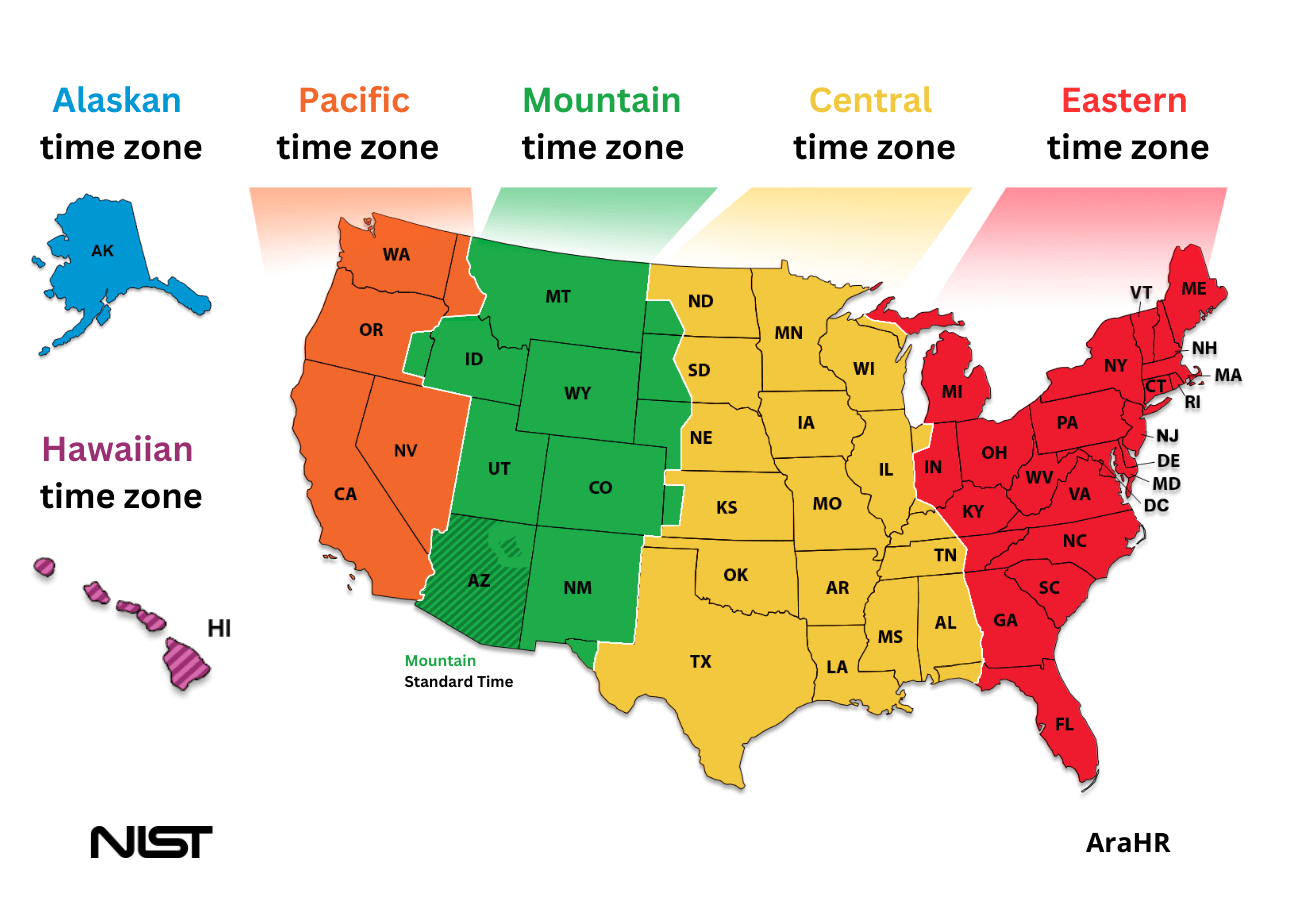
This comprehensive guide will delve into the specifics of Denver’s time zone, explain its intricacies, and provide practical insights for optimizing your visit or interactions. From deciphering Mountain Standard Time (MST) and Mountain Daylight Time (MDT) to managing jet lag and planning your itinerary, we’ll cover everything you need to know to stay perfectly in sync with Denver’s unique rhythm.
Unraveling Denver’s Time Zone: Mountain Standard Time
At its core, Denver observes the Mountain Time Zone. However, this isn’t a static designation throughout the year, thanks to the widely adopted practice of Daylight Saving Time. Understanding the nuances between Mountain Standard Time and Mountain Daylight Time is crucial for anyone planning to interact with the city.
Understanding MST (UTC-7) and MDT (UTC-6)
Most of the year, Denver operates on Mountain Standard Time (MST). This means it is seven hours behind Coordinated Universal Time (UTC), often expressed as UTC-7. UTC is the primary time standard by which the world regulates clocks and time, providing a constant reference point. So, if it’s 2:00 PM UTC, it would be 7:00 AM in Denver during MST.
However, like most of the United States, Denver observes Daylight Saving Time (DST). This annual practice typically begins on the second Sunday in March and ends on the first Sunday in November. During DST, clocks are moved forward by one hour to make better use of daylight. When Daylight Saving Time is in effect, Denver switches to Mountain Daylight Time (MDT), which is UTC-6. This means Denver is then only six hours behind UTC. So, using our previous example, if it’s 2:00 PM UTC, it would be 8:00 AM in Denver during MDT. The shift from MST to MDT effectively “springs forward” the clock, granting an extra hour of daylight in the evenings, a popular feature for locals and tourists enjoying outdoor activities.
Geographical Context: Where MST Reigns Supreme
The Mountain Time Zone primarily encompasses states located in the western and central parts of the United States, as well as parts of Canada and Mexico. In the U.S., states that largely observe Mountain Time (and thus MST/MDT) include Colorado, Arizona (with the notable exception that most of Arizona does not observe Daylight Saving Time and remains on MST year-round), New Mexico, Utah, Wyoming, Montana, and parts of Idaho, Nevada, Oregon, North Dakota, South Dakota, and Kansas. This extensive geographical area means that if you’re traveling within these regions, you’ll generally be on the same time schedule as Denver, simplifying travel planning and communication. However, the exception of Arizona highlights the importance of always double-checking local time rules, especially when coordinating across state lines.
Why Time Zones Matter for Your Denver Visit
Understanding Denver’s time zone is far more than an academic exercise; it’s a practical necessity for a smooth and enjoyable trip. Consider the following:
- Flight Schedules: All flight arrival and departure times for Denver International Airport (DIA) are listed in local Denver time. Miscalculating this could lead to missed flights or long waits.
- Hotel Check-ins and Check-outs: Standard hotel procedures operate strictly by local time. Arriving too early or too late due to a time zone miscalculation can affect your ability to check-in or checkout smoothly.
- Attraction Opening Hours: Whether you’re planning to visit the Denver Art Museum, explore Union Station, or catch a show at Red Rocks Amphitheatre, all operating hours are in local time.
- Restaurant Reservations: Missing a dinner reservation because you’re an hour off can derail a special evening, especially in popular dining districts like Larimer Square or LoDo.
- Business Meetings: For business travelers, being punctual is paramount. Knowing the precise local time ensures you’re on schedule for conferences, interviews, or client meetings.
In essence, being aware of Denver’s time zone allows you to synchronize with the city’s pulse, making your travel and experiences seamless and stress-free.
Navigating Time Differences: A Traveler’s Guide to Denver
Traveling across multiple time zones can be taxing, especially if you’re coming from the East Coast or international destinations. However, with a few proactive steps, you can effectively manage the transition and make the most of your time in Denver.
Planning Your Arrival: Flights and Jet Lag Management
For many visitors, the journey to Denver involves crossing one or more time zones. Travelers from the Eastern Time Zone will experience a two-hour difference, while those from the Pacific Time Zone will shift forward by one hour. International travelers might face even greater differences. This change can often lead to jet lag, which can manifest as fatigue, difficulty sleeping, irritability, or digestive issues.
Here are some tips for managing time differences and mitigating jet lag upon arrival in Denver:
- Adjust Before You Go: A few days before your trip, gradually shift your sleep schedule by an hour or two in the direction of Denver’s time zone.
- Stay Hydrated: Drink plenty of water before, during, and after your flight to combat dehydration, which can worsen jet lag.
- Avoid Alcohol and Excessive Caffeine: These can disrupt your sleep patterns and make adjustment harder.
- Embrace Natural Light: Upon arrival, expose yourself to natural light, especially in the mornings, to help reset your body’s internal clock. Take a walk around Cheesman Park or along the 16th Street Mall.
- Prioritize Sleep: Try to stick to Denver’s sleep schedule as much as possible. If you arrive early in the day, resist the urge to nap for too long.
- Break Up Long Journeys: If you’re coming from a very distant time zone, consider a layover to allow for a partial adjustment before reaching Denver.
Remember that Denver’s high altitude can also affect some individuals, so take it easy on your first day and allow your body to acclimatize to both the time zone and the elevation.
Synchronizing with Local Life: Dining, Attractions, and Events
Once you’ve landed at Denver International Airport and adjusted your watch, the next step is to integrate seamlessly into the local rhythm. Denver’s time zone dictates the pulse of its daily activities.
- Dining: Locals typically dine later than those on the East Coast. Dinner reservations around 7:00 PM or 8:00 PM are common. Breakfast spots might open around 7:00 AM, while lunch rushes typically occur between 12:00 PM and 1:30 PM. Be mindful of happy hour specials, which usually run from 3:00 PM to 6:00 PM local time.
- Attractions: Major attractions like the Denver Art Museum, Denver Botanic Gardens, or the Downtown Aquarium typically open their doors between 9:00 AM and 10:00 AM and close around 5:00 PM to 6:00 PM. Always check their official websites for the most current operating hours, especially as they can vary by season.
- Events and Entertainment: Concerts at the legendary Red Rocks Amphitheatre, sporting events featuring the Denver Broncos, or performances at the Denver Center for the Performing Arts will always list their start times in local Denver time. Plan your travel to these venues accordingly, allowing extra time for traffic and parking, especially if you’re heading to a packed event.
By understanding these patterns, you can optimize your itinerary to enjoy Denver’s offerings without feeling rushed or missing out.
Business and Communication Across Time Zones
For professionals, Denver’s time zone considerations extend beyond personal travel. Coordinating with colleagues, clients, or partners in different time zones requires careful planning.
- East Coast vs. West Coast: There’s a two-hour difference with the Eastern Time Zone (e.g., New York City) and a one-hour difference with the Pacific Time Zone (e.g., Los Angeles). This means early morning meetings for those on the West Coast and late afternoon for those on the East Coast are common bridging times.
- International Coordination: For global teams, the difference with UTC (either -7 or -6 hours) becomes crucial. Tools like world clock apps and meeting planners that automatically adjust for time zones are indispensable.
- Optimal Communication Windows: Identify a ‘golden hour’ or ‘golden window’ when all parties can realistically connect. This might mean an earlier start for Denver if connecting with Europe, or a later end to the day if connecting with Asia.
- Professional Courtesy: Always state the time zone when scheduling meetings (e.g., “10:00 AM MST” or “10:00 AM MT”). This eliminates ambiguity and demonstrates professionalism.
Whether you’re visiting for a conference at the Colorado Convention Center or managing remote teams, mastering time zone coordination is a valuable skill in today’s interconnected world.
Denver’s Rhythmic Flow: Time Zone’s Impact on Lifestyle and Tourism
The time zone doesn’t just dictate schedules; it shapes the very lifestyle and tourism experience in Denver. From the early morning light hitting the Rocky Mountains to the vibrant nightlife, the clock influences how locals live and how visitors engage with the city.
The Early Bird Gets the Mountain View: Outdoor Activities
Colorado is renowned for its breathtaking natural beauty and unparalleled outdoor activities. The Mountain Time Zone, particularly with the extended daylight hours of MDT, enhances these experiences.
- Sunrise Hikes: For adventurers, starting a hike in the foothills of the Rocky Mountains (like Chautauqua Park in nearby Boulder) or driving up to Mount Evans at dawn offers spectacular sunrise views that are often worth the early start.
- Ski Trips: During winter, a trip to Vail, Aspen, or other ski resorts means optimizing daylight. Lifts typically open between 8:30 AM and 9:00 AM, allowing for a full day on the slopes. Returning to Denver after a day of skiing is often made easier by the later sunset during MDT, or the crisp, early evening darkness of MST that ushers in cozy après-ski activities.
- Afternoon Adventures: The later sunset during MDT provides more daylight hours for activities like mountain biking, trail running, or enjoying a leisurely afternoon at a park. This extra hour of evening light is a boon for tourism, allowing visitors to pack more into their day.
Understanding the seasonal shift between MST and MDT is particularly vital for outdoor enthusiasts, as it directly impacts available daylight for adventure.
Nightlife and Entertainment: A Different Pace
When the sun sets, Denver’s vibrant nightlife comes alive, and the local time zone dictates its rhythm.
- Dinner and Drinks: Many upscale restaurants and trendy bars in areas like RiNo Art District or Highlands see their peak hours from 7:00 PM onwards. Live music venues and breweries often host acts starting around 8:00 PM or 9:00 PM.
- Concerts and Shows: As mentioned with Red Rocks Amphitheatre, concert start times are strictly local. If you’re coming from a different time zone, ensure you’ve properly adjusted to avoid missing the opening act or headliner.
- Late-Night Eats: Denver offers a good selection of late-night dining options, perfect for those who’ve embraced the local pace or are still adjusting from a different time zone. Many kitchens will serve until 10:00 PM or 11:00 PM, with some diners and casual spots open even later.
The relatively early sunsets during MST in winter can create a cozy atmosphere, perfect for heading indoors to enjoy craft breweries or intimate music venues. In contrast, the long summer evenings of MDT encourage outdoor patios and extended evening strolls.
Hotel Check-ins and Check-outs: Timely Transitions
Accommodation logistics are inextricably linked to the local time zone. When booking a hotel, resort, or apartment in Denver, standard check-in is typically around 3:00 PM or 4:00 PM local time, and check-out is usually between 11:00 AM and 12:00 PM.
- Early Arrivals: If your flight arrives early in the morning from the East Coast, you might find yourself arriving at your hotel several hours before standard check-in. It’s always a good idea to contact your hotel (e.g., Grand Hyatt Denver or The Maven Hotel) in advance to inquire about early check-in options or luggage storage, especially if you’re dealing with jet lag. Many hotels are accommodating if they have availability, but it’s not guaranteed.
- Late Departures: Similarly, if your flight departs late in the evening, inquire about late check-out or luggage storage facilities so you can continue exploring Denver without your bags.
- Booking Systems: When booking online, ensure the displayed times for availability, amenities, and special offers are either explicitly stated in Denver’s time zone or that you’ve mentally adjusted for any differences.
Being mindful of these time-based logistics ensures a smooth transition into and out of your accommodation, allowing you to maximize your enjoyment of Denver.
Mastering Time Management in the Mile High City
Ultimately, the goal is to make your visit to Denver as effortless and enjoyable as possible. Effective time management, anchored by a solid understanding of its time zone, is key to achieving this.
Essential Tools for Timekeeping
- Smartphones and Digital Devices: Most modern smartphones automatically adjust to local time based on your location. Ensure your phone’s automatic time zone setting is enabled.
- World Clock Apps: Dedicated world clock applications are invaluable for quickly checking times across multiple zones, especially for business travelers or those coordinating with family abroad.
- Travel Watches: A dual-time zone travel watch can be a stylish and practical accessory, allowing you to keep track of both your home time and Denver’s local time at a glance.
- Hotel Clocks: While often reliable, it’s always a good practice to cross-reference with your phone or personal device.
Embracing the Denver Pace
Beyond the technicalities of UTC offsets and Daylight Saving Time, embracing Denver’s pace is part of the experience. The Mile High City offers a unique blend of outdoor adventure and urban sophistication. By understanding its time zone, you’re not just avoiding logistical headaches; you’re stepping into the rhythm of a city that values its sunlight, its early mornings for mountain excursions, and its vibrant evenings for cultural enjoyment. Allow yourself to adapt to the local schedule, whether that means rising early to catch a stunning sunrise over the plains or enjoying a later dinner after a day of exploration.

Conclusion
Denver, Colorado, observes the Mountain Time Zone, shifting between Mountain Standard Time (UTC-7) in winter and Mountain Daylight Time (UTC-6) during the warmer months due to Daylight Saving Time. This seemingly simple detail holds significant implications for every aspect of travel, tourism, and lifestyle within the city. From meticulously planning your arrival at Denver International Airport and managing the effects of jet lag, to seamlessly integrating into local dining customs, attraction schedules, and business communications, a clear understanding of Denver’s time zone is indispensable.
By familiarizing yourself with MST and MDT, preparing for time shifts, and utilizing modern timekeeping tools, you can ensure your visit to the Mile High City is not only punctual but also profoundly enriching. Embrace the unique rhythm of Denver, synchronize your schedule with its pulse, and unlock a more relaxed, efficient, and memorable travel experience, whether you’re here to explore the majestic Rocky Mountains or delve into its thriving urban culture.
LifeOutOfTheBox is a participant in the Amazon Services LLC Associates Program, an affiliate advertising program designed to provide a means for sites to earn advertising fees by advertising and linking to Amazon.com. Amazon, the Amazon logo, AmazonSupply, and the AmazonSupply logo are trademarks of Amazon.com, Inc. or its affiliates. As an Amazon Associate we earn affiliate commissions from qualifying purchases.