
For many travelers and those planning a visit to the Gem State, the question “What time is it in Idaho?” might seem straightforward. However, the answer is more nuanced than one might expect, as Idaho is uniquely split between two distinct time zones: Mountain Time Zone (MT) and Pacific Time Zone (PT). This geographical quirk has significant implications for travel planning, accommodation bookings, and fully immersing oneself in the diverse experiences Idaho has to offer. Understanding this division is key to seamlessly navigating your journey through a state celebrated for its stunning natural beauty, vibrant cities, and endless outdoor adventures. Whether you’re chasing the thrill of world-class skiing, exploring ancient volcanic landscapes, or relaxing by pristine alpine lakes, knowing the correct time zone for your specific destination will ensure a smooth and enjoyable trip, preventing missed appointments, late check-ins, or confusing communication. From the bustling capital of Boise to the serene shores of Lake Coeur d’Alene, Idaho’s time zones are an integral part of its travel tapestry, influencing everything from flight schedules to local dining hours. This comprehensive guide will demystify Idaho’s time zones and provide invaluable insights for planning your next unforgettable Idaho escape, covering everything from top attractions and luxurious resorts to budget-friendly stays and authentic local experiences.
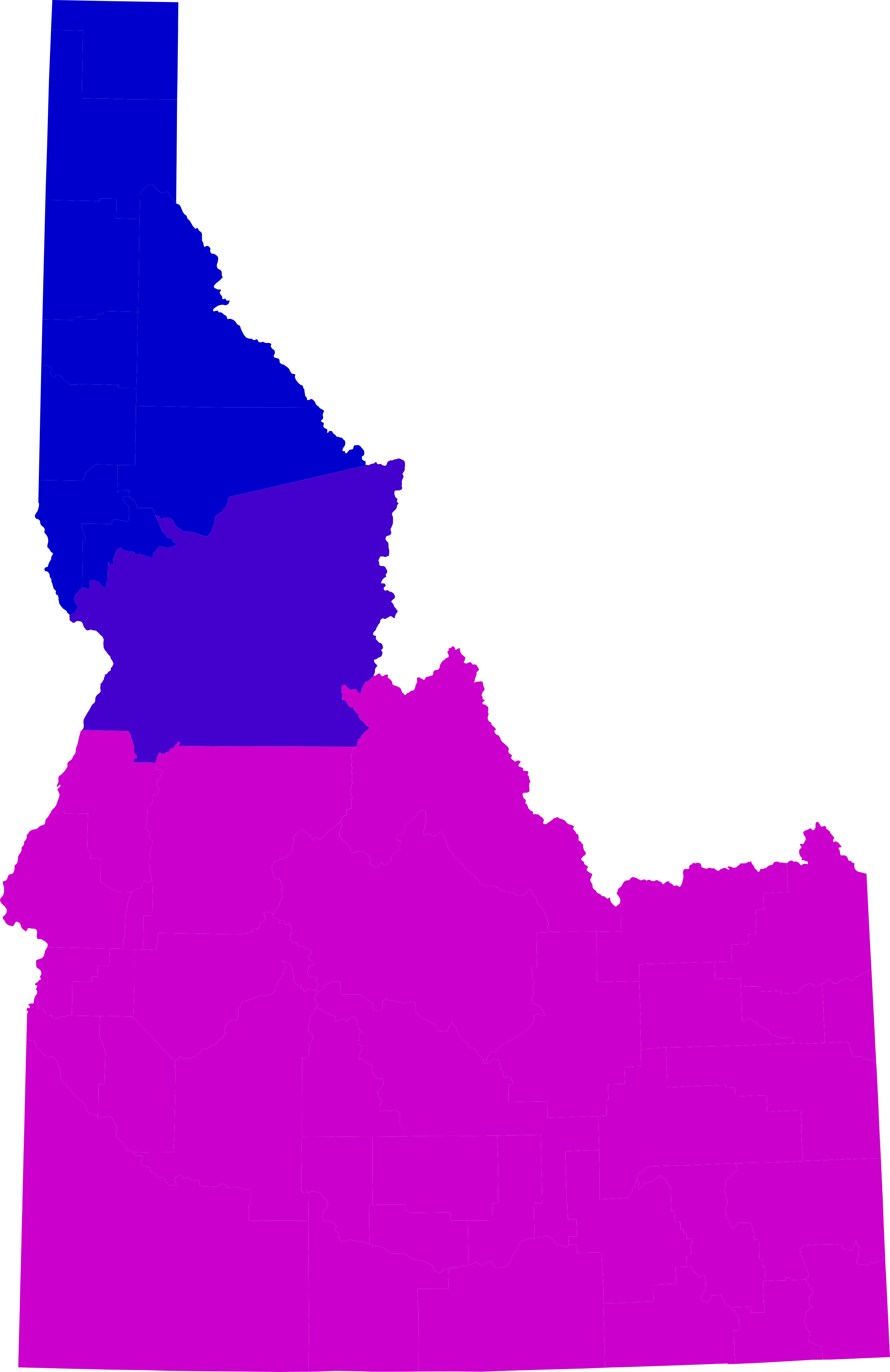
Decoding Idaho’s Dual Time Zones: Mountain vs. Pacific
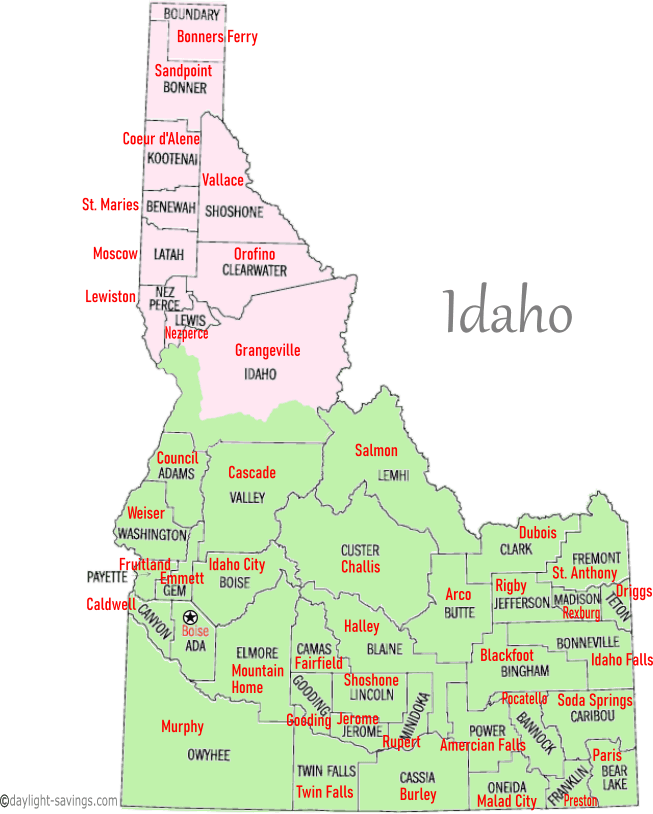
The geographical spread of Idaho across two time zones is primarily due to its elongated north-south orientation and its proximity to neighboring states. The vast majority of the state, including its most populous areas and the state capital, observes Mountain Time, while a smaller, but equally significant, portion of the state’s northern panhandle operates on Pacific Time. This division is not arbitrary but rather a practical alignment with economic and social ties to adjacent regions, particularly Washington and Oregon to the west. For travelers, this means a crucial first step in planning any visit to Idaho is to pinpoint which time zone their destination falls within. Misjudging this can lead to a cascade of minor inconveniences, from showing up an hour late for a booked tour to missing the check-in window for your accommodation. Understanding the boundaries and the implications of each time zone is essential for a stress-free travel experience, allowing you to focus on enjoying the breathtaking landscapes and unique culture of the Gem State rather than grappling with temporal discrepancies.
The Mountain Time Zone Dominance
The overwhelming majority of Idaho operates on the Mountain Time Zone. This includes the capital city of Boise and other major population centers like Pocatello, Idaho Falls, Twin Falls, and Sun Valley. When Daylight Saving Time is in effect, from early spring to early autumn, these areas observe Mountain Daylight Time (MDT). For instance, if you’re planning a business stay in Boise, attending a conference, or embarking on a family trip to explore the historical sites and vibrant arts scene, all your schedules, from flights arriving at Boise Airport to dinner reservations at a downtown restaurant, will adhere to Mountain Time. This zone encompasses the scenic central and southern regions of the state, home to iconic landmarks such as Shoshone Falls near Twin Falls and the otherworldly landscapes of Craters of the Moon National Monument and Preserve. If you’re heading to the eastern part of Idaho as a gateway to Yellowstone National Park or Grand Teton National Park, you’ll also be firmly in Mountain Time, aligning with most of Wyoming and Montana. When booking hotels, whether it’s a luxury resort like The Grove Hotel in Boise or a cozy cabin near Pocatello, all check-in and check-out times will be specified in MT or MDT. This broad expanse of the state is characterized by majestic mountains, expansive high deserts, and the winding Snake River, offering countless opportunities for outdoor recreation, from whitewater rafting to world-class fly fishing.
The Panhandle’s Pacific Time Zone
In stark contrast to the majority of the state, the narrow strip of northern Idaho, often referred to as the Idaho Panhandle, observes the Pacific Time Zone. This region includes prominent cities like Coeur d’Alene, Lewiston, and Sandpoint. During Daylight Saving Time, these areas switch to Pacific Daylight Time (PDT). The reason for this temporal anomaly is largely geographical and economic; the panhandle is much more closely aligned with eastern Washington and Oregon in terms of trade, transportation, and social interaction than it is with southern Idaho. For example, many residents of Coeur d’Alene frequently travel to Spokane, Washington, just a short drive away, and sharing a time zone simplifies daily life and business operations. If your travel plans include a visit to the stunning Coeur d’Alene Resort for a luxury stay, a family adventure on Lake Coeur d’Alene, or exploring the gateway to Hells Canyon from Lewiston, all your appointments and activities will be on Pacific Time. Ski enthusiasts heading to Schweitzer Mountain Resort near Sandpoint should also factor in PT. This region, characterized by lush forests, pristine lakes, and the majestic Selkirk Mountains, offers a distinctly different vibe from the southern part of the state. Therefore, when making reservations for hotels, tours, or dining in the panhandle, always confirm that you are considering Pacific Time to avoid any scheduling mishaps, especially when coordinating with activities in the Mountain Time portion of Idaho or other neighboring states like Montana.
Navigating Time Zones for an Unforgettable Idaho Experience
Effectively managing the time zone differences is paramount for a seamless and enjoyable travel experience in Idaho. The state’s unique temporal geography means that a little foresight and planning can go a long way in preventing confusion and ensuring that every moment of your trip is spent savoring the beauty and excitement of the Gem State. Whether you’re embarking on a road trip that spans both time zones, coordinating with friends or family located in different parts of the state, or simply making a critical reservation, understanding how to navigate this temporal divide is a crucial travel tip. It’s not just about knowing “what time it is,” but more importantly, about appreciating the implications for logistics, communication, and overall enjoyment. From syncing your devices to double-checking booking confirmations, thoughtful planning will enable you to fully embrace Idaho’s diverse offerings without the stress of being an hour off schedule. This section provides practical advice and essential tips to help you master time zone transitions and ensure your Idaho adventure unfolds precisely as planned.
Planning Your Idaho Itinerary: Bridging the Time Gap
When crafting your Idaho itinerary, especially if it involves traveling across the time zone boundary, meticulous planning is your best friend. For instance, if you fly into Boise Airport (MT) but plan to spend your first night in Coeur d’Alene (PT), you’ll gain an hour when you cross into the panhandle, or lose an hour when traveling southbound. This seemingly simple fact can impact everything from your flight connections, particularly if you have a connecting flight from Spokane International Airport (also PT), to the timing of your hotel check-in. Always confirm all booking times – for accommodations, guided tours, restaurant reservations, or even lift tickets at ski resorts like Sun Valley Resort or Schweitzer Mountain Resort – using the local time of your specific destination. Many online booking platforms and travel guides will automatically adjust to your current time zone, but it’s always prudent to double-check the time zone specified on the confirmation. If you’re planning a multi-day driving trip, consider where you’ll be at the time zone change. For example, a journey from Boise to Lewiston will involve crossing into Pacific Time, giving you an extra hour in your day but requiring you to adjust your internal clock. Conversely, heading south from Sandpoint to Idaho Falls means losing an hour. Incorporating this into your daily schedule can prevent rushing or missing out on planned activities.
Essential Tips for Travelers and Locals

For a seamless Idaho travel experience, here are some essential tips to keep in mind regarding time zones. First and foremost, always verify the local time zone for any specific appointment or reservation. Most modern smartphones and electronic devices automatically update to the correct local time zone, which is incredibly helpful, but it’s wise to double-check your device settings, especially if crossing the time zone boundary multiple times. When communicating with people in a different Idaho time zone, clearly state the time zone you are referring to, e.g., “Let’s meet at 2 PM Mountain Time” or “The tour starts at 10 AM Pacific Time.” This simple clarification can prevent considerable confusion. Be especially mindful of Daylight Saving Time transitions, which occur simultaneously across both time zones in Idaho, meaning the time difference remains constant. However, for those traveling from states that do not observe Daylight Saving Time, such as Arizona (which stays on Mountain Standard Time year-round), this can introduce an additional layer of complexity. If you’re crossing state lines, remember that Oregon and Washington are primarily Pacific Time, while Montana, Utah, and Wyoming are Mountain Time, and Nevada is Pacific Time. Keeping a small, non-smart travel clock set to your “home” time zone can also be useful for orientation. By following these straightforward tips, you can effectively manage Idaho’s dual time zones and fully immerse yourself in the rich experiences the state offers, from vibrant city life to tranquil natural retreats, ensuring your lifestyle of exploration is uninterrupted by temporal hiccups.
Beyond the Clock: Idaho’s Diverse Attractions and Experiences
While understanding Idaho’s time zones is a practical necessity, it’s merely the prelude to exploring the state’s incredible array of attractions and experiences. Idaho is a treasure trove for travelers, offering everything from adrenaline-pumping outdoor adventures to cultural immersions and serene getaways. The diverse landscapes, shaped by the Rocky Mountains, volcanic activity, and powerful rivers, provide a stunning backdrop for any kind of trip. Whether you’re seeking a luxury travel experience with high-end resorts and gourmet dining, a budget-friendly family trip packed with educational opportunities, or a romantic escape amidst breathtaking scenery, Idaho delivers. From the bustling energy of its capital city to the tranquil beauty of its northern lakes, each region holds its unique charm and a host of activities to fill your itinerary. This section delves into some of the most captivating destinations and activities across both of Idaho’s time zones, highlighting why this state is a must-visit for any discerning traveler. We’ll explore landmarks, local culture, food, and the types of accommodation that perfectly complement each experience, ensuring your trip transcends a simple clock-watching exercise and becomes a truly memorable adventure.
Exploring the Mountain Time Zone’s Gems
The Mountain Time Zone portion of Idaho is home to some of the state’s most iconic destinations. The capital city of Boise is a vibrant urban hub offering a fantastic blend of outdoor activities and cultural attractions. Visitors can stroll or bike along the scenic Boise River Greenbelt, explore the Idaho State Capitol Building, or discover the local craft beer scene. For accommodation, Boise boasts a range of boutique hotels and larger chains like the Hyatt Centric Downtown Boise, suitable for business stays or leisure. Just a short drive from Boise, the Bogus Basin Mountain Recreation Area offers skiing and snowboarding in winter and hiking and mountain biking in summer. Further east, near Ketchum, lies the legendary Sun Valley Resort, a premier luxury destination renowned for its world-class skiing, golf courses, and year-round activities. It’s an ideal spot for those seeking upscale resorts and a refined experience. Near Twin Falls, don’t miss the awe-inspiring Shoshone Falls, often called the “Niagara of the West,” a magnificent natural landmark perfect for a scenic stop or an adventurous base for canyon activities. Southeast Idaho is also a fantastic launching point for exploring Yellowstone National Park and Grand Teton National Park, making Idaho Falls a popular stay for those venturing into these natural wonders. For a truly unique experience, visit the lunar-like landscapes of Craters of the Moon National Monument and Preserve, offering incredible hiking and stargazing opportunities.
Discovering the Pacific Time Zone’s Panhandle Paradise
Switching to Pacific Time, the Idaho Panhandle reveals a landscape dominated by stunning lakes and lush forests. Coeur d’Alene is the crown jewel of this region, famous for Lake Coeur d’Alene itself. This area offers unparalleled opportunities for water sports, fishing, and scenic cruises. The Coeur d’Alene Resort is a world-renowned destination, offering luxury accommodation, championship golf, and a floating green. For those seeking family trips or romantic getaways, the city also provides a range of charming hotels, vacation rentals, and excellent dining options focused on local culture and fresh cuisine. Further north, Sandpoint sits on the shores of Lake Pend Oreille, Idaho’s largest and deepest lake, and is home to Schweitzer Mountain Resort, which boasts some of the best skiing and snowboarding in the Pacific Northwest. Sandpoint offers a more relaxed, artsy vibe with quaint shops and local breweries. To the west, Lewiston, located at the confluence of the Snake and Clearwater Rivers, is the gateway to Hells Canyon, North America’s deepest river gorge. Here, visitors can embark on exhilarating jet boat tours, whitewater rafting adventures, or scenic hikes, delving into incredible natural history. The panhandle’s proximity to cities like Spokane makes it an accessible and popular destination, perfect for those who appreciate lakeside tranquility coupled with mountainous recreation.
Accommodation and Lifestyle: Making the Most of Your Idaho Stay
Beyond the adventure and natural wonders, Idaho offers a diverse range of accommodation options and a distinctive lifestyle that caters to all types of travelers. The emphasis on outdoor living, coupled with a growing appreciation for local crafts, cuisine, and culture, shapes the hospitality and experiences found throughout the state. From sprawling luxury resorts that pamper guests with every amenity imaginable to rustic cabins offering an authentic escape into nature, Idaho’s accommodation scene is as varied as its landscapes. Understanding how to choose the right base for your exploration, and how it integrates with your desired travel lifestyle, is crucial for maximizing your enjoyment. This section will guide you through the types of places to stay and how to embrace the unique Idaho way of life, ensuring your lodging enhances your overall journey, rather than just providing a place to sleep. By carefully considering your preferences for booking, reviews, and comparison, you can find the perfect home away from home, whether for a short getaway or a long-term stay.
Finding Your Ideal Base Across Idaho
Idaho’s hospitality sector is as varied as its terrain. In major cities like Boise and Idaho Falls, you’ll find a wide selection of hotels, from budget-friendly options to upscale establishments perfect for business stays. For a more luxurious experience, destinations like Sun Valley Resort and Coeur d’Alene Resort offer suites, resorts, and villas with world-class amenities including spas, golf courses, and fine dining. These resorts often provide comprehensive packages that make planning a luxury travel or family trip effortless. For those seeking a more intimate connection with nature, especially in areas like McCall or near Lake Pend Oreille, numerous charming cabins, boutique lodges, and vacation rentals are available, offering a cozy retreat after a day of exploration. Websites for booking accommodation are invaluable resources, allowing you to compare options, read reviews, and find the perfect fit for your budget and preferences. Remember to consider the time zone for your check-in and check-out times, especially if your arrival or departure involves crossing the Mountain Time/Pacific Time boundary, to avoid any unexpected delays or fees. Long-term stay apartments are also becoming popular for remote workers or those wanting an extended immersion in Idaho’s lifestyle, offering a home-away-from-home feel with added flexibility.
Embracing the Idaho Lifestyle
The Idaho lifestyle is deeply rooted in outdoor recreation, a sense of community, and an appreciation for locally sourced goods. Embracing this means diving into the activities that define the state. Think whitewater rafting on the Salmon River, fly fishing in pristine streams, hiking in the Sawtooth Mountains, or mountain biking through dense forests. Winter brings opportunities for skiing, snowboarding, and snowmobiling across the state’s many mountain ranges. Beyond adventure, the culinary scene is thriving, with an emphasis on farm-to-table dining, craft breweries, and the burgeoning wine industry, particularly in the Snake River Valley AVA near Boise. Exploring local culture might involve visiting a farmers’ market, attending a rodeo, or experiencing Native American heritage sites. For families, many attractions cater to all ages, from exploring the interactive exhibits at the Discovery Center of Idaho in Boise to enjoying water parks in Coeur d’Alene. Budget travel is achievable through camping, staying in hostels, or utilizing vacation rentals. Luxury travelers can indulge in high-end spas, private tours, and exclusive dining experiences. Regardless of your travel style, Idaho offers an authentic, enriching experience that extends far beyond merely noting the time. It’s about living in the moment, embracing the great outdoors, and connecting with the unique spirit of the Gem State.
Ultimately, “What time is it in Idaho?” is a question that opens the door to a deeper understanding of this diverse and captivating state. While the dual time zones of Mountain Time and Pacific Time present a unique consideration for travelers, it’s a minor detail easily managed with a little forethought. Far from being a hindrance, this temporal split simply adds another layer to the rich tapestry that is Idaho travel, reminding us of its varied geography and cultural connections. From the bustling streets of Boise to the serene waters of Lake Coeur d’Alene, and from the majestic peaks of Sun Valley to the rugged wilderness of Hells Canyon, Idaho offers a remarkable array of destinations, attractions, and experiences. By paying attention to time zones, choosing your ideal accommodation, and immersing yourself in the local lifestyle, you’re set to create lasting memories. So, pack your bags, set your clocks, and prepare to explore the unparalleled beauty and adventure that awaits in the Gem State, where every hour offers a new opportunity for discovery.
LifeOutOfTheBox is a participant in the Amazon Services LLC Associates Program, an affiliate advertising program designed to provide a means for sites to earn advertising fees by advertising and linking to Amazon.com. Amazon, the Amazon logo, AmazonSupply, and the AmazonSupply logo are trademarks of Amazon.com, Inc. or its affiliates. As an Amazon Associate we earn affiliate commissions from qualifying purchases.