
Understanding the intricacies of sales tax is a crucial aspect of planning any trip or engaging in commerce within the Sunshine State. Florida’s sales tax structure impacts everything from the cost of a souvenir picked up in a quaint shop in St. Augustine to the nightly rate at a luxurious Miami resort. This guide delves into the current state sales tax rates, the additional local discretionary sales taxes, and how these figures are applied to various goods and services, offering clarity for both residents and visitors.
Understanding Florida’s State Sales Tax Rate
At its core, Florida levies a state sales tax on the sale or rental of tangible personal property and the sale of taxable services. This tax is a vital revenue stream for the state, funding essential public services.
The Base State Rate
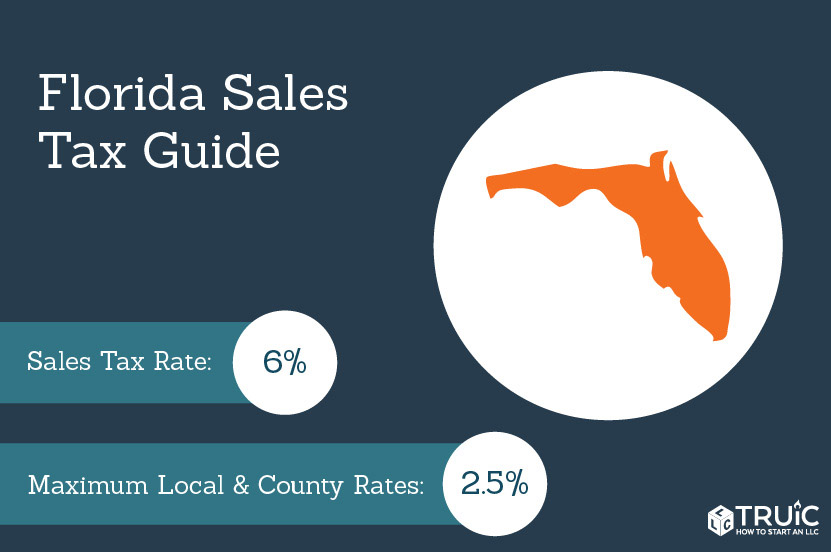
The current statewide sales tax rate in Florida is 6%. This rate applies uniformly across all 67 counties. When you make a qualifying purchase, this 6% is added to the purchase price, and the total is what you will pay. It’s important to note that this is the state portion of the tax; the total tax you encounter at the point of sale often includes additional local taxes.
Taxable vs. Exempt Items
The applicability of sales tax hinges on whether the item or service is specifically listed as taxable by Florida law. Many essential goods are exempt to alleviate financial burdens on consumers.
- Taxable Items: Generally include most tangible goods like clothing, electronics, furniture, and recreational equipment. Taxable services encompass a wide range, including admissions to amusement, entertainment, and recreational facilities, as well as certain repair and maintenance services. For travelers, this means that tickets to theme parks like Walt Disney World or Universal Studios Florida, car rentals, and most hotel stays are subject to sales tax.
- Exempt Items: Florida provides exemptions for a significant number of items to support citizens and specific industries. These often include groceries (food for home consumption), prescription medicines, over-the-counter drugs, and certain essential services like residential utilities. The exemption for groceries is a notable benefit for families and individuals managing their budgets.
Local Discretionary Sales Surtaxes
Beyond the 6% state sales tax, Florida counties have the authority to impose additional local discretionary sales surtaxes. These surtaxes are often referred to as “local option taxes” and are designed to fund local projects, such as infrastructure improvements, public transportation, or law enforcement.
How Local Taxes Are Applied
Each county can levy these surtaxes at different rates, leading to a variation in the total sales tax burden depending on your location within the state. The maximum rate for local discretionary sales surtaxes is typically 1.5%, meaning the combined state and local sales tax could reach up to 7.5% in many areas.
- County-Specific Rates: To determine the exact sales tax you will pay, you must identify the specific county where the transaction occurs. For instance, a purchase made in Orlando will have a different total tax rate than one made in Tampa.
- Commonly Taxed Items at the Local Level: These local surtaxes apply to the same goods and services that are subject to the state sales tax. This means that if an item is taxed at the state level, it will also be subject to any applicable local surtaxes.
- Distribution of Revenue: The revenue generated from these local surtaxes is distributed to the respective counties, providing them with additional funding for local initiatives. This allows communities to tailor their revenue collection to their specific needs and priorities.
The Tourist Development Tax
A significant component of local taxation, particularly relevant to travelers, is the Tourist Development Tax (TDT), often referred to as a “bed tax.” This tax is levied on the rental of transient accommodations, such as hotel rooms, motels, and vacation rentals.
- Purpose of the TDT: The TDT is specifically aimed at funding tourism-related initiatives, including advertising and promotion of tourism, construction and maintenance of public recreational facilities, and capital improvements for convention centers and sports facilities. In essence, it’s a tax paid by tourists that helps enhance the very attractions and amenities they come to enjoy.
- Varying Rates: The TDT rate varies significantly by county, often ranging from 2% to 6% or even higher in some popular tourist destinations. This is in addition to the state and county discretionary sales taxes.
- Impact on Accommodation Costs: For visitors staying in hotels, resorts, or vacation rentals, the TDT can noticeably increase the overall cost of their accommodation. It’s essential for travelers to factor this additional tax into their accommodation budget. For example, a hotel advertised at $200 per night in Key West might end up costing significantly more once state sales tax, county discretionary tax, and the local Tourist Development Tax are applied.
Specific Considerations for Travelers and Businesses
Navigating Florida’s sales tax landscape requires attention to detail, especially for those who travel frequently or operate businesses within the state.
Purchases and Rentals While Traveling
When you are on vacation in Florida, nearly every purchase beyond basic groceries and medicines will be subject to sales tax.
- Dining Out: Meals purchased at restaurants are generally taxable. The 6% state rate plus any applicable local surtaxes will be added to your bill.
- Shopping: From souvenirs in Clearwater to fashion in Palm Beach, most retail purchases are taxable.
- Transportation: Rental cars, boat rentals, and even parking fees in many areas are subject to sales tax.
- Entertainment: Tickets to sporting events, concerts, theme parks, museums, and other attractions are taxable.
Business Obligations and Compliance
Businesses operating in Florida have specific responsibilities regarding the collection and remittance of sales tax.
- Sales Tax Permits: Businesses that sell or rent taxable goods or services in Florida are generally required to obtain a sales tax permit from the Florida Department of Revenue.
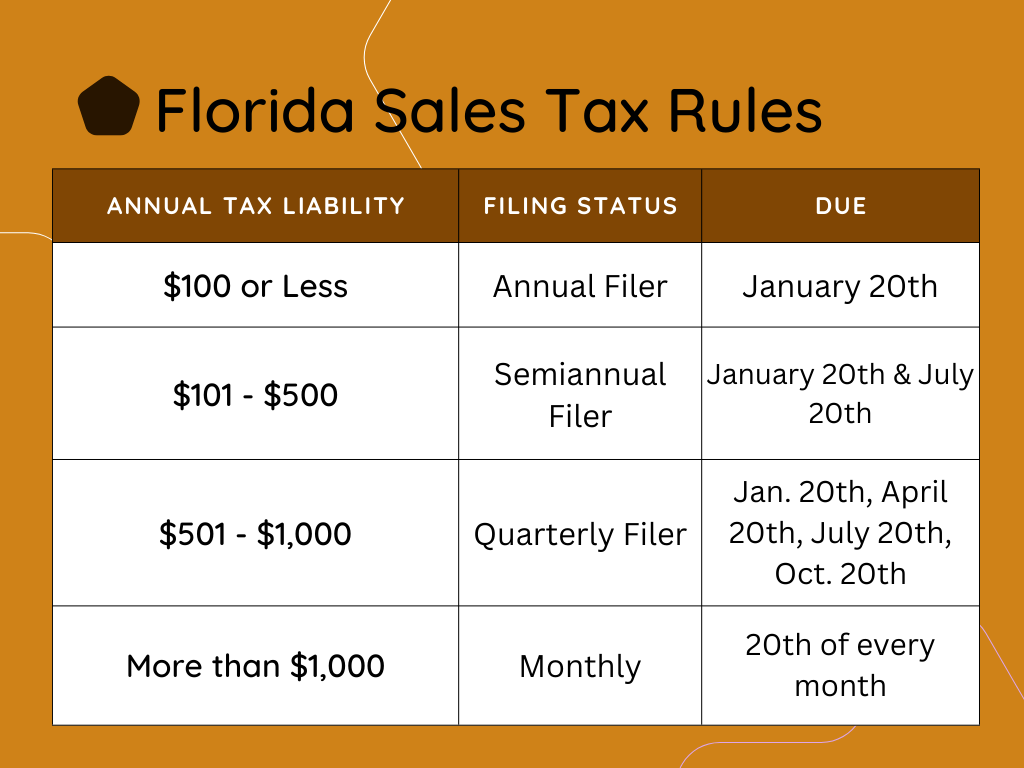
- Filing and Remittance: Businesses must file sales tax returns periodically (monthly, quarterly, or annually, depending on their sales volume) and remit the collected taxes to the state.
- Record Keeping: Maintaining accurate records of all sales, collected taxes, and tax filings is crucial for compliance and to avoid penalties.
- Interstate Commerce: While sales tax primarily applies to transactions within Florida, there are rules regarding remote sellers and online marketplaces that may require businesses selling into Florida from other states to collect and remit Florida sales tax.
Staying Informed About Florida’s Sales Tax
The tax laws in Florida, like in many states, can be subject to change. Staying informed is key to accurate budgeting and compliance.
Resources for Accurate Information
The most reliable source for current Florida sales tax information is the Florida Department of Revenue. Their website provides detailed publications, tax rate charts, and information on taxable and exempt items.
- Florida Department of Revenue Website: (floridarevenue.com) This official portal offers a wealth of information, including:
- Current state and local sales tax rates.
- Lists of taxable and exempt goods and services.
- Information on how to obtain a sales tax permit.
- Filing instructions and deadlines.
- Guidance on specific industries and transaction types.

Key Takeaways for Visitors and Residents
For anyone spending time or conducting business in Florida, understanding sales tax is paramount.
- Budgeting: Always factor in the combined state and local sales taxes when estimating the cost of purchases, accommodation, and entertainment.
- Location Matters: Remember that the total sales tax rate varies by county due to discretionary surtaxes and the Tourist Development Tax.
- Exemptions: Be aware of common exemptions, such as those for groceries and medicine, to ensure you are not overpaying.
- Business Compliance: For businesses, understanding the nuances of collection, remittance, and filing is critical to maintaining legal standing and avoiding costly penalties.
By familiarizing yourself with Florida’s sales tax structure, you can navigate your transactions with greater confidence and clarity, ensuring a smoother experience whether you’re enjoying a vacation in Naples or managing a business enterprise.
LifeOutOfTheBox is a participant in the Amazon Services LLC Associates Program, an affiliate advertising program designed to provide a means for sites to earn advertising fees by advertising and linking to Amazon.com. Amazon, the Amazon logo, AmazonSupply, and the AmazonSupply logo are trademarks of Amazon.com, Inc. or its affiliates. As an Amazon Associate we earn affiliate commissions from qualifying purchases.