
Understanding California’s Dove Hunting Seasons
For outdoor enthusiasts and hunters in the Golden State, understanding the intricacies of California‘s diverse hunting seasons is paramount to a successful and enjoyable experience. Among the most popular pursuits is dove hunting, a sport that draws many to the fields and open spaces of California each year. The California Department of Fish and Wildlife (CDFW) meticulously sets these seasons, balancing conservation efforts with recreational opportunities. These dates are not static; they are determined annually based on scientific surveys and ecological considerations, ensuring the sustainability of the dove populations.
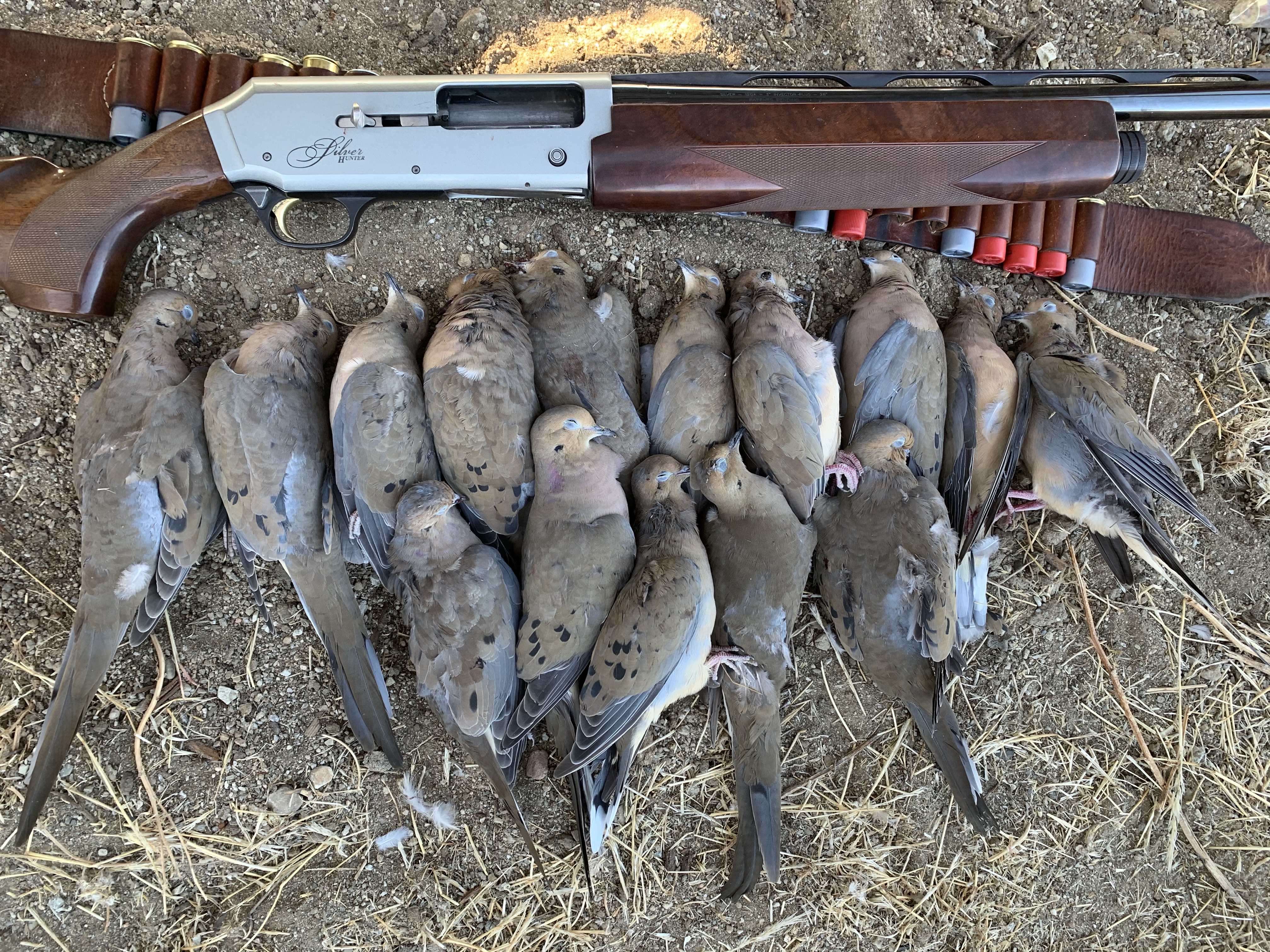
The primary species targeted by hunters in California are the mourning dove and the white-winged dove. Both are migratory birds, and their presence in specific regions of the state is influenced by weather patterns, food availability, and breeding cycles. Consequently, the hunting seasons are structured to coincide with periods when these birds are most prevalent and accessible for hunters. The CDFW’s regulations are designed to protect nesting and juvenile birds, ensuring that hunting activities do not negatively impact the overall health and growth of these avian populations. This proactive approach to wildlife management is a cornerstone of responsible hunting practices in California.
It’s crucial for any aspiring dove hunter to consult the official CDFW regulations for the current hunting year. These regulations are typically released well in advance of the season opening and provide detailed information not only on the specific dates but also on bag limits, shooting hours, permitted hunting zones, and any specific requirements such as harvest reporting. Missing a detail in these regulations can lead to significant penalties, so thorough preparation and understanding are key. The pursuit of doves often takes hunters to various landscapes across California, from agricultural fields in the Central Valley to the scrublands of Southern California, each offering unique challenges and opportunities.
Mourning Dove Season
The mourning dove, a common sight and a sought-after game bird, typically has its season opening in early September. This aligns with the bird’s migratory patterns, as many will have gathered and begun their southward journeys. The season usually spans a significant portion of the fall, often extending into late November or early December, providing ample opportunity for hunters to engage in the sport over several weeks. The early part of the season is often characterized by abundant opportunities, especially in areas where doves congregate to feed on grain and seeds from agricultural operations.
The CDFW often divides the state into different zones for dove hunting, and the exact opening and closing dates can vary slightly between these zones. For instance, the Southern California Zone might have slightly different dates than the Northern California Zone. This zoning is implemented to manage hunting pressure and account for regional variations in dove populations and migration timing. Hunters must be aware of which zone they will be hunting in to adhere to the correct regulations. The pursuit of mourning doves often involves walking through fields, positioning oneself near known roosting or feeding areas, and utilizing decoys to attract birds.
White-Winged Dove Season
White-winged doves are also present in California, particularly in the southern regions of the state. While their numbers are generally less abundant than mourning doves in most areas, they are a prized quarry for those who encounter them. The season for white-winged doves often overlaps with or is slightly staggered from the mourning dove season, again with dates determined annually by the CDFW. Their migratory patterns can differ, and they may be more prevalent in specific arid or semi-arid habitats.
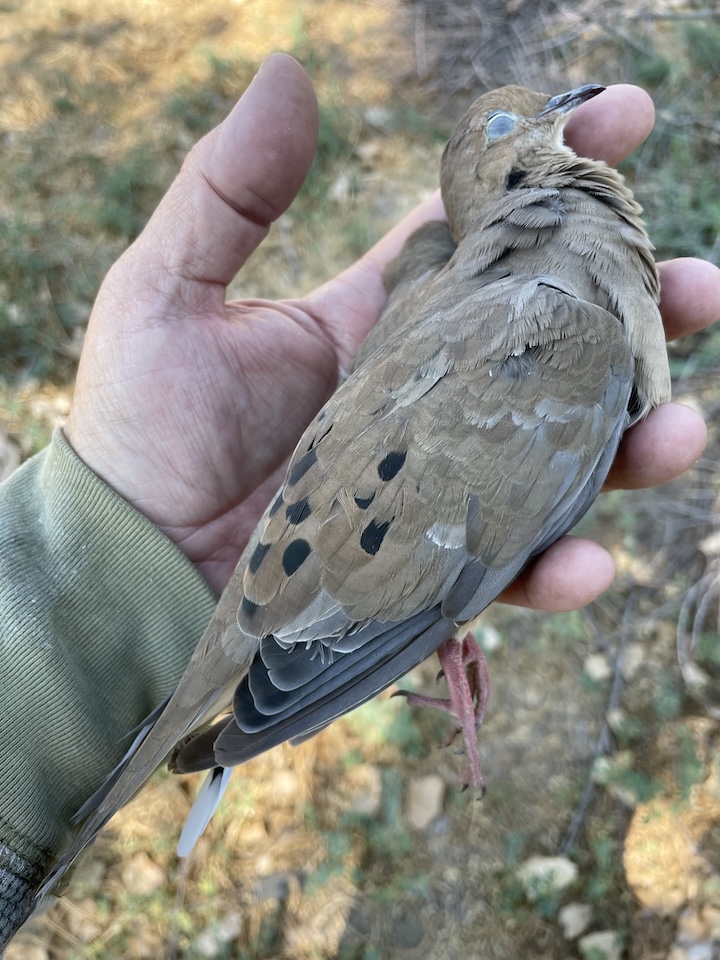
Hunting white-winged doves can present a different set of challenges. They are known for their swift and agile flight, often flying at higher altitudes than mourning doves. Hunters may need to adjust their strategies and shooting techniques accordingly. Areas with mesquite bosques and riparian corridors in the southern deserts are often prime locations for encountering white-winged doves. The regulations concerning bag limits for white-winged doves are also distinct from those for mourning doves, and hunters must be diligent in differentiating between the two species when harvesting.
Special Hunts and Youth Hunts
In addition to the general seasons, the CDFW may offer special hunts or extended opportunities for certain groups. Youth waterfowl hunts, for example, are often held to introduce young hunters to the sport in a mentored environment. While less common for doves specifically, it’s always worth checking the CDFW’s announcements for any special provisions or youth-focused opportunities that might arise. These programs are vital for fostering the next generation of responsible hunters and conservationists.
Essential Gear and Preparation for Dove Season
Successful dove hunting requires more than just knowledge of the season dates; it also necessitates appropriate gear and thorough preparation. A reliable shotgun, typically a 12-gauge or 20-gauge, is essential, along with a good supply of ammunition. Shot selection is important, with shot sizes like #7.5 or #8 being common choices for doves.
Beyond firearms, comfortable and durable clothing is vital. Hunters should opt for camouflage patterns that blend with the environment they’ll be hunting in. This could range from muted greens and browns for field hunting to lighter tans and grays for more arid landscapes. Eye protection is a must, not only for safety but also to help track fast-flying birds. Hearing protection is equally important for protecting against the noise of repeated gunfire.
Other useful items include a comfortable hunting vest or bag to carry shells, harvested birds, and other essentials. A good pair of binoculars can be helpful for scouting potential hunting spots and spotting birds from a distance. Water and snacks are crucial, especially for longer days spent in the field. Sunscreen and insect repellent are also advisable, depending on the time of year and the hunting location. For hunters planning to travel to specific areas for dove season, researching local conditions, weather forecasts, and potential lodging options can greatly enhance the overall experience. For example, areas near agricultural hubs like Yuba City or the wine country of Napa Valley might offer excellent dove hunting opportunities, and understanding the local terrain and amenities is part of a well-planned trip.

Responsible Hunting Practices
Above all, responsible hunting practices are non-negotiable. This includes adhering strictly to all CDFW regulations regarding seasons, bag limits, and shooting hours. Hunters must be proficient with their firearms and ensure they can make clean, ethical shots to minimize the risk of wounding birds. Proper identification of game species is critical, especially when hunting species that may be protected or have different regulations.
Furthermore, hunters have a responsibility to respect private property and obtain permission before hunting on private land. Understanding and practicing the principles of hunter ethics, such as leaving no trace and minimizing disturbance to wildlife and the environment, are integral to the hunting tradition. For those new to dove hunting, seeking guidance from experienced mentors or attending hunter education courses offered by the CDFW or other reputable organizations can provide invaluable knowledge and skills. The experience of dove hunting in California is rich and rewarding, offering a connection to nature and a chance to participate in a time-honored tradition, provided it is approached with respect, knowledge, and a commitment to conservation. The pursuit of doves often leads to exploring beautiful natural areas across the state, from the rolling hills near San Luis Obispo to the vast agricultural expanses in the Imperial Valley, each offering a unique backdrop for this engaging outdoor activity.
LifeOutOfTheBox is a participant in the Amazon Services LLC Associates Program, an affiliate advertising program designed to provide a means for sites to earn advertising fees by advertising and linking to Amazon.com. Amazon, the Amazon logo, AmazonSupply, and the AmazonSupply logo are trademarks of Amazon.com, Inc. or its affiliates. As an Amazon Associate we earn affiliate commissions from qualifying purchases.