
Florida, often hailed as the Sunshine State, is a premier destination for millions of travelers each year, drawn by its pristine beaches, vibrant theme parks, and rich cultural tapestry. While the allure of a sun-drenched vacation or an immersive cultural experience often overshadows financial considerations, understanding the state’s tax landscape is crucial for both casual visitors and those planning extended stays. For travelers, particularly those considering longer excursions or frequent visits, knowing about Florida’s tax structure can significantly impact budgeting and overall travel planning. This guide aims to demystify the state tax implications for visitors, focusing on aspects most relevant to the travel experience.
Understanding Florida’s Tax Framework for Travelers
Florida’s tax system is unique in that it does not impose a state income tax on individuals. This absence of a personal income tax is a significant draw for residents and can also offer a degree of financial relief for long-term visitors or those who may have income-generating activities while in the state. However, this does not mean the state is without its tax revenue streams. Instead, Florida relies heavily on other forms of taxation to fund its public services, infrastructure, and attractions that make it such a sought-after destination.
The Cornerstone: Sales and Use Tax
The primary tax that impacts travelers in Florida is the state’s sales and use tax. This tax is applied to the retail sale of tangible personal property and certain services. For visitors, this translates directly to increased costs on goods purchased and services utilized during their stay.
How Sales Tax Affects Your Trip
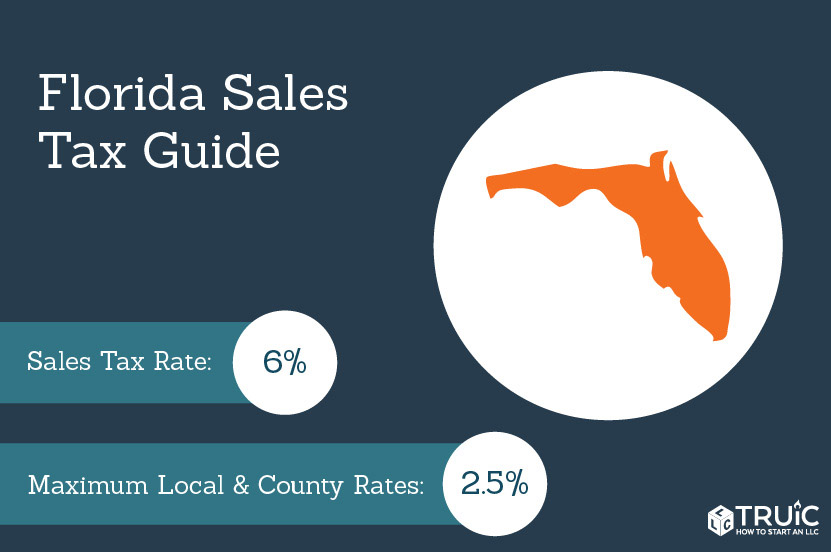
- Retail Purchases: From souvenirs bought in quaint shops in St. Augustine to beachwear purchased in Miami Beach, most retail transactions are subject to sales tax. The standard statewide sales tax rate is 6%.
- Accommodations: Lodging, including hotel rooms, motels, vacation rentals, and even campsites, is subject to sales tax. This is a significant consideration for anyone booking accommodation for their trip.
- Services: Certain services are also taxed, such as admissions to entertainment venues, repairs, and some personal services. This can include tickets to the world-renowned theme parks in Orlando, such as Walt Disney World Resort and Universal Orlando Resort.
- Rentals: Rental of tangible personal property, such as cars, boats, or recreational equipment, is also subject to sales tax.
Local Discretionary Sales Surtaxes
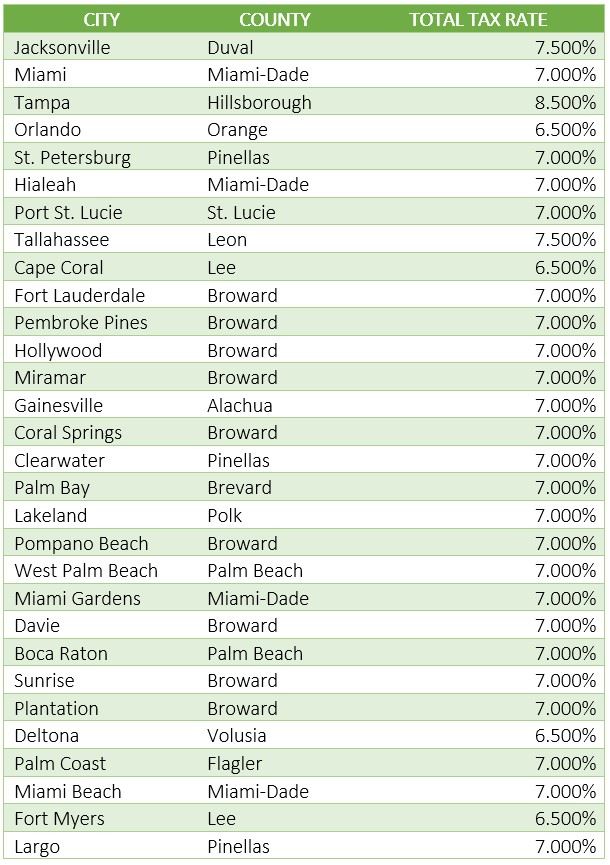
Adding another layer to the sales tax is the local discretionary sales surtax. These are additional taxes levied by individual counties, and they vary from county to county. This means the total sales tax rate you pay can be higher than the base 6% depending on where you are in the state.
Navigating Varying Local Rates
- County-Specific Rates: Each of Florida’s 67 counties has the option to impose a local discretionary sales surtax, typically ranging from 0.5% to 1.5%.
- Impact on Overall Cost: For example, if you are in a county with a 1% surtax, your total sales tax rate would be 7% (6% state + 1% local). In counties with a 1.5% surtax, the total rate climbs to 7.5%.
- Importance of Checking Location: When planning your itinerary and budget, it is advisable to check the specific sales tax rate for the counties you intend to visit, as this can influence the cost of shopping, dining, and entertainment.
Taxes on Specific Goods and Services
Beyond the general sales tax, certain items and activities are subject to specific excise taxes, which are often included in the price you pay.
Excise Taxes to Consider
- Fuel Tax: Motor fuel is subject to state and federal excise taxes, which contribute to the upkeep of Florida’s extensive road network, vital for road trip enthusiasts. This tax is typically embedded within the price you pay at the pump.
- Tobacco and Alcohol: Purchases of tobacco products and alcoholic beverages are subject to state excise taxes, in addition to the standard sales tax.
- Lodging Tax (Tourist Tax): Many counties and municipalities also impose a “tourist tax” or “convention development tax” on hotel and other short-term accommodations. This tax is in addition to the state and local sales taxes. It is often levied at rates between 2% and 6%, dedicated to promoting tourism and funding convention centers. This can significantly increase the overall cost of lodging, especially in popular tourist destinations like Key West or Fort Lauderdale.

Florida’s Tax Benefits for Travelers
While taxes are an inherent part of any travel experience, Florida’s tax structure offers specific advantages that can benefit visitors.
The Absence of State Income Tax
As mentioned, Florida is one of a handful of states that does not levy a state income tax on individuals. This is a major draw for people relocating to the state, but it also means that if you are an independent contractor or freelancer working remotely from Florida, you are not subject to state income tax on those earnings. For travelers who might be on an extended work-from-paradise trip, this can be a significant financial advantage compared to states with income tax.
Exemptions and Deductions
While the sales tax is pervasive, there are certain exemptions that can offer relief to travelers.
Key Exemptions for Shoppers and Families
- Groceries: Most unprepared food items purchased for home consumption are exempt from sales tax. This means stocking up on essentials at a grocery store like Publix for your vacation rental is generally tax-free.
- Prescription Medications: Prescription drugs are also exempt from sales tax.
- Certain Services: Some essential services may be exempt depending on the county and specific regulations.
Planning Your Florida Trip with Tax Considerations in Mind
Understanding Florida’s tax system is not about avoiding taxes, but about informed planning to make your trip as enjoyable and budget-friendly as possible.
Budgeting for Sales Tax
- Add to Prices: When browsing online or in stores, always mentally add the applicable sales tax rate (state plus local) to the listed prices of goods and services.
- Accommodation Costs: Factor in both state/local sales tax and the tourist tax when comparing hotel prices. A seemingly affordable room can become significantly more expensive once these taxes are added.
- Dining Out: Recognize that restaurant meals and bar tabs will include sales tax.
Leveraging Tax-Free Purchases
- Grocery Shopping: If you have access to a kitchen, preparing some of your own meals can lead to significant savings, both from avoiding restaurant markups and from the tax-free purchase of groceries.
- Souvenir Shopping: While many souvenirs are taxable, keeping an eye out for tax-exempt items can help. However, this is often a minor saving compared to the overall cost of goods.
Conclusion: A Smart Traveler’s Perspective
Florida’s tax landscape, particularly its robust sales and use tax and the absence of state income tax, plays a significant role in the financial aspect of travel to the Sunshine State. For visitors, understanding that most purchases and services are subject to a combined state and local sales tax, along with potential tourist taxes on accommodations, is key to accurate budgeting. By being aware of these levies and strategically planning your spending, you can maximize your enjoyment of Florida’s diverse attractions and experiences without unwelcome financial surprises. The state’s commitment to tourism is evident in its many offerings, and a little tax knowledge can ensure your visit to this popular destination is both memorable and financially sound.
LifeOutOfTheBox is a participant in the Amazon Services LLC Associates Program, an affiliate advertising program designed to provide a means for sites to earn advertising fees by advertising and linking to Amazon.com. Amazon, the Amazon logo, AmazonSupply, and the AmazonSupply logo are trademarks of Amazon.com, Inc. or its affiliates. As an Amazon Associate we earn affiliate commissions from qualifying purchases.