
Florida, renowned for its abundant waterways and diverse marine life, is a premier destination for anglers worldwide. From the sun-drenched shores of the Gulf of Mexico to the brackish marshes of the Everglades and the vibrant coral reefs off its coast, the opportunities for a memorable fishing expedition are virtually endless. However, before you cast your line, understanding the regulations and securing the proper permits is paramount. This guide will navigate you through the process of purchasing a Florida fishing license, ensuring your angling adventure is both enjoyable and compliant.
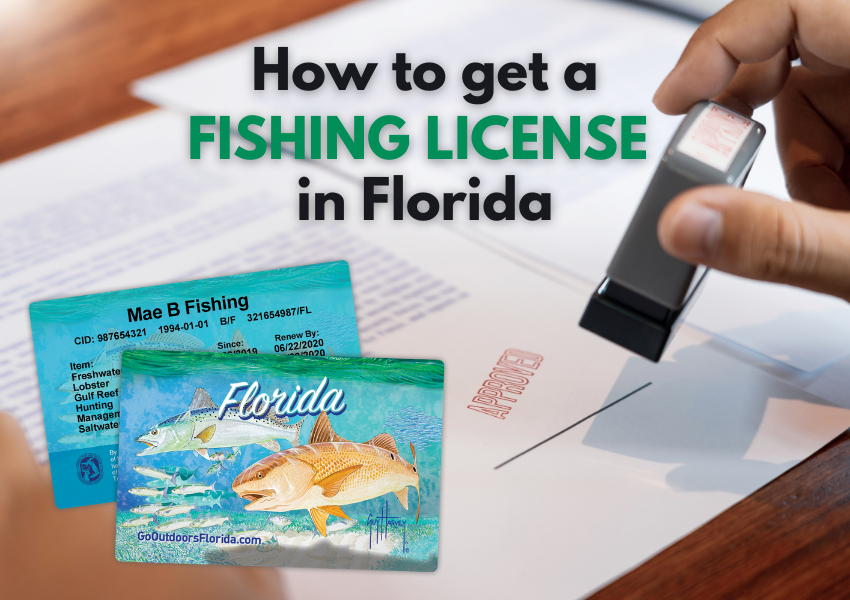
Understanding Florida’s Fishing License Requirements
The Florida Fish and Wildlife Conservation Commission (FWC) is the governing body responsible for managing the state’s fisheries and issuing fishing licenses. Their mission is to ensure the long-term health and sustainability of Florida’s fish populations while providing ample recreational opportunities for residents and visitors alike.
Who Needs a Fishing License?
Generally, anyone 16 years of age or older who plans to fish in freshwater or saltwater in Florida must possess a valid fishing license. There are a few exceptions, such as children under 16, who are exempt from licensing requirements. Additionally, certain specific fishing activities or locations might have unique licensing stipulations. For instance, fishing in a designated state park might require a park entry permit in addition to a fishing license, and some specific recreational fishing zones or tournaments may have their own permit requirements. It is always advisable to check the latest FWC regulations for any nuances that might apply to your specific fishing plans.
Types of Fishing Licenses Available
Florida offers a variety of fishing licenses tailored to different needs and durations. Understanding these options will help you choose the most suitable and cost-effective license for your trip.
Resident Licenses
For Florida residents, there are several options, including annual licenses that cover all freshwater and saltwater fishing activities, or more specialized licenses if you only plan to fish in one specific environment.
- Freshwater Fishing License: Allows you to fish in freshwater bodies across the state.
- Saltwater Fishing License: Permits fishing in saltwater environments.
- Combined Sport Fishing License: Covers both freshwater and saltwater fishing. This is often the most popular choice for those who enjoy a variety of angling experiences.
- Lifetime Licenses: For dedicated anglers, a lifetime license offers a one-time purchase that covers fishing for the remainder of your life, with no renewal needed.
Non-Resident Licenses
Visitors to Florida will need a non-resident license. These are typically valid for a specific period, ranging from 1-day, 3-day, 7-day, 10-day, or annual options. This flexibility allows tourists to purchase a license that matches the duration of their stay.
- 1-Day, 3-Day, 7-Day, 10-Day Non-Resident Licenses: Ideal for short fishing trips or vacations.
- Annual Non-Resident License: For visitors who plan to spend extended time fishing in Florida throughout the year.
Special Use Licenses and Permits
Beyond the general sport fishing licenses, there are specialized permits for specific types of fishing or for targeting certain species. These can include permits for:
- Saltwatercreational Harvester’s Fishing License: Required for individuals fishing in saltwater who wish to harvest certain species, like king mackerel, Spanish mackerel, or snapper.
- Sturgeon Permit: For those hoping to catch the elusive sturgeon.
- Tarpon, Snook, and Red Drum Permits: These highly sought-after species often require specific stamps or permits in addition to a regular fishing license. This helps fund conservation efforts for these iconic game fish.
- Lobster Permit: Essential for anyone interested in diving for lobsters in the Florida Keys.
It’s crucial to verify the exact requirements based on the species you intend to pursue and the location you plan to fish. The FWC website is the definitive source for this detailed information.
Where to Purchase Your Florida Fishing License
Florida offers several convenient avenues for purchasing a fishing license, ensuring you can obtain one easily, whether you’re a local resident or a visiting angler.
Online Purchase
The most efficient and recommended method for obtaining a Florida fishing license is through the official FWC website.
- FWC’s Online Licensing System: The Florida Fish and Wildlife Conservation Commission provides a user-friendly online portal where you can browse license options, select the appropriate permit for your needs, and complete the transaction securely. Once purchased, you can print a temporary license immediately, which is valid for immediate use, while your official license is mailed to you. This is an excellent option for those who want to secure their license before arriving at their fishing destination.
In-Person Purchases

For those who prefer to buy their license in person or need one on short notice, there are numerous authorized vendors across the state.
- County Tax Collector Offices: Most county tax collector offices serve as licensing agents for the FWC. These offices are a reliable place to purchase any type of fishing license.
- Licensed Retailers: A vast network of bait and tackle shops, sporting goods stores, and even some general merchandise stores are authorized to sell fishing licenses. These locations are often found in proximity to popular fishing spots, making them incredibly convenient. Examples include well-known retailers like Walmart and Academy Sports + Outdoors. When visiting these stores, simply ask a customer service representative about purchasing a fishing license. They will guide you through the process and have the necessary forms available.
- Florida State Parks: Some Florida State Parks also offer fishing licenses at their visitor centers or ranger stations. This can be a convenient option if you are already planning a visit to a park for other recreational activities.
By Phone
While less common than online or in-person purchases, it is sometimes possible to obtain a fishing license by phone through authorized third-party vendors who facilitate FWC license sales. However, the FWC strongly encourages the use of their official website or in-person authorized vendors for the most straightforward and secure purchasing experience.
Understanding License Fees and Special Exemptions
The cost of a fishing license in Florida varies depending on residency status, the type of license purchased, and the duration. The FWC dedicates these fees to the management and conservation of the state’s natural resources, which directly benefits anglers by ensuring healthy fish populations and protected habitats.
Fee Structure
- Resident Licenses: Are generally less expensive than non-resident licenses. For example, a resident annual freshwater fishing license might cost around $17, while a resident annual saltwater license could be around $17 as well. A combined resident sport fishing license, covering both, is typically priced around $30. Lifetime licenses offer a significant upfront cost but eliminate future fees.
- Non-Resident Licenses: Reflect the economic benefit non-residents derive from Florida’s natural resources. A 7-day non-resident fishing license, for instance, might cost in the range of $41. Annual non-resident licenses are more expensive but provide year-round access.
- Specialty Permits: Additional permits for specific species or fishing activities will incur extra fees, usually ranging from $5 to $10.
For the most current and accurate fee schedule, always refer to the official Florida Fish and Wildlife Conservation Commission website.
Exemptions
While most individuals aged 16 and over require a license, Florida does offer certain exemptions to encourage participation in fishing and to assist specific groups.
- Children Under 16: As mentioned, individuals younger than 16 are exempt from needing a fishing license in Florida.
- Resident Disabled Veterans: Certain resident disabled veterans may be eligible for a no-cost fishing license. Specific criteria regarding the nature and percentage of disability must be met.
- Resident Members of the U.S. Armed Forces: Florida residents who are on active duty in the U.S. Armed Forces and are home on leave for 30 days or less are exempt from needing a fishing license.
- Individuals Fishing with Specific Organizations: In some instances, individuals participating in organized fishing events sanctioned by the FWC might be covered under a group license or specific event permit.
- Residents Age 65 and Older: While a license is generally required, Florida residents who are 65 years of age or older are eligible for a discounted annual freshwater fishing license or a no-cost saltwater fishing license. This is a wonderful initiative to encourage lifelong angling.
- Reciprocal Licensing Agreements: Florida has reciprocal licensing agreements with some neighboring states. This means that if you hold a valid fishing license from one of these states, it may be recognized in certain waters of Florida, and vice-versa. It is crucial to verify which states have such agreements and the specific conditions that apply.
It is always best to consult the FWC’s official regulations or contact them directly if you believe you may qualify for an exemption. Maintaining a copy of any documentation that supports your exemption is highly recommended.
Essential Information for Anglers
Once you have your Florida fishing license, familiarize yourself with the rules and regulations to ensure a responsible and enjoyable fishing experience.
Bag Limits and Size Restrictions
The FWC implements bag limits (the number of fish you can keep) and size restrictions (minimum and maximum lengths for fish) to manage fish populations effectively and prevent overfishing. These regulations vary significantly by species, location (freshwater vs. saltwater), and even by season. For example, snook and redfish in saltwater have specific slot limits, meaning you can only keep fish within a certain size range. Ignorance of these rules is not an excuse, and violations can result in fines and license suspension. Always check the current FWC regulations for the species you intend to catch.
Fishing Seasons
Some species in Florida have specific open and closed seasons to protect them during their spawning periods. For instance, certain types of grouper or snapper might have seasonal closures to allow populations to recover. Ensure your fishing trip aligns with the open seasons for the fish you are targeting.
Artificial Reefs and Protected Areas
Florida boasts numerous artificial reefs designed to enhance marine habitats and provide excellent fishing opportunities. However, there are also protected areas, such as marine sanctuaries or marine protected areas (MPAs), where fishing is prohibited or restricted. It’s important to be aware of your location and any signage indicating special zones. Familiarize yourself with maps of artificial reefs if you plan to fish offshore.

Reporting Your Catch
In some cases, particularly for certain migratory species or during specific research initiatives, anglers may be required to report their catch to the FWC. This voluntary reporting program, often referred to as “Angler Action,” provides invaluable data for fisheries management. Participating helps contribute to the long-term health of Florida’s fisheries.
By understanding and adhering to all licensing requirements and fishing regulations, you contribute to the preservation of Florida’s rich aquatic ecosystems, ensuring that future generations can also enjoy the thrill of casting a line in these pristine waters. A Florida fishing license is more than just a permit; it’s a commitment to responsible angling and the conservation of a treasured natural resource.
LifeOutOfTheBox is a participant in the Amazon Services LLC Associates Program, an affiliate advertising program designed to provide a means for sites to earn advertising fees by advertising and linking to Amazon.com. Amazon, the Amazon logo, AmazonSupply, and the AmazonSupply logo are trademarks of Amazon.com, Inc. or its affiliates. As an Amazon Associate we earn affiliate commissions from qualifying purchases.