
The Majestic Pecan: A Symbol of Texas Heritage
The Lone Star State is renowned for its vast landscapes, rich history, and unique cultural identity. Among its many defining characteristics, the Texas state tree stands as a proud emblem of the state’s natural bounty and enduring spirit. Officially designated in 1919, the Pecan tree (Carya illinoinensis) is more than just a botanical specimen; it is deeply woven into the fabric of Texan life, history, and economy. Its majestic presence graces landscapes across the state, from sprawling ranches to historic town squares, offering shade, sustenance, and a profound connection to the land.
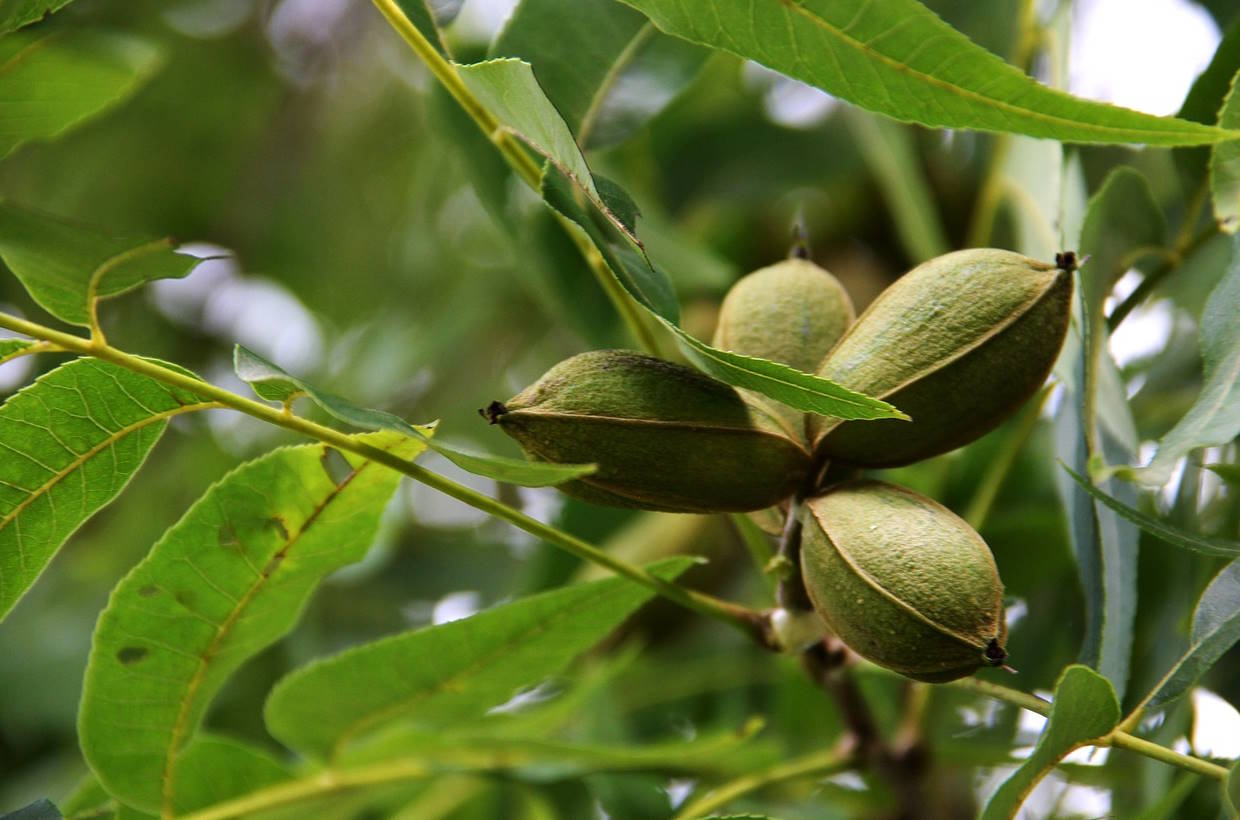
The selection of the Pecan as the state tree was not arbitrary. It reflects a deep appreciation for a tree that has provided for Texans for generations. Native to the United States, with a significant presence in Texas, the Pecan tree is a cornerstone of the state’s ecosystem and a vital part of its agricultural heritage. Its nuts have been a prized food source for indigenous peoples and early settlers alike, and today, the Pecan industry remains a significant contributor to the Texan economy. Understanding the significance of the Pecan tree offers a unique lens through which to view the state’s natural heritage and its people’s enduring relationship with the environment.
A Tree of Substance and Significance
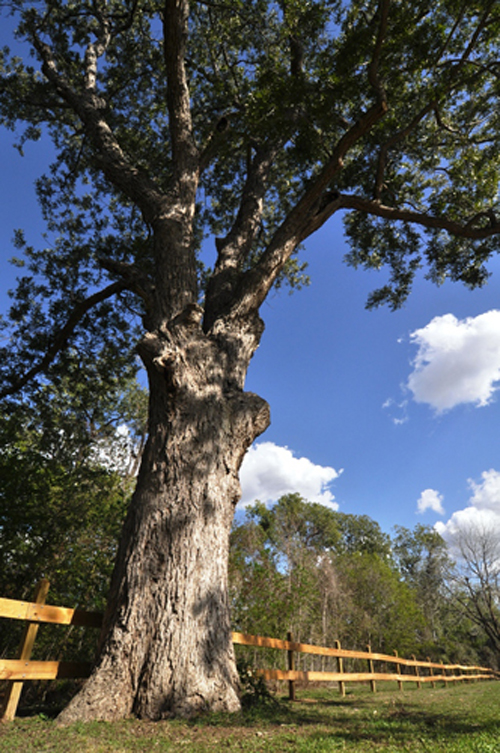
The Pecan tree’s stature and longevity mirror the resilience and strength often associated with Texas. These magnificent trees can grow to impressive heights, often exceeding 100 feet, with a widespread canopy that provides ample shade. Their impressive root systems anchor them firmly in the soil, a testament to their ability to withstand the sometimes-harsh Texan climate. The distinctive compound leaves, typically with 9 to 17 leaflets, create a dappled shade that is a welcome respite during the warm Texan summers.
Beyond its aesthetic appeal, the Pecan tree is exceptionally productive. It is one of the most economically important nut-producing trees in the world, and Texas is a leading producer. The delicious, rich nuts are a highly sought-after commodity, enjoyed fresh, roasted, or as a key ingredient in countless culinary creations, most famously in the iconic Pecan pie. This dual role as a symbol of natural beauty and a provider of sustenance solidifies the Pecan’s place as a beloved and fitting state tree.
Historical Roots and Cultural Impact
The history of the Pecan tree in Texas is intertwined with the history of its people. Long before European settlers arrived, indigenous tribes like the Caddo, Coahuiltecan, and Karankawa peoples recognized the value of the Pecan. They gathered the nuts for food, utilizing their protein and fat-rich content for survival. Evidence suggests that these early inhabitants also cultivated and managed Pecan groves, understanding their cyclical fruiting patterns and the best methods for harvesting and storage. This deep, ancestral connection highlights the tree’s foundational role in the region’s human history.
When European explorers and settlers arrived, they too were impressed by the abundance and quality of the native Pecan. They adopted many of the indigenous peoples’ practices, incorporating the nuts into their diets and recognizing their commercial potential. As Texas expanded and its agricultural sector developed, the Pecan tree became a symbol of prosperity and the fertile lands of the state. Its presence became a hallmark of the Texan landscape, adorning homesteads and farms, and contributing to the visual identity of rural Texas.
From Wild Groves to Commercial Orchards
The transition from wild harvesting to organized cultivation marked a significant shift in the Pecan’s economic importance. Early Texan entrepreneurs saw the potential for developing commercial Pecan orchards. These efforts, beginning in the late 19th and early 20th centuries, involved selecting superior native trees and grafting them to ensure consistent quality and yield. This led to the development of specialized Pecan varieties adapted to Texan conditions.
The dedication to the Pecan tree culminated in its official recognition as the state tree. The legislative act in 1919 not only honored the tree but also underscored its economic and cultural value to the state. This designation further encouraged research and development in Pecan cultivation, solidifying Texas‘s position as a leader in the industry. Today, the state boasts thousands of acres of Pecan orchards, contributing significantly to local economies and providing employment.
The Pecan Tree in Texan Culture and Tourism
The Pecan tree’s influence extends beyond agriculture and into the heart of Texan culture and even its tourism industry. It is a recurring motif in Texan folklore, literature, and art, often representing abundance, nature, and the enduring spirit of the state. From roadside stands selling fresh Pecans to bustling farmers’ markets showcasing Pecan-based treats, the tree’s presence is a delightful constant for visitors and residents alike.
Culinary Delights and Local Flavors
Perhaps the most celebrated aspect of the Pecan tree’s legacy is its contribution to Texan cuisine. While Pecan pie is undoubtedly the star, the nut’s versatility shines in many other dishes. It’s a popular addition to pralines, cookies, cakes, and breads. Savory applications are also common, with Pecans lending a delightful crunch and richness to salads, stuffings, and even crusts for meats and fish. Many Texan restaurants and bakeries proudly feature Pecan-inspired items on their menus, making them an integral part of the local culinary experience.
Exploring Texas often involves indulging in these local flavors. Many small towns and agricultural communities celebrate the Pecan harvest with festivals and events, offering visitors a chance to sample fresh nuts, homemade pies, and other Pecan delicacies. These events are not just culinary showcases; they are opportunities to connect with the agricultural heritage and the people who cultivate these prized nuts.
Natural Attractions and Educational Opportunities
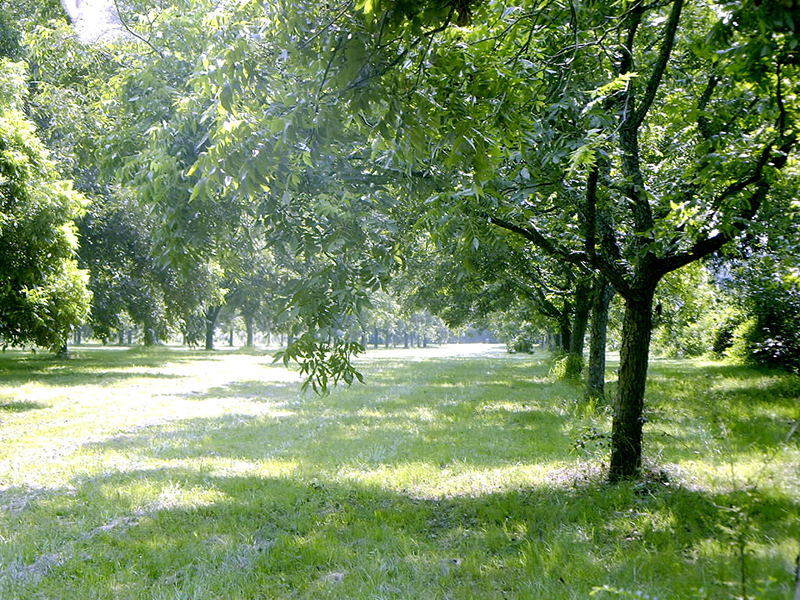
While not a singular landmark like a building or monument, the Pecan tree itself forms a significant part of Texas‘s natural attractions. Driving through the countryside, especially in regions with fertile river valleys like the Brazos River or the Colorado River, one can often see grand Pecan trees dotting the landscape. Many parks and natural areas feature groves of Pecan trees, offering visitors opportunities to appreciate their natural beauty and, during the harvest season, even to forage for nuts (where permitted).
Educational programs and nature centers often highlight the importance of the Pecan tree, detailing its ecological role, its history, and the methods of cultivation. These initiatives help to foster a deeper understanding and appreciation for this iconic state symbol. Visiting a Pecan orchard during the harvest season can be a particularly engaging experience, offering insights into the labor and dedication involved in bringing these delicious nuts from the tree to the table. For those interested in Texas‘s natural heritage, seeking out and learning about the Pecan tree is a rewarding endeavor that connects them directly to the state’s identity. The State Tree of Texas is more than just a designation; it is a living legacy that continues to shape the state’s identity, economy, and cultural tapestry.
LifeOutOfTheBox is a participant in the Amazon Services LLC Associates Program, an affiliate advertising program designed to provide a means for sites to earn advertising fees by advertising and linking to Amazon.com. Amazon, the Amazon logo, AmazonSupply, and the AmazonSupply logo are trademarks of Amazon.com, Inc. or its affiliates. As an Amazon Associate we earn affiliate commissions from qualifying purchases.