
The expansive stretch between California and Texas represents a significant cross-country journey, a distance that varies considerably depending on the specific origin and destination points within these two massive states. Covering thousands of miles, this route offers diverse landscapes, vibrant cities, and numerous opportunities for adventure, whether by road or air. Understanding the precise distances and travel times is crucial for effective trip planning, enabling travelers to prepare for an epic American odyssey.
Bridging the Distance: Understanding the Geographic Span
The sheer size of both California and Texas means that the distance between them is not a single, fixed number. Instead, it’s a range, influenced by the chosen starting city in California and the intended arrival city in Texas. This variability is a key factor in planning any cross-state travel.
The Straight Line vs. The Open Road
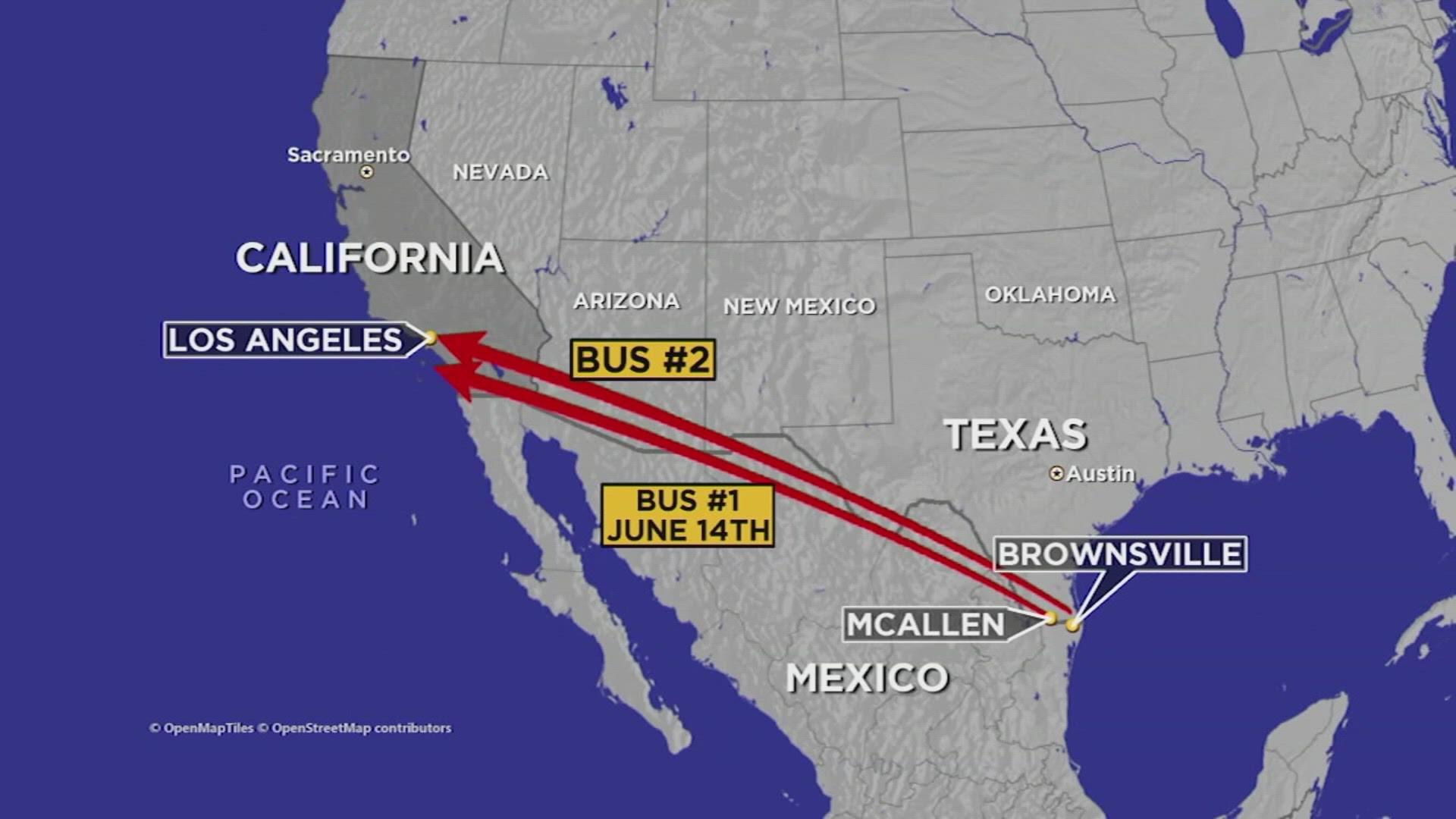
In a direct, straight-line measurement (as the crow flies), the distance between the closest points of the two states can be as little as approximately 700 miles, for instance, from the southeastern border of California near Yuma, Arizona, to the western edge of Texas. However, practical travel routes, which follow highways and avoid direct desert crossings or mountainous terrains, naturally extend this figure. For most travelers, the journey will involve traversing Arizona and New Mexico, adding significant mileage and travel time.
Key Cities and Their Distances
To provide a clearer picture, let’s consider common travel pairings between major cities:
- From Los Angeles, California to Houston, Texas: This is one of the most common routes. By road, the distance typically spans around 1,500 to 1,600 miles, depending on the exact route taken. This journey generally takes about 23-26 hours of continuous driving.
- From San Francisco, California to Dallas, Texas: This northern route is slightly longer, usually around 1,700 to 1,800 miles. Driving time can extend to 26-29 hours.
- From San Diego, California to Austin, Texas: This southwestern path covers approximately 1,400 to 1,500 miles, with driving times ranging from 21-24 hours.
- From Sacramento, California to El Paso, Texas: As El Paso is on the far western edge of Texas, this is one of the shorter “state-to-state” drives, around 1,100 to 1,200 miles, taking about 17-19 hours of driving.
These estimates highlight the commitment required for a cross-country road trip, often necessitating multiple days of travel to ensure safety and allow for rest.
Navigating the Journey: Road Trip Essentials
For many, the idea of traversing the country by car holds a romantic appeal, offering unparalleled freedom and the chance to discover hidden gems. A road trip from California to Texas is an epic undertaking that requires careful planning.
Primary Driving Routes
The most common and efficient driving routes largely depend on your starting point in California and your destination in Texas.
- Interstate 10 (I-10): This is arguably the most direct and popular route for travelers heading from Southern California to Southern Texas. I-10 stretches from Santa Monica, California, all the way to Jacksonville, Florida, passing through Phoenix, Arizona, Tucson, Arizona, El Paso, Texas, San Antonio, Texas, and Houston, Texas. It’s a relatively flat and well-maintained highway, making for straightforward travel.
- Interstate 40 (I-40) to Interstate 20 (I-20): For those starting in Northern California or aiming for Northern Texas cities like Dallas or Fort Worth, taking I-40 eastbound is a viable option. This route typically involves heading through Flagstaff, Arizona, and Albuquerque, New Mexico, before connecting to I-20 in Oklahoma or Texas (specifically near Sweetwater). This path offers a different set of landscapes and potential stops.
Estimated Driving Times and Fuel Considerations
Given the distances, a single driver cannot realistically complete the trip in one go. Most travelers plan for at least two to three days of driving, making overnight stops. With proper rest, drivers can typically cover 8-10 hours or 500-600 miles per day. For instance, a Los Angeles to Houston trip might involve an overnight stop in El Paso or a mid-point in New Mexico or Arizona.
Fuel costs are a significant expense. With varying gas prices across states and the sheer mileage, budgeting for multiple fill-ups is essential. It’s wise to check gas prices along your route using apps to optimize stops. Vehicle maintenance, tire pressure, and oil levels should also be checked before departure to prevent breakdowns in remote areas.
Scenic Stops and Attractions Along the Way
A road trip isn’t just about covering distance; it’s about the journey itself. The route from California to Texas is rich with attractions:
- Joshua Tree National Park in California offers unique desert landscapes and stargazing opportunities.
- The iconic Grand Canyon National Park in Arizona is a world-famous detour, best accessed via I-40 near Flagstaff.
- The Petrified Forest National Park and the Painted Desert, also in Arizona, offer stunning geological formations.
- In New Mexico, you can explore Albuquerque’s historic Old Town, visit the quirky town of Roswell (known for UFO lore), or descend into the magnificent Carlsbad Caverns National Park.
- Once in Texas, the vast and rugged beauty of Big Bend National Park in West Texas offers incredible hiking and stargazing, though it requires a significant detour from main interstates.
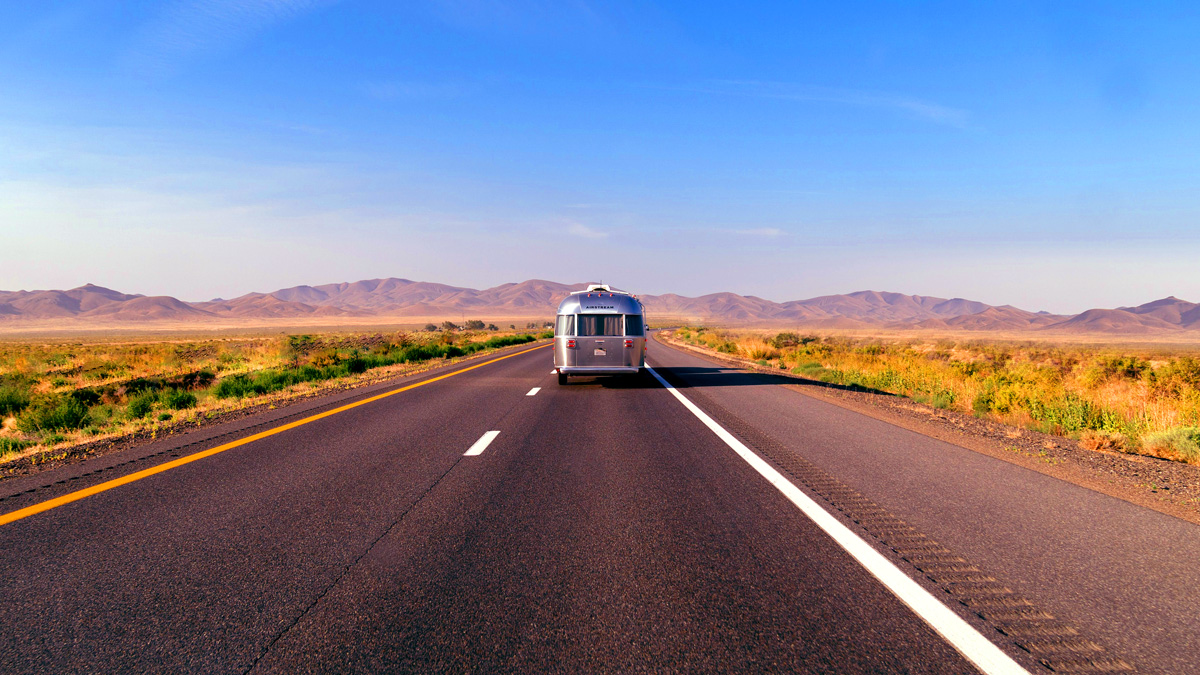
These stops transform a long drive into an unforgettable travel experience, allowing for breaks and cultural enrichment.
Taking to the Skies: Air Travel Insights
For those prioritizing speed and efficiency, flying is undoubtedly the fastest way to cover the distance between California and Texas.
Major Airports and Flight Durations
Both states are home to major international airports, facilitating numerous direct flights daily.
- California Hubs: Los Angeles International Airport (LAX), San Francisco International Airport (SFO), and San Diego International Airport (SAN) are primary departure points.
- Texas Hubs: Dallas/Fort Worth International Airport (DFW), George Bush Intercontinental Airport (IAH) in Houston, and Austin-Bergstrom International Airport (AUS) are key arrival points.
Direct flights between major cities like Los Angeles and Dallas or Houston typically range from 2.5 to 3.5 hours. Add to this pre-flight check-in, security, boarding, and post-flight disembarkation and baggage claim, and the total travel time from door-to-door can easily be 5-7 hours.
Cost Versus Convenience
Airfare prices fluctuate based on season, booking time, and airline (Southwest Airlines, American Airlines, United Airlines, Delta Air Lines, etc.). While flying saves considerable time, it often comes at a higher monetary cost compared to driving, especially for solo travelers. However, for groups, the cost per person might be comparable when factoring in gas, accommodation, and food on a road trip. The convenience of rapidly covering vast distances, avoiding traffic, and sidestepping the fatigue of driving makes air travel a preferred choice for many business travelers or those with limited time.
Alternative Travel Options: Rail and Bus
While less common for this specific route compared to driving or flying, alternative modes of transport like trains and buses offer unique travel experiences, often at a lower cost.
Amtrak Journeys
Amtrak offers routes connecting California and Texas, though these journeys are significantly longer than driving or flying. The “Sunset Limited” route, for example, travels between Los Angeles and New Orleans, with stops in Texas cities like El Paso, San Antonio, and Houston. This journey can take well over 24 hours to reach the first Texas stops and over 30 hours to traverse the entire state. While slow, train travel offers comfort, scenic views, and the ability to move around, making it a relaxing option for those who enjoy the journey itself.
Bus Services and Their Reach
Intercity bus services, primarily Greyhound, connect numerous cities across both states. These are typically the most economical option but also the longest. A bus trip from Los Angeles to Houston can take 28-36 hours, often with multiple transfers and stops. While budget-friendly, the extended travel time and multiple stops might not appeal to all travelers.
Planning Your Cross-Country Adventure
Regardless of your chosen mode of transport, a well-planned trip ensures a smoother and more enjoyable experience.
Best Time to Travel
The weather across the vast stretch from California to Texas can vary dramatically.
- Spring (March to May) and Fall (September to November): These seasons generally offer the most pleasant weather for driving, with milder temperatures and less risk of extreme heat in the desert regions of Arizona and New Mexico or severe thunderstorms in Texas.
- Summer (June to August): Expect very high temperatures, especially across Arizona and West Texas. This can impact vehicle performance and make daytime outdoor activities less comfortable.
- Winter (December to February): While much of the route is generally clear, colder temperatures can occur, and higher elevations (especially near Flagstaff on I-40) can experience snow and ice, potentially causing delays.
For flying, seasonality mostly impacts ticket prices, with peak travel times (holidays, summer) typically seeing higher fares.

Packing Smart and Staying Safe
For road trips, pack essentials like a first-aid kit, emergency roadside tools, plenty of water, and non-perishable snacks. Keep your phone charged and have a physical map as a backup for areas with spotty cell service. Always inform someone of your route and estimated arrival times. For all travel types, especially during long journeys, ensuring proper hydration, regular breaks, and adequate rest are paramount for safety and an enjoyable experience. Whether by road, rail, or air, the journey from California to Texas is a true cross-country expedition, offering a unique perspective on the diverse geography and culture of the United States.
LifeOutOfTheBox is a participant in the Amazon Services LLC Associates Program, an affiliate advertising program designed to provide a means for sites to earn advertising fees by advertising and linking to Amazon.com. Amazon, the Amazon logo, AmazonSupply, and the AmazonSupply logo are trademarks of Amazon.com, Inc. or its affiliates. As an Amazon Associate we earn affiliate commissions from qualifying purchases.