
Understanding the legal framework surrounding debt collection is crucial for consumers and businesses alike. In California, like all other states, there are statutes of limitations that dictate how long a creditor can legally pursue repayment of a debt. These time limits are designed to provide a degree of finality and prevent stale claims from being resurrected indefinitely. For anyone navigating the complexities of debt in the Golden State, grasping these limitations is paramount.
The Foundation of Statute of Limitations in California
The statute of limitations is a legal principle that sets a deadline for initiating legal proceedings. In the context of debt, it means that a creditor has a specific period within which they must file a lawsuit to collect on an outstanding debt. If a creditor fails to file a lawsuit before this period expires, they generally lose the right to sue the debtor for that particular debt. This does not mean the debt is forgiven or disappears; rather, the legal recourse to collect it is extinguished.
Types of Debts and Their Respective Statutes
The specific statute of limitations for debt in California varies depending on the nature of the debt. The type of contract or agreement under which the debt was incurred is the primary determinant of the applicable time limit.
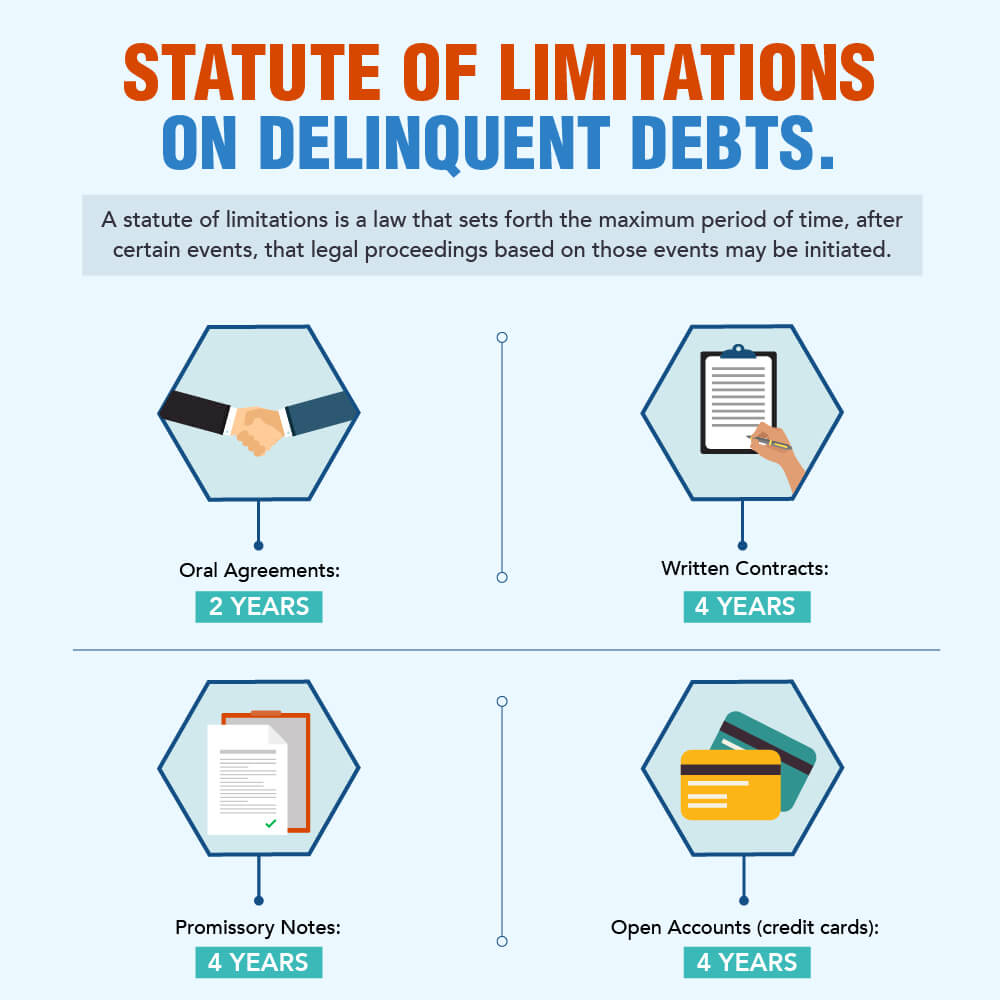
Written Contracts
For debts arising from a written contract, the statute of limitations in California is four years. This is a broad category that encompasses many common types of financial obligations. Examples include:
- Mortgages and Deeds of Trust: Debts secured by real property, such as a home mortgage, typically fall under written contract statutes.
- Auto Loans: The agreement signed when purchasing a vehicle is a written contract.
- Personal Loans from Financial Institutions: Many bank loans or credit union loans are documented with written agreements.
- Lease Agreements: While primarily about property use, the terms of a lease for an apartment or commercial space often involve financial obligations that are contractually bound.
The four-year clock generally begins to tick from the date the debt becomes due and payable, or from the date of the last payment or acknowledgment of the debt by the debtor.
Oral Contracts
Debts stemming from oral agreements have a shorter statute of limitations in California: two years. These are less common for significant financial transactions due to the difficulty in proving the terms of the agreement. However, they can arise in informal lending situations or for certain services rendered where a written contract was not executed. The two-year period typically starts from the date the debt was incurred or became due.
Promissory Notes
A promissory note is a written promise by one party (the maker) to pay a specific sum of money to another party (the payee) either on demand or at a specified future date. For promissory notes, the statute of limitations in California is also four years. This period often begins from the date of maturity of the note, or from the date of the last payment made by the borrower.
Open Book Accounts and Store Cards
Debts associated with “open book accounts,” which are essentially ongoing accounts where charges and payments are recorded, such as those found with some retail store credit cards, also have a two-year statute of limitations in California. This period typically begins from the date of the last item charged or the last payment made on the account.
Judgments
Once a creditor has successfully sued a debtor and obtained a court judgment, the situation changes. A judgment itself is a legally recognized debt. In California, a civil judgment is enforceable for ten years from the date it was entered. Furthermore, a judgment can often be renewed for an additional ten-year period, meaning the judgment creditor can potentially collect on the debt for up to twenty years.
When Does the Clock Start Ticking?
The “trigger” for the statute of limitations is not always straightforward. While it generally begins when a debt becomes legally enforceable, several factors can influence this starting point.
Accrual of the Cause of Action
The statute of limitations typically begins to run when the “cause of action accrues.” For debt, this usually means the date the debtor defaults on their payment obligation, or the date the debt becomes due and payable. For instance, if a loan payment is due on the first of the month and is not made, the cause of action for that missed payment accrues on the first of the month.
Last Payment or Acknowledgment
A critical factor that can reset or restart the statute of limitations is a voluntary payment or a written acknowledgment of the debt by the debtor. If a debtor makes a payment, even a small one, towards an old debt, or signs a document admitting they owe the debt and intend to pay it, this action can restart the statute of limitations period for that debt. This is a vital point to understand, as unintentional actions could inadvertently revive a debt that was close to falling outside the statute.
Discovery Rule (Less Common for Debt)
While the “discovery rule” is more common in tort cases (where a person might not discover an injury until later), it can rarely apply to debt. This rule states that the statute of limitations begins to run when the injured party discovers, or reasonably should have discovered, the injury. However, for most debts, the terms are clear and the due dates are known, making the discovery rule less applicable.
What Happens When the Statute of Limitations Expires?
When the statute of limitations on a debt expires in California, the creditor’s ability to sue the debtor for that debt is extinguished. This means:
- No Lawsuit: The creditor cannot initiate legal action to compel payment.
- Defense Against Lawsuits: If a creditor files a lawsuit after the statute has expired, the debtor has a strong legal defense. The debtor can raise the statute of limitations as an affirmative defense, and if the court agrees, the lawsuit will be dismissed.
However, it’s crucial to understand what the expiration of the statute of limitations does not do:
- Does Not Erase the Debt: The debt itself still exists. It’s simply no longer legally collectible through court action.
- Does Not Prevent Collection Efforts (with Caveats): Creditors may still attempt to collect the debt through non-legal means, such as phone calls or letters. However, they cannot threaten or engage in illegal collection practices, which are prohibited by laws like the Fair Debt Collection Practices Act (FDCPA).
- Impact on Credit Reports: While a debt may be outside the statute of limitations, it can remain on a credit report for up to seven years from the date of the last activity (e.g., last payment, charge-off date). This means it can still affect a consumer’s credit score.
Important Considerations and Actions
Navigating the nuances of debt statutes of limitations requires careful attention and, often, professional advice.
Do Not Ignore Old Debts
While the statute of limitations provides a potential shield, ignoring old debts entirely can be risky. If a creditor files a lawsuit, failing to respond within the required timeframe can lead to a default judgment against you, even if the debt is time-barred. Always respond to any legal action.
Be Wary of Collection Agencies
Debt collectors may not always be upfront about whether a debt is still within the statute of limitations. They might attempt to collect on time-barred debts, hoping the debtor is unaware of their rights. If contacted about an old debt, it’s wise to:
- Request Debt Validation: Ask the collector to provide proof that you owe the debt and that they have the legal right to collect it.
- Communicate in Writing: Keep records of all communication.
- Consult an Attorney: If you are unsure about the status of a debt or are being harassed by collectors, seek legal counsel.
Understand the Impact of New Payments or Promises
As mentioned, making a payment or promising to pay a time-barred debt in writing can restart the statute of limitations. Be very cautious about any communication or actions that could be construed as a renewed commitment to pay.
Seeking Professional Advice
The complexities of debt law and statutes of limitations can be daunting. Consulting with a consumer protection attorney or a credit counselor can provide clarity and help you understand your rights and options. They can review your specific situation, determine the applicable statute of limitations for your debts, and advise on the best course of action. Resources like the California Department of Financial Protection and Innovation may also offer guidance.
In California, the statutes of limitations on debt provide a crucial legal boundary for creditors and debtors. Knowing these time limits, understanding when they start, and being aware of actions that can affect them are essential steps in managing your financial obligations and protecting yourself from prolonged legal claims.
LifeOutOfTheBox is a participant in the Amazon Services LLC Associates Program, an affiliate advertising program designed to provide a means for sites to earn advertising fees by advertising and linking to Amazon.com. Amazon, the Amazon logo, AmazonSupply, and the AmazonSupply logo are trademarks of Amazon.com, Inc. or its affiliates. As an Amazon Associate we earn affiliate commissions from qualifying purchases.