
San Francisco, a city synonymous with innovation, iconic landmarks, and breathtaking vistas, boasts a skyline that is constantly evolving. Among its many architectural marvels, one structure stands head and shoulders above the rest, a beacon of modern engineering and a testament to the city’s ambition. Identifying the tallest building in this dynamic metropolis not only satisfies a common curiosity but also offers a deeper appreciation for the urban landscape, its history, and the forces shaping its future. This exploration delves into the current reigning champion, its architectural significance, and what it represents for the city.
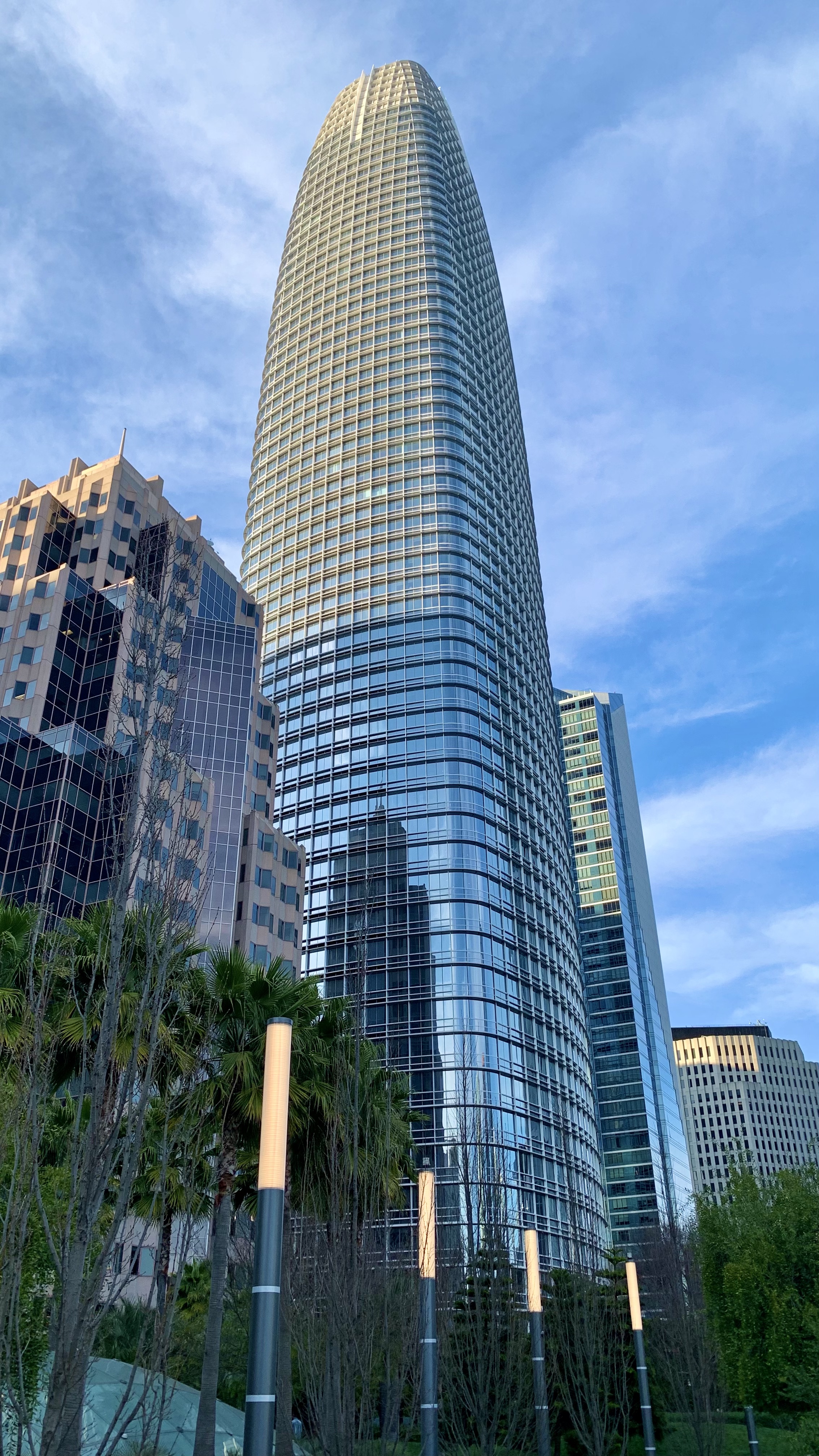
The Reigning Titan: Salesforce Tower
At the pinnacle of San Francisco’s vertical landscape stands the Salesforce Tower. Officially known as the Salesforce West or its former working title Transbay Tower, this sleek and imposing skyscraper has redefined the city’s silhouette since its completion in 2018. Measuring an impressive 1,070 feet (326 meters) in height, it dwarfs its predecessors and offers unparalleled views of the city, the San Francisco Bay, and beyond.
Architectural Marvel and Design Philosophy
The Salesforce Tower is a product of visionary design by the acclaimed architectural firm Pelli Clarke Pelli Architects. Its distinctive design features a tapered form that subtly narrows as it ascends, culminating in a slender, illuminated crown. This aesthetic choice is not merely for visual appeal; it is a functional design element that mitigates wind forces at higher altitudes, ensuring structural integrity and occupant comfort. The building’s facade is clad in a sophisticated curtain wall system of clear, low-iron glass, which maximizes natural light penetration into the interior spaces while offering occupants panoramic views of the surrounding cityscape.
The tower’s spire, a defining element of its silhouette, is equipped with an advanced LED lighting system. This system allows for dynamic illumination, capable of displaying various colors and patterns, often reflecting city events or holidays. This feature transforms the spire into a visual landmark, a constantly changing element of the San Francisco skyline.
Engineering Prowess and Sustainable Features
Beyond its aesthetic appeal, the Salesforce Tower is a triumph of modern engineering. It was constructed using state-of-the-art techniques, including a deep foundation system designed to withstand seismic activity, a critical consideration in earthquake-prone California. The building’s structural system incorporates robust bracing and a tuned mass damper, a device that counteracts sway caused by wind or seismic events, further enhancing its resilience.
Sustainability was a core principle in the design and construction of the Salesforce Tower. It incorporates numerous green building features aimed at reducing its environmental footprint. These include a high-performance glass facade that minimizes heat gain, energy-efficient HVAC systems, and water-saving fixtures. The building is designed to meet stringent LEED (Leadership in Energy and Environmental Design) standards, reflecting a commitment to environmental responsibility in urban development.
The Transbay Transit Center Connection
A crucial aspect of the Salesforce Tower‘s significance lies in its integrated role within the Transbay Transit Center project. The tower’s construction was intrinsically linked to the development of this massive transportation hub, designed to serve as the central gateway for regional transit. The Salesforce Tower acts as a vertical anchor for the transit center, with its lower floors connecting directly to the facility.
A Hub of Connectivity
The Transbay Transit Center is envisioned as a multimodal transportation hub, facilitating connections between BART (Bay Area Rapid Transit), Caltrain, Muni buses, and eventually, high-speed rail. The Salesforce Tower‘s presence reinforces this vision, symbolizing the synergy between modern corporate development and essential public infrastructure. The integration ensures that the tower’s occupants and visitors have seamless access to public transportation, promoting sustainable commuting options.
Economic and Urban Revitalization
The development of the Salesforce Tower and the Transbay Transit Center represents a significant investment in the revitalization of San Francisco‘s downtown core, particularly the South of Market (SoMa) district. This area, once characterized by industrial warehouses, has been transformed into a vibrant commercial and residential hub. The tower has not only provided prime office space for Salesforce and other businesses but has also spurred surrounding development, creating new retail, dining, and residential opportunities. This economic uplift has solidified the district’s status as a premier business and cultural destination.
Historical Perspective: Previous Tallest Buildings
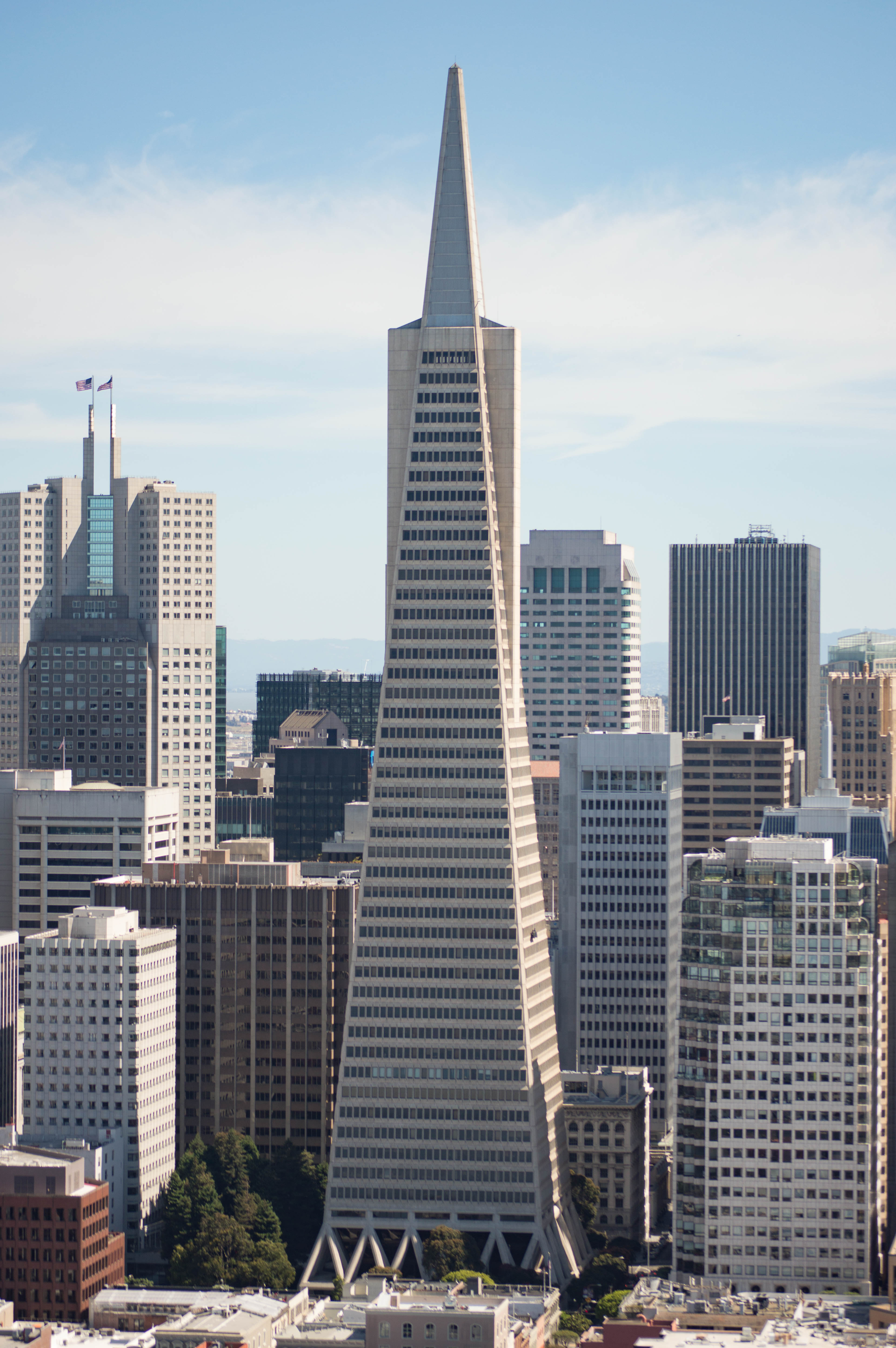
Before the ascendancy of the Salesforce Tower, San Francisco‘s skyline was dominated by other notable structures, each holding the title of the city’s tallest at different points in history. Understanding these predecessors provides a fascinating glimpse into the city’s architectural evolution and its embrace of taller buildings.
The Era of the Transamerica Pyramid
For decades, the Transamerica Pyramid, completed in 1972, held the distinction of being San Francisco’s tallest building. Standing at 853 feet (260 meters), its distinctive pyramidal shape and crowning glass spire made it an unmistakable icon of the city. Designed by architect William Pereira, the Transamerica Pyramid was a bold statement of modernity and a departure from the prevailing architectural styles of its time. Its unique form was not only aesthetically striking but also designed to allow more natural light to reach the street level.
Other Notable High-Rises
Prior to the Transamerica Pyramid, other buildings vied for the title of tallest. The 101 California Street building, completed in 1982, briefly held the record before being surpassed. The Wells Fargo Building (now known as 555 California Street), finished in 1969, was also a significant contender, representing the growing trend towards taller office buildings in the city. The evolution of these structures reflects the economic growth and architectural ambition that have characterized San Francisco throughout the 20th and 21st centuries.
Experiencing the City from Above
While the Salesforce Tower itself is primarily a commercial office building and not a public observation deck like some other skyscrapers, its presence and design invite contemplation of the city’s verticality and its commanding views. The experience of seeing the city from its highest points, whether from a nearby vantage or the expansive windows of its occupants, offers a unique perspective.
Views and Vistas
The sheer height of the Salesforce Tower provides an unparalleled perspective on San Francisco. From its upper floors, one can gaze out over the sprawling urban grid, the iconic Golden Gate Bridge in the distance, the shimmering waters of the bay, and the rolling hills beyond. On a clear day, the views can extend for miles, offering a breathtaking panorama of the entire region. This elevated viewpoint underscores the city’s unique geography and its intimate connection with the natural landscape.
The Impact on Urban Perception
The Salesforce Tower‘s dominance in the skyline has subtly altered how many perceive San Francisco. It has become a new focal point, a modern counterpoint to the historic charm of areas like North Beach or the Victorian architecture of Pacific Heights. This juxtaposition of old and new, of historic neighborhoods and gleaming modern towers, is a hallmark of San Francisco‘s dynamic urban character. The tallest building serves as a constant reminder of the city’s forward-looking spirit and its commitment to growth and innovation.
The Future of San Francisco’s Skyline
The completion of the Salesforce Tower marks a significant chapter in San Francisco‘s architectural history, but the city’s skyline is never static. As urban development continues, and as technological advancements in construction evolve, the question of what will be the next tallest building is always on the horizon.
Ongoing Development and Potential Contenders
San Francisco‘s planning departments and developers are constantly evaluating new projects. While the Salesforce Tower currently reigns supreme, the city’s ongoing growth and demand for space could lead to future developments that challenge its record. Factors such as zoning regulations, economic feasibility, and design innovation will all play a role in shaping what the future skyline of San Francisco will look like. The desire to build taller, more efficient, and architecturally significant structures remains a driving force in the city’s development.

A Symbol of Ambition
Ultimately, the tallest building in any city is more than just a structure; it is a symbol of aspiration, progress, and economic vitality. In San Francisco, the Salesforce Tower stands as a testament to the city’s enduring spirit of innovation and its status as a global hub for technology and business. Its impressive height and modern design not only dominate the physical landscape but also represent the ambitious outlook of a city that continues to reach for new heights.
LifeOutOfTheBox is a participant in the Amazon Services LLC Associates Program, an affiliate advertising program designed to provide a means for sites to earn advertising fees by advertising and linking to Amazon.com. Amazon, the Amazon logo, AmazonSupply, and the AmazonSupply logo are trademarks of Amazon.com, Inc. or its affiliates. As an Amazon Associate we earn affiliate commissions from qualifying purchases.