
As the Rocky Mountains beckon with their promise of adventure and breathtaking vistas, many travelers find themselves drawn to the charming mountain towns that dot the Colorado landscape. Among these, Winter Park stands out as a premier destination for outdoor enthusiasts and those seeking a quintessential Colorado experience. A common question for those planning a trip from the urban hub of Denver is, “How far is Winter Park from Denver, Colorado?” Understanding this distance is crucial for planning transportation, estimating travel time, and maximizing your enjoyment of the journey. Fortunately, the drive between these two iconic locations is not only manageable but also offers a scenic introduction to the grandeur of the Rocky Mountains.
The Direct Drive: Distance and Time
The most straightforward answer to the question of distance between Denver and Winter Park revolves around the primary driving route. Typically, the distance is approximately 67 miles, or about 108 kilometers. This mileage is a useful benchmark, but it’s the estimated travel time that often holds more significance for travelers. Under normal traffic conditions and without significant stops, the drive can take anywhere from 1 hour and 30 minutes to 2 hours.
Several factors can influence this travel time. The most significant is the time of day and day of the week. Traveling during peak commuter hours on weekdays, especially when departing from or arriving in Denver, can lead to delays on major roadways such as I-70. Similarly, weekend travel, particularly on Fridays and Sundays, can see increased traffic as people head to or return from mountain destinations.
Weather is another critical element to consider. Colorado’s mountain weather can be unpredictable, and winter conditions, in particular, can dramatically impact travel times. Snowstorms, ice, and reduced visibility can necessitate slower driving speeds, lead to temporary road closures, or even require the use of traction devices. It is always advisable to check current road conditions and weather forecasts before embarking on your journey, especially during the winter months. The Colorado Department of Transportation (CDOT) provides real-time updates and road closure information, which is an invaluable resource for any traveler.
Route Options and Scenic Considerations
While there is a primary, most efficient route from Denver to Winter Park, exploring alternative routes can add to the overall travel experience, offering different perspectives of the mountainous terrain.
The Standard Route via US-40 and US-6
The most common and generally quickest route involves heading west out of Denver on I-70. You will then take exit 232 for US-6 E towards US-40 W and Empire. This route takes you through the scenic Eisenhower Tunnel, one of the highest vehicular tunnels in the world, and over the Continental Divide. After passing through Empire, you will continue on US-40 W, a highway known for its beautiful mountain scenery, eventually reaching Winter Park. This route is well-maintained and generally the most direct.
Alternative Scenic Routes (for extended travel)
For those with more time and a desire to explore further, there are more circuitous but incredibly scenic routes. One such option involves continuing on I-70 for a longer stretch before exiting and taking mountain roads. However, these alternative routes are significantly longer and are best undertaken when time is not a constraint. They can offer access to smaller mountain communities and more remote natural areas. For the primary purpose of reaching Winter Park from Denver efficiently, the US-40 route is recommended.
Transportation Options to Winter Park
The method of transportation you choose will significantly impact your travel experience and the perceived distance and time to Winter Park. While driving your own vehicle is popular, other options exist for those who prefer not to navigate the mountain roads themselves.
Driving Your Own Vehicle
As mentioned, driving is the most common method. This offers the most flexibility in terms of departure times, stops, and exploration of surrounding areas. Renting a car in Denver is a readily available option, with numerous rental agencies at Denver International Airport and throughout the city. Ensure your rental vehicle is equipped for potential winter driving conditions if traveling during the colder months. All-wheel drive or four-wheel drive vehicles are recommended, and carrying chains may be legally required during severe weather.
Shuttle Services and Ride Shares
Several private shuttle services operate between Denver and Winter Park. These services offer a convenient way to travel, especially if you are arriving in Denver by air and do not wish to drive. Booking in advance is highly recommended, particularly during peak seasons. Ride-sharing services like Uber and Lyft are available in Denver, but their availability and cost for a long-distance trip to Winter Park can be variable and often more expensive than dedicated shuttle services.
Public Transportation (Limited)
While Denver has a robust public transportation system, direct public transit options to Winter Park are very limited. There are no direct light rail or bus routes that service this specific mountain destination from the city. Travelers relying on public transport would likely need to combine services, which can be time-consuming and inconvenient. For this reason, private transport or shuttles are generally preferred.
Planning Your Trip: What to Expect on the Road
The journey from Denver to Winter Park is more than just covering mileage; it’s an integral part of the mountain experience. Preparing for the drive will ensure a smoother and more enjoyable transition into the alpine environment.
Seasonal Considerations and Road Conditions
As highlighted, the season of your travel plays a paramount role.
Summer and Fall Travel
During the summer and fall months, the drive is generally clear and pleasant. The days are longer, and the mountain scenery is at its most vibrant. Roadways are typically in good condition, and the primary concern is traffic congestion, especially on weekends or during holiday periods.
Winter and Spring Travel
Winter and spring in the Rockies bring a different set of challenges. Snowfall can be heavy, leading to picturesque landscapes but also to potentially hazardous driving conditions. US-40 is regularly plowed and maintained, but delays are common during and immediately after significant snow events. Traction laws may be enforced, requiring vehicles to have appropriate tires or carry chains. Spring can bring a mix of conditions, with snow possible at higher elevations even as lower areas begin to thaw. Checking CDOT’s website for the latest road conditions is essential during these seasons.
Recommended Stops and Points of Interest
While the drive itself is scenic, there are opportunities to break up the journey and enjoy some sights along the way.
Towns and Villages
The route passes through or near several charming mountain towns. Idaho Springs is a historic mining town with a few local eateries and shops. Empire is a smaller community where you’ll transition onto US-40. Further along US-40, you’ll encounter Granby, a larger town with more amenities, before reaching Winter Park.
Natural Landmarks and Scenic Overlooks
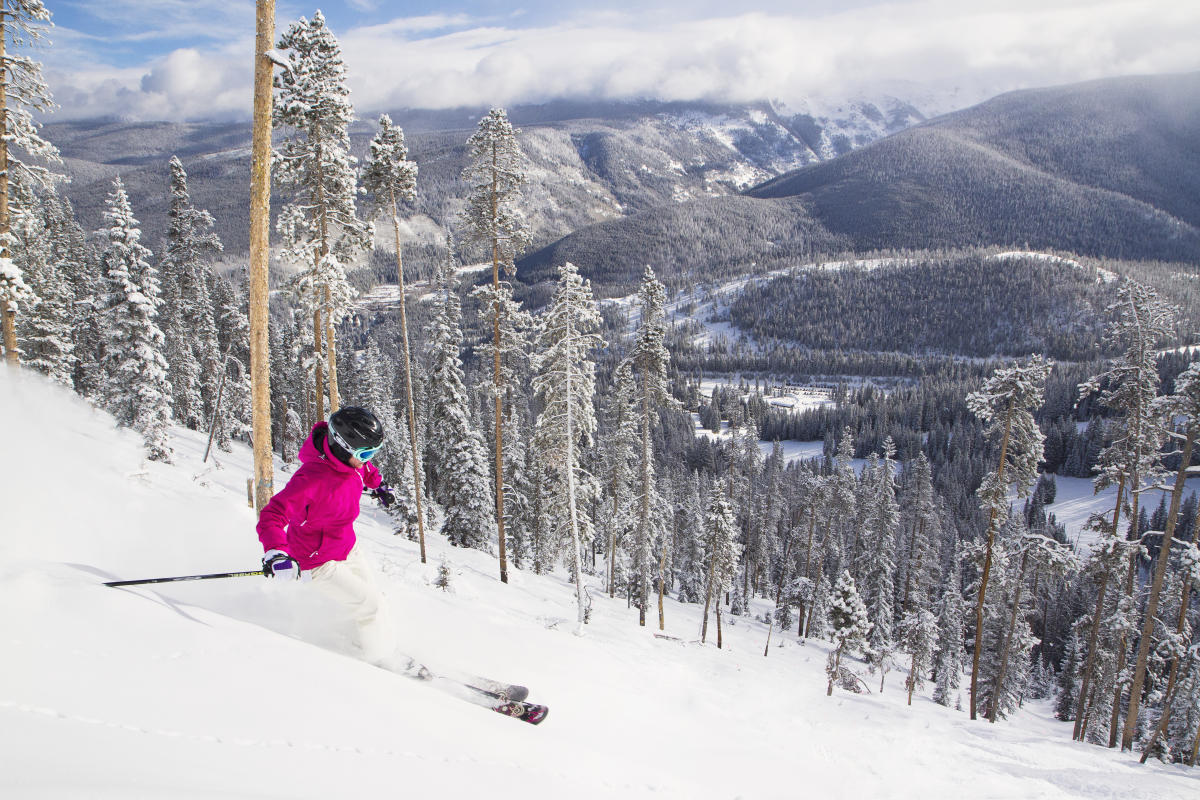
The drive offers several opportunities for quick stops to appreciate the mountainous scenery. As you ascend towards the Continental Divide, keep an eye out for designated scenic overlooks that provide panoramic views of the valleys and peaks. The Eisenhower Tunnel itself is a marvel of engineering, and the landscape surrounding it is dramatic. Consider a brief stop at Georgetown if taking a slightly more leisurely approach via the historic Georgetown Loop Railroad (though this adds significant time).
In essence, the distance from Denver to Winter Park is a manageable 67 miles, translating to a drive of roughly 1.5 to 2 hours under ideal conditions. However, the true essence of this travel lies not just in the destination, but in the experience of traversing the majestic Rocky Mountains. By understanding the nuances of the routes, transportation options, and seasonal considerations, travelers can ensure their journey to Winter Park is as enjoyable and seamless as the destination itself.
LifeOutOfTheBox is a participant in the Amazon Services LLC Associates Program, an affiliate advertising program designed to provide a means for sites to earn advertising fees by advertising and linking to Amazon.com. Amazon, the Amazon logo, AmazonSupply, and the AmazonSupply logo are trademarks of Amazon.com, Inc. or its affiliates. As an Amazon Associate we earn affiliate commissions from qualifying purchases.