
California, a state synonymous with innovation, natural beauty, and economic power, grapples with a profound and persistent challenge: homelessness. The question of “How many people are homeless in [California]?” extends beyond mere statistics; it delves into the core issues of accommodation availability, affordability, and the societal structures that impact stable long-term stays for hundreds of thousands of individuals. Understanding the scope and drivers of this crisis is crucial for comprehending the complex landscape of housing and living conditions within the Golden State.
The Scope of California’s Accommodation Crisis
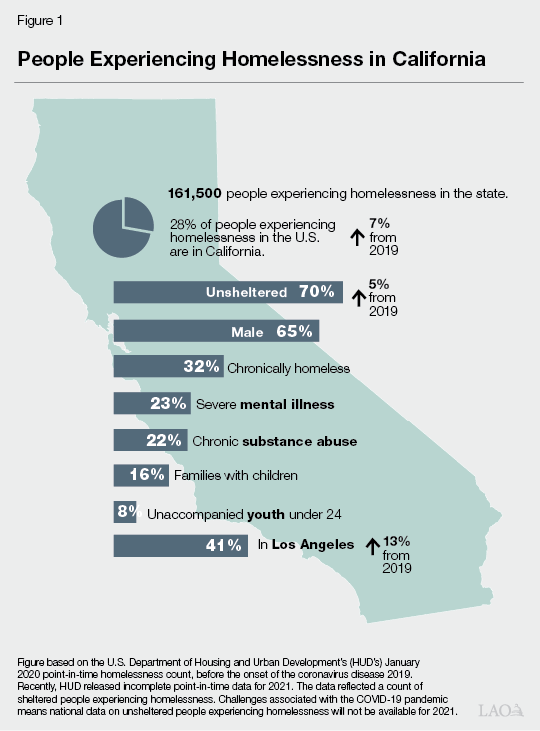
The state of [California] consistently reports the largest homeless population in the United States. According to the latest Point-in-Time (PIT) counts, conducted annually across the nation, [California]’s homeless population often exceeds 170,000 individuals. This figure represents a disproportionate share, roughly 30% of the entire homeless population of the [United States], despite [California] accounting for only about 12% of the national population.
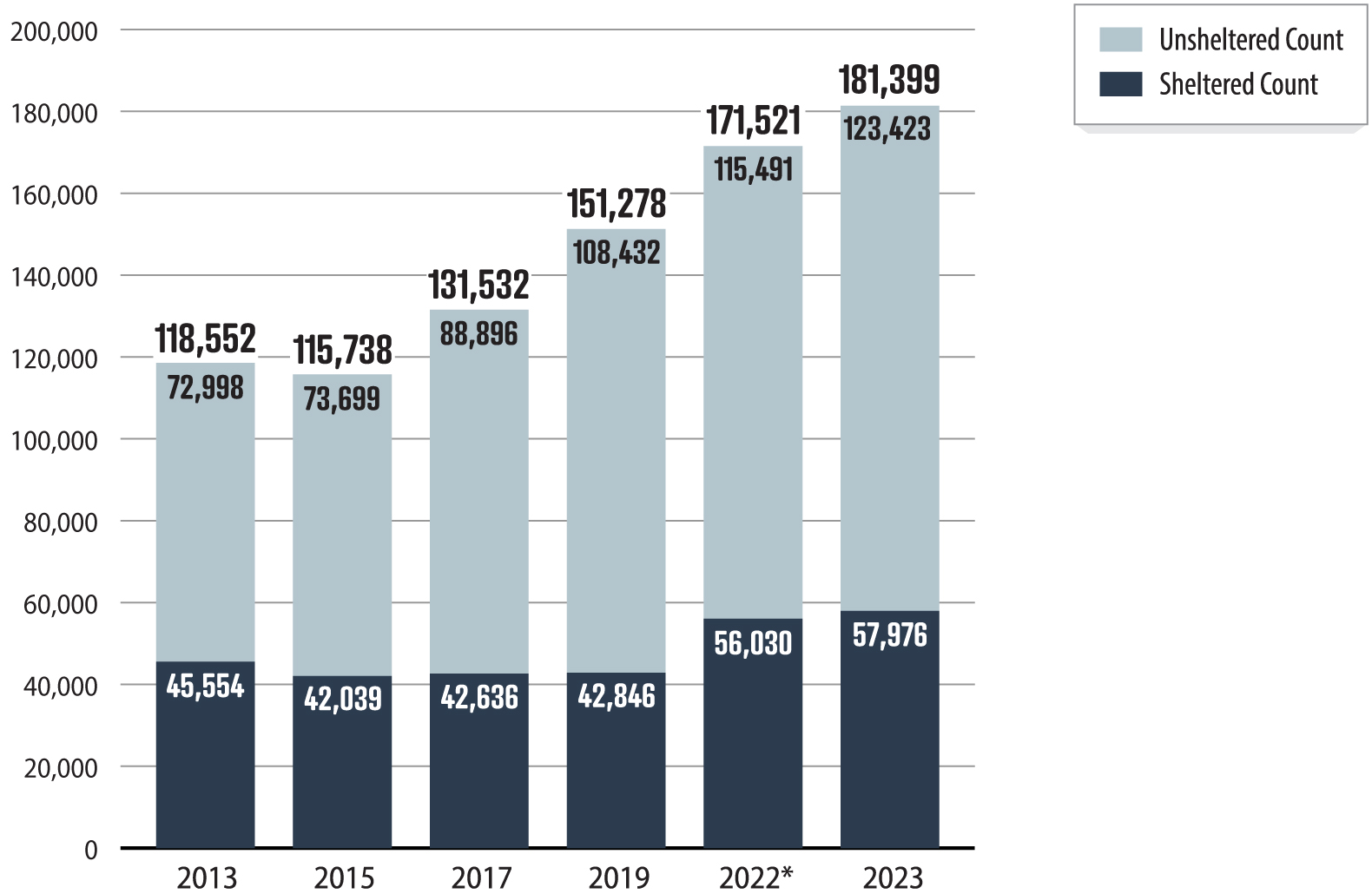
Crucially, a significant portion of [California]’s homeless population is unsheltered. While many states manage to provide some form of emergency or transitional accommodation for a majority of their homeless residents, [California] faces a severe deficit in these resources. Over 70% of homeless individuals in the state are estimated to be living outdoors, in vehicles, or in other places not meant for human habitation. This stark reality underscores a critical shortage in available, accessible, and suitable long-term accommodation options, as well as short-term emergency shelters. The sheer volume of people lacking even basic shelter highlights a systemic failure in the provision of fundamental accommodation. The crisis is not merely about individuals unable to book a place to stay; it’s about an entire segment of the population for whom the concept of a stable long-term stay has become an unattainable dream.
Key Drivers Behind the Lack of Stable Accommodation
The multifaceted nature of homelessness in [California] can be attributed to a confluence of economic, social, and policy factors, all converging on the central issue of accommodation.
Housing Affordability and Availability
Perhaps the most significant driver is the extreme lack of affordable housing and the soaring cost of living, especially in [California]’s major urban centers. Cities like Los Angeles, San Francisco, San Jose, and San Diego boast some of the highest rental and purchase prices for accommodation globally. The median rent for a one-bedroom apartment in these areas can easily exceed $2,500 per month, far outstripping the income of many low-wage workers, individuals on fixed incomes, or those facing unexpected financial setbacks.
The supply of housing simply has not kept pace with population growth and demand. Stringent zoning regulations, high construction costs, and community opposition to new development often hinder the creation of additional accommodation units, particularly affordable ones. This creates a fierce competition for available housing, pushing those with limited financial resources out of the traditional accommodation market entirely. The issue is not just about the inability to book a luxury suite, but the struggle to secure any form of safe, stable, and affordable long-term accommodation.
Economic Disparities and Income Gaps
While [California] is home to immense wealth and technological advancement, it also exhibits significant income inequality. A substantial portion of the population earns wages that are insufficient to cover the high cost of accommodation. Minimum wage, even in higher-paying [California] cities, often falls short of what is needed to rent even the most basic apartment. A sudden job loss, a medical emergency, or an unexpected expense can quickly spiral into an inability to pay rent, leading to eviction and subsequently, homelessness. For many, the option of a stable long-term stay is constantly precarious, hanging by a thread of continuous employment and financial stability.
Systemic Challenges and Policy Gaps
Beyond market forces, systemic issues contribute to the accommodation crisis. An inadequate supply of mental health services and substance abuse treatment facilities means that many individuals struggling with these challenges lack the support needed to maintain stable housing. The transition from correctional facilities also often leaves individuals without a clear path to securing accommodation, perpetuating cycles of homelessness. Furthermore, a fragmented system of social services and a lack of coordinated efforts across different levels of government can create barriers to effective intervention and the provision of suitable long-term accommodation solutions. Policies around land use, development incentives, and funding for supportive housing are critical yet often insufficient to address the scale of the need.
Geographic Concentration of Accommodation Needs
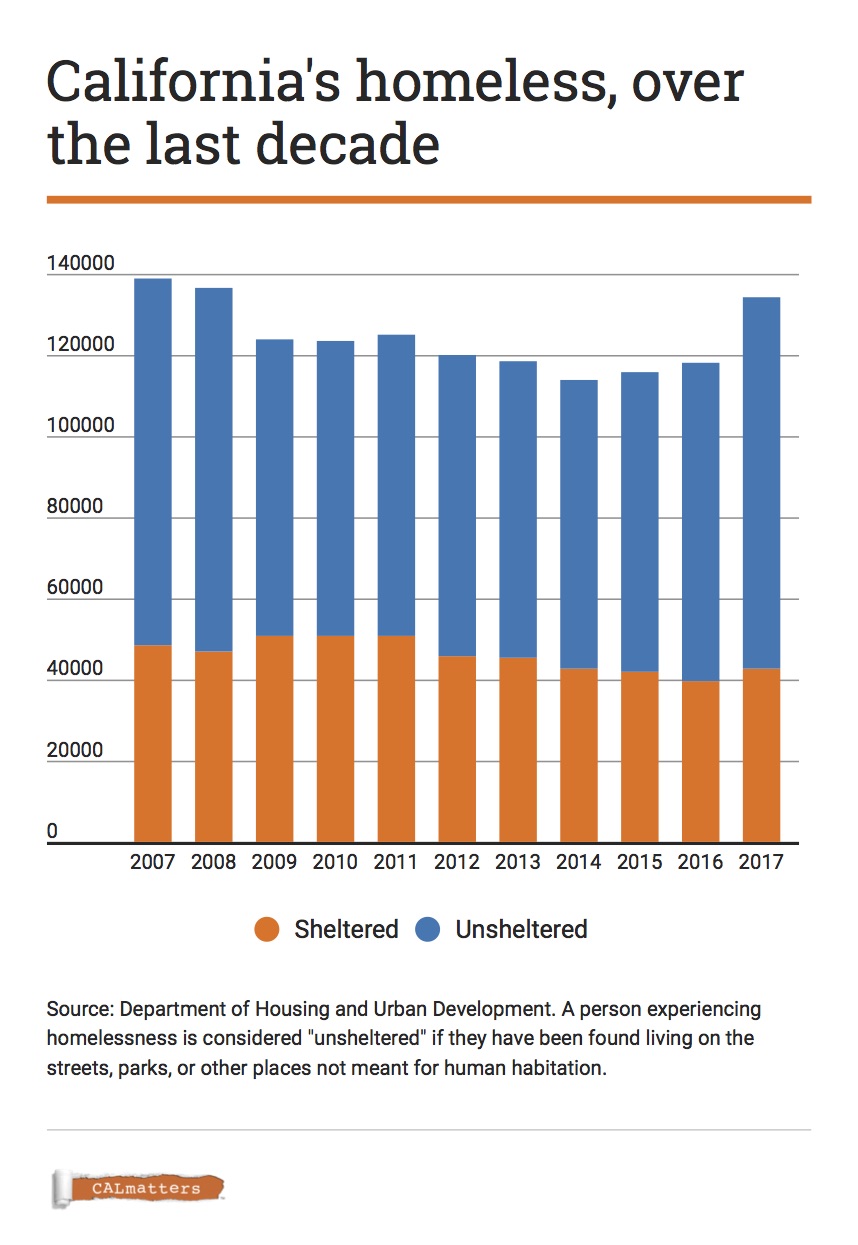
The homelessness crisis in [California] is not uniformly distributed across the state. It is significantly concentrated in its major metropolitan areas, reflecting the intense pressures of high housing costs and limited affordable accommodation.
Southern California Hotspots
Los Angeles County consistently records the largest homeless population of any county in the [United States], often accounting for over a third of [California]’s total. The city of [Los Angeles] itself, alongside neighboring communities, struggles with vast encampments and a severe shortage of permanent supportive housing and emergency shelters. Orange County and San Diego County also face significant challenges, with their coastal attractions and strong economies driving up accommodation costs, pushing more vulnerable residents onto the streets. The demand for various types of accommodation, from emergency short-term stays to permanent housing solutions, far outweighs the supply in these densely populated regions.
Northern California’s Bay Area Predicament
The San Francisco Bay Area, including [San Francisco], Oakland, and [San Jose], represents another major epicenter of homelessness. Driven by the booming tech industry and an unparalleled cost of living, even high-income earners find it challenging to afford accommodation, let alone those in lower income brackets. The Bay Area has a high rate of unsheltered individuals, and the visible presence of homelessness underscores the acute lack of affordable long-term accommodation options. The crisis here highlights how even robust economic growth can exacerbate accommodation issues if not coupled with proactive housing policies.
Initiatives and Approaches to Address Accommodation Shortages
Addressing the scale of homelessness in [California] requires a multifaceted and sustained effort focused on increasing the supply of diverse accommodation options and providing comprehensive support services.
Expanding Affordable Housing Supply
State and local governments, along with non-profit organizations, are implementing various strategies to increase the availability of affordable long-term accommodation. This includes significant investments in building new affordable housing units, converting existing commercial properties into residential spaces, and providing subsidies for developers who include affordable units in their projects. Programs like the No Place Like Home Act aim to fund permanent supportive housing for individuals with mental illness who are experiencing homelessness, ensuring not just a roof over their heads but also the necessary services for a stable long-term stay.
Rapid Rehousing and Homeless Prevention
Beyond creating new stock, efforts are focused on preventing homelessness and rapidly rehousing individuals once they lose their accommodation. Rapid rehousing programs provide temporary rental assistance and support services to help individuals and families quickly move from homelessness into stable housing. Homeless prevention programs offer financial aid, mediation services, and legal assistance to tenants at risk of eviction, aiming to stabilize their current accommodation situations before they escalate into homelessness. These initiatives recognize that proactive intervention and flexible financial support can be more cost-effective and humane than responding to full-blown homelessness.
Enhancing Shelter and Transitional Accommodation
While the ultimate goal is permanent housing, emergency shelters and transitional accommodation remain critical components of the system. Efforts are underway to expand and improve the quality of these short-term accommodation options, making them more accessible and safe. Innovative models, such as tiny home villages and sanctioned encampments with services, are being explored to provide immediate, dignified accommodation for those living unsheltered. These solutions, while not permanent, offer a crucial stepping stone towards securing more stable long-term accommodation.
The Broader Impact on California’s Accommodation Landscape
The pervasive issue of homelessness fundamentally impacts [California]’s broader accommodation landscape, extending beyond the immediate crisis to influence policy, public perception, and economic considerations. The visible presence of unsheltered populations in cities across the state draws attention to the severe imbalance in the availability of secure and affordable long-term stays. This societal challenge puts pressure on urban planning, demanding innovative solutions that balance the needs of existing residents, burgeoning populations, and vulnerable communities.
For cities that are major tourist destinations, the accommodation crisis presents a complex dichotomy. While [California]’s hotels, resorts, and vacation rentals thrive, catering to visitors seeking temporary, often luxurious, accommodation, the stark reality of widespread homelessness creates a jarring contrast. It forces a critical examination of how resources are allocated and how urban spaces are designed to serve all members of society, not just those able to book comfortable stays. The crisis highlights the need for a comprehensive accommodation strategy that not only meets the commercial demands of tourism and business but also ensures basic, dignified long-term accommodation for all its residents. Addressing how many people are homeless in [California] is not just about counting numbers; it’s about rebuilding the very foundation of stable living and equitable access to housing for every individual in the state.
LifeOutOfTheBox is a participant in the Amazon Services LLC Associates Program, an affiliate advertising program designed to provide a means for sites to earn advertising fees by advertising and linking to Amazon.com. Amazon, the Amazon logo, AmazonSupply, and the AmazonSupply logo are trademarks of Amazon.com, Inc. or its affiliates. As an Amazon Associate we earn affiliate commissions from qualifying purchases.