
Understanding the tax landscape in California is paramount for anyone planning a visit, considering a move, or simply managing their daily expenditures within the Golden State. Taxes, often an afterthought, significantly impact the overall cost of living, travel, and consumer goods. From sales tax on your everyday purchases to specific levies on lodging and fuel, California’s tax percentages are a crucial component of financial planning for a comfortable lifestyle or a well-managed budget trip. This comprehensive guide delves into the various tax percentages you’re likely to encounter, offering insights to help you navigate the financial intricacies of this diverse state.
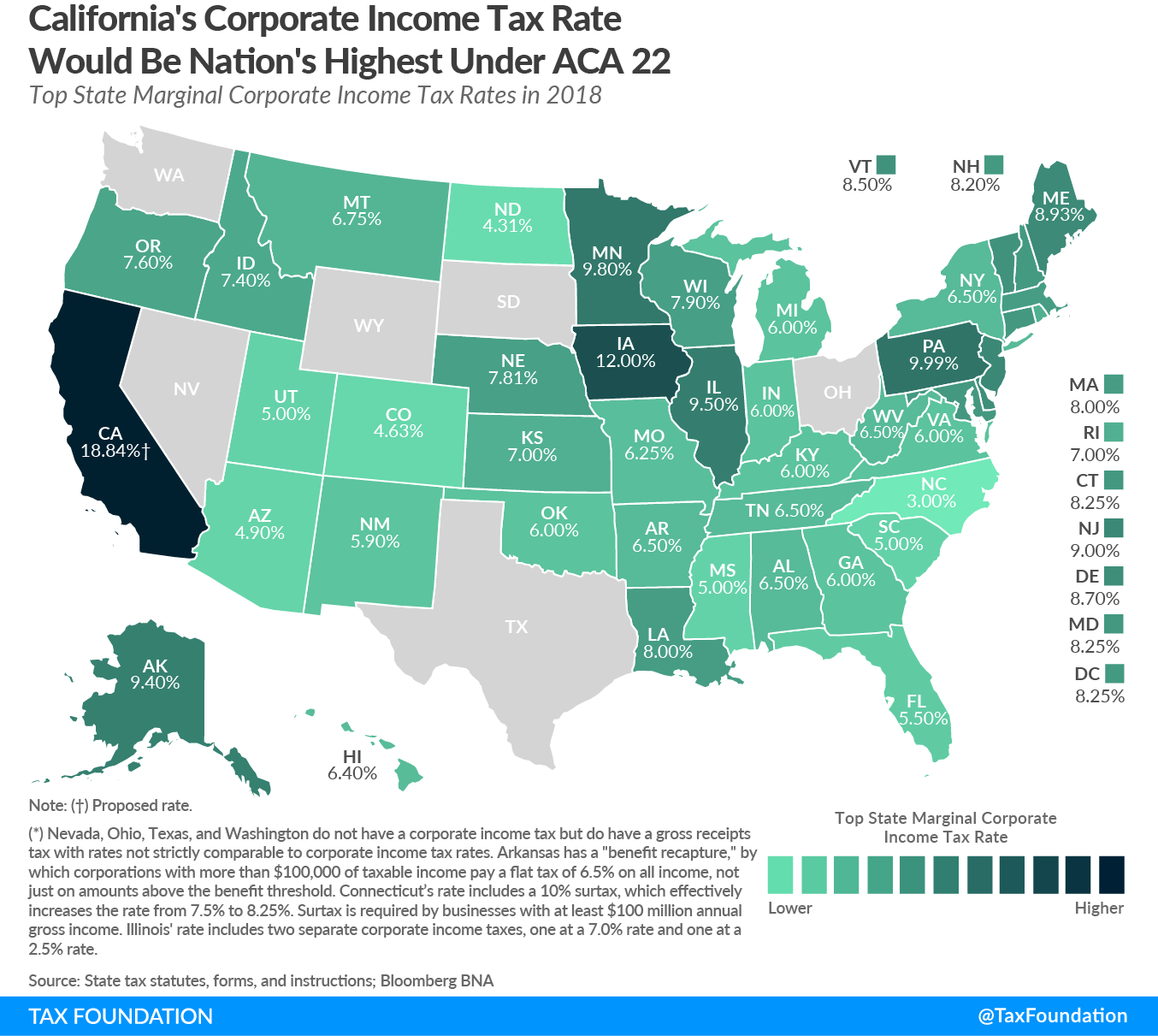
California is renowned for its vibrant culture, stunning landscapes, and innovative industries. However, it’s also known for its relatively higher cost of living, a factor significantly influenced by its tax structure. Whether you’re indulging in retail therapy along Rodeo Drive in Beverly Hills, enjoying the culinary scene in San Francisco, or exploring the theme parks of Anaheim, taxes will invariably add to your final bill. Knowing what to expect allows for better budgeting, preventing surprises and ensuring a smoother experience in one of America’s most popular destinations.
Understanding California’s Sales Tax Landscape
The sales tax is arguably the most common tax you’ll encounter in California, applied to the sale of most goods and some services. Unlike some states with a flat rate, California’s sales tax is a combination of a statewide rate and various local district taxes, leading to a dynamic percentage that varies by location.
The Statewide Sales Tax Rate
At its core, California imposes a statewide sales tax rate. This foundational percentage is applied across all cities and counties within the state, serving as the base upon which local additions are built. As of recent data, the statewide sales tax rate has been a consistent figure, currently sitting at 7.25%. This rate covers a vast array of tangible personal property purchases, from clothing and electronics to furniture and non-prepared foods sold in restaurants. Understanding this baseline is the first step in comprehending your overall spending power in California.
How Local Districts Impact Your Purchase Price
The true complexity of California’s sales tax emerges with the addition of local district taxes. These are imposed by cities, counties, and special districts to fund local services such as transportation, public safety, and infrastructure projects. These district taxes can vary significantly, ranging from an additional 0.10% to over 2.5%, pushing the combined sales tax rate in some areas well above the statewide minimum. For instance, while the statewide rate is 7.25%, you might find yourself paying upwards of 10.25% in certain parts of Los Angeles County or Alameda County.
This variability means that the price of the same item can differ purely based on where you purchase it. A shirt bought in Sacramento might incur a different sales tax than one purchased in Santa Monica or San Diego. For travelers, this can slightly impact budgeting for souvenirs or significant purchases, while for residents, it’s a constant consideration in their daily spending. It’s always wise to check the specific sales tax rate for the city or county you are in to avoid surprises, especially on larger transactions.
Exemptions and What to Expect
While the sales tax applies broadly, there are notable exemptions that can influence your budget. Most importantly, certain food items purchased for home consumption (e.g., groceries from a supermarket) are generally exempt from sales tax. However, prepared food, hot meals, and restaurant dining are typically subject to sales tax. Services, in general, are also not subject to sales tax in California, although specific services might have their own unique taxes or fees.
Understanding these exemptions is crucial for daily living and travel budgeting. For example, buying ingredients to cook at your vacation rental will likely save you the sales tax you’d incur dining out, a small but impactful detail for budget-conscious travelers or long-term visitors.
Navigating Lodging Taxes (Transient Occupancy Tax)
For anyone planning an overnight stay in California, the Transient Occupancy Tax (TOT), often referred to as a hotel tax or tourist tax, is an unavoidable addition to your accommodation costs. This tax is levied on guests staying in hotels, motels, bed and breakfasts, and often short-term rentals like those found on Airbnb or VRBO.
Variability Across California Cities and Counties
Similar to sales tax, the TOT rate is not uniform across California. It is set by individual cities and counties, leading to significant variations depending on your chosen destination. Major tourist hubs typically have higher TOT rates to fund local tourism initiatives, infrastructure, and public services that support the visitor economy. For instance, the TOT in San Francisco can be as high as 14%, while in Los Angeles, it’s around 14-15.5% depending on the specific city within the county. Smaller cities or less tourist-dense areas might have lower rates, sometimes ranging from 8% to 12%.
This variability can profoundly impact your accommodation budget. A room costing $200 per night could end up being $228 in one city (with a 14% TOT) or $220 in another (with a 10% TOT), not including any additional resort fees or cleaning charges. For an extended stay, these percentages compound rapidly, making prior research essential for accurate budgeting.
Impact on Your Accommodation Budget
The TOT is a significant factor in the overall cost of your trip to California. When booking accommodation, it’s vital to look beyond the advertised room rate and check the final price, which typically includes all applicable taxes and fees. Many booking platforms now display the “total price” inclusive of taxes, but it’s always wise to confirm.
For those planning to visit expensive areas like Napa Valley, Santa Barbara, or Palm Springs, where room rates are already premium, a high TOT can push your daily spending considerably higher. Budget travelers might find it beneficial to explore accommodation options in adjacent, slightly less prominent areas that could have lower TOT rates, offering a potential saving without sacrificing too much proximity to attractions.
Beyond Hotels: Short-Term Rentals
The rise of short-term rental platforms has introduced new considerations for lodging taxes. Most cities and counties in California now require these platforms (like Airbnb and VRBO) to collect and remit TOT on behalf of their hosts, ensuring a level playing field with traditional hotels. Therefore, whether you opt for a luxury hotel or a cozy vacation rental, you should generally expect to pay the local Transient Occupancy Tax.
However, the specific rules and exemptions for short-term rentals can sometimes differ from traditional hotels, especially for very short stays or specific property types. It’s always advisable to review the booking details carefully and understand the tax breakdown before confirming your reservation.
Additional Taxes Affecting Your California Lifestyle
Beyond sales and lodging taxes, several other specific taxes and fees can add to your expenses when enjoying the California lifestyle, particularly for travelers and those on the move.
Fueling Your Journey: Gasoline Taxes
California has some of the highest gasoline prices in the United States, partly due to various state and federal taxes. These taxes include a significant per-gallon excise tax, sales tax on gasoline, and a cap-and-trade program cost designed to reduce greenhouse gas emissions. These combined levies contribute substantially to the pump price.
For travelers planning a scenic road trip along the Pacific Coast Highway or exploring national parks like Yosemite or Death Valley, factoring in the high cost of fuel, driven by these taxes, is critical. A long drive across the state can incur hundreds of dollars in fuel costs, making it a significant line item in a travel budget. Residents commuting daily also feel the consistent pinch of these taxes.
Getting Around: Rental Car Fees and Taxes
Renting a car in California comes with its own set of taxes and fees that can sometimes be overlooked. In addition to the standard sales tax on the rental itself (which applies to the rental amount, not the car’s value), you’ll often encounter a state-mandated tourism assessment fee, county or city-specific surcharges, and a vehicle license fee recovery charge. These can add a substantial percentage to your daily rental rate.
For example, a basic $50 per day rental might easily cost over $70 per day once all taxes, fees, and insurance options are added. This is particularly relevant for visitors flying into major airports like Los Angeles International Airport (LAX) or San Francisco International Airport (SFO), where concession fees for airport operations also get passed on to the consumer. Always get a detailed quote that includes all taxes and fees when budgeting for a rental car.
Dining Out: Restaurant Surcharges and Taxes
While sales tax generally applies to prepared food in restaurants, some California cities and establishments have introduced additional surcharges. These are not state or city taxes in the traditional sense, but rather fees imposed by the business, often to cover increased operating costs, employee healthcare benefits, or minimum wage increases. These surcharges, typically ranging from 3% to 5%, are added to your bill before sales tax is calculated and can sometimes be confusing for diners.
While not a direct “tax percent in California” from a government perspective, these surcharges effectively increase the final price you pay for a meal and should be considered part of your dining budget. They are particularly prevalent in metropolitan areas like San Francisco and Los Angeles.
Budgeting and Planning for California Taxes
Effectively managing your finances in California requires a proactive approach to understanding and accounting for its various tax percentages. Whether you’re a tourist, a new resident, or a long-time Californian, strategic planning can make a significant difference.
Practical Tips for Travelers and Residents
For travelers, the key is to look at “all-in” prices whenever possible. When booking hotels, flights, or rental cars, check for the final cost inclusive of all taxes and fees. When shopping, remember that the price tag rarely reflects the final amount you’ll pay at the register due to sales tax. Budget a buffer, perhaps an additional 10-15% on discretionary spending, to cover these added costs. Utilizing apps or websites that provide local sales tax rates can also be beneficial for larger purchases.
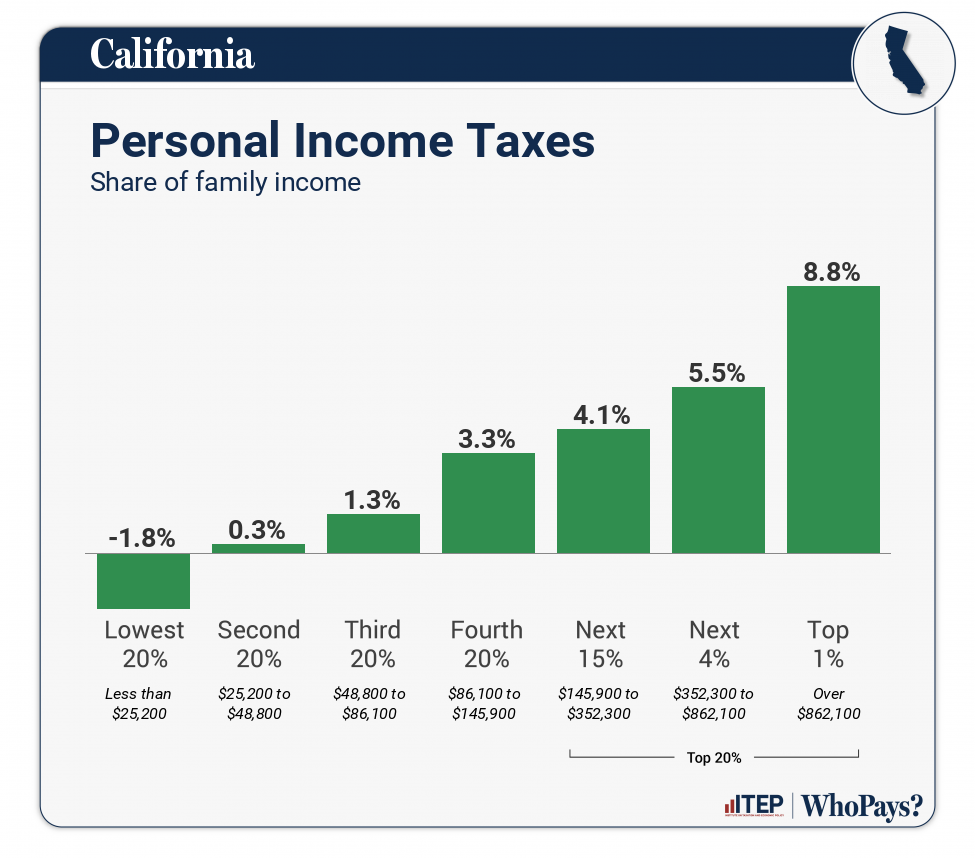
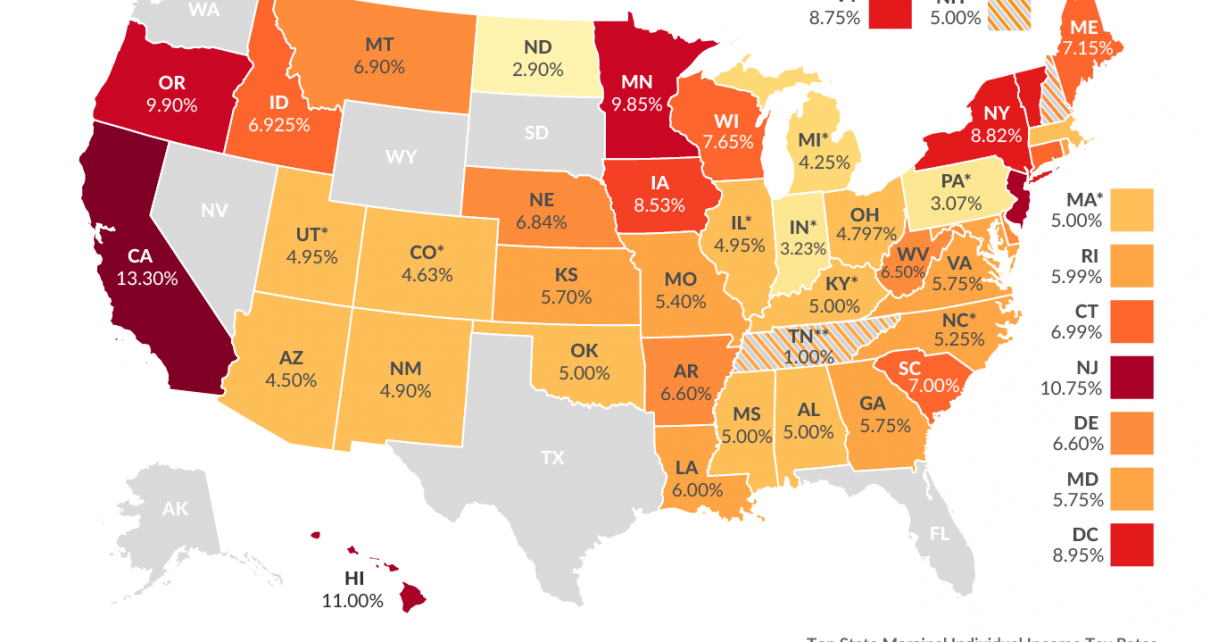
For residents, understanding the full scope of taxes, including income tax (which is progressive and can be substantial for higher earners) and property taxes (for homeowners), is even more critical. While outside the scope of consumer-facing “tax percent” for travel, these broader taxes define the overall cost of living. Regular review of tax laws and budgeting for these obligations is essential for financial stability. Leveraging tax-advantaged accounts and consulting with financial advisors can also help optimize your financial situation in a high-tax state like California.
The Broader Economic Picture
California’s tax percentages contribute significantly to the state’s robust economy and public services. While often perceived as high, these taxes fund world-class universities, extensive infrastructure projects, public safety, environmental protection initiatives, and social programs that benefit millions. The trade-off for these services and the quality of life they afford often comes in the form of higher tax burdens.
Understanding “What is the tax percent in California?” goes beyond simple numbers; it’s about appreciating the financial ecosystem that supports one of the world’s largest and most dynamic economies. For visitors, it’s about budgeting for an unparalleled experience. For residents, it’s about navigating the financial realities of calling the Golden State home. By being informed and proactive, you can ensure your California experience, whether a short trip or a permanent lifestyle, remains financially sustainable and enjoyable.
LifeOutOfTheBox is a participant in the Amazon Services LLC Associates Program, an affiliate advertising program designed to provide a means for sites to earn advertising fees by advertising and linking to Amazon.com. Amazon, the Amazon logo, AmazonSupply, and the AmazonSupply logo are trademarks of Amazon.com, Inc. or its affiliates. As an Amazon Associate we earn affiliate commissions from qualifying purchases.