
Planning a trip to a vibrant city like Boston inevitably brings practical questions to the forefront: what should I pack, what activities are available, and critically, what will the weather be like? As a city steeped in history and brimming with modern attractions, Boston offers a distinct charm in every season, largely dictated by its ever-changing New England climate. Understanding the temperature trends in this iconic Massachusetts metropolis is not just about comfort; it’s about unlocking the best travel experiences, from choosing the ideal accommodation to crafting an itinerary that perfectly suits the prevailing conditions.

Boston, located on the Atlantic coast of the United States, experiences four distinct seasons, each bringing its own unique atmospheric character and a range of temperatures that can swing dramatically. From crisp autumn days perfect for exploring historical landmarks to balmy summer evenings ideal for harbor cruises, the city’s climate plays a pivotal role in shaping the visitor experience. Whether you’re a first-time visitor or a seasoned traveler returning to rediscover its allure, delving into Boston’s seasonal temperatures is your first step towards an unforgettable journey. This comprehensive guide will walk you through what to expect regarding the temperature in Boston throughout the year, offering insights into how this impacts everything from your packing choices to the very essence of your travel style, be it luxury, budget, family-focused, or business-oriented.
Boston’s Climate: A Seasonal Overview
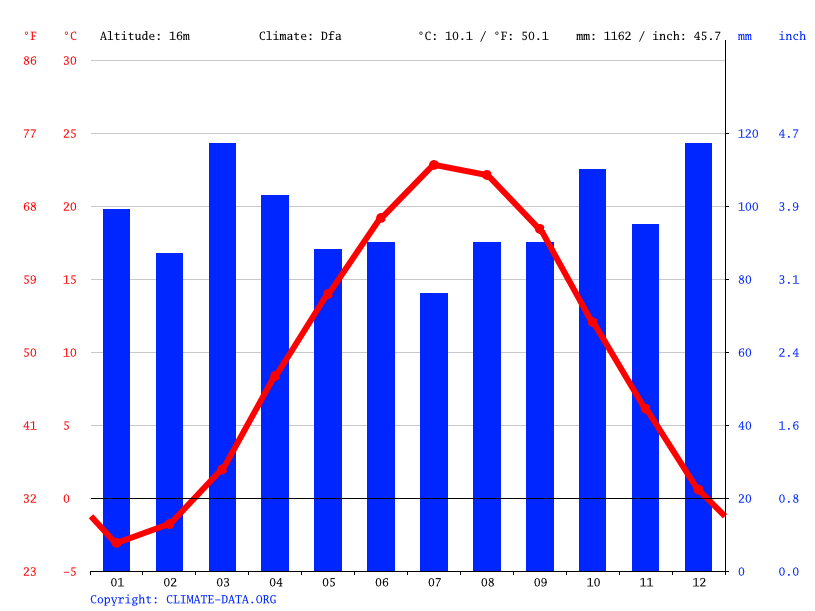
Boston’s climate is classified as a humid continental climate, characterized by warm, humid summers and cold, snowy winters. The transitional seasons of spring and autumn offer more moderate temperatures, though they are known for their unpredictability. These distinct shifts mean that what you experience in January will be vastly different from a visit in July, influencing the types of attractions you visit, the food you savor, and the overall ambiance of your stay.
Winter’s Chill and Charm (December to February)
Winter in Boston is undeniably cold, often defined by freezing temperatures, significant snowfall, and blustery winds. Average daily temperatures typically range from 20°F to 38°F (-7°C to 3°C), with nighttime lows frequently dipping into the teens or single digits Fahrenheit. Snow is a regular occurrence, transforming the city into a picturesque, snow-dusted landscape, especially around iconic areas like Boston Common and Boston Public Garden. While the cold can be intense, it also ushers in a unique charm. The frozen Boston Common Frog Pond becomes a popular ice-skating rink, and cozy cafes offer a warm respite from the biting cold. Indoor activities take center stage, from exploring the vast collections at the Museum of Fine Arts or the Isabella Stewart Gardner Museum to catching a game at the TD Garden. Despite the chill, the city pulses with holiday spirit in December and offers a quieter, more intimate experience in January and February.
Spring’s Awakening (March to May)
Spring in Boston is a season of transition, marked by gradually warming temperatures, blooming flowers, and increasingly longer daylight hours. However, it’s also famous for its unpredictability. March can still feel very much like winter, with temperatures ranging from 30°F to 45°F (-1°C to 7°C) and the possibility of late-season snow. By April, temperatures rise to a more comfortable 40°F to 55°F (4°C to 13°C), and by May, you can expect delightful days with averages between 50°F and 68°F (10°C to 20°C). The city slowly shakes off its winter slumber; cherry blossoms burst into color in the Boston Public Garden, and the Charles River Esplanade becomes a popular spot for jogging and strolling. Outdoor attractions like the Freedom Trail become more inviting, though layers are still essential for coping with the fluctuating conditions, especially on breezy days or in the evenings.
Summer’s Sizzle and Sunshine (June to August)
Boston summers are typically warm to hot and often humid, creating a vibrant, energetic atmosphere throughout the city. Average temperatures range from 65°F to 85°F (18°C to 29°C), with occasional heatwaves pushing temperatures into the 90s°F (30s°C). The humidity can make it feel even warmer. June offers some of the most pleasant summer weather before the full heat of July and August sets in. This is peak tourism season, with visitors flocking to enjoy outdoor festivals, baseball games at Fenway Park, and refreshing harbor cruises on Boston Harbor. Many also venture out to nearby coastal destinations like Cape Cod, Martha’s Vineyard, or Nantucket to escape the city heat. Air conditioning in accommodations and indoor venues becomes a critical comfort, and staying hydrated is key.
Autumn’s Golden Grandeur (September to November)
Autumn is widely considered one of the most beautiful and comfortable times to visit Boston. The hot, humid days of summer give way to crisp, clear air and stunning foliage. September still offers pleasant, mild temperatures, averaging 55°F to 72°F (13°C to 22°C), making it ideal for exploring. October sees a noticeable drop, with averages between 45°F and 60°F (7°C to 16°C), perfect for enjoying the vibrant reds, oranges, and yellows of the trees, particularly in areas like Beacon Hill or along Commonwealth Avenue. By November, temperatures range from 35°F to 50°F (2°C to 10°C), signaling the approach of winter. This season is perfect for long walks along the Freedom Trail, visiting historical sites, and enjoying the numerous fall festivals. The temperate climate makes outdoor exploration incredibly enjoyable, often with fewer crowds than in summer.
Planning Your Boston Trip: What to Pack and When to Visit
Understanding Boston’s climate is essential for practical planning, particularly concerning your wardrobe and the timing of your visit. Each season presents unique opportunities and challenges, making certain times of the year more appealing depending on your travel preferences.
Dressing for Success: Seasonal Packing Guide
Packing smart is crucial for enjoying Boston in any season. Layering is almost always recommended, regardless of the time of year, due to the city’s changeable weather patterns.
- Winter (December-February): This requires serious cold-weather gear. Think heavy, insulated coats, thermal layers, warm sweaters, hats, gloves, scarves, and waterproof boots with good traction for snow and ice.
- Spring (March-May): Pack layers! A medium-weight jacket or trench coat is a must, along with sweaters, long-sleeved shirts, and some lighter tops. Bring an umbrella or waterproof jacket for rain. Comfortable walking shoes are essential.
- Summer (June-August): Lightweight, breathable clothing like cotton and linen are ideal. Shorts, t-shirts, dresses, and sandals are appropriate. However, always pack a light sweater or jacket for air-conditioned interiors, cooler evenings, or a breezy harbor cruise. Sunscreen and a hat are also highly recommended.
- Autumn (September-November): Similar to spring, layering is key. A medium-weight jacket, sweaters, long-sleeved shirts, and jeans or trousers are perfect. Waterproof outerwear and comfortable walking shoes are advisable, especially for enjoying fall foliage.
The Best Time to Visit Boston

The “best” time to visit Boston largely depends on your priorities and what you hope to experience.
- For Mild Weather and Outdoor Activities: Late spring (May to early June) and early autumn (September to October) are universally considered the most pleasant times to visit. Temperatures are comfortable, ideal for walking tours, park visits, and outdoor dining, with autumn offering the added spectacle of fall foliage.
- For Budget Travel and Fewer Crowds: The winter months (January to March, excluding holiday periods) often see lower prices for flights and hotels. While cold, you can enjoy indoor attractions without the throngs and potentially find great deals. Late autumn and early spring (November and April) can also offer good value.
- For Family Trips and Lively Atmosphere: Summer (July and August) is perfect for families, with school holidays aligning and a plethora of outdoor events, festivals, and activities like whale watching. Be prepared for higher temperatures, humidity, and peak season crowds and prices.
- For Business Stays: Boston is a year-round hub for business. Spring and fall offer comfortable conditions for navigating the city between meetings, while winter can provide a quieter, more focused environment, assuming transportation isn’t hampered by severe weather.
Experiencing Boston Through the Seasons: Attractions, Culture, and Cuisine
Boston’s rich tapestry of travel experiences shifts with the seasons. Understanding the temperature helps you curate your itinerary to best enjoy the city’s diverse offerings.
Iconic Landmarks and Outdoor Exploration
Many of Boston’s most famous sites can be enjoyed in various temperatures, though the experience will differ significantly.
- The Freedom Trail, a 2.5-mile red-lined path connecting 16 historically significant sites, is best walked in spring or fall when the weather is mild. In summer, start early or late to avoid the heat, and in winter, bundle up and be wary of icy patches.
- Faneuil Hall Marketplace and Quincy Market are lively year-round. While the outdoor areas are more pleasant in warmer months, the indoor stalls and shops offer a great escape from extreme temperatures.
- Fenway Park comes alive during baseball season, typically from April to September. Attending a game is a quintessential summer experience, though early spring games can be quite chilly.
- The Charles River Esplanade, Boston Public Garden, and Boston Common are beautiful in spring with blooming flowers, vibrant in summer with outdoor events, and breathtaking in autumn with fall foliage. In winter, they offer serene, snow-covered vistas, ideal for a brisk walk or photography.
- A visit to the historic neighborhoods of Beacon Hill or the North End can be charming in any season, each offering unique streetscapes that transform with the weather.
Indoor Comforts and Culinary Delights
When temperatures are extreme, Boston offers an abundance of indoor attractions and a diverse culinary scene that provides warmth, cool air, and delicious sustenance.
- Museums: Beyond the Museum of Fine Arts and Isabella Stewart Gardner Museum, options like the New England Aquarium, Boston Tea Party Ships & Museum, and the Museum of Science are perfect for chilly or rainy days. For those interested in academia, tours of Harvard University and MIT in nearby Cambridge also offer stimulating indoor experiences.
- Shopping: From the upscale boutiques of Newbury Street in Back Bay to the modern offerings at Copley Place and the Prudential Center, Boston provides ample opportunities for retail therapy away from the elements.
- Dining: Boston’s food scene adapts wonderfully to the seasons. In winter, warm up with a hearty bowl of New England clam chowder or indulge in Italian comfort food in the North End. Summer brings an abundance of fresh seafood, perfect for al fresco dining in the Seaport District or South End. Throughout the year, Boston’s vibrant restaurant scene ensures there’s always a delicious option, no matter the temperature outside.
Accommodation and Lifestyle: Tailoring Your Stay to Boston’s Climate
Your choice of accommodation and how you approach your lifestyle during your Boston trip will also be influenced by the temperature and season. From luxurious suites to cozy apartments, Boston offers diverse options, each with seasonal considerations.
Choosing Your Boston Accommodation
When booking your stay, consider the season and its implications for comfort and convenience.
- Heating and Air Conditioning: In winter, reliable heating is paramount. Most modern hotels will have excellent systems. For summer visits, ensure your chosen hotel or vacation rental has robust air conditioning. Boutique hotels like the XV Beacon Hotel or luxury establishments such as The Ritz-Carlton, Boston often excel in providing year-round comfort.
- Indoor Amenities: During colder months or rainy spells, hotels with indoor pools, fitness centers, or on-site dining options become more attractive, offering ways to relax and stay entertained without braving the elements.
- Location: Proximity to public transportation (the “T”) is always a plus, but it becomes especially valuable in extreme weather. Staying near key indoor attractions or within walking distance of covered areas like shopping malls can also enhance comfort. Areas like Copley Square or the Seaport District offer good access to amenities.
- Reviews and Comparison: Always check recent reviews for comments on temperature control and comfort during specific seasons, especially if booking through comparison sites or for long-term stays in apartments or villas.
Lifestyle Considerations: Budget, Luxury, Family, and Business Travel
Boston’s temperatures can significantly influence various lifestyle travel choices.
- Luxury Travel: For luxury travelers, spring and fall offer the most refined experience, with pleasant weather perfect for upscale dining, leisurely strolls, and enjoying the city’s sophisticated cultural scene without discomfort. High-end resorts and suites will ensure comfort regardless of the temperature, but the ambiance of the city itself is elevated during these moderate seasons.
- Budget Travel: Traveling during the off-season, particularly late winter or early spring, can yield significant savings on accommodation and flights. While the weather might be challenging, diligent packing and a focus on indoor, affordable attractions (many museums offer free admission on certain days or hours) can still make for a rewarding and cost-effective trip.
- Family Trips: Summer is a popular time for families due to school breaks. While it can be hot, the array of kid-friendly activities, from the New England Aquarium to interactive exhibits at the Museum of Science, makes it a fantastic choice. Families might also enjoy late spring or early fall for more comfortable outdoor exploration. Ensure family accommodations have air conditioning in summer.
- Business Stays: For business travelers, the shoulder seasons (spring and fall) offer comfortable temperatures for navigating the city, whether commuting to offices in the Financial District or attending conferences in the Seaport District. Winter business trips can be productive with fewer tourist distractions, but factor in potential weather-related travel delays. Most business hotels are well-equipped for all seasons with reliable climate control and amenities like Wi-Fi and meeting rooms.
In conclusion, Boston’s temperature is a dynamic factor that shapes the entirety of your visit. While the city’s historical depth, cultural richness, and vibrant modern pulse remain constant, the way you experience them will evolve with the seasons. By understanding the typical temperature ranges and preparing accordingly, you can ensure a comfortable, engaging, and utterly memorable journey to one of America’s most beloved cities. Whether you’re chasing the warmth of summer, the crispness of autumn, the blossoms of spring, or the serene beauty of a snowy winter, Boston promises a unique adventure tailored to every temperature.
LifeOutOfTheBox is a participant in the Amazon Services LLC Associates Program, an affiliate advertising program designed to provide a means for sites to earn advertising fees by advertising and linking to Amazon.com. Amazon, the Amazon logo, AmazonSupply, and the AmazonSupply logo are trademarks of Amazon.com, Inc. or its affiliates. As an Amazon Associate we earn affiliate commissions from qualifying purchases.