
If you’re planning a trip to the Golden State, you might find yourself wondering, “What’s the area code for California?” It’s a question that seems straightforward, but the answer is as diverse and expansive as the state itself. There isn’t one area code for California; rather, it’s a vibrant mosaic of dozens of codes, each corresponding to distinct regions, cities, and communities. For travelers, understanding this telephonic tapestry is more than just a matter of making phone calls; it’s a key to unlocking geographical insights, streamlining accommodation bookings, and truly immersing oneself in the local culture of this magnificent part of the United States.
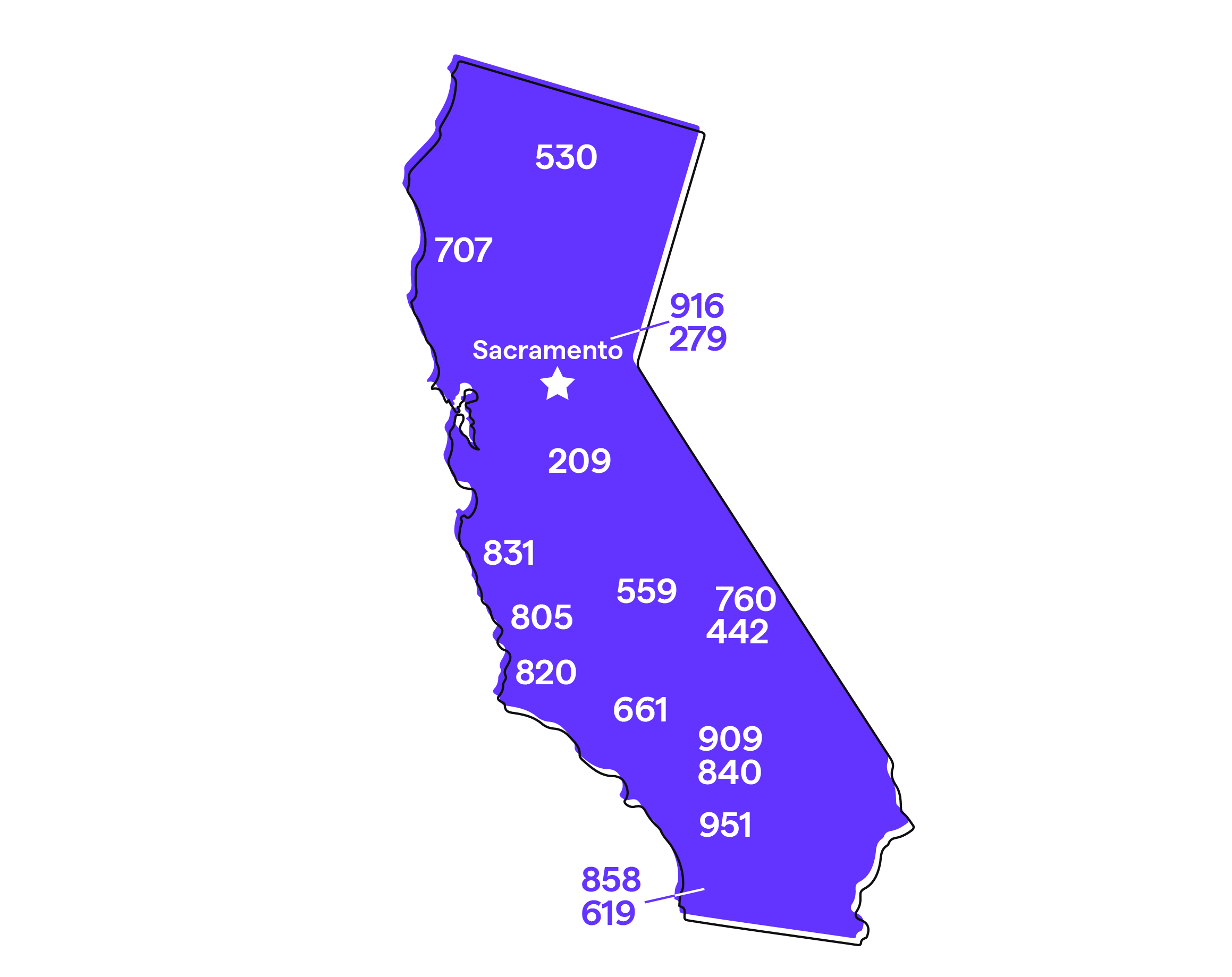
California is a vast state, stretching over nearly 800 miles from its northern border to its southern tip, encompassing everything from sun-drenched beaches and bustling metropolises to serene deserts and towering mountain ranges. Each region boasts its own unique attractions, lifestyle, and tourism offerings. Knowing the area codes associated with your chosen destination can provide an immediate geographical context, helping you visualize where you are, what local services are available, and even what kind of travel experience to anticipate. From the iconic landmarks of Los Angeles to the historic charm of San Francisco, and the natural wonders of Yosemite National Park, each segment of California tells a different story, and its area code is a small, yet significant, part of that narrative.
Navigating California’s Diverse Regions Through Area Codes
Understanding California’s area codes is akin to having a geographical cheat sheet for your travel adventures. Each code signifies a particular area, often reflecting its historical development, population density, and current economic or cultural focus. This regional breakdown not only helps you dial correctly but also informs your itinerary, accommodation choices, and overall tourism experience.
Southern California: Sun, Beaches, and Entertainment
Southern California is arguably the most famous part of the state, synonymous with glamour, endless sunshine, and iconic entertainment. This region alone is home to a significant number of area codes reflecting its dense population and sprawling urban centers.
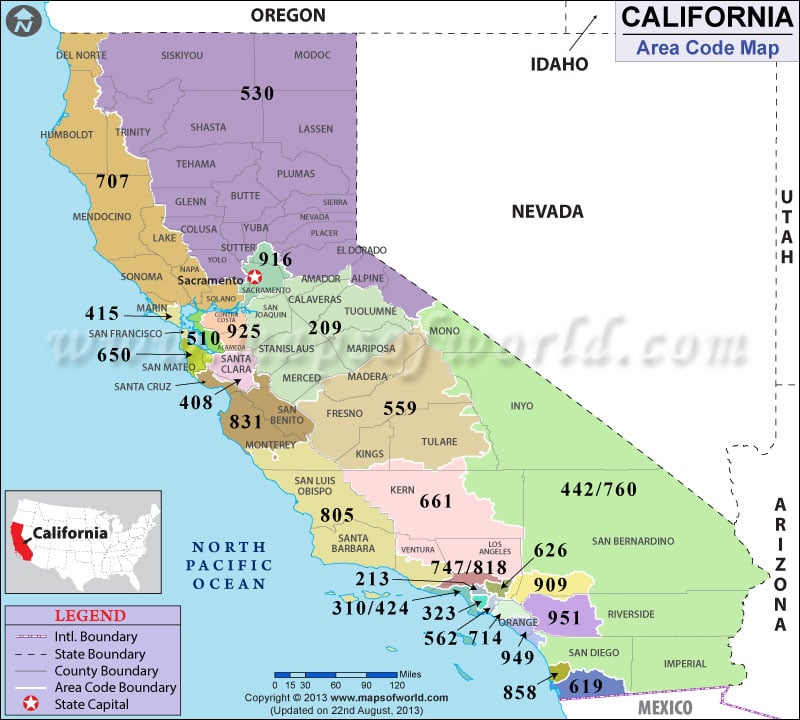
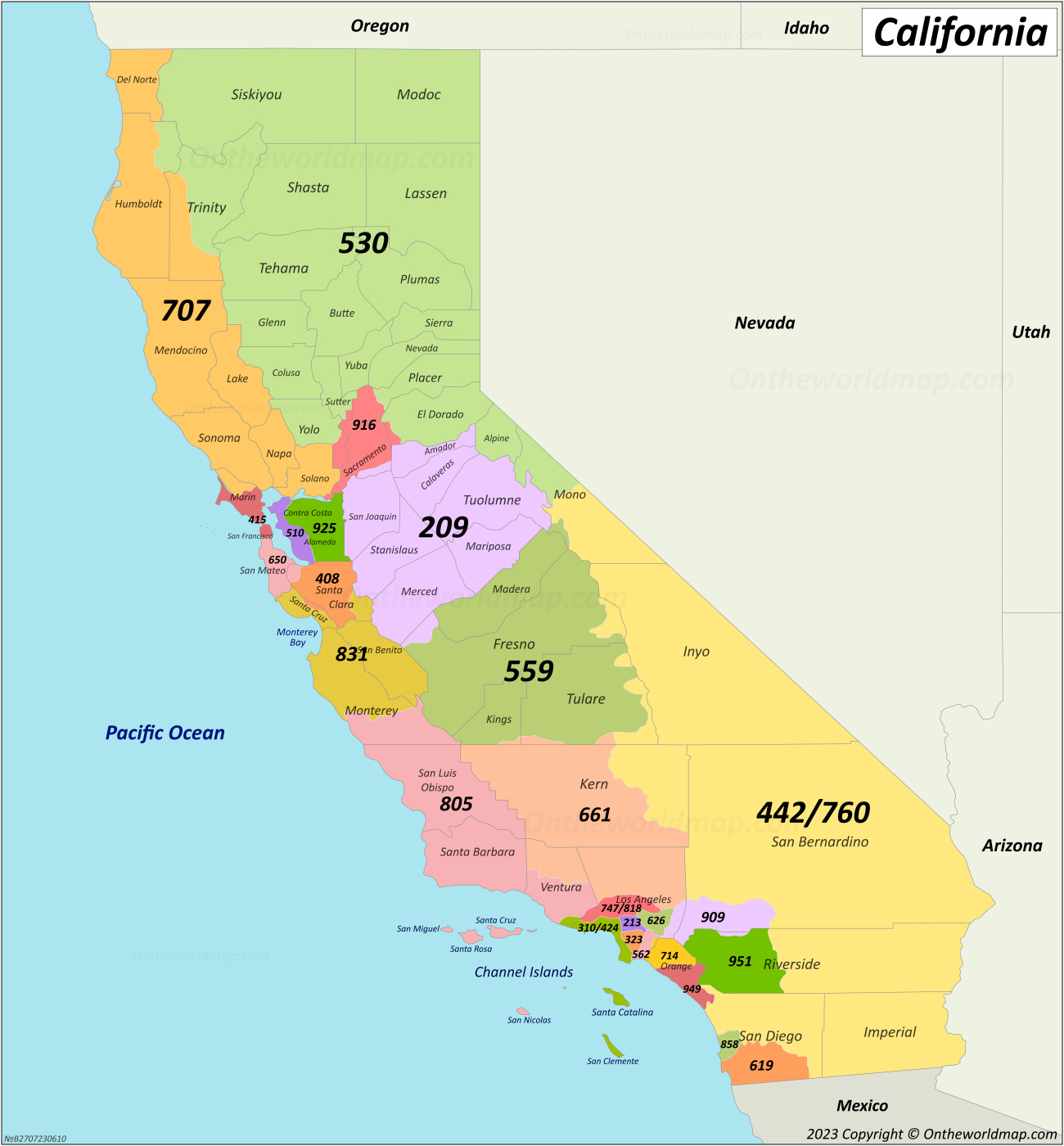
- Los Angeles County: The heart of Southern California pulses with several codes: 213 (downtown Los Angeles), 310 (Westside, Beverly Hills, Santa Monica), 323 (East Los Angeles and surrounding areas), 424 (overlay for 310), 747 (overlay for 818 in the San Fernando Valley), and 661 (northern Los Angeles County, including Bakersfield). For travelers, these codes pinpoint incredible destinations. The 310/424 codes will lead you to luxury hotels in Beverly Hills and resorts near Santa Monica Beach, offering a blend of high-end lifestyle and scenic Pacific Ocean views. The 213/323 areas encompass the vibrant culture of downtown, historical landmarks, and business-oriented accommodations. Popular attractions here include the Hollywood Walk of Fame, Universal Studios Hollywood, and world-class museums, all easily accessible from diverse hotel options catering to every budget and preference, from boutique stays to grand suites.
- Orange County: Just south of Los Angeles, Orange County is served by 714 and 949. This region is synonymous with family-friendly tourism, primarily due to the magical Disneyland Resort in Anaheim. The 714 code largely covers the inland cities, including the theme parks, while 949 stretches along the picturesque coastline, encompassing cities like Newport Beach and Laguna Beach. Here, you’ll find a mix of themed hotels near Disneyland, luxurious beachfront resorts, and charming apartment rentals perfect for extended family trips.
- San Diego Area: Moving further south to the border, San Diego uses 619 (city of San Diego and surrounding areas) and 858 (north San Diego County). San Diego offers a relaxed yet vibrant lifestyle, known for its beautiful beaches, the famous San Diego Zoo, and a rich military history. Accommodation ranges from historic hotels in the Gaslamp Quarter to modern resorts overlooking the bay, providing excellent bases for exploring local culture and food scenes.
- Palm Springs/Desert Regions: The arid beauty of the Palm Springs area and the Mojave Desert is primarily covered by 760. This region is a haven for those seeking a luxurious desert escape, golf resorts, and wellness retreats. The lifestyle here is about relaxation, outdoor activities like hiking in Joshua Tree National Park, and enjoying a slower pace.
Central Coast and Valleys: Wine, Nature, and Tranquility
The Central Coast and its adjacent valleys offer a stark contrast to the bustling south, providing a more serene, nature-focused, and gastronomically rich experience.
- Santa Barbara to San Luis Obispo: This stretch of breathtaking coastline and rolling hills is largely covered by 805. Cities like Santa Barbara, known as the “American Riviera,” and San Luis Obispo, a charming college town, offer a blend of Spanish colonial architecture, pristine beaches, and burgeoning wine regions like the Santa Ynez Valley. Visitors can indulge in luxury hotels with ocean views, quaint bed-and-breakfasts, and farm-stay accommodations. The area is also home to the iconic Hearst Castle, a testament to grand architecture and history, often a focal point for road trips.
- Central Valley: The vast agricultural heartland of California, including cities like Fresno (559) and Bakersfield (661), might not be primary tourist destinations in themselves, but they serve as crucial gateways to the majestic Sierra Nevada mountain range and national parks such as Yosemite National Park, Sequoia National Park, and Kings Canyon National Park. Accommodation here is often budget-friendly, serving as a convenient stopover for travelers heading to the mountains for hiking, skiing, and unparalleled natural beauty.
Northern California: Tech, Culture, and Redwoods
Northern California is a region of dramatic landscapes, technological innovation, and cultural depth, from the foggy charm of San Francisco to the ancient Redwood forests.
- San Francisco Bay Area: This iconic region is covered by several area codes: 415 (city and county of San Francisco), 628 (overlay for 415), 650 (Peninsula and part of Silicon Valley), 510 (East Bay cities like Oakland and Berkeley), 408 (South Bay and the heart of Silicon Valley, including San Jose), and 925 (Contra Costa and eastern Alameda County). San Francisco itself is a global tourism hotspot, with landmarks like the Golden Gate Bridge, Alcatraz Island, and Fisherman’s Wharf. Hotels range from historic luxury establishments and boutique hotels in Nob Hill to more budget-conscious options near public transport. The Silicon Valley area (650, 408) caters heavily to business travelers, offering modern hotels with extensive amenities for corporate stays, while the East Bay (510) provides a diverse cultural experience with vibrant food scenes and arts.
- Wine Country: North of the Bay Area, the world-renowned Napa Valley and Sonoma County are primarily covered by 707. This is the quintessential destination for wine tourism, offering luxury resorts, charming inns, and exquisite dining experiences set amidst picturesque vineyards.
- Sacramento and Gold Country: As the state capital, Sacramento and much of the historic Gold Country region use 916 and 279 (overlay). This area offers a dive into California’s rich history, with Old Sacramento as a major attraction. Accommodation includes hotels suitable for government and business travel, alongside charming bed-and-breakfasts in historic towns.
- Far North California: The more remote, rugged northern reaches, including the Redwood National and State Parks, often fall under the 530 and 707 area codes. This region is a paradise for nature lovers, offering camping, cabins, and eco-lodges for those seeking an immersive outdoor experience amidst giant ancient trees.
Practical Implications for Travelers: Beyond Just Dialing
For the modern traveler, understanding California’s area codes offers practical advantages that extend far beyond simply making phone calls. They serve as valuable geographic markers, aiding in everything from booking the right accommodation to understanding local nuances.
Booking Accommodation and Services
When researching hotels or other accommodation options, the area code associated with a phone number can immediately confirm the property’s general location. For instance, if you’re looking for a luxury resort in Malibu and see an area code of 310, you know you’re in the right geographical ball-park for a West Los Angeles coastal experience. Conversely, if you’re trying to book a budget hotel near Disneyland and the number begins with 714, you can be confident it’s within Orange County. This simple check can prevent misbookings and ensure you’re placing yourself in the desired part of a sprawling city or region.
Moreover, area codes can subtly hint at pricing differences and local services. Hotels in 310/424 Beverly Hills will generally be at a higher price point than those in 661 Lancaster or 909 San Bernardino. This insight is crucial for budget travel planning. Similarly, when seeking specific local services like tour guides, car rentals, or even specialized dining experiences, an area code can help you verify the legitimacy and localized nature of the business. It’s also useful when comparing accommodation reviews; context from the area code helps you understand if a reviewer’s experience aligns with the type of location you’re seeking.
Emergency Preparedness and Local Information
While emergency services (911) are universal, knowing the general area code of your immediate surroundings can be surprisingly helpful for non-emergency situations or when providing location details. If you’re lost, or need to contact local non-emergency police or medical services, knowing the region’s area code can assist operators in narrowing down your location. Furthermore, for general travel tips, such as finding the nearest pharmacy or a highly-rated local restaurant, residents will often refer to businesses within their own area code. It’s a subtle but effective way to tap into local knowledge and seamlessly integrate into the community, even if just for a short visit.
Understanding Tourist Demographics and Lifestyle
Each area code isn’t just a geographical marker; it often reflects the prevailing lifestyle and tourist demographic of that region. The 310/424 codes of West Los Angeles often signify luxury travel, high-end shopping, and celebrity sightings, drawing a sophisticated crowd. The 714/949 codes in Orange County point to family-focused tourism, with theme parks and resort-style accommodation. The 415/628 in San Francisco indicates a blend of tech culture, historical charm, and diverse culinary experiences, appealing to urban explorers and cultural enthusiasts.
By recognizing these associations, travelers can better tailor their expectations, plan activities that align with the local vibe, and even choose their travel companions and budget accordingly. A trip to the 707 wine country, for example, signals a relaxing, gourmet-focused lifestyle, perfect for couples or adult groups, while a destination in the 559 code near Yosemite National Park suggests an adventurous, nature-driven experience ideal for outdoor enthusiasts.
The Evolution of California’s Area Codes: A Brief History
California’s intricate web of area codes is a direct result of its explosive population growth and technological advancements over the last century. When the North American Numbering Plan was first implemented in 1947, California was divided into just three original area codes:
- 213: Covered all of Southern California, including Los Angeles and San Diego.
- 415: Encompassed the entire central coast and Northern California, including San Francisco and Oakland.
- 916: Served the vast northeastern part of the state, including Sacramento and the Sierra Nevada.
As the state’s population boomed, and the demand for telephone lines increased exponentially, these initial three codes quickly became insufficient. The first split occurred in 1950, when 213 was divided, giving birth to 714 for Orange County and surrounding areas. This was just the beginning of a continuous process of “splits” – where a single area code is divided into two or more new codes – and later, “overlays” – where a new area code is assigned to the same geographic region as an existing one, requiring ten-digit dialing even for local calls.
The proliferation of mobile phones and the internet further accelerated the need for more numbering resources. Today, California is home to dozens of distinct area codes, from the venerable 213 to much newer overlays like 628 in San Francisco or 279 in Sacramento. Each new code reflects a point in time when a particular region’s communication infrastructure reached its capacity, mirroring the state’s relentless expansion and evolving technological landscape. This ongoing evolution is a testament to California’s dynamic nature, a state that constantly redefines itself, both physically and telephonically.
In conclusion, while there isn’t a single area code for California, this rich tapestry of numbers offers a unique lens through which to view and plan your travels. Each code is a geographical hint, a historical marker, and a practical tool for navigating the Golden State’s diverse regions, from the urban sprawl of Los Angeles to the tranquil vineyards of Napa Valley and the majestic forests of the Redwood National and State Parks. By understanding these codes, you gain more than just dialing instructions; you acquire a deeper appreciation for California’s vastness, its regional identities, and the countless experiences awaiting every traveler within its borders. So, as you plan your next adventure, remember that each area code tells a story, guiding you closer to the heart of this iconic destination.
LifeOutOfTheBox is a participant in the Amazon Services LLC Associates Program, an affiliate advertising program designed to provide a means for sites to earn advertising fees by advertising and linking to Amazon.com. Amazon, the Amazon logo, AmazonSupply, and the AmazonSupply logo are trademarks of Amazon.com, Inc. or its affiliates. As an Amazon Associate we earn affiliate commissions from qualifying purchases.