
Las Vegas, Nevada, often conjures images of dazzling lights, thrilling casinos, world-class entertainment, and luxurious resorts. However, a significant, often underestimated, factor in planning any trip to this desert oasis is its temperature. Nestled within the Mojave Desert, Las Vegas experiences extreme climate variations throughout the year, from scorching summers to surprisingly cool winters. Understanding the local weather patterns is crucial for everything from packing your suitcase to choosing the right activities and even selecting the perfect accommodation. Whether you’re chasing the sun by the pool, exploring the vibrant city nightlife, or venturing into the stunning natural landscapes surrounding The Strip, knowing what temperatures to expect will ensure your visit is as comfortable and enjoyable as possible. This comprehensive guide delves into the climate of Las Vegas, helping you prepare for an unforgettable experience, no matter the season.
Understanding Las Vegas’s Climate: A Desert Oasis
The climate of Las Vegas is characterized by its arid desert environment, leading to significant temperature swings between seasons and often within a single day. The region receives very little rainfall, averaging just over four inches annually, with most precipitation occurring during brief monsoon events in late summer or occasional winter storms. Humidity levels are consistently low, which can make even high temperatures feel less oppressive than in more humid climates, but also contributes to rapid dehydration if precautions aren’t taken. Sunshine is abundant, with over 300 sunny days per year, making it a reliable destination for those seeking clear skies. However, the intensity of the sun, especially during the warmer months, demands respect and careful planning to avoid sunburn and heatstroke. The elevation of Las Vegas, approximately 2,030 feet (620 meters) above sea level, also plays a subtle role, contributing to cooler evenings even after very hot days. This unique combination of factors shapes the Las Vegas experience, influencing everything from the design of its iconic resorts to the rhythm of daily life and tourism.
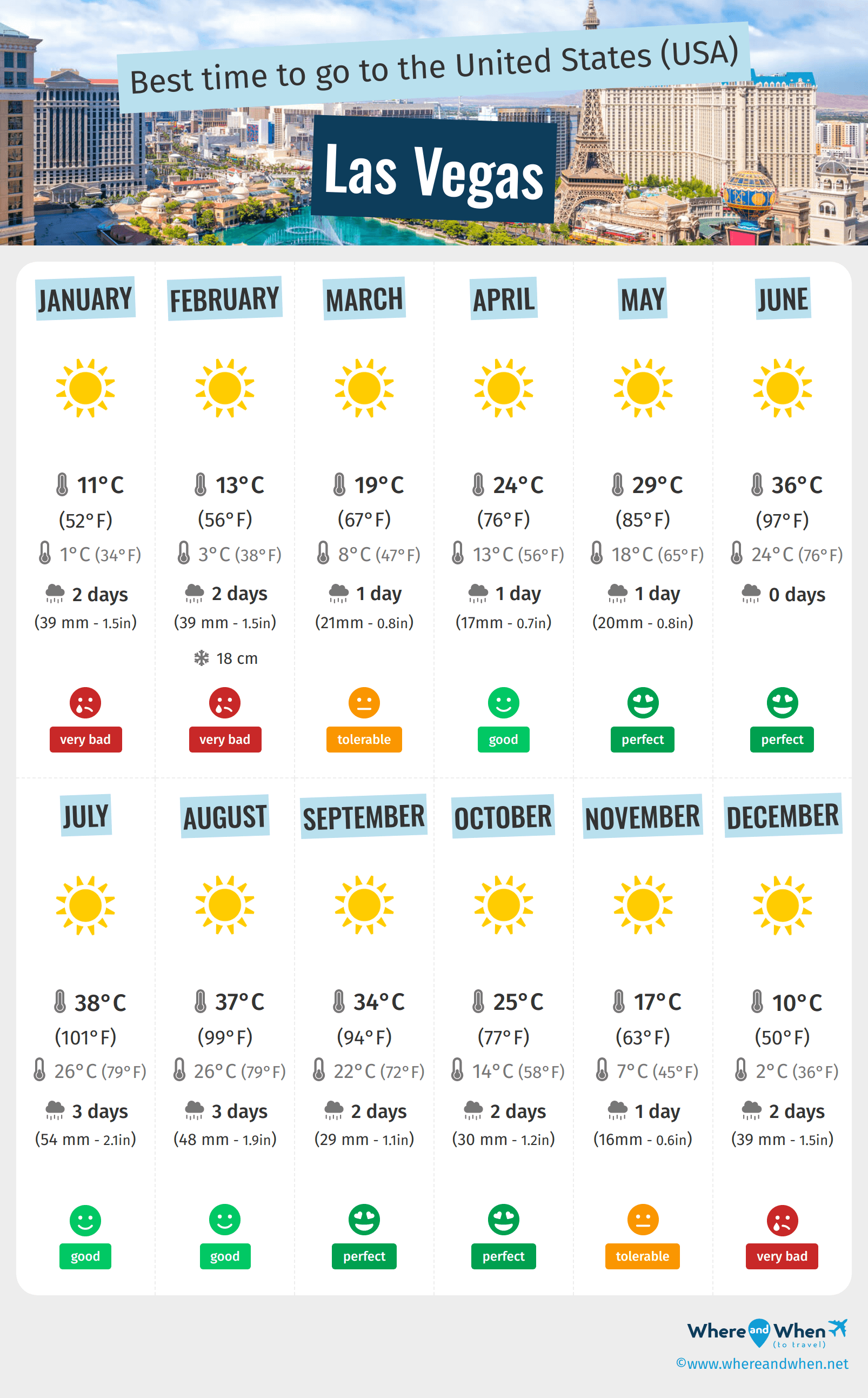
Seasonal Breakdown: What to Expect Month by Month
Summer (June, July, August): This is when Las Vegas truly earns its reputation as a “hot” destination. Average daily high temperatures often soar into the triple digits, frequently exceeding 100°F (38°C). July and August are typically the hottest months, with averages around 104°F (40°C) and sometimes pushing towards 115°F (46°C). Nighttime lows offer some relief, usually dropping into the mid-70s to low 80s°F (24-28°C). While the dry heat can be more tolerable than humid heat, the sun’s intensity requires constant vigilance. Pool parties are the quintessential summer activity, but direct sun exposure should be limited, especially during peak afternoon hours. Indoor attractions, air-conditioned casinos, and shows become popular refuges from the intense heat.
Autumn (September, October, November): Fall is arguably one of the most pleasant times to visit Las Vegas. September still sees warm temperatures, with highs typically in the low 90s°F (32-35°C), gradually cooling through October into the 70s°F (21-26°C). By November, daily highs settle into the 60s°F (15-20°C), with crisp, comfortable evenings in the 40s and 50s°F (4-15°C). The vibrant colors of the desert flora begin to appear, and the comfortable weather makes it ideal for outdoor excursions, golf, and exploring The Strip on foot. This shoulder season offers an excellent balance of enjoyable weather and slightly fewer crowds than peak spring.
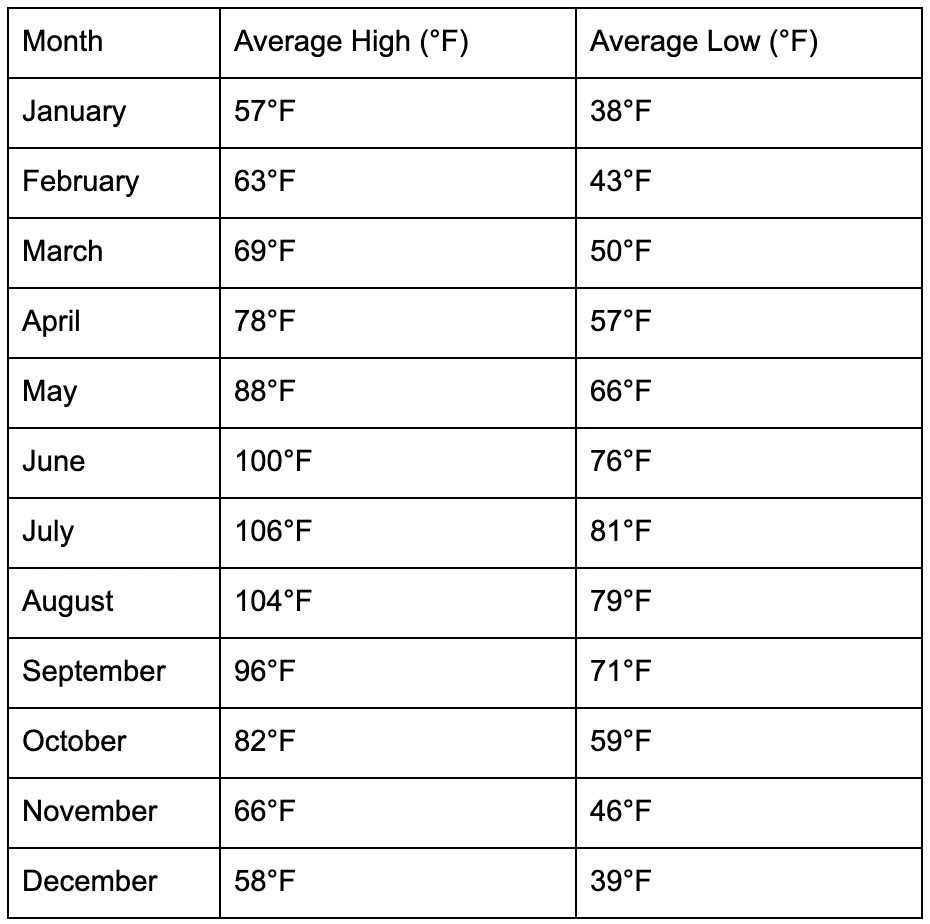
Winter (December, January, February): Winters in Las Vegas are surprisingly cool and often sunny, though far from frigid. Average daytime highs range from the mid-50s to low 60s°F (10-16°C), while nighttime temperatures frequently drop into the 30s°F (0-4°C). Frost is not uncommon, and it occasionally dips below freezing. While snow is rare on The Strip, the surrounding mountains, like Mount Charleston, receive significant snowfall, offering opportunities for skiing and snowboarding just an hour’s drive away. This season is perfect for indoor activities, shows, fine dining, and exploring attractions without the intense heat. Layered clothing is essential.
Spring (March, April, May): Spring is another prime season for visiting Las Vegas, characterized by delightful, mild weather. March sees highs in the 70s°F (21-26°C), which climb into the 80s°F (27-31°C) in April and often reach the low to mid-90s°F (32-35°C) by May. Nights are pleasantly cool, typically in the 50s and 60s°F (10-20°C). The desert landscape awakens with wildflowers, making it an excellent time for outdoor adventures. Pool season kicks into high gear, but the heat is generally more manageable than in the summer. Spring break and major conventions can lead to higher hotel prices and larger crowds, so booking in advance is advisable.
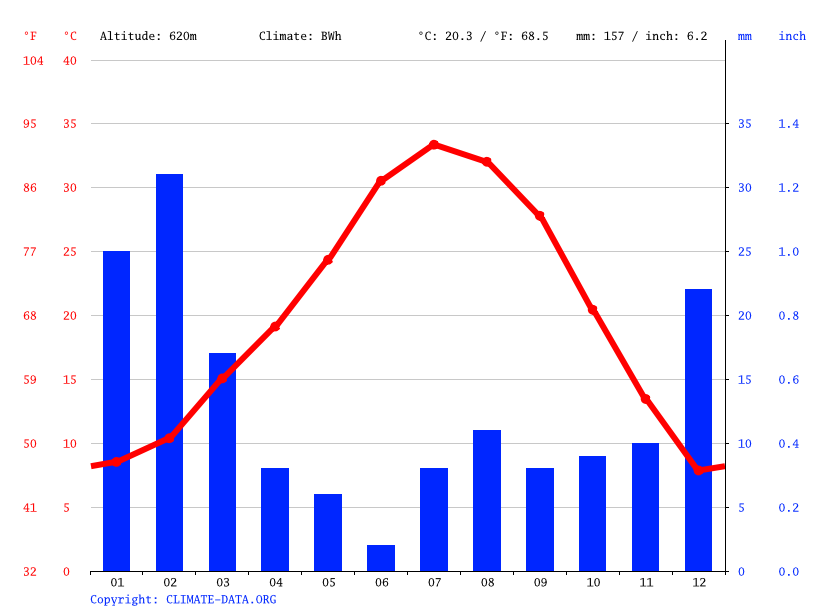
Daily Fluctuations and Microclimates
Due to its desert location, Las Vegas experiences significant daily temperature swings, especially during cooler months. It’s not uncommon for a winter day to start in the 30s°F (around 0°C) and warm up to the low 60s°F (around 16°C) by afternoon, then rapidly cool again after sunset. This phenomenon highlights the importance of layering your clothing. Furthermore, while the general climate applies to the metropolitan area, microclimates can exist. Downtown Las Vegas and the Fremont Street Experience can sometimes feel slightly warmer due to the urban heat island effect, with concrete and buildings absorbing and radiating heat. Conversely, higher elevation areas on the outskirts or natural parks like Red Rock Canyon National Conservation Area may experience slightly cooler temperatures, particularly at night. When planning outdoor excursions, always check the specific forecast for your destination, as conditions can vary.
Navigating the Heat: Travel and Activity Planning
The temperature in Las Vegas profoundly influences the kind of trip you’ll experience and the activities available. Smart planning means aligning your travel dates with your preferred activities and comfort level, or strategically adapting your itinerary to the prevailing weather. Many first-time visitors are surprised by the intensity of the summer sun, while others underestimate the crispness of winter evenings. Understanding these nuances can transform a challenging trip into a perfectly tailored adventure. From knowing when to hit the pool to planning excursions to distant landmarks like the Grand Canyon, temperature is a critical consideration for any Las Vegas itinerary.
Summer Strategies: Embracing the Sun (or Avoiding It)
For those visiting during the scorching summer months, embracing the sun often means strategic planning around water. Las Vegas resorts are famous for their elaborate pool complexes, offering refreshing escapes from the heat. Pool parties are a quintessential summer experience, with resorts like Mandalay Bay‘s sandy beach or the vibrant scene at Encore Beach Club at Wynn Las Vegas providing ample opportunities for sunbathing and swimming. It’s vital to stay hydrated by drinking plenty of water, not just alcoholic beverages, and to seek shade during the hottest parts of the day (typically 1 PM to 4 PM). Sunscreen is non-negotiable, and wide-brimmed hats and sunglasses offer additional protection.
When the temperatures soar, indoor activities become paramount. The city offers an endless array of air-conditioned entertainment, from world-class shows by Cirque du Soleil, magic acts, and musical residencies at venues like the Colosseum at Caesars Palace or the Bellagio Theater, to sprawling casinos at every major resort. Shopping at high-end boutiques at The Venetian or the Forum Shops at Caesars Palace is another popular way to escape the heat. Exploring museums, visiting the Shark Reef Aquarium at Mandalay Bay, or enjoying a spa day are excellent alternatives. Dining experiences range from casual eateries to Michelin-starred restaurants, all within temperature-controlled environments. Even outdoor attractions like the Bellagio Fountains or the High Roller Observation Wheel are best experienced in the early morning or late evening during summer, when the temperatures are slightly more bearable.
Cooler Seasons: Optimal for Exploration
The mild temperatures of spring, autumn, and even winter transform Las Vegas into a paradise for outdoor enthusiasts. These seasons are perfect for exploring the breathtaking natural beauty surrounding the city. A scenic drive through Red Rock Canyon National Conservation Area offers stunning geological formations and hiking trails for all skill levels. Further afield, a day trip to the Hoover Dam or the vibrant landscapes of Valley of Fire State Park becomes incredibly enjoyable without the oppressive summer heat. Even the majestic Grand Canyon, while a longer excursion, is more comfortable to visit during these milder months, though temperatures there can be significantly different and often colder, especially in winter.
Within the city, walking The Strip becomes a pleasure rather than a endurance test. You can leisurely stroll between resorts, taking in the sights, sounds, and architectural marvels. Golfers flock to the numerous championship courses around Las Vegas, enjoying perfect playing conditions. During winter, for those seeking a unique experience, a short drive to Mount Charleston offers opportunities for hiking, snowshoeing, and even skiing, a stark contrast to the desert floor below. These cooler months also often align with major conventions and events, which can sometimes impact hotel availability and pricing, so advance booking remains crucial.
Accommodation and Comfort: Beating the Heat (or Chill)
The design and amenities of Las Vegas accommodations are meticulously crafted to ensure guest comfort regardless of the external temperatures. From the moment you step into the grand lobbies of resorts like Bellagio or Aria Resort & Casino, you’ll notice the powerful air conditioning creating an immediate refuge. Hotels in Las Vegas aren’t just places to sleep; they are self-contained ecosystems designed to cater to every whim, and climate control is at the top of that list. Understanding how these accommodations respond to different seasons can help you make the best booking choices for your stay.
Hotel Amenities Designed for Every Season
During the sweltering summer, the hotel pool is undoubtedly the star attraction. Resorts like MGM Grand’s Grand Pool Complex or the vibrant scene at The Cosmopolitan of Las Vegas’s Boulevard Pool become central hubs. These pools are not merely places to swim but elaborate water parks with cabanas, daybeds, and poolside service, providing relief from the desert sun. Indoor entertainment, from casinos to theaters, is always temperature-controlled, ensuring comfort for guests escaping the heat or the occasional winter chill. High-quality air conditioning systems are standard in every room, along with blackout curtains to help keep rooms cool and dark, promoting restful sleep after a day or night of Las Vegas excitement.
In the cooler months, while pools might still be open (some are heated year-round), the focus shifts to cozy indoor environments. Many resorts feature inviting lounges, upscale restaurants, and vibrant nightlife that thrive regardless of the outdoor temperature. Spas, like the ones found at The Venetian or Wynn Las Vegas, offer a warm retreat, providing relaxation and rejuvenation away from the occasional brisk air. The seamless integration of indoor and outdoor spaces, with enclosed walkways connecting various parts of mega-resorts, ensures that guests can navigate comfortably without prolonged exposure to extreme weather. Furthermore, many hotel rooms feature advanced climate control systems allowing guests to set their preferred temperature, ensuring personalized comfort around the clock.
Booking Smart: When and Where to Stay
Choosing your travel dates based on the desired temperature and associated activities is the first step to smart booking. If pool parties and tanning are your priority, then summer is your season, but be prepared for higher prices and bigger crowds. If you prefer exploring natural landmarks and walking The Strip, then spring and fall offer the most comfortable weather. Winter provides excellent value, with generally lower hotel rates and fewer crowds, making it ideal for those focused on indoor entertainment, dining, and shows, provided you don’t mind cooler outdoor temperatures.
When it comes to location, staying on The Strip offers unparalleled access to major attractions and resorts like Luxor or Planet Hollywood Resort & Casino, making it easy to duck indoors for relief from the heat or cold. Downtown Las Vegas offers a different vibe, often with more budget-friendly options, and its covered Fremont Street Experience canopy provides shelter from the elements. Regardless of your chosen district, ensure your accommodation offers robust air conditioning for summer visits and reliable heating for winter. Reading recent reviews regarding room comfort and climate control is always a good practice. Booking in advance, especially during peak seasons or major convention dates, is essential to secure your preferred accommodation and potentially better rates. Consider the walkability between resorts if you plan to explore on foot, as even a short distance can feel long in extreme temperatures.
Beyond the Thermometer: Lifestyle and Local Experience
While the raw numbers on the thermometer are important, understanding the local lifestyle and how residents and experienced visitors navigate the Las Vegas climate is key to a truly immersive and comfortable experience. The city has developed a unique rhythm dictated by its desert environment, impacting everything from daily routines to fashion choices and even health considerations. Embracing these local insights will enhance your trip, allowing you to move beyond being just a tourist and genuinely enjoy the destination. From savvy packing to essential safety tips, preparing for Las Vegas’s temperatures extends beyond just booking a hotel room.
Packing Essentials for Las Vegas Weather
Packing smart for Las Vegas means preparing for diverse conditions, sometimes within the same day.
- Summer: Lightweight, breathable fabrics (cotton, linen) are crucial. Think shorts, sundresses, and light tops. Don’t forget swimwear, flip-flops, a wide-brimmed hat, sunglasses, and high-SPF sunscreen. Evenings, while warm, might warrant a very light cover-up for air-conditioned indoor spaces. Hydration is critical, so consider carrying a reusable water bottle.
- Spring/Fall: Layers are your best friend. Pack t-shirts, light long-sleeved shirts, jeans or comfortable trousers, and a medium-weight jacket or cardigan for cooler mornings and evenings. You’ll still need swimwear for the pools, and comfortable walking shoes are a must for exploring.
- Winter: Bring warmer clothes, including sweaters, long-sleeved shirts, heavy jeans or trousers, and a substantial jacket or coat. You might even want a scarf and gloves for chilly evenings. Closed-toe shoes are advisable. While some brave souls use the heated pools, expect to spend most of your time indoors or bundled up for outdoor strolls. Even in winter, sunglasses are useful due to the abundant sunshine.
Regardless of the season, comfortable walking shoes are essential for navigating The Strip and other attractions. Many restaurants and shows have dress codes, so bring at least one dressy outfit.
Health and Safety in Extreme Temperatures
The extreme temperatures in Las Vegas necessitate certain health and safety precautions.
- Hydration: This is paramount, especially in summer. The low humidity can make you unaware of how much you’re sweating. Drink water constantly, even if you don’t feel thirsty. Avoid excessive alcohol consumption, which can contribute to dehydration.
- Sun Protection: Sunscreen, hats, and sunglasses are vital year-round. Seek shade whenever possible, particularly during the peak sun hours.
- Heatstroke/Heat Exhaustion: Be aware of the symptoms: dizziness, nausea, headache, excessive sweating (heat exhaustion), or hot, dry skin (heatstroke). If you or someone else experiences these, seek immediate medical attention.
- Footwear: Avoid walking barefoot on hot pavements, especially in summer, as temperatures can reach dangerous levels.
- Layering: For cooler months, dress in layers to easily adjust to indoor warmth and outdoor chill.
- Car Safety: Never leave children, pets, or even electronics in a parked car during summer, as interior temperatures can reach lethal levels in minutes, even on moderately warm days.
- Wildlife: When venturing into the desert, be aware of local wildlife, including snakes and scorpions, which are more active in warmer temperatures. Stick to marked trails.
- Air Quality: While generally good, occasional dust storms (haboobs) can occur, especially during summer monsoons, and may affect those with respiratory issues.
By being mindful of these considerations, you can ensure your Las Vegas experience is not only fun but also safe and healthy.
Making the Most of Your Las Vegas Trip, Whatever the Weather
Las Vegas is a city designed to entertain, challenge perceptions, and create unforgettable memories, regardless of the season or temperature. From the vibrant energy of its summer pool parties to the sophisticated charm of its winter indoor shows, the city offers a dynamic experience tailored to its climate. By understanding the local weather patterns, making informed choices about when to visit, where to stay, and what activities to pursue, you can unlock the full potential of this unique destination. Whether you’re planning a budget-friendly escape or a luxurious indulgence, a family adventure or a business trip, knowing “What is the temperature in Las Vegas?” is the first step towards curating your perfect desert getaway. Embrace the extremes, plan thoughtfully, and prepare for an extraordinary adventure in the Entertainment Capital of the World.
LifeOutOfTheBox is a participant in the Amazon Services LLC Associates Program, an affiliate advertising program designed to provide a means for sites to earn advertising fees by advertising and linking to Amazon.com. Amazon, the Amazon logo, AmazonSupply, and the AmazonSupply logo are trademarks of Amazon.com, Inc. or its affiliates. As an Amazon Associate we earn affiliate commissions from qualifying purchases.