
The majestic land of Alaska, renowned for its sprawling wilderness, towering mountains, and unique wildlife, holds a significant place in the history and geography of the United States. Often perceived as a distant frontier, its journey to becoming the 49th state is a fascinating tale of geopolitics, exploration, and economic foresight. For travelers and history enthusiasts alike, understanding when and how Alaska joined the union not only enriches the appreciation of its past but also sheds light on its vibrant culture and unparalleled natural beauty that draws millions of visitors today. From the strategic depths of the Bering Strait to the gold-rich riverbeds, Alaska’s story is as grand and dramatic as its landscapes.
A Cold Bargain: The Alaska Purchase
The story of Alaska’s acquisition begins long before its integration into the United States, rooted in centuries of exploration and colonial ambition. For much of its early recorded history, Alaska was not American but rather a distant outpost of the Russian Empire. The eventual transaction that brought this vast territory under American control was a pivotal moment, often referred to as the Alaska Purchase.
Russian America: A Fading Empire’s Outpost
Russian presence in Alaska dates back to the 18th century, with the first European sighting attributed to Vitus Bering in 1741. Russian fur traders, primarily seeking valuable sea otter pelts, gradually established settlements along the coast. The primary hub of Russian activity was Sitka, which served as the capital of Russian America. The Russian Empire maintained control over this remote territory for over a century, engaging in trade, limited resource extraction, and often challenging interactions with the indigenous Alaska Native populations.
However, by the mid-19th century, the luster of Russian America began to fade. The vast distance from St. Petersburg made administration and defense incredibly difficult and expensive. The fur trade, once lucrative, had declined due to overhunting. Furthermore, the Crimean War had significantly drained Russian coffers, and the vulnerability of Russian America to potential seizure by rival powers, particularly Great Britain (which controlled neighboring Canada), was a growing concern. The Russian Empire also had a small presence in California (like Fort Ross), but its focus was shifting elsewhere. Tsar Alexander II, facing these mounting pressures, decided that selling the territory would be a strategic move, allowing Russia to consolidate its resources and avoid a potential military conflict over a distant, unprofitable possession.
Secretary Seward’s Vision: Securing a Northern Frontier
Across the Pacific, the United States was emerging from its own period of strife, the Civil War, and was looking to expand its continental reach. The individual most instrumental in orchestrating the purchase was William H. Seward, then the Secretary of State under President Andrew Johnson. Seward was a fervent expansionist who believed in the concept of “manifest destiny” extending to the northern reaches of the continent. He saw immense strategic and economic potential in Alaska, even though many of his contemporaries did not.
Negotiations between Seward and the Russian Minister to the United States, Eduard Stoeckl, began in earnest in March 1867. Despite the late hour of the night, a deal was struck quickly. The purchase price was set at an astonishingly low $7.2 million, which, at approximately two cents an acre for a territory twice the size of Texas, was indeed a bargain.
The Treaty of Cession was signed on March 30, 1867. This date officially marked the transfer of sovereignty from Russia to the United States. However, the journey was not complete. The treaty still needed to be ratified by the United States Senate. Despite initial skepticism and public ridicule, where the purchase was derisively called “Seward’s Folly,” “Seward’s Icebox,” and “Walrussia,” Seward and his allies tirelessly advocated for the acquisition, highlighting its strategic value, potential resources (which were largely unknown at the time), and the importance of expanding American influence.
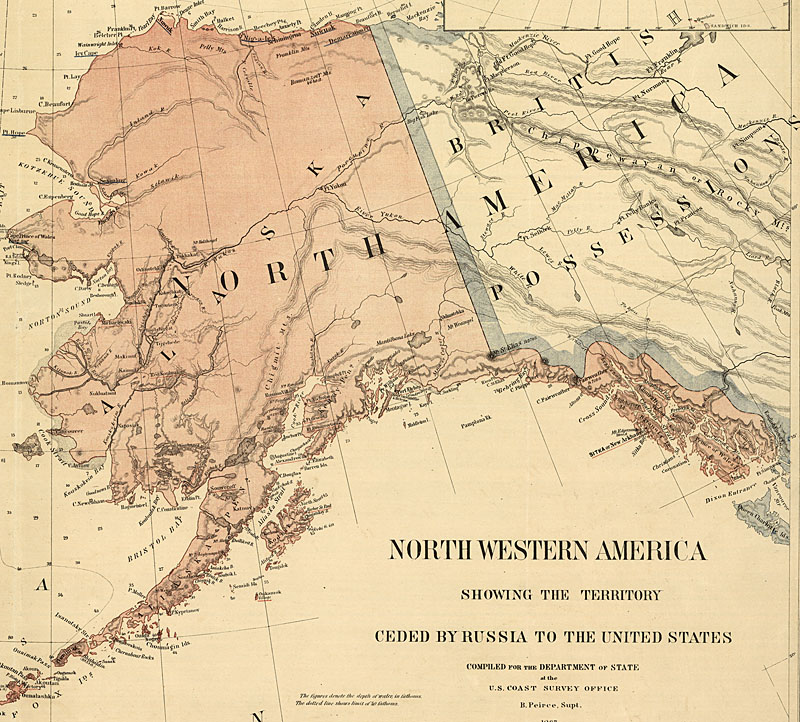
The Senate approved the treaty on April 9, 1867, by a vote of 37 to 2, and President Andrew Johnson signed it shortly thereafter. The formal transfer ceremony took place on October 18, 1867, in Sitka. On that day, the Russian flag was lowered, and the American flag was raised, symbolizing the official handover of the territory. This moment solidified Alaska’s status as a possession of the United States. While the initial public reaction was largely negative, time would prove Seward’s vision to be remarkably prescient.
From Territory to State: Alaska’s Path to Integration
Despite the acquisition in 1867, Alaska’s journey to full integration into the United States was a protracted one. For decades, it remained a largely unorganized district, administered first by the military, then by the Treasury Department, and eventually by a series of governors. Its vastness and remoteness posed significant challenges to governance and development.
The Gold Rush and Early Development
The true awakening to Alaska’s immense value came with the discovery of gold. While smaller gold finds had occurred earlier, the most significant event was the Klondike Gold Rush, which began in 1896 in the nearby Yukon Territory of Canada, but critically used Alaska as the primary gateway. Prospectors flocked through Alaskan towns like Skagway and Nome, bringing a sudden influx of population and economic activity. This Gold Rush highlighted Alaska’s incredible resource potential and spurred the development of infrastructure, including transportation routes and communication networks.
The rapid growth prompted calls for more organized government. In 1912, Alaska was officially designated an organized territory of the United States, granting it a territorial legislature and a greater degree of self-governance. This was a crucial step on its path toward statehood.

Statehood and Modern Alaska
The strategic importance of Alaska became undeniably clear during World War II. The Japanese invasion of the Aleutian Islands in 1942, part of the Aleutian Islands Campaign, brought the war directly to American soil. This threat underscored Alaska’s vital role in national defense and spurred massive military investment in the territory. The construction of the Alaska Highway, linking Alaska to the contiguous United States through Canada, was a monumental undertaking that further integrated the territory and facilitated its development.
Following the war, the push for statehood gained significant momentum. Alaskans felt that as a territory, they lacked adequate representation in Washington D.C. and were hampered by federal control over their vast natural resources. After years of advocacy, congressional debate, and a strong public mandate from its residents, President Dwight D. Eisenhower signed the Alaska Statehood Act on July 7, 1958.
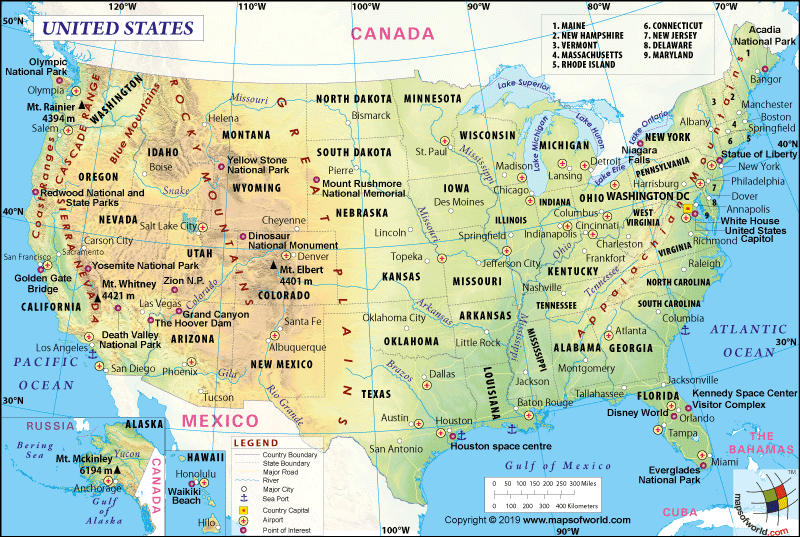
Finally, on January 3, 1959, Alaska officially became the 49th state of the United States. This momentous occasion completed its nearly century-long transition from a distant Russian outpost to a full and equal member of the American union, solidifying its place as the largest and one of the most geographically diverse states.
Experiencing Alaska Today: A Traveler’s Paradise
Understanding Alaska’s history of acquisition and statehood enhances the appreciation for this truly unique travel destination. Today, Alaska is not merely a historical footnote but a thriving hub for adventure, cultural immersion, and breathtaking natural beauty, perfectly aligning with the interests of modern travelers. Whether you’re seeking luxury travel experiences or a budget-friendly family trip, Alaska offers something for every lifestyle.
Iconic Destinations and Natural Wonders
Alaska’s allure lies in its unparalleled natural landscapes and iconic landmarks. The sheer scale and wildness of the state are its primary attractions:
- Denali National Park and Preserve: Home to Mount Denali, North America’s highest peak, this park is a prime destination for wildlife viewing, hiking, and experiencing the vast tundra and taiga ecosystems. Visitors often spot grizzly bears, moose, caribou, and Dall sheep.
- Kenai Fjords National Park: Located near the charming town of Seward, this park offers stunning glacial landscapes, tidewater glaciers calving into the ocean, and incredible marine wildlife, including whales, seals, and puffins. Boat tours are a popular way to explore its rugged coastline.
- Inside Passage: This sheltered waterway through a maze of islands and fjords is a premier cruise destination. Travelers can explore charming port towns like Juneau (the state capital, famous for Mendenhall Glacier), Skagway (with its Gold Rush history), and Ketchikan (known for its totem poles), all while witnessing spectacular scenery and wildlife.
- Fairbanks: Situated closer to the Arctic Circle, Fairbanks is one of the best places on Earth to witness the mesmerizing Northern Lights (Aurora Borealis) during the darker months. It also serves as a gateway to interior Alaska and Arctic adventures.
- Anchorage: As Alaska’s largest city, Anchorage is a major travel hub, offering urban amenities alongside easy access to wilderness. It provides excellent dining, cultural attractions, and is a launching point for adventures into the Chugach Mountains and the Kenai Peninsula.
- Glacier Bay National Park and Preserve: A UNESCO World Heritage Site, this park is a pristine wilderness of tidewater glaciers, snow-capped mountains, and abundant wildlife. It is primarily accessed by cruise ship or small plane, offering an unparalleled nature experience.
Unforgettable Alaskan Experiences and Accommodation
Alaska is not just about looking at scenery; it’s about immersing oneself in the adventure and culture. Travelers can partake in a myriad of activities that cater to diverse interests:
- Wildlife Viewing: Whether it’s bear viewing tours in Katmai National Park or whale watching excursions, Alaska is a paradise for animal lovers.
- Outdoor Adventures: Hiking, fishing (especially salmon and halibut), kayaking, rafting, dog sledding, flightseeing, and even heli-skiing are popular ways to explore the rugged terrain. Small towns like Talkeetna and Homer offer unique local experiences and guides.
- Cultural Immersion: Discover the rich heritage of Alaska Native peoples through cultural centers, art galleries, and traditional performances. Learn about the Gold Rush era in preserved towns and museums.
- Culinary Delights: Indulge in fresh Alaskan seafood, particularly wild-caught salmon, halibut, and crab, often found in local restaurants.
- Accommodation: From rustic wilderness lodges deep in the backcountry to luxurious boutique hotels and family-friendly resorts in cities like Anchorage and Girdwood (home to the Alyeska Resort), Alaska offers diverse accommodation options. Upscale options like the Hotel Captain Cook in Anchorage or the Grande Denali Lodge near Denali provide comfort amidst the wild. Many destinations also feature cozy bed & breakfasts, vacation rentals, and even glamping sites, catering to different preferences and budget travels. For those planning longer stays, furnished apartments and cabins provide a home-away-from-home feel.
In conclusion, Alaska’s path to becoming part of the United States was a gradual but significant process, beginning with its purchase from Russia on March 30, 1867, and formally transferring on October 18, 1867, before finally achieving statehood on January 3, 1959. This rich history has shaped the magnificent state we know today. It stands as a testament to foresight, resilience, and the enduring power of nature, inviting travelers from around the globe to explore its boundless wonders and create unforgettable memories.
LifeOutOfTheBox is a participant in the Amazon Services LLC Associates Program, an affiliate advertising program designed to provide a means for sites to earn advertising fees by advertising and linking to Amazon.com. Amazon, the Amazon logo, AmazonSupply, and the AmazonSupply logo are trademarks of Amazon.com, Inc. or its affiliates. As an Amazon Associate we earn affiliate commissions from qualifying purchases.