
As the sun-drenched heart of Florida, Orlando beckons millions of visitors each year with its world-renowned theme parks, vibrant entertainment scene, and a plethora of attractions catering to every kind of traveler. Whether you’re planning a family vacation to meet Mickey Mouse at Walt Disney World, seeking thrills at Universal Orlando Resort, or exploring the natural wonders of the surrounding Central Florida landscape, understanding the local climate is paramount to a successful and enjoyable trip. The question, “What is the temperature in Orlando?” is more than just a casual inquiry; it’s a crucial piece of information that influences everything from your packing list to your daily itinerary.

Orlando experiences a humid subtropical climate, characterized by hot, humid summers and mild winters. This means that throughout the year, you can generally expect pleasant temperatures, but the intensity of the heat and humidity, along with the possibility of rain, varies significantly with the seasons. Knowing these patterns allows for informed decisions about when to visit, what activities to prioritize, and how to best prepare for the conditions. For those seeking a specific experience, like a festive Christmas celebration or a sun-soaked spring break, timing is everything, and that timing is directly linked to the prevailing weather.
Beyond the immediate comfort of temperature, the climate of Orlando impacts the availability and enjoyment of various activities. For instance, outdoor adventures like visiting Gatorland or exploring the Wekiwa Springs State Park are best enjoyed during the cooler, drier months. Conversely, indoor attractions, such as the many museums and shopping malls, offer a welcome respite from the summer heat. For accommodation providers, from luxurious resorts like the Four Seasons Resort Orlando at Walt Disney World Resort to charming vacation rentals, understanding the seasonal demand driven by the weather is key to their operations and pricing strategies. This article aims to provide a comprehensive overview of Orlando‘s climate, helping you navigate its weather patterns and make the most of your visit.
Understanding Orlando’s Climate: A Seasonal Breakdown
To truly answer “What is the temperature in Orlando?”, we need to delve into the distinct seasons that shape its climate. Each period of the year offers a unique set of weather conditions, influencing the overall travel experience and the types of activities that are most appealing. From the sweltering heat of summer to the crisp, pleasant days of winter, Orlando‘s weather is a dynamic force to be reckoned with.
Summer: The Peak of Heat and Humidity
The summer months in Orlando, typically from June through August, are defined by their intense heat and high humidity. Average daily temperatures often hover in the mid-to-high 80s Fahrenheit (around 30-32 degrees Celsius), but the heat index, which accounts for humidity, can make it feel considerably hotter, frequently reaching the low 100s Fahrenheit (around 38 degrees Celsius). Afternoon thunderstorms are a daily occurrence during this season. These are often brief but can be severe, bringing heavy rain, lightning, and gusty winds. While these storms can offer a temporary cooling effect, they can also disrupt outdoor plans.
The humidity is a constant companion, making even the early mornings feel warm and sticky. This is why hydration is absolutely critical for anyone visiting Orlando during the summer. Visitors should be prepared for this by packing light, breathable clothing, plenty of sunscreen, hats, and a constant supply of water. The peak hours of the day, usually between 11 AM and 4 PM, are best spent indoors at air-conditioned attractions or by the pool at your chosen accommodation, such as the Hyatt Regency Orlando, to avoid heat exhaustion. The evenings usually offer a slight reprieve, with temperatures dropping into the comfortable 70s Fahrenheit (around 20-24 degrees Celsius), making them ideal for enjoying the parks after dark or dining al fresco.
Fall: A Gentle Transition to Cooler Days
As summer draws to a close, Orlando transitions into a more pleasant autumn, generally from September through November. While September can still feel quite warm and humid, reminiscent of late summer, the temperatures gradually begin to moderate. Average highs in October and November typically range from the mid-70s to low 80s Fahrenheit (around 24-28 degrees Celsius), with lows dipping into the 50s and 60s Fahrenheit (around 10-20 degrees Celsius). The humidity also starts to decrease, making outdoor activities much more comfortable.
This season is often considered one of the best times to visit Orlando. The threat of daily afternoon thunderstorms diminishes, and the sunshine is often bright and consistent. The fall foliage, while not as dramatic as in some other parts of the country, can add a subtle beauty to the landscape. This is also a popular time for special events, including Halloween celebrations at the theme parks, such as Mickey’s Not-So-Scary Halloween Party at Walt Disney World, and various cultural festivals. For those staying in apartments or villas, this period offers ideal weather for exploring local farmers’ markets and enjoying outdoor dining experiences.
Winter: Mild and Pleasant with Occasional Cool Spells
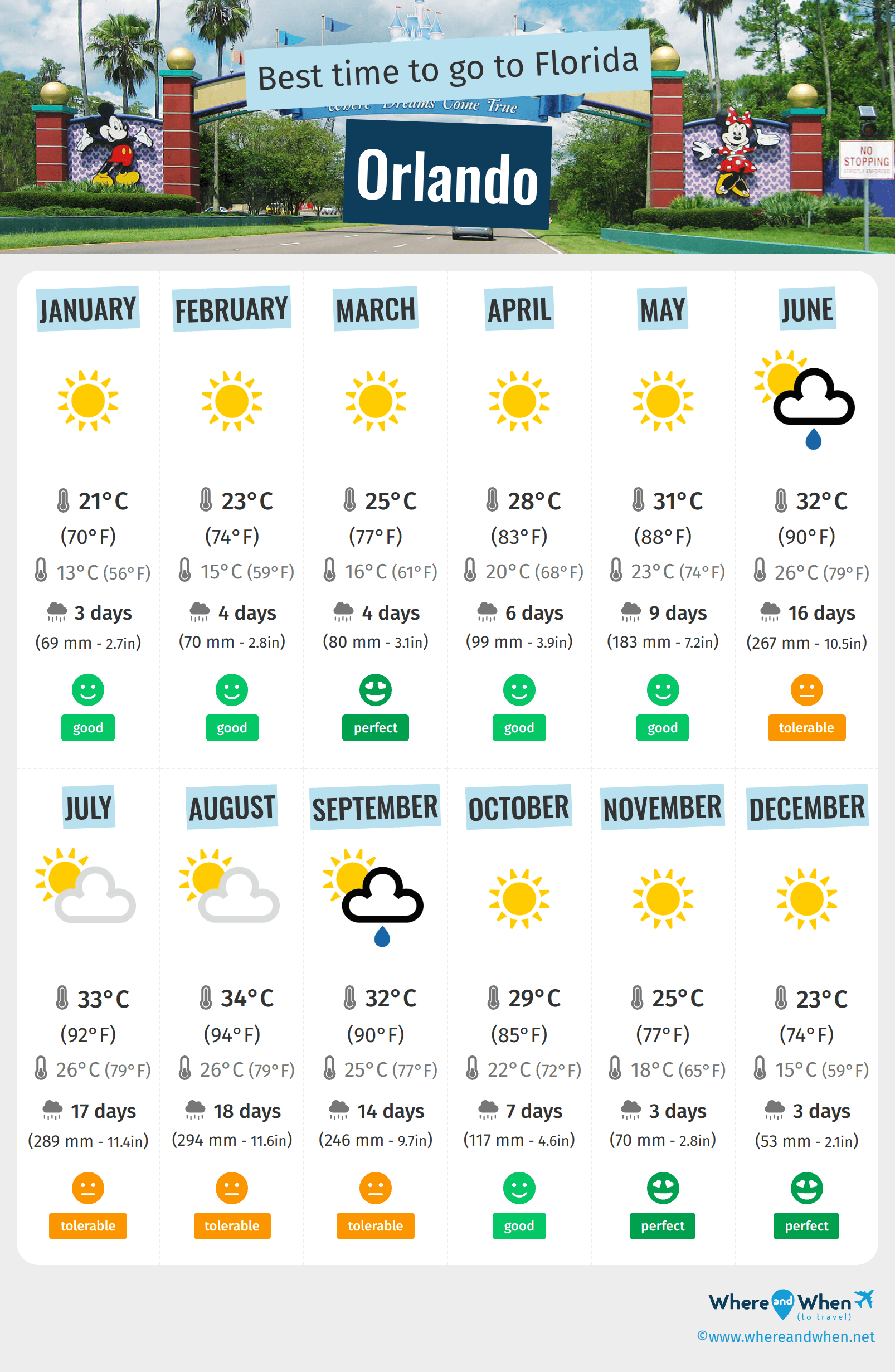
Orlando‘s winters, from December through February, are characterized by mild temperatures and significantly lower humidity. This is a stark contrast to the summer months and makes it an attractive destination for those escaping colder climates. Average daytime temperatures typically range from the upper 60s to low 70s Fahrenheit (around 20-22 degrees Celsius), with nighttime lows often falling into the comfortable 40s and 50s Fahrenheit (around 4-15 degrees Celsius). While rare, occasional cold fronts can bring temperatures down into the 30s Fahrenheit (around 0-4 degrees Celsius), requiring a jacket or sweater for the evenings.
Rainfall is at its lowest during the winter months, leading to more consistently sunny days. This weather is perfect for exploring the numerous outdoor attractions Orlando has to offer, including the ICON Park observation wheel or a round of golf at one of the many championship courses. It’s also a prime time for visiting Walt Disney World and Universal Orlando Resort without the intense heat and humidity. The holiday season, particularly around Christmas, is a magical time in Orlando, with decorations and special events adding to the festive atmosphere. Visitors planning a winter trip should pack layers, including a light jacket or sweater, to adapt to the temperature variations.
Spring: Warming Up with Sunshine and Showers
The spring season in Orlando, from March through May, marks a transition from the mild winter to the hot summer. Temperatures begin to steadily climb, with average highs in March and April in the 70s and 80s Fahrenheit (around 21-28 degrees Celsius), and by May, they are regularly in the mid-80s Fahrenheit (around 29 degrees Celsius). Humidity also starts to increase as the season progresses, though it is generally less intense than in the summer.
Spring is a popular time for families and students, particularly during spring break. This increased visitor volume can lead to larger crowds at attractions. While the days are generally sunny and pleasant, spring can also bring a return of scattered afternoon showers, similar to the summer pattern but typically less severe. Packing light rain gear is advisable. This season is excellent for enjoying outdoor activities, exploring the city’s various neighborhoods, and experiencing the vibrant local life. The blooming flowers and lush greenery add a natural beauty to the already picturesque surroundings.
Planning Your Orlando Trip: What to Pack and When to Visit
Understanding the temperature in Orlando is the first step in effective trip planning. The second is translating that knowledge into practical advice for packing and choosing the best time to visit, ensuring a comfortable and memorable experience.
Packing Essentials: Dressing for Orlando’s Climate
Your packing list will be heavily influenced by the season of your visit. However, some essentials are beneficial year-round.
- Lightweight, Breathable Clothing: This is crucial for all seasons, but especially for summer. Think cotton t-shirts, shorts, and sundresses.
- Comfortable Walking Shoes: You’ll be doing a lot of walking at the theme parks and attractions. Ensure your footwear is broken in and supportive.
- Swimwear: Orlando boasts numerous pools, water parks like Volcano Bay, and natural springs. Don’t forget your swimsuit!
- Sun Protection: A wide-brimmed hat, sunglasses, and high SPF sunscreen are non-negotiable, regardless of the season.
- Rain Gear: A lightweight, packable umbrella or a poncho is a wise addition, especially during the summer and spring months when afternoon showers are common.
- Layers: For winter visits, and even for cooler evenings in spring and fall, pack a light jacket, sweater, or long-sleeved shirt.
- Reusable Water Bottle: Staying hydrated is key. Many attractions have refill stations, and carrying your own bottle saves money and reduces waste.

The Best Times to Visit Orlando
While Orlando is a year-round destination, certain periods offer a more ideal climate and potentially fewer crowds.
- Fall (September to November): This is widely considered the sweet spot. The heat and humidity of summer dissipate, leaving behind warm, sunny days and cooler evenings. The crowds are generally more manageable than during peak summer or holiday seasons. This is perfect for extensive exploration of places like Discovery Cove or the Kennedy Space Center Visitor Complex.
- Winter (December to February): For those seeking mild weather and a break from the cold, winter is an excellent choice. The Christmas festivities are a major draw, but be prepared for higher crowds and prices during this period. Outside of the holiday rush, you can enjoy pleasant temperatures for park visits and outdoor activities.
- Spring (March to May): Spring offers warming temperatures and blooming landscapes. However, it coincides with spring break and can become quite busy and pricier. The latter half of May starts to bring back summer-like heat and humidity.
- Summer (June to August): While it’s the most popular time for families due to school holidays, summer in Orlando is characterized by intense heat, high humidity, and frequent afternoon thunderstorms. If you can tolerate the heat and are prepared for the weather, it’s still a magical time to experience the parks.
By considering the temperature in Orlando and aligning it with your personal preferences for weather and crowd levels, you can strategically plan your visit for maximum enjoyment. Whether you’re looking for the thrill of roller coasters at SeaWorld Orlando, the enchantment of Walt Disney World, or a relaxed stay in a luxurious villa, understanding the climate is your first step towards an unforgettable Florida adventure.
LifeOutOfTheBox is a participant in the Amazon Services LLC Associates Program, an affiliate advertising program designed to provide a means for sites to earn advertising fees by advertising and linking to Amazon.com. Amazon, the Amazon logo, AmazonSupply, and the AmazonSupply logo are trademarks of Amazon.com, Inc. or its affiliates. As an Amazon Associate we earn affiliate commissions from qualifying purchases.