
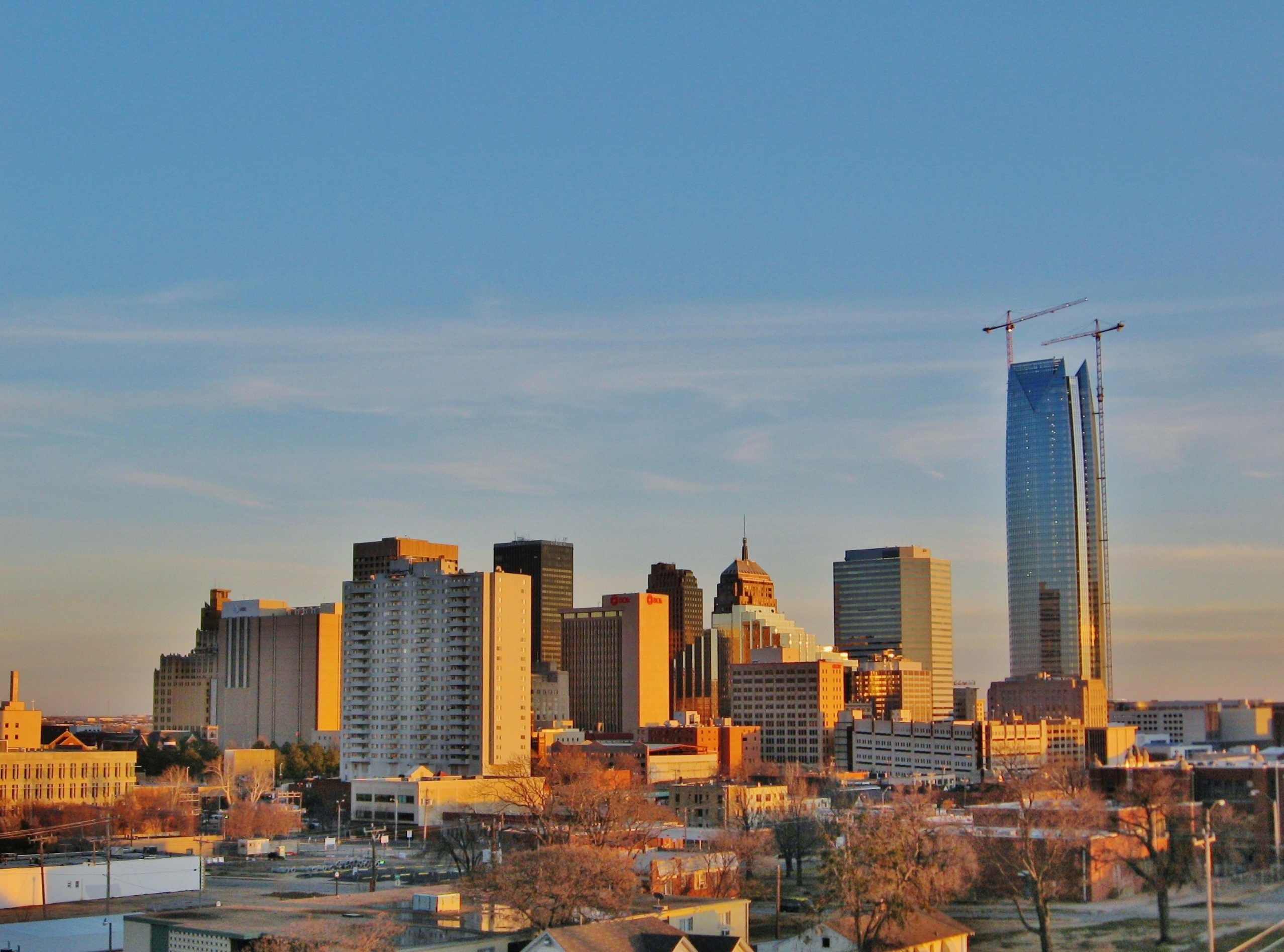
While the exact population of any major city is a dynamic figure, constantly shifting with births, deaths, and migration, the United States Census Bureau provides the most reliable and frequently updated estimates. For Oklahoma City, understanding its population is more than just a number; it offers a glimpse into the city’s growth, its economic vitality, and its evolving role as a significant hub in the Southwest United States. This exploration delves into the current population figures, examines the historical trends that have shaped the city, and considers what these numbers signify for potential visitors and residents alike.

Understanding Oklahoma City’s Demographics
To truly appreciate Oklahoma City, it’s helpful to look beyond a single census figure. The city’s population is a mosaic of individuals and families drawn to its unique blend of frontier history, burgeoning arts and culture scene, and promising economic opportunities. When considering the population, it’s important to differentiate between the city proper and its broader metropolitan area. The city limits encompass a specific administrative boundary, while the metropolitan area includes surrounding counties that are economically and socially integrated with the central city. This distinction is crucial for understanding the full scale of Oklahoma City’s influence and reach.
Latest Population Estimates
According to recent estimates, the population of Oklahoma City itself hovers around the 690,000 to 700,000 mark. This places it as one of the larger cities in the United States by population, and it consistently ranks among the fastest-growing large cities. This consistent growth is a testament to the city’s attractiveness as a place to live, work, and raise a family. The influx of new residents contributes to a vibrant and diverse community, fostering a dynamic urban environment.
The Oklahoma City Metropolitan Statistical Area (MSA), however, paints an even larger picture. This area, which includes counties like Canadian, Cleveland, Grady, Kingfisher, Logan, and Pottawatomie, boasts a population well over 1.4 million people. This significant number underscores Oklahoma City’s role as a regional center, drawing in commuters and supporting a wide array of businesses and services that cater to a substantial population base. The economic activity and cultural offerings of the city ripple outward, influencing the lives of millions across the state.
Historical Population Trends
Oklahoma City’s population story is one of remarkable transformation. Founded in the Land Run of 1889, its initial population was a mere handful of determined settlers. Over the ensuing decades, the city experienced periods of rapid expansion, often fueled by the discovery and development of oil. The oil boom of the early 20th century saw Oklahoma City transform from a frontier town into a burgeoning urban center. This era was characterized by significant industrial growth and a corresponding surge in population as people flocked to the region seeking employment and opportunity.
The mid-20th century brought further growth, though like many American cities, it also experienced shifts with suburbanization. However, in recent decades, Oklahoma City has seen a resurgence in population and economic development. This revitalization is a result of strategic urban planning, diversification of its economy beyond oil and gas, and a concerted effort to enhance its quality of life. Investments in downtown revitalization, the development of new entertainment districts like the Bricktown Entertainment District, and the expansion of public amenities have all contributed to making Oklahoma City a more attractive destination for both long-term residents and visitors. The Oklahoma City National Memorial & Museum, a poignant landmark, also draws significant tourism and serves as a powerful reminder of the city’s resilience.
What Does the Population Mean for Your Visit?
The substantial and growing population of Oklahoma City directly influences the visitor experience in several key ways. From the availability of accommodation options to the diversity of activities and the general atmosphere of the city, demographics play a vital role.
Accommodation and Travel Considerations
A city with a population nearing 700,000 and a metropolitan area exceeding 1.4 million people inherently offers a wide spectrum of accommodation choices. Whether you are seeking a luxurious stay in a downtown hotel, a comfortable suite for a family trip, or a budget-friendly apartment for a longer visit, Oklahoma City can cater to your needs.
The presence of a large population means a robust hospitality industry. You’ll find a variety of hotels, from well-known chains to boutique establishments. For those looking for more space or unique experiences, consider options like extended-stay hotels or vacation rentals, which are increasingly popular for longer visits or for travelers who prefer a home-away-from-home feel. For families, resorts with amenities like swimming pools and on-site dining can be particularly appealing. Business travelers might opt for hotels with business centers and meeting facilities, while those seeking a touch of luxury can explore high-end suites and premium amenities.
The sheer volume of people also influences travel patterns. Peak tourist seasons might see higher demand for flights and hotels, so booking in advance is often recommended, especially if your travel plans coincide with major events or holidays. However, the city’s size also means that even during busy periods, you can often find a suitable place to stay if you plan ahead. The ease of navigation within the city is also a factor; with a well-developed infrastructure, getting around is generally straightforward, though traffic can be a consideration during peak hours, much like any other major urban center.
Tourism and Local Culture
The demographic makeup of Oklahoma City directly enriches its tourism landscape and local culture. A larger, more diverse population often translates into a more vibrant arts scene, a wider array of culinary experiences, and a greater variety of cultural attractions.
For food enthusiasts, the growing population means a blossoming culinary scene. You’ll find everything from traditional Oklahoma barbecue and comfort food to international cuisine representing the diverse backgrounds of its residents. Explore local eateries in areas like Midtown or the Plaza District for unique dining experiences. The city’s culture is also deeply rooted in its Western heritage, evident in attractions like the National Cowboy & Western Heritage Museum. However, the modern Oklahoma City also embraces contemporary arts and entertainment. The Civic Center Music Hall hosts a variety of performances, and numerous art galleries showcase local and national talent.
For those interested in landmarks and history, Oklahoma City offers a compelling narrative. The aforementioned Oklahoma City National Memorial & Museum stands as a powerful testament to the city’s resilience. Beyond this somber but important site, you can explore historic architecture in areas like Guthrie (though technically outside the city, it’s a significant historical neighbor) or delve into the city’s past at the Oklahoma Historical Society. Nature enthusiasts can enjoy the expansive Myriad Botanical Gardens or explore the trails along the Oklahoma River. The city’s growth means that there are always new developments and attractions emerging, ensuring a dynamic experience for repeat visitors.

Lifestyle and Community Engagement
The population of Oklahoma City shapes its lifestyle offerings and the sense of community engagement. The city provides a balanced lifestyle, often characterized by a lower cost of living compared to coastal cities, combined with urban amenities and a strong sense of local pride.
Luxury travel experiences are readily available, with upscale hotels, fine dining, and boutique shopping. For those on a tighter budget, budget travel is also highly feasible, thanks to a range of affordable accommodation and dining options. Family trips are well-catered for, with numerous parks, museums like the Science Museum Oklahoma, and family-friendly entertainment venues. Business stays are supported by a growing corporate presence and excellent conference facilities.
The community is known for its friendly and welcoming atmosphere. This “Southern hospitality” extends to visitors, making Oklahoma City an approachable and enjoyable destination. The city’s ongoing development projects and community initiatives foster a sense of progress and optimism, which is palpable when you visit. Whether you’re attending a sporting event for the Oklahoma City Thunder, exploring the Paseo Arts District, or simply enjoying a walk through one of its many parks, you’ll find a city that is proud of its heritage and excited about its future. The collective spirit of its growing population is what truly defines the character of Oklahoma City.
LifeOutOfTheBox is a participant in the Amazon Services LLC Associates Program, an affiliate advertising program designed to provide a means for sites to earn advertising fees by advertising and linking to Amazon.com. Amazon, the Amazon logo, AmazonSupply, and the AmazonSupply logo are trademarks of Amazon.com, Inc. or its affiliates. As an Amazon Associate we earn affiliate commissions from qualifying purchases.