
Chicago, affectionately known as “The Windy City,” is a metropolis of unparalleled architectural grandeur, vibrant cultural scenes, and world-class dining. Nestled on the southwestern shores of Lake Michigan in Illinois, it’s a city that truly lives through all four seasons, each bringing its own unique charm and challenges. For any traveler planning a visit, understanding “What is the temperature Chicago?” is not just a casual inquiry; it’s a foundational element for a successful and enjoyable trip. The city’s continental climate means significant temperature swings throughout the year, impacting everything from your packing list and daily itinerary to your choice of accommodations and the very essence of your travel experience.
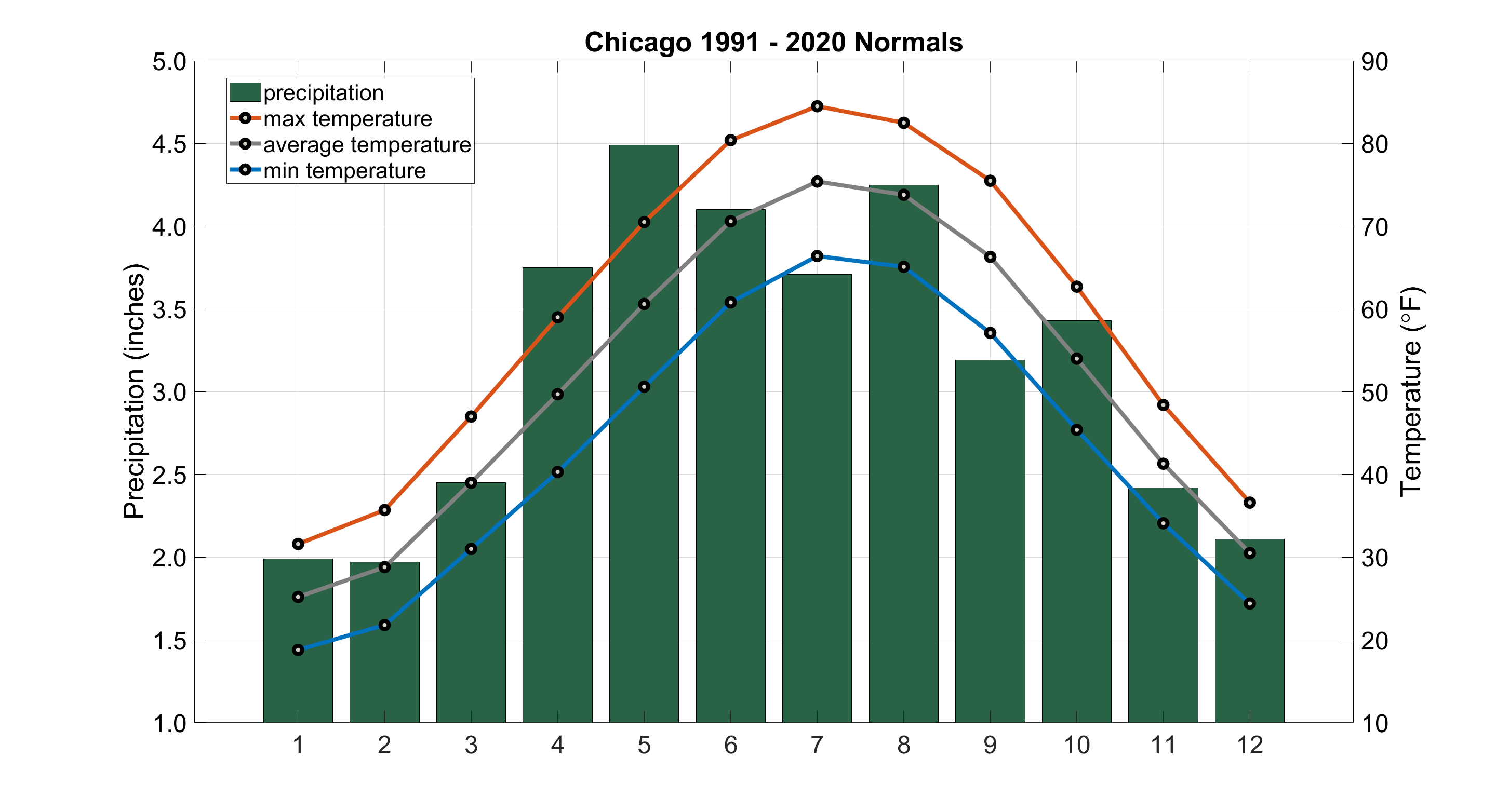
From the sweltering heat of summer to the biting cold of winter, Chicago’s weather dictates the rhythm of life and tourism. This article will delve deep into the city’s temperature patterns across the year, offering insights into how these climatic variations influence travel planning, hotel stays, local tourism activities, landmark visits, and the overall lifestyle experience in this magnificent destination. Preparing for Chicago’s diverse climate is key to unlocking the full potential of your adventure, ensuring you’re comfortable and ready to embrace whatever the city throws your way, be it a sun-drenched summer day or a cozy winter evening.
Understanding Chicago’s Climate: A City of Four Distinct Seasons
Chicago’s position in the Midwest gives it a humid continental climate, characterized by warm to hot, humid summers and cold, snowy, and often windy winters. The transitional seasons of spring and autumn can be highly unpredictable, offering a mix of pleasant days and sudden shifts. This dramatic seasonal variation is what makes checking the temperature in Chicago crucial for any visitor.
The Blazing Summers: June, July, August
Summer in Chicago is a season of glorious sunshine and bustling outdoor activity, but it also comes with significant heat and humidity. Average daily temperatures during these months typically range from the mid-70s to mid-80s Fahrenheit (24-29°C), often climbing into the 90s (32°C+) during heatwaves. The humidity, influenced by Lake Michigan, can make it feel even warmer. Evenings bring some relief, with temperatures usually dropping into the mid-60s (18-20°C).
This is peak tourist season, and for good reason. The city comes alive with festivals, outdoor concerts in Millennium Park, boat tours on the Chicago River, and strolls along Navy Pier. Packing light, breathable clothing, sunscreen, a hat, and comfortable walking shoes is essential. Access to air conditioning (AC) in your accommodation is non-negotiable, and many hotels feature rooftop pools or bars that become popular havens during the warmer months. Staying hydrated and planning indoor activities during the hottest parts of the day are smart strategies.
The Crisp Autumns: September, October, November
Autumn in Chicago is often hailed as one of the most beautiful times to visit, offering a delightful respite from summer’s heat and winter’s chill. September usually extends a milder version of summer, with temperatures often in the 60s and 70s Fahrenheit (15-25°C). As October progresses, the crispness truly sets in, and temperatures typically hover in the 50s and 60s (10-18°C), providing ideal conditions for enjoying the vibrant fall foliage in parks like Lincoln Park. By November, the air becomes distinctly cooler, with averages in the 30s and 40s (0-9°C), signaling the approach of winter.
This shoulder season is perfect for exploring Chicago’s neighborhoods, enjoying architectural tours, and visiting museums without the intense summer crowds. Layering is the key to autumn packing: think sweaters, light jackets, scarves, and comfortable footwear suitable for walking. Accommodation during this period might be more affordable than in summer, and hotels often offer attractive packages. The pleasant temperatures allow for a blend of indoor and outdoor activities, from admiring art at the Art Institute of Chicago to enjoying a scenic walk along Michigan Avenue.
The Chilling Winters: December, January, February
Chicago’s winters are legendary for their intense cold, heavy snowfall, and biting winds. Average temperatures often dip below freezing, ranging from the low 20s to mid-30s Fahrenheit (-5 to 2°C). Wind chills, especially those sweeping off Lake Michigan, can make it feel significantly colder, sometimes plummeting into negative double digits. Snowfall is common, transforming the city into a picturesque winter wonderland, but also posing travel challenges.
Despite the cold, winter in Chicago offers a unique charm. It’s the season for cozy indoor pursuits: exploring the vast collections of the Field Museum or the Museum of Science and Industry, marveling at marine life at the Shedd Aquarium, enjoying holiday markets, or catching a game with the Chicago Blackhawks. Heavy winter coats, scarves, gloves, hats, and waterproof boots are absolute necessities. Hotels prioritize excellent heating systems, and many offer inviting lobbies with fireplaces, indoor pools, or direct access to indoor shopping arcades like those found off the Magnificent Mile, allowing guests to minimize exposure to the cold.
The Awakening Springs: March, April, May
Spring in Chicago is a season of transition, often characterized by unpredictable weather and a gradual warming trend. March can still feel quite wintry, with temperatures in the 30s and 40s Fahrenheit (0-9°C) and a chance of late snowfall. April sees a noticeable shift, with averages climbing into the 40s and 50s (5-15°C), bringing with it the start of blooming flowers and greening parks. By May, the city truly sheds its winter coat, with pleasant temperatures often reaching the 60s and 70s (15-25°C), perfect for outdoor exploration. However, rain showers are common throughout spring, and sudden temperature drops can occur.
This season is a delightful time to witness Chicago reawaken. Outdoor patios begin to open, and residents flock to parks and lakefront paths. Packing layers, including a waterproof jacket or umbrella, is crucial. Footwear should be comfortable and capable of handling damp conditions. Travel during spring can be a bit of a gamble weather-wise, but it often rewards visitors with fewer crowds and more moderate pricing for accommodations compared to the summer peak. It’s an ideal time to enjoy the city’s green spaces like Grant Park as they burst back to life.
Temperature’s Impact on Travel and Tourism in Chicago
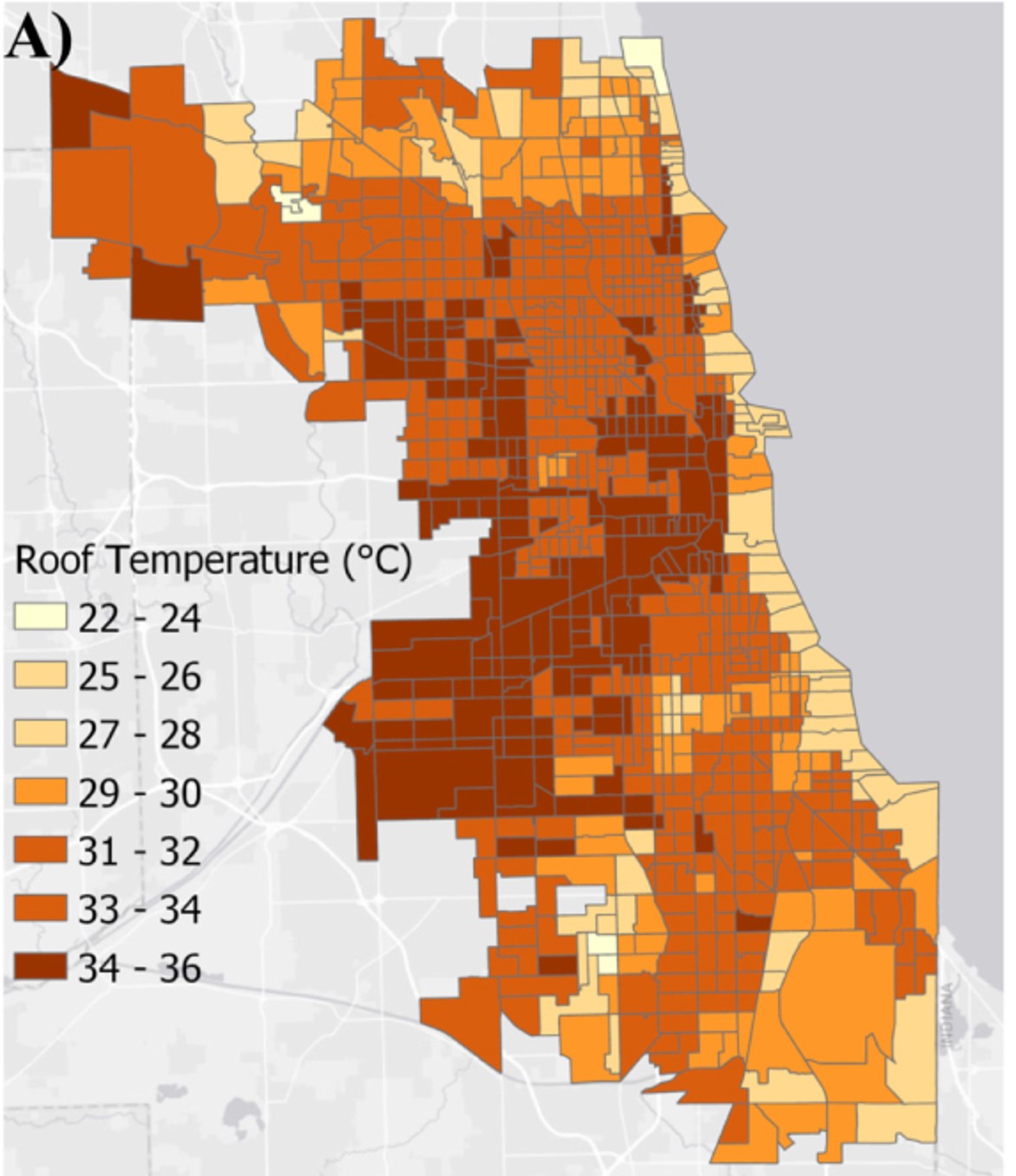
The varying temperatures in Chicago profoundly shape the city’s tourism landscape, influencing which attractions are most popular, the types of activities available, and even the overall atmosphere experienced by visitors.
Seasonal Activities and Attractions
Each season in Chicago ushers in a distinct set of experiences, largely dictated by the prevailing temperatures.
In summer, the warm weather encourages outdoor exploration. Visitors can enjoy a vibrant array of activities such as sunbathing at city beaches, taking leisurely walks along the lakefront trail, cheering on the Chicago Cubs at Wrigleyville, or attending numerous street festivals in neighborhoods like Wicker Park. The iconic Cloud Gate, or “The Bean,” in Millennium Park is particularly photogenic under a clear summer sky, and panoramic views from the Willis Tower are uninterrupted.
Autumn brings a cooler, often breezier climate, perfect for architectural boat tours on the Chicago River before the waterways freeze, or for exploring the city’s diverse culinary scene. The pleasant temperatures make walking tours of historic districts especially enjoyable.
Winter, despite its chill, transforms Chicago into a festive hub. Indoor attractions become paramount: spend days immersed in art at the Art Institute of Chicago, delve into natural history at the Field Museum, or explore scientific wonders at the Museum of Science and Industry. Ice skating in Millennium Park and experiencing the Christkindlmarket (German-style Christmas market) are quintessential winter activities.
Spring is a period of transition, where outdoor activities gradually return. As the temperatures rise, blooming flowers in Grant Park signal renewed life. It’s an excellent time for strolls through revitalized botanical gardens, visiting outdoor markets as they reopen, and witnessing the city shake off its winter slumber.
Planning Your Visit: Best Times and What to Expect
Choosing the “best” time to visit Chicago is highly subjective and largely depends on your personal preferences and what you hope to experience.
Summer offers the widest array of outdoor activities and festivals, vibrant energy, and extended daylight hours. However, it’s also the busiest and most expensive season, with higher hotel rates and larger crowds at popular attractions. If you thrive on bustling energy and don’t mind the heat, this is your time.
Autumn provides a superb balance. The weather is generally pleasant, the fall foliage is stunning, and crowd levels begin to dwindle, leading to more comfortable experiences and potentially better deals on flights and accommodations. It’s ideal for those seeking a more relaxed yet engaging cultural or sightseeing trip.
Winter caters to budget travelers and those who appreciate holiday festivities or prefer indoor cultural experiences. While the cold can be intense, the city’s festive decorations, cozy restaurants, and world-class museums offer plenty to do. Off-peak pricing for hotels and flights can be a significant advantage.
Spring is a shoulder season with variable weather, meaning you could encounter anything from winter’s last gasp to summer’s early warmth. It’s a great option for travelers who appreciate flexibility and are looking for milder temperatures before the summer rush, often with reasonable prices.
Regardless of the season, checking the forecast shortly before your trip is vital for last-minute packing adjustments. Flexibility in your itinerary is also a good idea, allowing you to swap outdoor plans for indoor ones if the weather takes an unexpected turn.
Accommodation and Lifestyle Considerations Across Seasons
The temperature in Chicago plays a significant role in how visitors choose their accommodations and how they experience the local lifestyle. Hoteliers and residents alike adapt to the city’s dramatic climatic shifts.
Choosing Your Stay: Hotels and Amenities
When booking a hotel in Chicago, especially if you’re sensitive to temperature extremes, certain amenities become crucial. In the sweltering summer, reliable air conditioning is non-negotiable. Many hotels cater to this by offering rooms with robust AC systems and communal spaces that are comfortably cool. For a touch of luxury, establishments like The Peninsula Chicago, Four Seasons Hotel Chicago, and Waldorf Astoria Chicago often feature refreshing indoor or outdoor pools, ideal for cooling off after a day of sightseeing. Rooftop bars and patios are also sought-after amenities during warm months, offering stunning city views paired with a refreshing breeze.
Conversely, in the frigid winter, efficient heating is paramount. Visitors should ensure their chosen accommodation provides ample warmth. Many luxury hotels and even boutique hotels like The Langham Chicago offer cozy fireplaces in common areas, heated indoor pools, and inviting lounges where guests can relax away from the cold. Direct access to indoor pedestrian walkways or proximity to CTA stations also adds immense value during colder months, minimizing outdoor exposure. For longer stays or family trips, apartments or suites that offer more space and amenities like full kitchens can be particularly appealing, providing a comfortable retreat regardless of the weather. Reading recent reviews about climate control can be a smart move before booking.
Embracing the Chicago Lifestyle Year-Round
The Chicago lifestyle is inherently resilient and adaptable to its dynamic climate.
Fashion is perhaps the most obvious manifestation of this adaptation. Summers call for light, breezy fabrics, sunglasses, and sandals. Winter demands a formidable wardrobe: heavy insulated coats, thermal layers, hats, gloves, and waterproof boots are essential for braving the elements. Spring and autumn are all about smart layering, with transitional pieces like trench coats, scarves, and adaptable footwear that can handle both mild days and sudden chill. Locals are experts at dressing for all eventualities, so observing them can offer valuable cues.
Dining experiences also shift with the mercury. In summer, outdoor patios, al fresco cafes, and riverside dining become prime spots, offering a chance to soak up the sun and enjoy the city’s vibrant atmosphere. Come winter, the focus moves indoors to cozy, often dimly lit restaurants, where hearty meals and warm beverages provide comfort. The city’s famed deep-dish pizza, while delicious year-round, can feel particularly satisfying on a cold winter’s day.
Public transportation, provided by the CTA, is a lifeline in Chicago, especially when the weather is extreme. While walking is a joy in pleasant weather, during a blizzard or a heatwave, the convenience of the ‘L’ train or buses is invaluable. Many locals integrate these options seamlessly into their daily commutes.
Local events and sports also mirror the seasonal shifts. Summer is synonymous with outdoor concerts, festivals, and baseball games, especially at Wrigleyville for the Chicago Cubs. Winter brings ice hockey with the Chicago Blackhawks and numerous indoor cultural performances. Embracing these seasonal activities is key to experiencing the city like a local.

Preparing for Chicago’s Weather: Practical Tips
Regardless of when you plan to visit, a bit of preparation for Chicago’s temperatures will significantly enhance your trip.
- Check the Forecast Religiously: While general seasonal trends are reliable, Chicago’s weather can be notoriously fickle. Always check a reliable weather forecast a few days before and continuously during your trip.
- Embrace Layering: This is the golden rule for dressing in Chicago, particularly in spring, autumn, and even summer evenings. Multiple thin layers allow you to adjust your comfort level easily as temperatures fluctuate throughout the day.
- Invest in Good Footwear: You’ll likely do a lot of walking. Comfortable, supportive shoes are a must. In winter, waterproof, insulated boots are non-negotiable. In summer, breathable options are best.
- Hydrate in Summer, Stay Warm in Winter: Carry water bottles in summer to combat heat and humidity. In winter, warm drinks like coffee or hot chocolate aren’t just a treat; they help maintain core body temperature.
- Sun Protection Year-Round: Even on cold, cloudy days, UV rays can be strong, especially with reflective snow in winter. Sunscreen, sunglasses, and hats are advisable in all seasons.
- Be Flexible with Your Plans: Have backup indoor activities planned, especially during spring and autumn, when weather can change quickly. Chicago’s wealth of museums, galleries, and indoor attractions makes this easy.
In conclusion, understanding “What is the temperature Chicago?” is more than just knowing a number; it’s about appreciating the city’s vibrant, seasonal character and preparing for it. Whether you’re drawn to the warmth of summer festivals, the crispness of autumn foliage, the festive chill of winter, or the blossoming beauty of spring, Chicago offers a unique experience year-round. By packing appropriately and adapting to the climate, you’ll be well-equipped to enjoy every facet of this magnificent Midwestern gem.
LifeOutOfTheBox is a participant in the Amazon Services LLC Associates Program, an affiliate advertising program designed to provide a means for sites to earn advertising fees by advertising and linking to Amazon.com. Amazon, the Amazon logo, AmazonSupply, and the AmazonSupply logo are trademarks of Amazon.com, Inc. or its affiliates. As an Amazon Associate we earn affiliate commissions from qualifying purchases.