
Understanding the temperature in Boston, Mass. is paramount for any visitor planning to explore this historic New England gem. Boston’s climate is characterized by four distinct seasons, each offering a unique set of experiences and requiring specific preparations. From crisp autumn days perfect for strolling the Freedom Trail to humid summer evenings ideal for a waterfront dinner, the city’s mercury dictates much of the local tourism landscape. This guide delves into Boston’s temperatures throughout the year, providing essential tips and activity suggestions for tourists to maximize their visit, no matter the season.

Boston’s Climatic Overview
Boston experiences a humid continental climate, marked by warm to hot, humid summers and cold, snowy, and windy winters. Transitional seasons like spring and autumn offer a more moderate, albeit sometimes unpredictable, weather pattern. The city’s coastal proximity to the Atlantic Ocean moderates temperatures slightly, leading to milder winters and cooler summers compared to inland areas, though significant temperature swings within a single day are not uncommon, especially during spring and fall. Tourists should always check a current forecast leading up to their trip, as local conditions can vary.
Seasonal Breakdown: Spring (March, April, May)
Spring in Boston is a period of transition, often heralded by fluctuating temperatures. March can still feel very much like winter, with average highs around 45°F (7°C) and lows near 30°F (-1°C), and the possibility of late-season snowstorms. By April, the weather begins to soften, with average highs reaching 55°F (13°C) and lows around 40°F (4°C), making it a prime time for the city’s famous cherry blossoms to emerge. May brings consistently milder conditions, with average daytime temperatures in the mid-60s°F (18-20°C) and evenings in the mid-40s to low-50s°F (7-12°C). Rainfall is common throughout spring, adding to the city’s lush greenery.
Seasonal Breakdown: Summer (June, July, August)
Summers in Boston are typically warm to hot and often humid. June sees average highs in the upper 70s°F (24-26°C) and lows in the upper 50s°F (14-15°C). July and August are the warmest months, with average highs frequently reaching the low 80s°F (27-29°C), and occasional heatwaves pushing temperatures well into the 90s°F (30s°C). Nighttime temperatures usually hover around the mid-60s°F (18°C). Humidity can be a significant factor, making the “feels like” temperature higher than the actual reading. Thunderstorms are also common during the summer months, especially in the afternoons.
Seasonal Breakdown: Autumn (September, October, November)
Autumn is arguably Boston’s most celebrated season, renowned for its stunning fall foliage and comfortable temperatures. September is a delightful extension of summer, with average highs in the low 70s°F (21-23°C) and lows in the low 50s°F (11-13°C). October is cooler, providing ideal conditions for sightseeing, with daytime temperatures averaging in the low 60s°F (16-18°C) and nighttime lows in the mid-40s°F (7-9°C). By November, the crispness of winter begins to creep in, with highs around 50°F (10°C) and lows dipping into the mid-30s°F (1-3°C), and the first frosts becoming common.
Seasonal Breakdown: Winter (December, January, February)
Boston winters are cold, often snowy, and can be quite windy, especially near the coast. December sees average highs in the low 40s°F (4-6°C) and lows near 30°F (-1°C). January is typically the coldest month, with average daytime temperatures barely above freezing at 35°F (2°C) and nighttime lows in the low 20s°F (-6°C). February remains cold, with similar averages to January, though daylight hours begin to noticeably lengthen. Snowfall is frequent, with the city often experiencing significant storms. Ice can also be a concern, making sidewalks slippery.
Preparing for Boston’s Weather: Essential Tourism Tips
Knowing the average temperatures is only the first step. For a truly enjoyable visit, tourists need to understand how to prepare for and navigate Boston’s varied climate.

Packing Smart for Every Season
- Spring: Layers are crucial. Pack a mix of long-sleeved shirts, sweaters, a waterproof jacket or umbrella, and comfortable walking shoes that can handle wet conditions. A light scarf can also be useful for cooler evenings.
- Summer: Light, breathable clothing is a must. Shorts, t-shirts, dresses, and sandals are appropriate. Don’t forget sunscreen, a hat, and sunglasses. For evenings, a light cardigan or long-sleeved shirt might be welcome, especially in air-conditioned spaces or along the Charles River.
- Autumn: Again, layering is key, especially as temperatures can drop significantly from day to night. Pack sweaters, long-sleeved tops, a medium-weight jacket, and perhaps a warm scarf and hat for later in the season. Comfortable walking shoes are essential for exploring parks and historic areas.
- Winter: This is when serious cold-weather gear is required. A heavy, insulated, and waterproof coat, warm hat, gloves or mittens, a thick scarf, and waterproof boots with good traction are non-negotiable. Thermal underwear can also be a lifesaver for prolonged outdoor activities.
Navigating Boston in Extreme Temperatures
During summer heatwaves, visitors should prioritize indoor attractions during the hottest parts of the day, such as the Museum of Fine Arts or the New England Aquarium. Hydration is key, and taking advantage of the city’s numerous parks like Boston Common or the Public Garden in the early morning or late afternoon can provide some relief.
In winter, take advantage of Boston’s efficient public transportation system, the “T,” to minimize outdoor exposure. Many historical sites and museums are heated and provide a cozy escape. Skating on the Boston Common Frog Pond is a classic winter activity, but ensure you are dressed warmly. Keep an eye on weather alerts, as snowstorms can sometimes disrupt travel plans.
Engaging with Boston’s Culture and Activities by Season
Boston’s diverse climate dictates the rhythm of its tourism calendar, offering distinct experiences throughout the year.
Springtime Blossoms and Outdoor Exploration
As temperatures rise, Boston awakens. Early spring is ideal for indoor attractions like the Isabella Stewart Gardner Museum or exploring the shops and eateries of Faneuil Hall Marketplace. By April and May, the Public Garden’s famous Swan Boats resume operation, and the city’s parks burst with color. The Boston Marathon takes place in April, drawing huge crowds, so plan accommodation and travel accordingly. Walking tours of historic neighborhoods like Beacon Hill or the North End become pleasant pursuits.
Summer Festivals and Waterfront Delights
Summer transforms Boston into a vibrant hub of outdoor activities. Baseball season is in full swing at Fenway Park, offering an iconic American experience. The Boston Harbor comes alive with boat tours, whale watching excursions, and ferry trips to nearby islands. Numerous free concerts and festivals take place on the Esplanade and other public spaces. Enjoy al fresco dining in the North End or along the waterfront. Visiting institutions like Harvard University or MIT is also popular, and their campuses are beautiful to stroll on warm days.
Autumnal Beauty and Historic Trails
Fall is arguably the most picturesque time to visit, with comfortable temperatures and brilliant foliage. This season is perfect for long walks along the Freedom Trail, exploring Paul Revere’s house, and immersing oneself in revolutionary history. Day trips to surrounding New England areas for leaf peeping are highly recommended. Many cultural institutions host special exhibitions, and the city’s renowned colleges and universities are bustling with returning students, adding a lively academic atmosphere. Sampling seasonal craft beers at local breweries like Sam Adams Brewery also becomes a popular pastime.
Winter Wonderland and Cozy Retreats
Despite the cold, winter in Boston offers a magical charm. The city lights up with holiday decorations, and ice skating at the Boston Common Frog Pond is a quintessential experience. This is an excellent time to delve into Boston’s rich museum scene, from the Museum of Science to the Boston Tea Party Ships & Museum. Cozy up in historic taverns, enjoy hearty New England cuisine, and take advantage of fewer crowds at popular attractions. Indoor shopping at the Prudential Center or Copley Place also offers a warm respite.
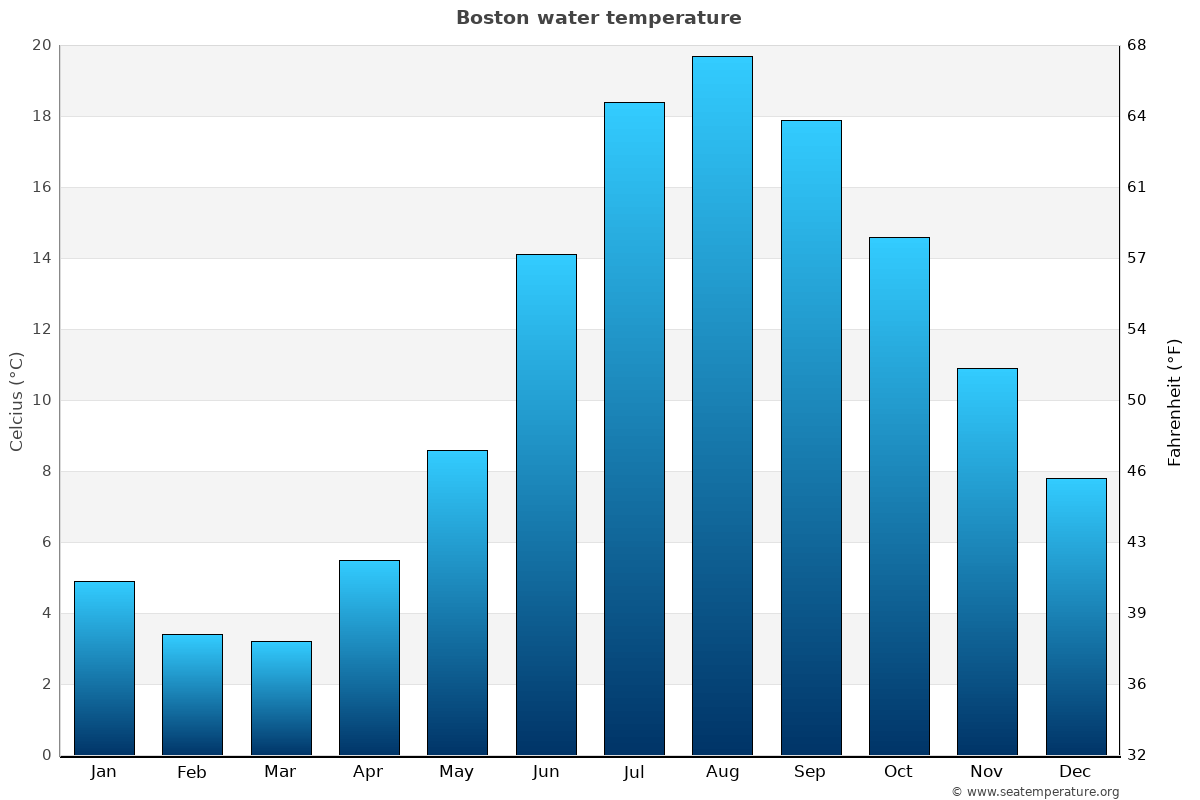
Beyond the Thermometer: Microclimates and Forecast Reliance
While average temperatures provide a good baseline, Boston’s diverse geography means microclimates can exist. Areas directly on the waterfront, for example, might experience stronger winds or slightly cooler temperatures than neighborhoods further inland. Similarly, the city’s many hills and valleys can create pockets of varying conditions. Therefore, while general seasonal guidance is helpful, always consult a reliable weather forecast a few days before and during your visit to Boston, Mass. This will allow for precise packing and activity planning, ensuring comfort and enjoyment regardless of what the New England weather throws your way. Being prepared for anything, especially during the transitional seasons, is the key to a successful Boston adventure.
LifeOutOfTheBox is a participant in the Amazon Services LLC Associates Program, an affiliate advertising program designed to provide a means for sites to earn advertising fees by advertising and linking to Amazon.com. Amazon, the Amazon logo, AmazonSupply, and the AmazonSupply logo are trademarks of Amazon.com, Inc. or its affiliates. As an Amazon Associate we earn affiliate commissions from qualifying purchases.