
Understanding the climate and typical temperatures of a destination is paramount for any well-planned trip. For travelers considering a visit to Fort Lauderdale, Florida, knowing “what is the temperature” is more than just a passing curiosity; it’s a critical piece of information that dictates packing choices, activity planning, and overall enjoyment of this vibrant coastal city. Often called the “Venice of America” due due to its extensive canal system, Fort Lauderdale boasts stunning beaches, a lively arts scene, and a plethora of water-based activities that are inextricably linked to its warm, subtropical climate.
This guide delves into the nuances of Fort Lauderdale’s temperature year-round, offering insights into what to expect during different seasons, how to prepare, and how to make the most of your visit, regardless of when you choose to explore this captivating Florida gem. From the balmy winter breezes to the humid summer heat, each season presents a unique facet of Fort Lauderdale’s character, and understanding its thermal patterns is the first step toward an unforgettable travel experience.
Understanding Fort Lauderdale’s Subtropical Climate
Fort Lauderdale, situated in southeastern Florida along the Atlantic coast, enjoys a tropical rainforest climate, specifically a monsoon subtype according to the Köppen climate classification. This means the city experiences warm temperatures year-round with a distinct wet and dry season. The influence of the Atlantic Ocean plays a significant role in moderating temperatures, preventing the extreme highs and lows often seen further inland in other subtropical regions. However, this oceanic influence also contributes to the humidity levels, which are a defining characteristic of the Fort Lauderdale experience.
Seasonal Temperature Breakdown
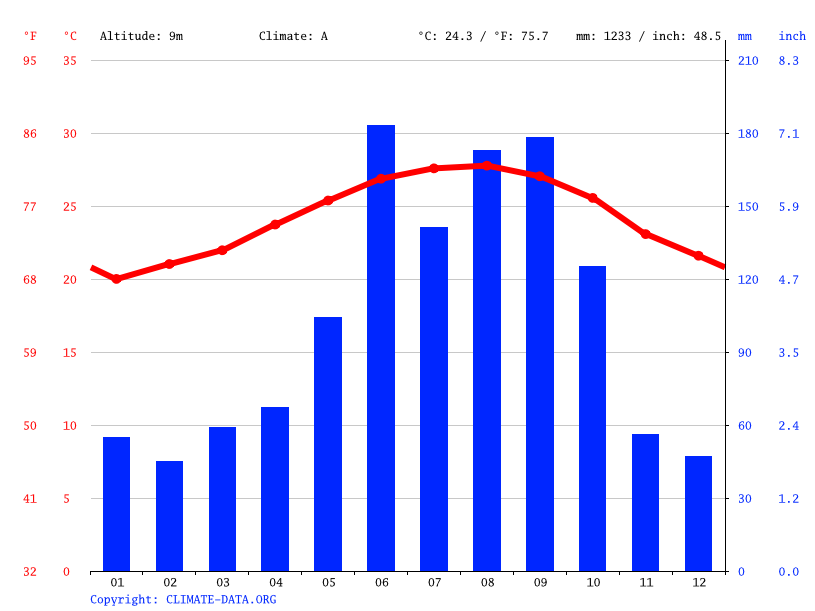
The year in Fort Lauderdale can be broadly divided into two main seasons: the warm, wet season (late May to October) and the warm, dry season (November to mid-May).
Winter (December – February)
This is arguably the most desirable time to visit Fort Lauderdale for those seeking comfortable, sunny weather. Temperatures during these months are wonderfully mild, with average highs typically ranging from the mid-70s F (24-25°C) and lows in the mid-60s F (16-18°C). Cold fronts can occasionally bring temperatures down into the 50s F (10-15°C) for a day or two, especially overnight, but generally, the weather remains pleasant and ideal for outdoor activities. Rainfall is at its lowest, and humidity is significantly lower than in the summer, making for crisp, refreshing air. This period is the peak tourist season, attracting visitors from colder climates seeking an escape.
Spring (March – May)
Spring in Fort Lauderdale serves as a gentle transition from the dry winter to the wetter summer. Temperatures gradually climb, with average highs moving from the upper 70s F (26°C) in March to the mid-80s F (29-30°C) by May. Lows typically range from the high 60s F (19-20°C) to the low 70s F (21-22°C). While humidity begins to increase, it is still generally more comfortable than the summer months. Rainfall starts to pick up, particularly towards late spring, often in the form of short, intense afternoon showers. This is a popular time for spring breakers and those looking to enjoy the beaches before the intense summer heat sets in.
Summer (June – August)
Summers in Fort Lauderdale are characterized by heat, humidity, and frequent rainfall. Average daily highs consistently hover in the upper 80s F (31-32°C) to low 90s F (33°C), with overnight lows rarely dropping below the mid-70s F (24-25°C). The defining feature of summer, however, is the high humidity, which can make the “real feel” temperature significantly higher due to the heat index. Daily afternoon thunderstorms are common, providing a temporary, albeit brief, cool-down. These storms can be intense but typically clear quickly, giving way to sunshine once more. This period also marks the beginning of hurricane season, which runs from June 1st to November 30th.
Fall (September – November)
Fall offers a gradual winding down from the summer heat and humidity, though the early part of the season can still feel very much like summer. September and early October remain hot and humid, with temperatures mirroring those of summer. As November approaches, cooler air begins to arrive, bringing down both temperatures and humidity levels. Average highs in November dip back into the low 80s F (27-28°C), and lows into the upper 60s F (19-20°C). Rainfall also decreases significantly, making late fall an increasingly attractive time to visit as the weather becomes more pleasant and the risk of hurricanes lessens towards the end of the season.
Humidity and Heat Index: The True Feel
It’s crucial to understand that temperature readings alone don’t always tell the full story in a tropical climate like Fort Lauderdale’s. Humidity plays a massive role in how warm it feels. During the summer months, when relative humidity can often exceed 80-90%, the air feels heavy and sticky. The “heat index,” which combines air temperature and relative humidity to determine the human-perceived equivalent temperature, frequently pushes into the triple digits (over 100°F or 38°C). This makes even moderately warm temperatures feel much hotter and more oppressive.
For travelers, this means that summer activities need to be planned with extra care, focusing on hydration, sun protection, and seeking air-conditioned environments during the hottest parts of the day. While winters are still warm, the lower humidity makes the temperatures far more enjoyable and comfortable for extended outdoor exposure.
Preparing for Your Fort Lauderdale Visit Based on Temperature
Packing correctly and planning activities around the expected temperatures are key to maximizing your enjoyment in Fort Lauderdale. The city’s climate dictates a certain approach to travel that prioritizes comfort and safety.
What to Pack for Every Season
Winter & Spring
For visits between December and May, light, breathable clothing is still your best bet. Think shorts, t-shirts, sundresses, and swimwear. However, it’s wise to pack a light sweater, a long-sleeved shirt, or a light jacket for cooler evenings, especially in winter when temperatures can dip. Long pants might also be appreciated for dining out or evening strolls. Don’t forget comfortable walking shoes for exploring and sandals for the beach.
Summer & Early Fall
During the hot and humid months from June to October, your packing strategy should revolve around minimizing heat discomfort. Opt for very lightweight, loose-fitting clothing made of natural, breathable fabrics like cotton or linen. Swimwear is essential, and you’ll likely want multiple changes throughout the day. A wide-brimmed hat, sunglasses, and high-SPF sunscreen are non-negotiable for sun protection. Due to frequent afternoon showers, a lightweight rain jacket or umbrella can be useful, though many locals simply duck indoors or embrace the brief downpour.

Health and Safety Tips for Fort Lauderdale’s Climate
Regardless of the season, sun protection is paramount. Florida’s sun is strong, and sunburn can happen quickly. Always apply sunscreen, wear protective clothing, and seek shade during peak sun hours (10 AM to 4 PM). Hydration is also critical, especially in summer. Drink plenty of water throughout the day, even if you don’t feel thirsty.
For summer travelers, be mindful of the heat index. Avoid strenuous outdoor activities during the hottest parts of the day. Utilize air-conditioned spaces like malls, museums, and restaurants for breaks. If traveling during hurricane season (June 1 – November 30), stay informed about weather forecasts and any advisories from local authorities. Fort Lauderdale has well-established emergency protocols, and hotels are typically excellent at keeping guests updated.
Optimal Activities for Every Season
Fort Lauderdale’s consistent warmth ensures that outdoor activities are almost always on the agenda, but the subtle shifts in temperature and humidity throughout the year can influence which activities are most enjoyable.
Winter: The Outdoor Enthusiast’s Paradise (Dec-Feb)
The mild, dry, and sunny conditions of winter make it the perfect time for virtually any outdoor activity. Stroll along the scenic Fort Lauderdale Beach, rent a bicycle and explore the coastal pathways, or enjoy a leisurely boat tour along the Intracoastal Waterway to marvel at the opulent homes and yachts. It’s an excellent season for golf, tennis, and exploring natural areas like Hugh Taylor Birch State Park or even taking a day trip to the Everglades for an airboat ride. Dining al fresco on Las Olas Boulevard is a particularly delightful experience in the cool evening air.
Spring: Water Sports and Exploration (Mar-May)
As temperatures rise, spring is prime time for all things water-related. Kayaking, paddleboarding, jet-skiing, and parasailing are popular choices. The ocean temperatures are comfortable for swimming without being too warm. It’s also a great time to enjoy the city’s vibrant events and festivals before the peak summer heat arrives. Explore the arts and culture scene, visit local markets, or enjoy fishing charters.
Summer: Indoor Escapes and Water Parks (Jun-Aug)
When the heat index soars, travelers can still have a fantastic time by adapting their itinerary. Focus on early morning or late afternoon beach visits when the sun is less intense. Spend midday enjoying air-conditioned attractions like the Museum of Discovery and Science, the NSU Art Museum, or one of the many shopping centers. Water parks offer a refreshing escape, and hotel pools become central hubs for relaxation. Cruising the Intracoastal Waterway offers a gentle breeze, and many boat tours provide shaded areas. It’s also an excellent time to indulge in Fort Lauderdale’s diverse culinary scene indoors.
Fall: Uncrowded Beaches and Fishing (Sep-Nov)
As the summer crowds disperse and the weather gradually improves towards late fall, this season offers a quieter, more relaxed experience. Early fall still caters well to indoor activities and water sports, while late fall sees a return to more comfortable outdoor enjoyment. Fishing enthusiasts often find fall a productive time, and the beaches are less crowded, making for peaceful strolls. It’s an ideal period to explore local restaurants and enjoy the burgeoning pre-holiday atmosphere without the full intensity of peak season crowds.
The Coastal Influence: Fort Lauderdale’s Microclimates
Fort Lauderdale’s immediate proximity to the Atlantic Ocean creates a slight microclimate difference between the beachfront and inland areas. The persistent ocean breeze often makes coastal areas feel a few degrees cooler and less humid than locations just a few miles inland, especially during the hotter months. This effect is most noticeable in the afternoon. Conversely, on cooler winter nights, areas closer to the ocean might retain heat slightly better than inland spots.
This coastal moderation is a significant benefit, as it provides a refreshing counterpoint to the powerful Florida sun, making beach activities particularly enjoyable even when temperatures climb. When planning your daily itinerary, consider how far you are from the immediate coastline and factor in the potential for a cooling sea breeze.
Best Time to Visit Fort Lauderdale for Ideal Temperatures
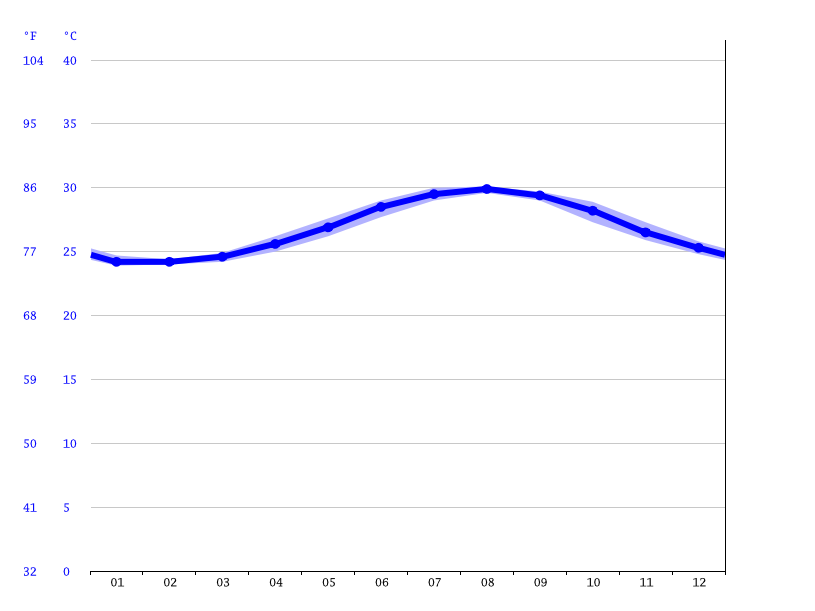
For travelers prioritizing comfortably warm temperatures with low humidity and minimal rainfall, the absolute best time to visit Fort Lauderdale is during the winter months, from December through February. This period offers consistently pleasant weather, perfect for all types of outdoor exploration and relaxation.
The shoulder seasons of late spring (April-May) and late fall (late October-November) also offer excellent weather, often with fewer crowds and potentially lower accommodation rates than the peak winter season. While temperatures will be warmer and humidity higher than in winter, they are generally more tolerable than the peak summer months.
Ultimately, Fort Lauderdale offers a warm escape year-round. Understanding its temperature patterns allows you to choose the best time for your travel style and prepare accordingly, ensuring a fantastic experience in this beautiful South Florida destination. Always check the specific forecast closer to your travel dates, as weather can always surprise, but with this knowledge, you’re well-equipped to enjoy the “Venice of America” to its fullest.
LifeOutOfTheBox is a participant in the Amazon Services LLC Associates Program, an affiliate advertising program designed to provide a means for sites to earn advertising fees by advertising and linking to Amazon.com. Amazon, the Amazon logo, AmazonSupply, and the AmazonSupply logo are trademarks of Amazon.com, Inc. or its affiliates. As an Amazon Associate we earn affiliate commissions from qualifying purchases.