
Understanding the climate of a travel destination is paramount to planning an enjoyable and comfortable trip. For those considering a visit to Fresno, California, knowing what temperatures to expect is not just a matter of curiosity—it’s essential for packing, scheduling activities, and ensuring your travel experience is nothing short of exceptional. Fresno, nestled in the heart of the San Joaquin Valley, experiences a distinct climate characterized by hot, dry summers and mild, somewhat damp winters. This unique weather pattern is a direct result of its inland location, far from the moderating influence of the Pacific Ocean, and its proximity to the towering Sierra Nevada Mountains. Whether you’re chasing sunshine, seeking outdoor adventures, or planning a cultural immersion, being prepared for Fresno’s temperatures will significantly enhance your journey.

Understanding Fresno’s Unique Climate
Fresno’s climate is often described as Mediterranean-like but with significant inland variations. This means it shares characteristics with coastal California in terms of wet winters and dry summers, but without the coastal fog and much more extreme temperature swings. Its position in the flat, expansive San Joaquin Valley means it acts like a heat sink in summer, while in winter, it can trap cold air and moisture.
A Mediterranean-like Inland Climate
The city’s climate is significantly shaped by its geographical features. The Sierra Nevada Mountains to the east block moist air from the interior, contributing to the dry summers. Meanwhile, the coastal mountain ranges to the west block much of the marine influence, leading to more extreme temperatures compared to coastal cities. This results in abundant sunshine for much of the year, particularly during the lengthy dry season, which typically runs from May through October. The overall precipitation is relatively low, primarily occurring during the winter months, often in the form of rain, though snow is a common sight in the nearby mountains.
Seasonal Temperature Overview
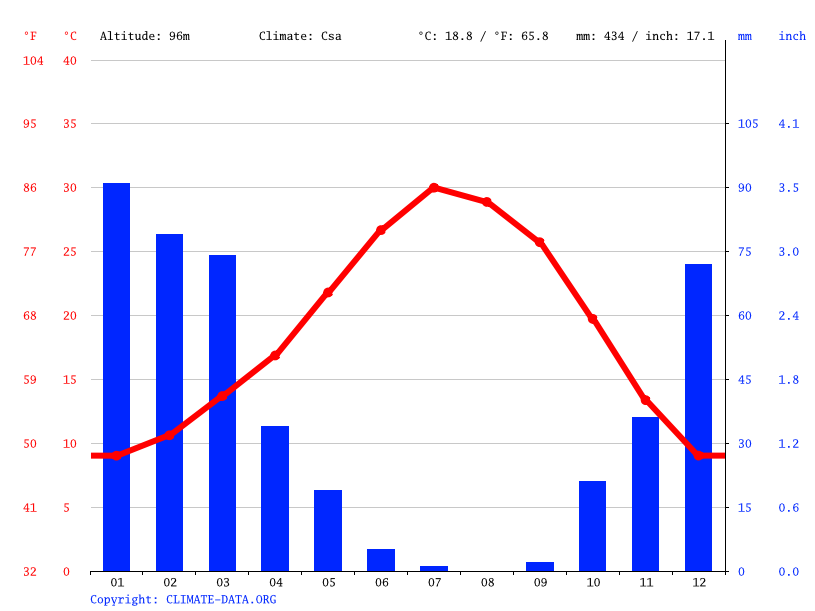
Generally, Fresno experiences four distinct seasons, each offering a unique temperature profile. Summers are notoriously hot, with daytime highs frequently exceeding 100°F (38°C). Spring and autumn are delightful, marked by warm, pleasant days and cooler evenings, making them popular times for visitors. Winters are mild, with daytime temperatures usually hovering in the 50s and 60s Fahrenheit (10-18°C), though nights can drop to near freezing. It’s crucial for travelers to understand these seasonal nuances to pack appropriately and plan activities that align with the prevailing weather conditions.
Seasonal Breakdown: What to Expect When You Visit
Each season in Fresno offers a different experience, heavily influenced by its temperature. Here’s a detailed look at what you can expect throughout the year.
Summer (June-August): The Heat of the Valley
Summer in Fresno is defined by intense heat and virtually no rain. Average daytime temperatures typically range from the mid-90s to low 100s Fahrenheit (35-40°C), often peaking higher in July and August. Nighttime temperatures offer some relief, usually dropping into the mid-60s or low 70s Fahrenheit (18-22°C). Humidity is generally low, making the “dry heat” more manageable for some, but it’s still a significant factor for travelers.
Travel Implications: If you visit during summer, plan your outdoor activities for early mornings or late evenings. Midday can be scorching, making indoor attractions like museums or air-conditioned shopping malls more appealing. Staying hydrated is non-negotiable, and always carry water. Many travelers use Fresno as a gateway to cooler mountain escapes, with Yosemite National Park and Kings Canyon National Park just a few hours’ drive away, offering significantly lower temperatures and alpine adventures.
Autumn (September-November): A Pleasant Transition
Autumn is arguably one of the most pleasant times to visit Fresno. The scorching summer heat gradually gives way to warm, comfortable days and crisp, cool evenings. September still sees daytime highs in the high 80s to low 90s Fahrenheit (30-35°C), but by November, averages settle into the 60s and 70s Fahrenheit (15-25°C). Nights become noticeably cooler, often dipping into the 40s and 50s Fahrenheit (4-10°C).
Travel Implications: This period is ideal for outdoor activities, exploring local vineyards, and enjoying festivals. The comfortable temperatures are perfect for hiking, biking, and leisurely strolls through parks. It’s also a fantastic time for photography, as the region’s agricultural landscape begins to showcase beautiful autumn colors. Layered clothing is recommended, as temperatures can vary significantly between day and night.
Winter (December-February): Mild and Often Foggy
Fresno’s winters are mild compared to many parts of the United States. Daytime temperatures typically range from the mid-50s to low 60s Fahrenheit (10-18°C). Nights can be quite cool, often falling into the 30s Fahrenheit (0-4°C), and occasionally dropping below freezing. While rain is most common during these months, it’s not incessant, and many days are still sunny. A notable phenomenon during winter is the “Tule fog,” a dense ground fog that can linger for days, significantly reducing visibility.

Travel Implications: Despite the potential for fog, winter can be an excellent time to visit if you prefer cooler weather and fewer crowds. Indoor attractions are popular, and the proximity to the Sierra Nevada Mountains means skiing and snowboarding are just a short drive away. Pack warm clothing, including sweaters, a jacket, and maybe even a hat and gloves, especially for evenings. If driving, be aware of the Tule fog and exercise caution.
Spring (March-May): Blooming Beauty
Spring in Fresno is a season of transformation, with wildflowers blooming and fruit orchards bursting into color. Temperatures are pleasantly warm, gradually increasing from the 60s Fahrenheit (15-20°C) in March to the 80s Fahrenheit (27-32°C) by May. Nighttime temperatures are comfortable, ranging from the 40s to 60s Fahrenheit (4-18°C). Rain becomes less frequent as the season progresses.
Travel Implications: This is another prime season for visiting, offering comfortable temperatures for exploring the region’s natural beauty. The Fresno County Blossom Trail is a major draw, showcasing the vibrant blooms of stone fruit trees. It’s an ideal time for hiking, cycling, and enjoying outdoor dining. Pack light layers, as mornings can be cool and afternoons quite warm. The gentle rise in temperature makes it perfect for those who want to experience Fresno before the intense summer heat sets in.
Preparing for Fresno’s Weather: Travel Tips
Being well-prepared for Fresno’s temperatures will ensure a smoother and more enjoyable travel experience.
Packing Essentials for Every Season
Regardless of when you visit, a few packing principles hold true for Fresno.
- Layering Strategy: This is key for all seasons. Even in summer, evenings can be significantly cooler than peak daytime temperatures. In spring and fall, layers allow you to adapt to fluctuating conditions.
- Sun Protection: With abundant sunshine year-round, sunscreen, a wide-brimmed hat, and sunglasses are essential. Even on cloudy or foggy days, UV radiation can be strong.
- Hydration: Especially during the warmer months, always carry a reusable water bottle and replenish it frequently.
- Appropriate Footwear: Comfortable walking shoes are a must, whether you’re exploring city parks, hitting the trails, or wandering through downtown.
- Warm Outerwear for Winter: A sturdy, waterproof jacket, sweaters, and possibly a scarf and gloves will be invaluable during the cooler, potentially damp winter months.
Best Times to Visit Based on Your Interests
- For Outdoor Adventures (hiking, biking, exploring parks): Spring (March-May) and Fall (September-November) offer the most comfortable temperatures.
- For Mountain Escapes (Yosemite, Kings Canyon): Summer provides a fantastic opportunity to escape the valley heat and enjoy cooler alpine conditions. Winter is ideal for snow sports enthusiasts.
- For Cultural & Indoor Attractions: Winter (December-February) can be a great time, with fewer crowds and pleasant indoor temperatures.
- For Blossom Trail & Photography: Spring (March-April) is unparalleled for its natural beauty.
Checking Current Forecasts
While this guide provides a general overview, local weather conditions can be dynamic. Always check a reliable weather forecast shortly before and during your trip to Fresno. This will give you the most accurate daily temperatures, chances of precipitation, and any advisories (like extreme heat warnings or fog alerts), allowing you to fine-tune your plans and packing.
Experiencing Fresno Beyond the Thermometer
While temperature dictates much of the travel experience, Fresno offers a diverse range of activities that can be enjoyed across various climates, provided you plan accordingly.
Activities Tailored to the Climate
- Hot Summers: Seek refuge in the incredible Forestiere Underground Gardens, a subterranean labyrinth offering a cool escape, or visit local museums. Evening events and baseball games at Chukchansi Park become popular as the sun sets and temperatures drop.
- Mild Springs & Falls: These are prime times for exploring Woodward Park, the Fresno Chaffee Zoo, or taking leisurely walks along the San Joaquin River Parkway. Outdoor dining is particularly enjoyable.
- Cooler Winters: Embrace the cozy atmosphere by exploring downtown Fresno’s historic buildings, enjoying local coffee shops, or attending holiday events. Day trips to nearby mountains for snow play are also a popular option.
Festivals and Events
Fresno’s event calendar often reflects its climate. Many outdoor festivals, farmers’ markets, and community gatherings are scheduled for the milder spring and fall months. Summer sees evening concerts and events, while winter brings holiday light displays and indoor performances. Understanding the seasonal temperatures helps you align your visit with the events that pique your interest.
In conclusion, Fresno, California, offers a captivating blend of experiences, heavily influenced by its unique Central Valley climate. From the scorching intensity of summer to the mild charm of winter and the vibrant bloom of spring, each season presents distinct temperatures that shape your travel possibilities. By understanding these climatic patterns and preparing thoughtfully, you can unlock the full potential of your trip, ensuring comfort and maximizing enjoyment in this dynamic California city. Knowing “what is the temperature in Fresno” is not just a data point; it’s your first step toward an unforgettable adventure.
LifeOutOfTheBox is a participant in the Amazon Services LLC Associates Program, an affiliate advertising program designed to provide a means for sites to earn advertising fees by advertising and linking to Amazon.com. Amazon, the Amazon logo, AmazonSupply, and the AmazonSupply logo are trademarks of Amazon.com, Inc. or its affiliates. As an Amazon Associate we earn affiliate commissions from qualifying purchases.