
The allure of Louisiana is often intertwined with its unique climate. From the sweltering heat of its summers to the surprisingly mild winters, the temperature in Louisiana plays a significant role in shaping the experiences of its residents and visitors alike. Understanding these climatic patterns is crucial for anyone planning a trip, seeking to explore its vibrant cities like New Orleans or Baton Rouge, or simply wanting to appreciate the natural beauty that defines the state.
This exploration delves into the typical temperature ranges throughout the year, the factors influencing these variations, and how the climate impacts the diverse activities and attractions that Louisiana has to offer. Whether you’re dreaming of a Mardi Gras celebration or a quiet bayou tour, knowing what to expect temperature-wise will enhance your journey.

Seasonal Temperature Trends in Louisiana
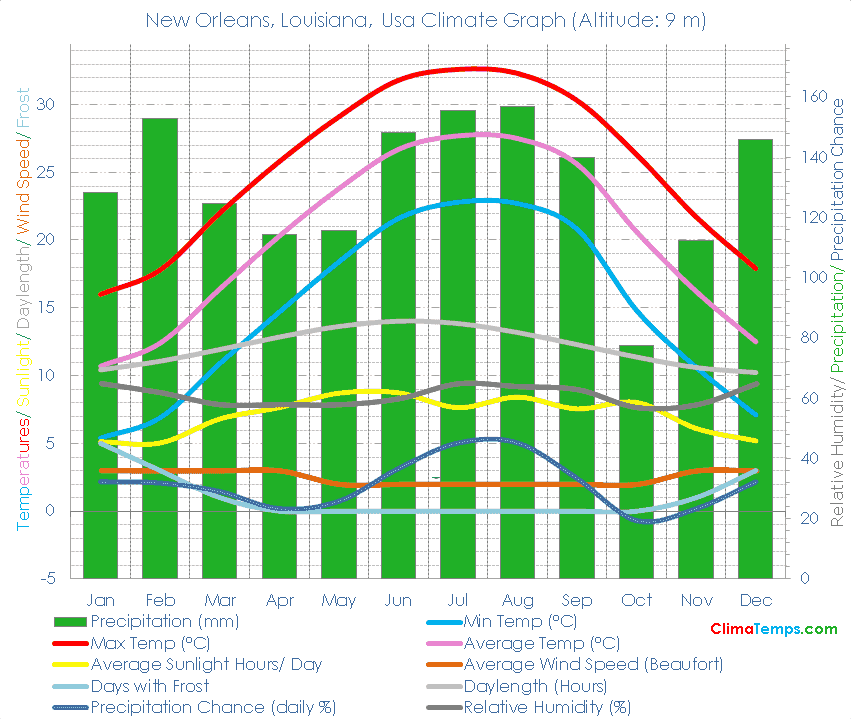
Louisiana’s climate is characterized by a humid subtropical pattern, meaning it experiences hot, humid summers and mild to cool winters. This dichotomy creates distinct seasonal experiences, each with its own set of charms and challenges. The state’s geography, bordered by the Gulf of Mexico to the south and a network of rivers and bayous, significantly influences its temperature fluctuations.
Summer (June – August)
Summers in Louisiana are, by most accounts, hot and humid. Daytime temperatures frequently soar into the 90s Fahrenheit (around 32-37 degrees Celsius), often feeling even hotter due to the high humidity. Overnight lows offer little respite, typically remaining in the high 70s or low 80s Fahrenheit (around 26-29 degrees Celsius). This oppressive heat is a defining characteristic of Louisiana during these months, making air-conditioned spaces a welcome sanctuary and influencing the types of outdoor activities that are most comfortable.
The humidity acts as a significant factor, increasing the “feels like” temperature and contributing to a pervasive sense of mugginess. Afternoon thunderstorms are common, offering temporary relief from the heat with heavy downpours and gusty winds, but they typically do not bring sustained cooling. This weather is ideal for those who enjoy vibrant nightlife and indoor attractions, such as the museums and jazz clubs of New Orleans. However, outdoor activities like swamp tours or exploring historical plantations require careful planning, often best undertaken in the early morning or late evening.
Autumn (September – November)
As summer fades, Louisiana transitions into its autumn season, which is often considered one of the most pleasant times to visit. The intense heat and humidity of summer begin to recede, giving way to milder temperatures and lower humidity levels. September can still carry the warmth of summer, with average highs in the low 80s Fahrenheit (around 27-29 degrees Celsius), but by October and November, daytime temperatures often settle into the comfortable 60s and 70s Fahrenheit (around 15-25 degrees Celsius).
Evenings become noticeably cooler, making them perfect for enjoying outdoor dining or evening strolls. This period is ideal for exploring the state’s numerous festivals, including the Louisiana Seafood Festival or the artistic celebrations in towns like Lafayette. The foliage, while not as dramatic as in more northern states, offers a subtle beauty with changing leaf colors in the northern parts of the state. The reduced humidity makes outdoor exploration of the Atchafalaya Basin or the historic streets of Natchitoches particularly enjoyable.
Winter (December – February)
Louisiana winters are generally mild, though they can experience periods of cold snaps. Average daytime temperatures in December and January typically range from the high 50s to low 60s Fahrenheit (around 10-15 degrees Celsius), with nights dipping into the 30s and 40s Fahrenheit (around 4-9 degrees Celsius). Freezing temperatures are not uncommon, especially in the northern parishes, and occasional light frost or even a dusting of snow can occur, though significant snowfall is rare.
The humidity is considerably lower in winter, making the air feel crisp and cool. This season is perfect for exploring historical sites, enjoying the culinary delights of New Orleans, or experiencing the unique cultural events that take place during this time, such as the early preparations for Mardi Gras in some cities. It’s also a great time for birdwatching in the coastal marshes, as migratory birds flock to the region. While the climate is mild, it’s wise to pack layers, as the weather can be unpredictable.
Spring (March – May)
Spring in Louisiana is a period of vibrant renewal, marked by a steady increase in temperature and a return of humidity. March often begins with cool days reminiscent of winter, but by April and May, daytime temperatures are comfortably in the 70s and 80s Fahrenheit (around 21-32 degrees Celsius). The humidity gradually builds throughout the season, and like summer, spring can bring frequent, often intense, thunderstorms.
This season is a fantastic time for outdoor activities. The blooming flowers and lush greenery create a picturesque backdrop for exploring state parks, visiting botanical gardens like the New Orleans Botanical Garden, or enjoying boat tours through the bayous. Spring also heralds the beginning of many outdoor festivals and events, capitalizing on the pleasant weather before the full intensity of summer arrives. The famous Mardi Gras season, which often begins in late January or February, extends into early spring in some years, making it a key attraction.

Factors Influencing Louisiana’s Temperature
The temperature in Louisiana is not solely dictated by the seasons; several geographical and atmospheric factors contribute to its unique climate. Understanding these influences provides a deeper appreciation for the state’s weather patterns.
Proximity to the Gulf of Mexico
The Gulf of Mexico is the dominant geographical feature influencing Louisiana’s climate. Its large body of water acts as a moderator of temperature, preventing extreme drops during winter and contributing to the high humidity during warmer months. The warm waters of the gulf are also a source of moisture, fueling the frequent rainfall and thunderstorms that are characteristic of the region. Furthermore, the gulf is a significant factor in the formation and path of tropical storms and hurricanes, which can dramatically impact temperatures and weather conditions, particularly during the late summer and early autumn.
Humidity and Air Masses
Louisiana is frequently influenced by moist air masses originating from the Gulf of Mexico and tropical regions. This influx of warm, humid air is responsible for the high relative humidity experienced for much of the year, especially during summer. In winter, Louisiana can be affected by cooler, drier air masses moving down from the north, bringing more significant temperature drops. The interaction between these contrasting air masses can lead to dynamic weather changes, including severe thunderstorms and sometimes even tornadoes. The pervasive humidity impacts the perceived temperature, making hot days feel hotter and even influencing how quickly the body cools through perspiration.
Inland vs. Coastal Variations
While Louisiana is a relatively small state, there are noticeable temperature differences between its coastal and inland regions, and between its northern and southern parishes. Coastal areas tend to experience slightly milder winters and more moderate summer temperatures due to the moderating influence of the Gulf of Mexico. Inland areas, particularly in the northern part of the state, can experience more extreme temperature fluctuations, with hotter summers and cooler winters compared to the coast. Elevation also plays a minor role, with slightly cooler temperatures found at higher elevations in the northwestern part of the state. These variations are subtle but can be significant for planning outdoor activities or choosing a destination within Louisiana.
Impact of Temperature on Louisiana’s Attractions and Activities
The distinct temperature patterns in Louisiana profoundly influence the types of experiences available to visitors and residents throughout the year. The climate dictates not only what one wears but also what one can comfortably do.
Summer Activities: Embracing the Heat
Despite the heat and humidity, summer in Louisiana is far from dormant. The season is ideal for enjoying the vibrant cultural tapestry of cities like New Orleans. Indoor attractions such as the National WWII Museum, the Audubon Aquarium of the Americas, and the countless jazz clubs and restaurants offer respite from the midday sun. Evenings come alive with street music, culinary exploration, and the general joie de vivre that characterizes Louisiana. For those seeking outdoor adventure, early morning or late evening swamp tours through the Atchafalaya Basin or along the Mississippi River offer a chance to experience the unique ecosystem. Many hotels and resorts feature expansive swimming pools, providing a cooling escape.
Autumn and Spring: The Sweet Spot for Exploration
Autumn and spring represent the “sweet spot” for exploring Louisiana. The pleasant temperatures and reduced humidity make these seasons perfect for a wide range of activities. Outdoor enthusiasts can explore the state’s numerous state parks, such as Poverty Point World Heritage Site or Lake Martin, with comfortable hiking and wildlife viewing opportunities. Cycling through the historic streets of cities like St. Francisville or the scenic routes of Acadiana is also highly enjoyable.
This is also the prime time for festivals. From food-focused events celebrating crawfish and oysters to music festivals showcasing Cajun and zydeco rhythms, the calendar is packed. Visiting plantations like the Oak Alley Plantation or exploring charming small towns is more comfortable without the oppressive heat of summer. The natural beauty of the state, with blooming flora in spring and subtle autumnal colors in the fall, provides a stunning backdrop for any exploration.
Winter Activities: A Milder Pace
Louisiana’s mild winters offer a different, yet equally appealing, experience. The cooler, drier air is ideal for extensive exploration of historical sites without the discomfort of heat. This is a prime time to delve into the rich history of New Orleans, from the historic French Quarter to the solemn grounds of Cemeteries. Exploring the antebellum homes in St. Francisville or Natchez (across the border in Mississippi but a common day trip) becomes a more pleasant endeavor.
The culinary scene thrives year-round, but winter offers a chance to savor heartier dishes like gumbo and étouffée without the overwhelming heat. It’s also a good time for birdwatching, especially in the coastal marshes where migratory birds gather. While the famous Mardi Gras season truly kicks into high gear in late winter, the lead-up and early celebrations can be enjoyed in a slightly less crowded and more temperate environment. For those seeking a less frenetic pace, winter provides an excellent opportunity to appreciate the unique culture and history of Louisiana.
LifeOutOfTheBox is a participant in the Amazon Services LLC Associates Program, an affiliate advertising program designed to provide a means for sites to earn advertising fees by advertising and linking to Amazon.com. Amazon, the Amazon logo, AmazonSupply, and the AmazonSupply logo are trademarks of Amazon.com, Inc. or its affiliates. As an Amazon Associate we earn affiliate commissions from qualifying purchases.