
When travelers envision Hawaii, the mental image is almost always one of perpetual sunshine, swaying palm trees, and a balmy breeze that feels like a warm embrace. While this idyllic postcard version of the United States 50th state is largely accurate, the reality of the temperature in the Pacific Ocean archipelago is far more nuanced. Understanding the thermometer’s fluctuations is essential for any visitor planning to explore the diverse landscapes of Oahu, Maui, Kauai, or Hawaii Island. The temperature of Hawaii is not just a measurement of heat; it is a fundamental element of the local tourism experience, dictating everything from the ripening of tropical fruits to the massive winter swells that draw world-class surfers.
Understanding Hawaii’s Unique Microclimates
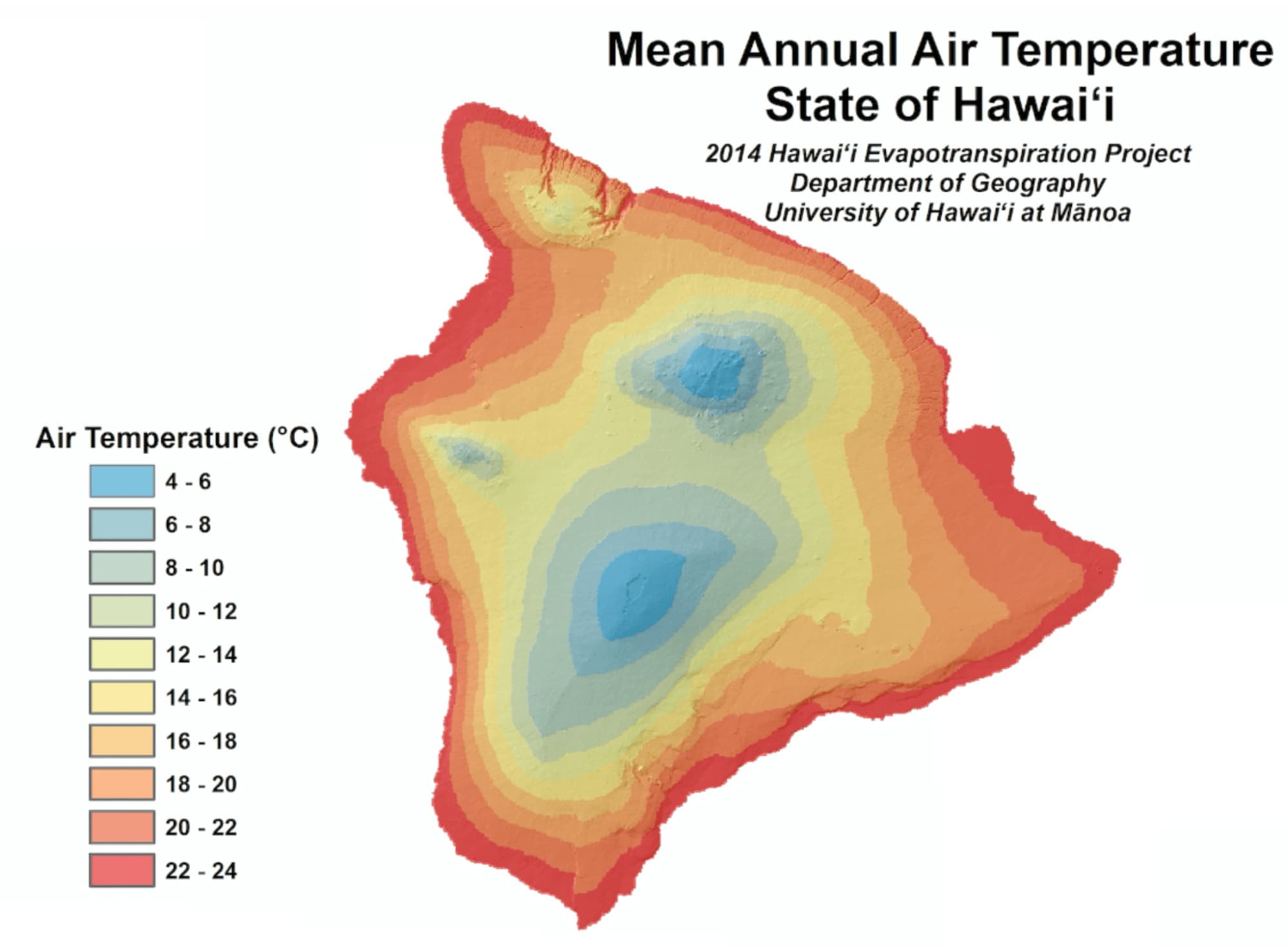
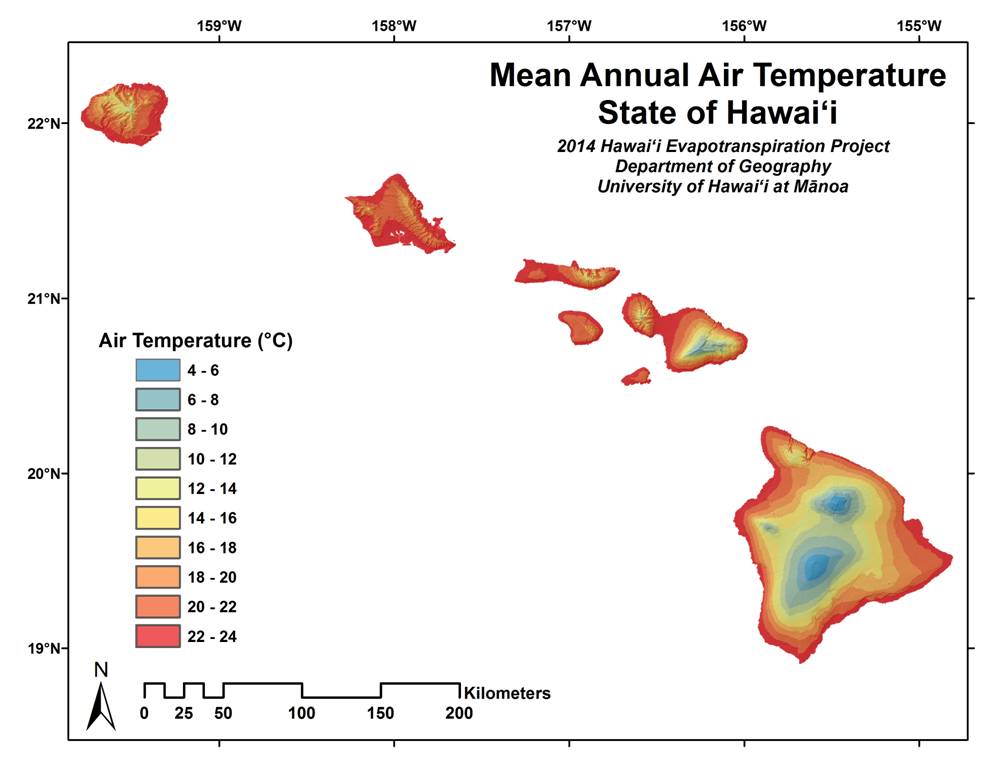
The most fascinating aspect of Hawaii is that it does not possess a single, uniform climate. In fact, experts often note that the islands contain a staggering variety of the world’s climate zones, ranging from tropical humid environments to arid deserts and even polar tundra. This diversity is primarily driven by the dramatic topography of the volcanic peaks and the consistent influence of the trade winds.
The Trade Winds and Their Cooling Effect
The prevailing northeasterly trade winds are the unsung heroes of Hawaiian tourism. These winds travel thousands of miles across the ocean, picking up moisture and maintaining a relatively consistent temperature. For the average visitor in Honolulu or lounging on Waikiki Beach, the trade winds provide a natural air-conditioning system that prevents the tropical heat from becoming oppressive. When the trade winds die down—a phenomenon often replaced by “Kona winds” from the south or west—the humidity can rise, making the air feel significantly heavier and warmer than the actual degree reading suggests.
Leeward vs. Windward Sides
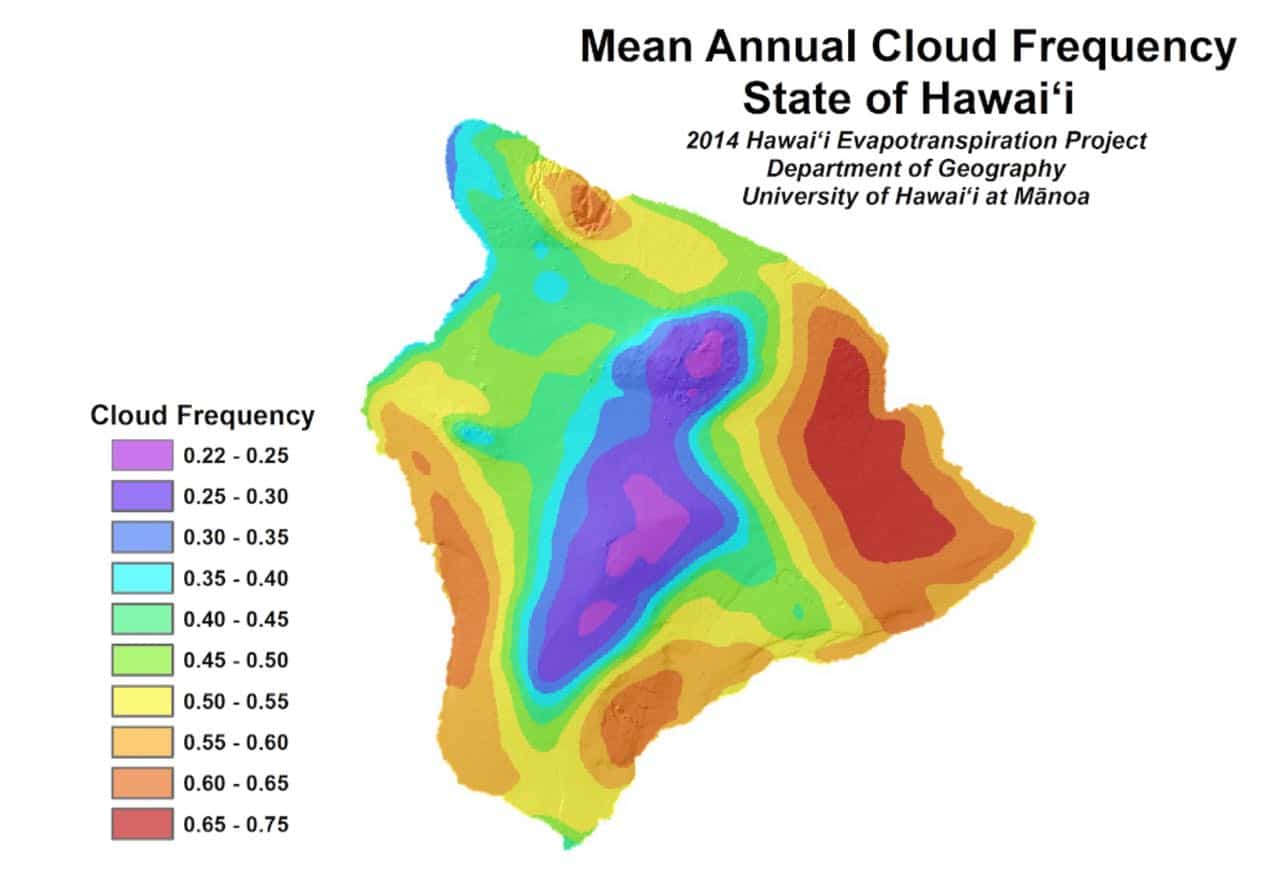
Every major island has a “windward” and a “leeward” side, and the temperature and moisture levels differ drastically between them. The windward sides (north and east) are typically cooler and wetter, as the mountains force the incoming trade winds upward, causing clouds to form and rain to fall. Places like Hilo on Hawaii Island or Hanalei Bay on Kauai are famous for their lush, emerald-green scenery precisely because of this frequent precipitation.
In contrast, the leeward sides (south and west) are protected by the mountains. Here, the air is drier, the skies are clearer, and the temperatures are consistently higher. Most major resort areas, such as Kona on the Big Island or Kaanapali in Maui, are located on the leeward coasts to ensure tourists enjoy maximum sunshine and the warmest possible beach weather.
Seasonal Variations: Summer and Winter in Paradise
While Hawaii does not experience the extreme seasonal shifts found in the continental United States, locals and frequent visitors recognize two distinct seasons: Kau (summer) and Hoʻoilo (winter).
The Kau Season (Summer)
From May to October, Hawaii experiences its warmest months. During this period, the average daytime temperature at sea level typically hovers around 85°F (29°C). The sun is high, and the days are long, making it the peak time for sunbathers and families. During this season, the ocean is generally calmer across all shores, and the water temperature rises to a comfortable 80°F (27°C). Tourism during the summer often focuses on snorkeling at Hanauma Bay or taking boat tours along the Na Pali Coast, as the heat is perfectly balanced by the inviting ocean waters.
The Hoʻoilo Season (Winter)
From November to April, the temperature drops slightly, though it remains incredibly mild by global standards. Daytime highs usually average about 78°F (25°C). While the temperature change is minimal, the “winter” season brings more variability in weather patterns. This is the rainy season, though rain in Hawaii often manifests as short, refreshing tropical showers followed by rainbows.
For many tourists, winter is the most exciting time to visit. This is when the northern swells arrive, creating the legendary waves on the North Shore of Oahu. While visitors may need a light sweater for the evenings in Lahaina or Poipu, the daytime remains warm enough for almost all outdoor activities. Winter is also the prime season for whale watching, as Humpback whales migrate to the warm Hawaiian waters to mate and give birth.
Planning Your Activities Based on the Temperature
The temperature of Hawaii is a primary factor in scheduling your itinerary. Depending on whether you want to explore the depths of the sea or the heights of the mountains, you will encounter vastly different thermal environments.
Water Activities and Ocean Temperatures
The Pacific Ocean surrounding the islands is remarkably stable. It varies only about 5 to 6 degrees throughout the entire year. This stability is a cornerstone of the tourism industry. Whether you are visiting Pearl Harbor National Memorial for a boat tour or scuba diving off the coast of Molokai, the water will almost always be between 74°F and 80°F. For most, this means a wetsuit is rarely necessary for casual swimming, though it is often recommended for longer snorkeling sessions or deeper dives to prevent core temperature drops.
High-Altitude Exploration: Haleakala and Mauna Kea
The most common mistake tourists make is assuming that the entire state shares the temperature of Waikiki. If you plan to visit the summit of Haleakala National Park on Maui to watch the sunrise, you must prepare for temperatures that can plummet to near freezing. At 10,023 feet above sea level, the air is thin and cold.
Even more extreme is Mauna Kea on the Big Island. At nearly 14,000 feet, it is not uncommon to see snow on the peaks during the winter months. Tourists who take the drive from the sunny beaches of Kona to the summit of Mauna Kea will experience a temperature drop of 40 to 50 degrees in a single afternoon. This makes Hawaii one of the few places on earth where you can technically ski and surf on the same day.
Tourism Tips: Packing and Staying Safe in the Heat
Given the consistent warmth and the intensity of the tropical sun, savvy travelers should plan their gear and daily habits accordingly.
Sun Protection and Hydration
The temperature in Hawaii can be deceptive because of the trade winds. Even if you feel cool, the UV index is exceptionally high due to the islands’ proximity to the equator. Tourists are strongly encouraged to use reef-safe sunscreen to protect the delicate marine ecosystems at places like Molokini Crater. Wide-brimmed hats and polarized sunglasses are essential for those spending the day at Diamond Head or hiking the trails of Waimea Canyon State Park.
Cultural Etiquette and Island Attire
The local culture is heavily influenced by the climate. The “Aloha Shirt” and the “Muʻumuʻu” are not just tourist clichés; they are practical garments designed for air circulation and comfort in a humid environment. In most parts of Hawaii, formal wear is rare because the temperature simply doesn’t support it. “Island Casual” is the standard even for high-end dining in Kapalua. When visiting local sites or participating in a luau, breathable fabrics like cotton and linen are your best friends.
Regional Highlights and Their Specific Climates
Each island offers a slightly different “flavor” of Hawaiian weather, which can influence where a tourist chooses to stay.
The Sunny Shores of Waikiki and Kona
If your goal is a classic beach vacation with guaranteed heat, Oahu and the western side of the Big Island are your best bets. Honolulu is famous for its “perfect” weather—mostly sunny with just enough breeze. Kona is known for its volcanic landscape and warm, dry air, making it ideal for coffee plantation tours and evening manta ray swims.
The Lush Valleys of Kauai and Hilo
For those who don’t mind a bit of rain in exchange for breathtaking scenery, Kauai is unparalleled. Mount Waialeale is frequently cited as one of the wettest spots on earth, and the runoff creates the magnificent waterfalls seen in many films. The temperature here is slightly cooler than the leeward coasts, making it perfect for active tourism, such as hiking the Kalalau Trail.
Meanwhile, Hilo offers a more authentic, local feel. The higher rainfall keeps the temperatures slightly lower and the humidity higher, fostering a garden-like atmosphere throughout the town. This environment is the backdrop for the famous Merrie Monarch Festival, where the weather contributes to the growth of the beautiful flora used in traditional hula adornments.
Whether you are seeking the heat of the lava fields or the cool mist of a rainforest, the temperature of Hawaii provides a dynamic and inviting backdrop for every type of traveler. By understanding these patterns, visitors can better appreciate the natural rhythms of the islands and ensure their tropical getaway is as comfortable as it is memorable.
LifeOutOfTheBox is a participant in the Amazon Services LLC Associates Program, an affiliate advertising program designed to provide a means for sites to earn advertising fees by advertising and linking to Amazon.com. Amazon, the Amazon logo, AmazonSupply, and the AmazonSupply logo are trademarks of Amazon.com, Inc. or its affiliates. As an Amazon Associate we earn affiliate commissions from qualifying purchases.