
Asking for the current temperature in Alaska is akin to asking for the temperature in Europe—it’s a vast and geographically diverse region where conditions can vary dramatically from one location to another, even within the same day. Alaska, the largest state in the United States, spans multiple climate zones, from temperate rainforests along its southeastern coast to arid Arctic tundras in the far north. Therefore, providing a single, definitive temperature for all of Alaska at any given moment is impossible and misleading. For travelers planning a journey to the Last Frontier, understanding these climatic nuances is paramount to a successful and enjoyable experience. This guide delves into Alaska’s varied weather patterns, helping you interpret what “the temperature right now” truly means for your adventure.
Navigating Alaska’s Diverse Climates: More Than Just One Temperature
Alaska’s immense size and unique geography—including mountain ranges, coastlines, and vast interior plains—contribute to its complex and often extreme climate variations. Instead of a uniform temperature, visitors should prepare for vastly different conditions depending on their chosen destination within the state.
Coastal Regions: Mild and Maritime Influences
The panhandle and south-central coastal areas, encompassing cities like Juneau, Ketchikan, and Sitka, experience a maritime climate. This means relatively mild winters with temperatures typically hovering around freezing (30s-40s°F / -1 to 5°C) and cooler, often rainy summers (50s-60s°F / 10-18°C). Precipitation is abundant here, contributing to lush temperate rainforests. Travelers visiting these regions, often by cruise ship, should always pack waterproof and windproof gear, even in summer. The constant moisture means that while temperatures might not be exceptionally low, the dampness can make it feel colder. Winters, while not as frigid as the interior, bring significant snowfall and frequent cloudy days. Summer offers long daylight hours, making it ideal for exploring the natural beauty, fishing, and kayaking without the extreme heat found in other parts of the world. Even on a clear summer day, a light jacket is advisable, as conditions can change rapidly.
Interior Alaska: Extreme Continental Swings
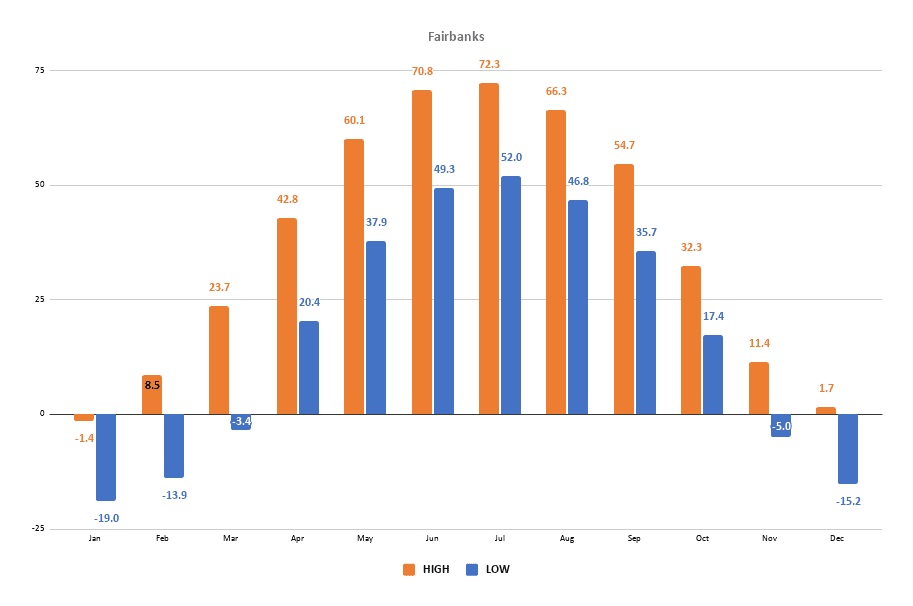
Moving inland, particularly to cities like Fairbanks and the region surrounding Denali National Park, the climate becomes continental. This zone is characterized by dramatic temperature fluctuations between seasons. Winters are notoriously cold, often plummeting to -20°F to -40°F (-29°C to -40°C) or even lower, with sparse snowfall compared to coastal areas. Summers, however, can be surprisingly warm, with daytime temperatures frequently reaching the 70s°F (20s°C) and occasionally climbing into the 80s°F (high 20s°C). The interior also experiences distinct periods of “midnight sun” in summer, with nearly 24 hours of daylight, and very short, dark days in winter. Travelers here in summer can enjoy extensive hiking, exploring national parks, and vibrant cultural events. Winter, despite the cold, is prime time for viewing the aurora borealis, dog mushing, and other snow-based activities, provided one is equipped with extreme cold-weather gear. The dry cold of the interior, while intense, can sometimes feel less piercing than the damp cold of the coast.
Southcentral Alaska: A Blend of Both Worlds
The south-central region, home to Anchorage, Seward, and Girdwood, offers a transitional climate that combines elements of both maritime and continental influences. This area generally experiences distinct but moderate seasons compared to the extremes found elsewhere in Alaska. Summers are pleasant, typically in the 60s°F (15-20°C), making it a popular base for exploring nearby national parks, fishing, and cruising Prince William Sound. Winters are cold, usually in the teens and 20s°F (-12 to -1°C), with considerable snowfall, creating ideal conditions for skiing, snowshoeing, and ice skating. The Chugach Mountains play a significant role here, influencing local weather patterns and creating microclimates. This region serves as a gateway to many Alaskan adventures, and its relatively milder temperatures make it accessible for a wider range of activities year-round. Given its central location, it’s often the starting point for many Alaskan tours, meaning travelers will likely encounter a blend of weather conditions as they venture out.
Arctic and Western Alaska: The Harsh Frontier
The northernmost and westernmost reaches of Alaska, including towns like Utqiagvik (formerly Barrow) and Nome, are defined by an Arctic climate. This environment is characterized by permafrost, long, intensely cold, and dark winters, and short, cool summers. Winter temperatures often average well below 0°F (-18°C), frequently dropping to -30°F (-34°C) or colder. Summers are brief and chilly, with temperatures rarely rising above the 40s°F (5-10°C), even under constant daylight. Travel to these regions is highly specialized, appealing to adventure seekers interested in unique cultural experiences with Indigenous communities, wildlife viewing (polar bears, muskoxen), and experiencing the true Arctic wilderness. Extreme preparedness, including specialized cold-weather gear and careful planning, is absolutely essential here, regardless of the season.
Seasonal Travel in Alaska: What to Expect
Understanding the season is just as crucial as knowing the general region when considering Alaska’s temperature. Each season offers a distinct set of experiences and demands different preparations.
Summer (June-August): The Golden Window
This is Alaska’s peak travel season, and for good reason. Temperatures are at their warmest, ranging from the 50s°F (10s°C) in coastal areas to the 70s°F (20s°C) in the interior, sometimes even higher. The state bursts with vibrant life, flora, and fauna, taking full advantage of the extended daylight, including the famous “midnight sun” that graces the northern regions. All major attractions, like Denali National Park, are fully accessible, and activities such as hiking, fishing, wildlife viewing (bears, moose, caribou, whales), and cruising are in full swing. Travelers can enjoy comfortable conditions for outdoor exploration, though layers remain crucial for fluctuating temperatures and breezy conditions, especially on water excursions.
Autumn (September-October): A Brief, Beautiful Transition
As summer fades, Alaska transforms into a tapestry of golden hues. Temperatures begin to cool significantly, typically ranging from the 30s°F to 50s°F (0s to 10s°C). This brief shoulder season offers unique advantages: fewer crowds, stunning fall foliage, and the return of dark nights, making it an excellent time for early aurora borealis viewing, especially in the interior around Fairbanks. Some remote lodges and tour operators might begin to close for the season, so advance planning is important. Proper layering for cold, wet conditions becomes increasingly vital during this time.
Winter (November-March): Wonderland of Ice and Snow
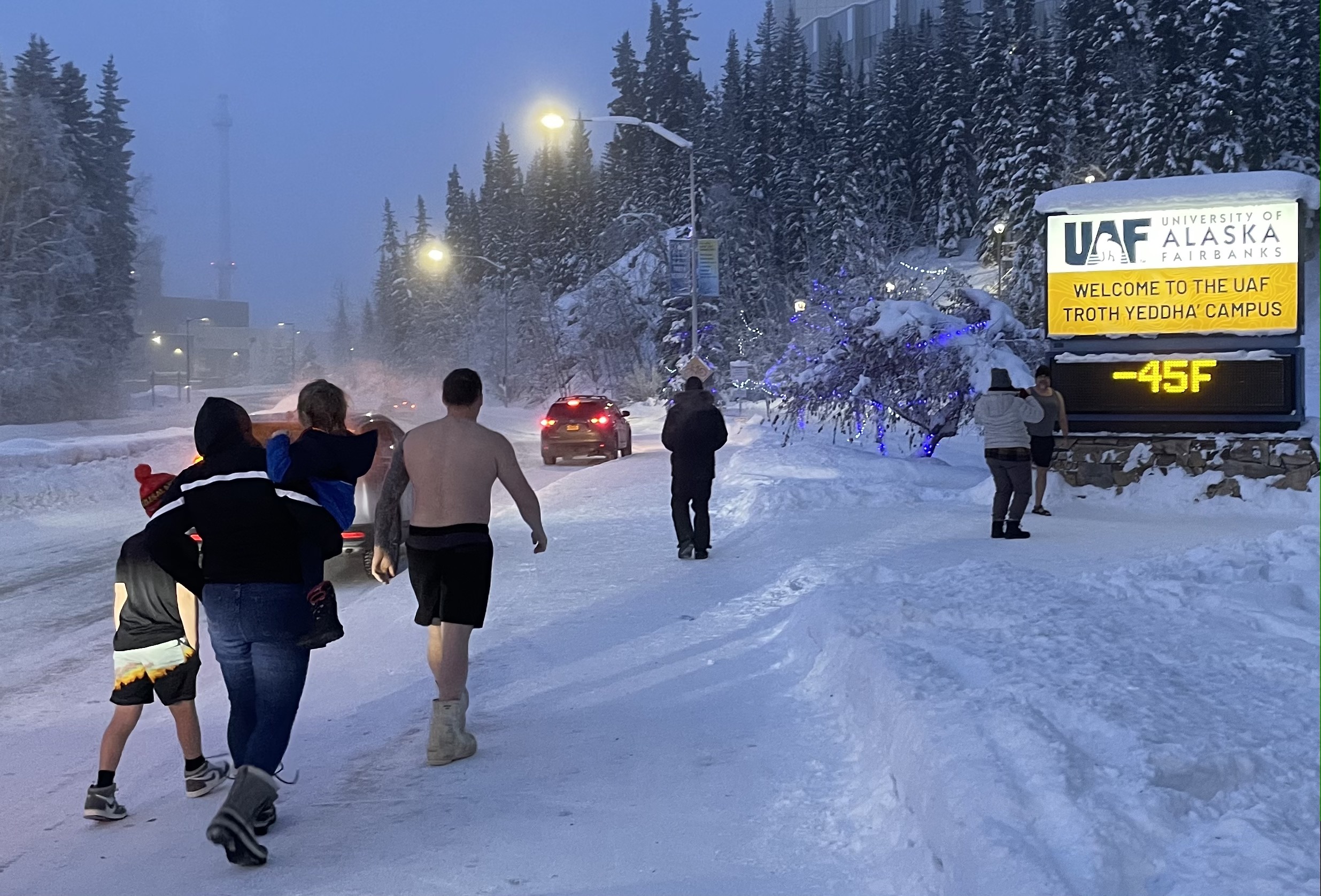
Alaska in winter is a magical, albeit challenging, experience. Temperatures vary widely by region, from relatively mild (teens-20s°F / -12 to -1°C) in south-central to extreme cold (-20s- -40s°F / -30s- -40s°C) in the interior and Arctic. This is the prime season for winter sports like skiing (resorts like Girdwood thrive), snowboarding, dog mushing, ice fishing, and witnessing the breathtaking northern lights. Days are short, and in the far north, the sun may not rise at all for weeks. Despite the cold, the landscapes are pristine and serene. Traveling in winter demands serious preparation, including specialized insulated clothing, appropriate footwear, and an understanding of cold-weather safety.
Spring (April-May): Awakening from Slumber
Spring is a season of transition, often referred to as “breakup” as ice melts and landscapes begin to emerge from under snow. Temperatures are warming, typically ranging from the 30s°F to 50s°F (0s to 10s°C), but conditions can be highly unpredictable, with mud, slush, and lingering snow. Wildlife begins to emerge, and migratory birds return, making it an interesting time for nature enthusiasts. This shoulder season can offer good deals on travel and accommodation, but access to some remote areas or trails might still be limited by snow or mud. Travelers should be prepared for a mix of winter and summer conditions, including rain, snow, and increasingly longer daylight hours.
Essential Packing and Preparation Based on Temperature
Given the variability across Alaska, smart packing is non-negotiable for any traveler. Your gear selection will be heavily influenced by your specific destinations and the time of year.
Layering is Key: The Alaskan Mantra
Regardless of the season, the principle of layering is fundamental. This allows you to adapt to rapidly changing temperatures and activity levels. Start with a moisture-wicking base layer (merino wool or synthetic, never cotton), add an insulating mid-layer (fleece or down), and top it with a waterproof and windproof outer shell. This system provides maximum flexibility and protection against rain, wind, and fluctuating temperatures.
Footwear and Accessories
Sturdy, waterproof hiking boots are essential for most Alaskan adventures, even in summer, due to potentially wet and uneven terrain. Warm, moisture-wicking socks are equally important. In winter, insulated, waterproof boots are critical. Don’t forget a warm hat that covers your ears, gloves or mittens (especially crucial in colder months), and sunglasses to protect against glare, particularly from snow or water. For winter travel, hand warmers can be a lifesaver.
Monitoring Real-Time Conditions
While this guide provides a general overview, actual “right now” temperatures and forecasts are dynamic. Before and during your trip, utilize reliable weather resources. The National Weather Service provides detailed forecasts for various regions across Alaska. Specific local forecasts for your destinations, such as Talkeetna or Valdez, are crucial for day-to-day planning. Websites and apps that offer hourly forecasts and radar can help you stay prepared for any sudden shifts in weather.
Beyond the Thermometer: Experiencing Alaska’s Climate
The temperature in Alaska is more than just a number; it dictates the very rhythm of life and the nature of the travel experiences available.
The Phenomenon of Daylight and Darkness
Alaska’s high latitude means extreme variations in daylight hours. In summer, the “midnight sun” allows for extended outdoor activities well into the night, blurring the lines between day and evening. In contrast, winter brings long periods of darkness, which, while cold, are essential for experiencing the ethereal dance of the aurora borealis. These unique light conditions profoundly influence energy levels, sleep patterns, and the scheduling of tours and activities, regardless of the exact temperature.
Wildlife Adaptations and Viewing
The seasonal temperature cycles directly impact Alaska’s abundant wildlife. Bears emerge from hibernation as spring temperatures rise, seeking food to replenish lost fat. Moose and caribou migrations are often tied to snow depth and the availability of forage, which are temperature-dependent. Knowing the temperature and season can guide your wildlife viewing opportunities, from whale watching in warmer coastal waters to spotting Dall sheep on mountain slopes.
Geological and Glacial Impacts
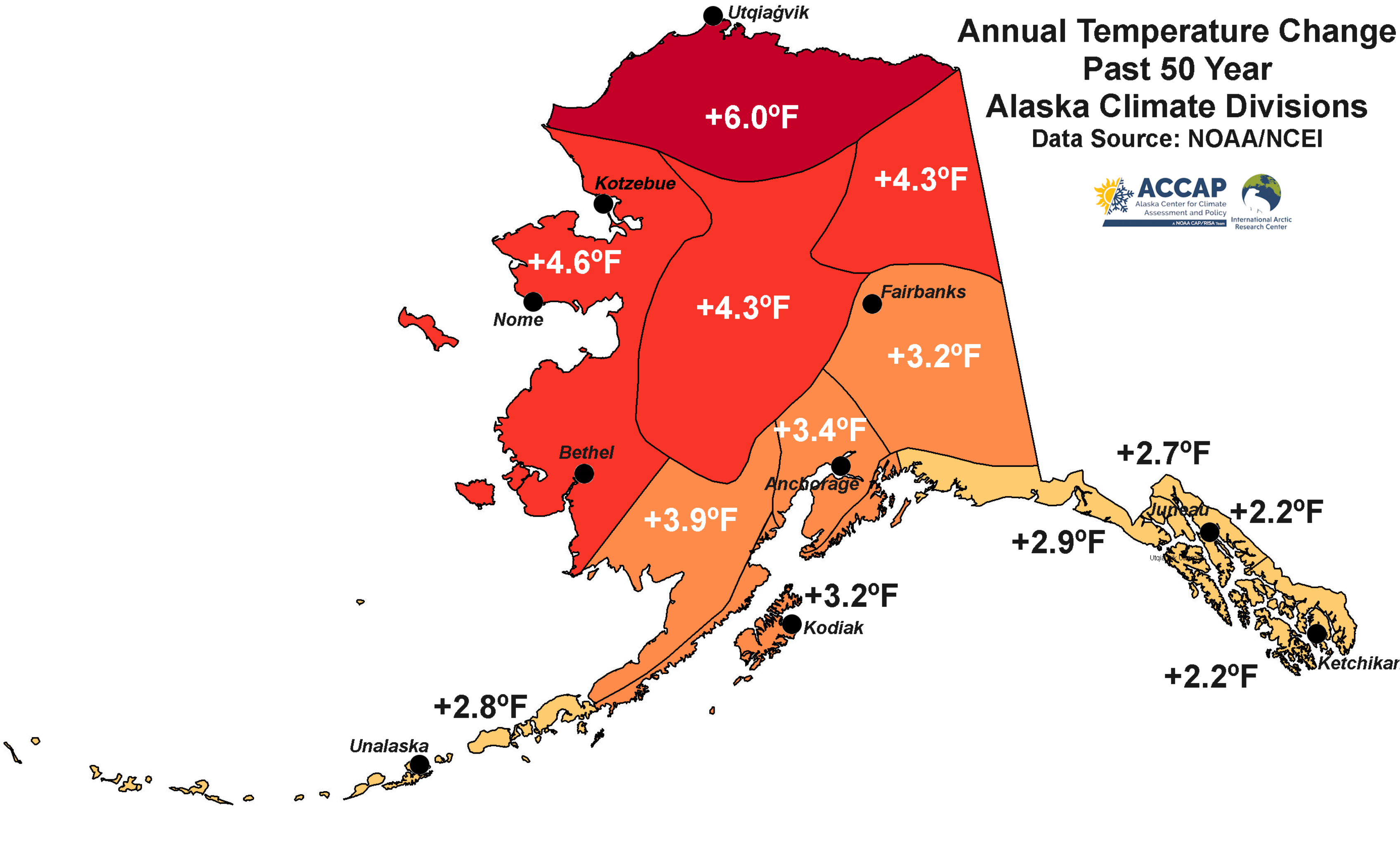
Alaska‘s stunning glaciers, like those in Glacier Bay National Park or Prince William Sound, are direct products of its cold climate. Temperature influences glacial melt rates, iceberg calving, and accessibility to these natural wonders. The presence of permafrost in the Arctic dictates the landscape and infrastructure, showcasing how deeply integrated temperature is with the very geology of the state.
In conclusion, when contemplating “What is the temperature right now in Alaska?”, embrace the understanding that you are asking about a dynamic, multifaceted environment. Alaska is a land of extremes and subtle shifts, where temperature is not just a measurement but a fundamental component of its unique allure. By preparing for its diverse climates and understanding its seasonal rhythms, you can ensure your journey into the heart of the Last Frontier is as comfortable and memorable as the destination itself.
LifeOutOfTheBox is a participant in the Amazon Services LLC Associates Program, an affiliate advertising program designed to provide a means for sites to earn advertising fees by advertising and linking to Amazon.com. Amazon, the Amazon logo, AmazonSupply, and the AmazonSupply logo are trademarks of Amazon.com, Inc. or its affiliates. As an Amazon Associate we earn affiliate commissions from qualifying purchases.