
Embarking on a journey through the Golden State, travelers often ponder many aspects of their adventure, from booking the perfect stay to mapping out scenic routes. Yet, one question consistently surfaces, particularly for those planning a road trip or extensive exploration: “How much does gas cost in California?” The answer, while never static, is almost invariably “more than you’d expect.” California is renowned for its stunning landscapes, vibrant cities, and diverse attractions, but it also holds the distinction of having some of the highest fuel prices in the United States. This reality is a crucial consideration for anyone budgeting a trip, influencing everything from the choice of vehicle to the length of daily drives.

Understanding the dynamics behind California’s elevated gas prices is key to navigating its roads efficiently and without financial surprises. It’s not just a matter of fluctuating global oil markets; a unique confluence of state-specific taxes, stringent environmental regulations, and isolated refinery capacity contributes to the consistently higher pump prices. For the savvy traveler, being informed about these factors and equipped with strategies to mitigate costs can transform a potentially budget-straining aspect of their trip into a manageable one. This guide will delve into the reasons behind California’s gas costs, offer practical tips for saving money on fuel, and provide insight into regional price variations, ensuring your California adventure remains both memorable and economical.
Understanding California’s Gas Price Landscape
California’s position as a leader in fuel prices isn’t a recent development; it’s a long-standing characteristic that travelers must factor into their plans. While national averages fluctuate with global oil prices and seasonal demand, California consistently remains at the top, often seeing prices $1.00 to $2.00 per gallon higher than the national average. This premium reflects a complex interplay of state-specific policies and market conditions. For instance, if the national average hovers around $3.50 per gallon, expect to pay anywhere from $4.50 to $5.50 or more in many parts of California. These figures are, of course, snapshots in time, influenced by everything from geopolitical events to local refinery maintenance schedules.
For travelers, this means that a significant portion of their travel budget, especially for extended road trips, will be allocated to fuel. A trip from Los Angeles to San Francisco and back, for example, involving hundreds of miles, can easily accumulate substantial fuel expenses that might be twice what one would expect in a state like Texas or Oklahoma. This reality underscores the importance of not just acknowledging the higher prices but actively integrating fuel cost management into your trip planning. Ignoring this aspect can lead to unexpected overspending, potentially detracting from the overall enjoyment of the journey. Understanding the underlying causes is the first step toward effective mitigation strategies.
Key Factors Driving California’s High Gas Prices
The persistent premium on gas prices in California isn’t due to a single factor but a combination of unique circumstances and policy choices. These elements collectively create an environment where fuel is inherently more expensive to produce, distribute, and sell within the state.
Taxes and Regulations
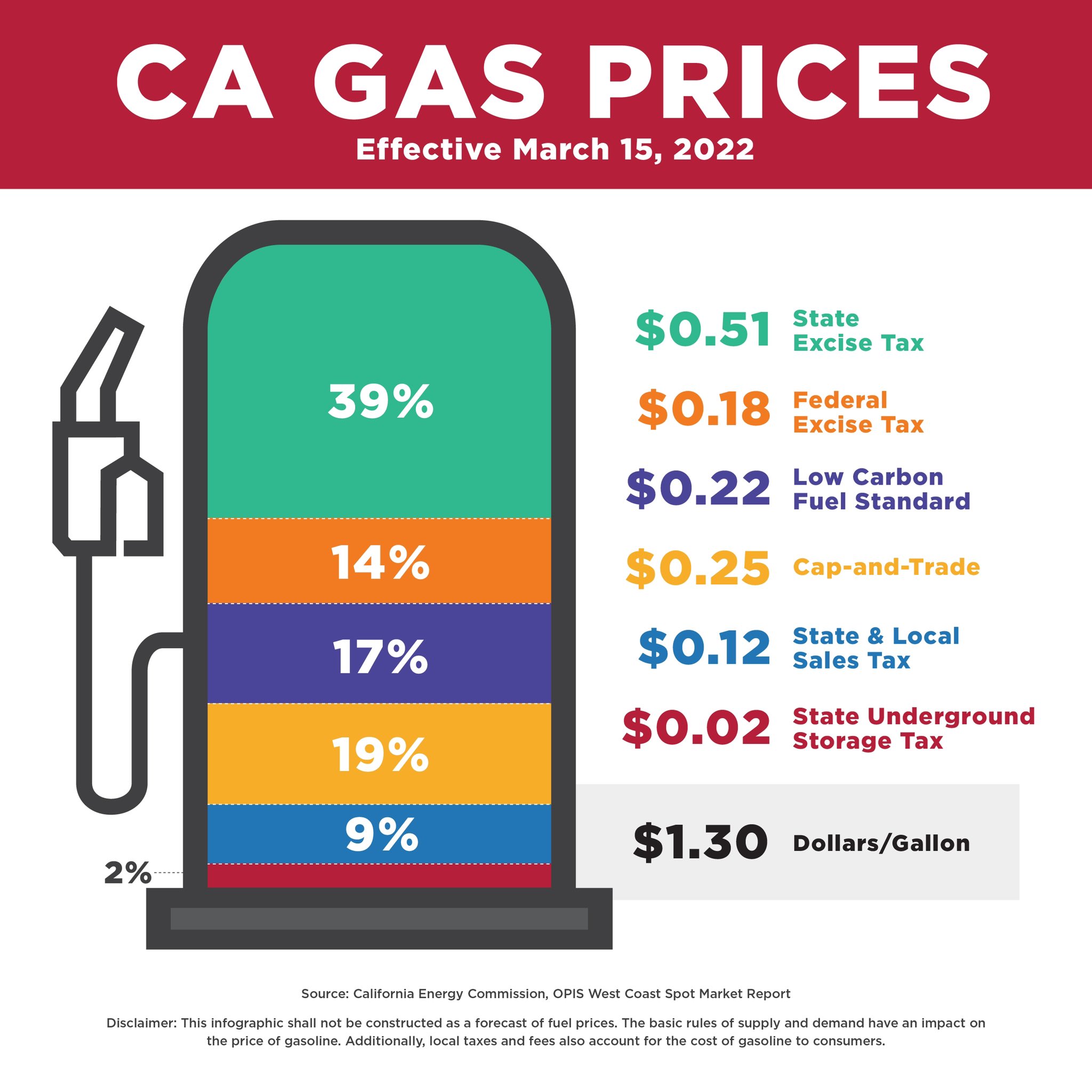
One of the most significant contributors to California’s high gas prices is its comprehensive array of state and local taxes, fees, and regulatory costs. California imposes a substantial excise tax on gasoline, which is among the highest in the nation. This tax, along with sales taxes, underground storage tank fees, and a “cap-and-trade” program fee, all add up at the pump. The cap-and-trade program, designed to reduce greenhouse gas emissions, requires fuel producers to purchase allowances for their carbon emissions, a cost that is inevitably passed on to consumers. Furthermore, the state’s commitment to funding infrastructure projects through gas taxes means these rates are often adjusted, typically upwards, to maintain revenue streams. These legislative and regulatory frameworks, while serving critical state objectives like environmental protection and infrastructure development, undeniably inflate the final price consumers pay for a gallon of gas.
Unique Fuel Blends and Environmental Standards
California is renowned for its stringent environmental standards, particularly concerning air quality. To combat smog and air pollution, the California Air Resources Board (CARB) mandates unique fuel formulations that burn cleaner than conventional gasoline sold elsewhere in the country. This “CARB gasoline” requires specialized additives and a more complex refining process, making it more expensive to produce. There are even different blends required for summer and winter to optimize performance under varying temperature conditions. These specific requirements mean that many refineries outside of California cannot produce the state’s exact blend, limiting supply to in-state production and a few specialized refineries in neighboring states. This creates a somewhat isolated market, where demand for this specific fuel type often outstrips readily available supply, particularly during unexpected refinery shutdowns or maintenance, leading to rapid price spikes.
Limited Refinery Capacity and Supply Chain Issues
Despite being a large state with significant fuel consumption, California has a relatively limited number of operational refineries, primarily concentrated in the Los Angeles and San Francisco Bay Areas. These refineries are crucial for producing the unique CARB-compliant fuel. However, they operate at high utilization rates, meaning there’s little spare capacity. Any unscheduled maintenance, accidents, or planned shutdowns can immediately impact supply across the entire state, causing wholesale prices to surge, which is quickly reflected at the pumps. Furthermore, California’s geography and infrastructure also contribute to supply chain complexities. The state is largely isolated from national fuel pipeline networks, relying heavily on its own production or costly shipments by tanker. This insular market makes it vulnerable to local supply shocks that would have less impact in states with more integrated pipeline systems and diverse refinery sources.
Strategies for Managing Gas Costs on Your California Trip
While California’s gas prices are high, smart planning and conscious choices can significantly mitigate the impact on your travel budget. Adopting these strategies will allow you to explore the state’s beauty without constant worry about your fuel gauge.
Utilize Gas Price Comparison Apps
Before hitting the road or even leaving your hotel, empower yourself with information. Apps like GasBuddy, Waze, or Google Maps can be invaluable tools. These applications aggregate real-time gas prices from stations in your vicinity, allowing you to quickly identify the cheapest options. Prices can vary significantly even within a few blocks, with differences of $0.50 or more per gallon being common between competing stations. Planning your fill-ups by checking these apps can lead to substantial savings over the course of a long trip, especially when traversing urban areas like Los Angeles or San Diego. Make a habit of checking the app when your tank is about a quarter full, giving you time to drive a few extra miles for a better deal rather than being forced to fill up at the nearest, potentially overpriced, station.
Plan Your Route and Fill-Up Strategically
Where you buy gas in California can be just as important as when. Prices are often highest in major metropolitan centers, near popular tourist attractions, and within remote areas like national parks (e.g., Yosemite, Death Valley, or Sequoia National Park) where competition is limited and supply logistics are challenging. Conversely, towns in the Central Valley or along less-traveled interstate exits often offer more competitive prices. Try to fill up before entering these known high-price zones. For example, if you’re driving to Lake Tahoe from Sacramento, consider filling up in Sacramento or a smaller town along the way rather than waiting until you’re in the mountain resort area. Similarly, if you’re approaching San Francisco via the Golden Gate Bridge, filling up in a suburb before crossing can save you money. Always keep your tank topped off when you see a good price, especially if you know you’re headed into an area with fewer stations or higher costs.
Membership Programs and Loyalty Discounts
Many grocery store chains in California, such as Safeway, Ralphs, or Vons, offer loyalty programs that accumulate points based on your grocery purchases. These points can often be redeemed for significant discounts on fuel at their partner gas stations. If you plan on purchasing groceries during your trip, signing up for these free loyalty cards can provide valuable savings at the pump. Additionally, some major gas station brands offer their own loyalty programs or credit cards with fuel discounts. While these might require a bit more commitment, for longer stays or frequent travel, the savings can add up. Even warehouse clubs like Costco or Sam’s Club often have gas stations with prices notably lower than standalone stations, though a membership is required. If you’re already a member, prioritize filling up at these locations when possible.
Drive Efficiently and Consider Alternatives
Your driving habits play a direct role in your fuel consumption. Practicing fuel-efficient driving techniques can significantly extend your gas mileage. This includes avoiding rapid acceleration and hard braking, maintaining a steady speed using cruise control on highways, and adhering to speed limits. Excessive speeding drastically reduces fuel economy. Ensure your tires are properly inflated, as underinflated tires increase rolling resistance and consume more fuel. Lightening your load by removing unnecessary items from your vehicle can also help. For urban explorations, consider utilizing California’s excellent public transportation systems in cities like Los Angeles, San Francisco, and San Diego. Ridesharing services, walking, or cycling can also be viable, cost-effective, and environmentally friendly alternatives to driving, especially for short distances or within dense city centers, allowing you to save your precious fuel for the longer scenic drives.
Regional Variations and Future Outlook
California’s vast size and diverse geography mean that gas prices are far from uniform across the state. Understanding these regional disparities and keeping an eye on broader trends can further refine your fuel management strategy.
Price Discrepancies Across the Golden State
As a general rule, you can expect to pay the highest gas prices in California’s major metropolitan areas and popular tourist destinations. Los Angeles County, the San Francisco Bay Area (including cities like San Jose and Oakland), and coastal regions, particularly picturesque stretches like the Pacific Coast Highway near Big Sur, often feature premium pricing. These areas benefit from high demand, increased operational costs for gas stations, and sometimes, limited competition. Conversely, the more rural Central Valley, with cities like Bakersfield and Fresno, typically offers some of the lowest prices in the state. Inland desert regions, such as those near Death Valley National Park or the Eastern Sierra, can also see elevated prices due to increased transportation costs and sparse competition, making it crucial to fill up in larger towns before venturing into these remote expanses. Always check local prices using an app before entering a known high-cost region.
Seasonal Fluctuations and Global Influences
Beyond regional variations, gas prices in California are also subject to seasonal shifts and global market influences. Typically, prices tend to rise during the summer months and major holiday periods when demand for travel increases. More people are hitting the road for vacations, leading to higher consumption and often, higher prices. Refinery maintenance schedules, which are sometimes planned for spring or fall, can also create temporary supply disruptions that push prices up. On a broader scale, global crude oil prices, geopolitical events, and the strength of the U.S. dollar all have a significant impact on what you pay at the pump. California’s isolated fuel market, with its reliance on in-state production of specialized fuel blends, means that global price volatility can sometimes be amplified within the state, leading to quicker and more dramatic price swings compared to other parts of the country.

The Road Ahead: EVs and Policy
Looking to the future, California’s aggressive push towards electric vehicles (EVs) and renewable energy sources will undoubtedly reshape the state’s fuel landscape. The state has set ambitious goals for phasing out the sale of new gasoline-powered vehicles, which will gradually reduce demand for traditional gasoline over time. This long-term trend could potentially lead to shifts in gas station networks and pricing dynamics. While the transition will take decades, travelers might increasingly find EV charging infrastructure becoming as prevalent as gas stations in many areas. For current travelers, however, gasoline remains the primary fuel source, and the state’s commitment to strict environmental standards and infrastructure funding through fuel taxes suggests that high gas prices will remain a defining characteristic of driving in California for the foreseeable future.
In conclusion, the question of “How much does gas cost in California?” is complex, with an answer that consistently points to higher-than-average prices. This reality is shaped by a unique combination of stringent environmental regulations, high taxes, limited refinery capacity, and specific market dynamics. For anyone planning to explore the vast and beautiful landscapes of California by car, understanding these factors is not just helpful—it’s essential. By strategically planning routes, utilizing gas price comparison apps, leveraging loyalty programs, and practicing fuel-efficient driving, travelers can effectively manage their fuel budget. While the Golden State’s gas prices may add a unique line item to your travel expenses, with a bit of foresight and smart decision-making, it certainly won’t deter you from experiencing the unforgettable journeys that California has to offer. Enjoy the ride, knowing you’re well-equipped to navigate its roads, no matter the price at the pump.
LifeOutOfTheBox is a participant in the Amazon Services LLC Associates Program, an affiliate advertising program designed to provide a means for sites to earn advertising fees by advertising and linking to Amazon.com. Amazon, the Amazon logo, AmazonSupply, and the AmazonSupply logo are trademarks of Amazon.com, Inc. or its affiliates. As an Amazon Associate we earn affiliate commissions from qualifying purchases.