
As a vibrant metropolis in the heart of Texas, Houston experiences a distinct climate that significantly influences the daily lives of its residents and the experiences of its visitors. Understanding the current temperature in Houston is not merely an academic pursuit; it’s a practical necessity for anyone planning outdoor activities, packing for a trip, or simply navigating the city’s dynamic environment. This guide delves into Houston’s typical weather patterns, the factors that shape its temperature, and how to best prepare for whatever the thermometer reads.
Understanding Houston’s Climate
Houston boasts a humid subtropical climate, characterized by hot, humid summers and mild winters. Its geographical location, situated near the Gulf of Mexico, plays a pivotal role in dictating its weather. The proximity to the warm waters of the Gulf infuses the air with moisture, leading to high humidity levels throughout much of the year. This humidity can make even moderately warm temperatures feel more intense, impacting comfort levels and the perception of heat.
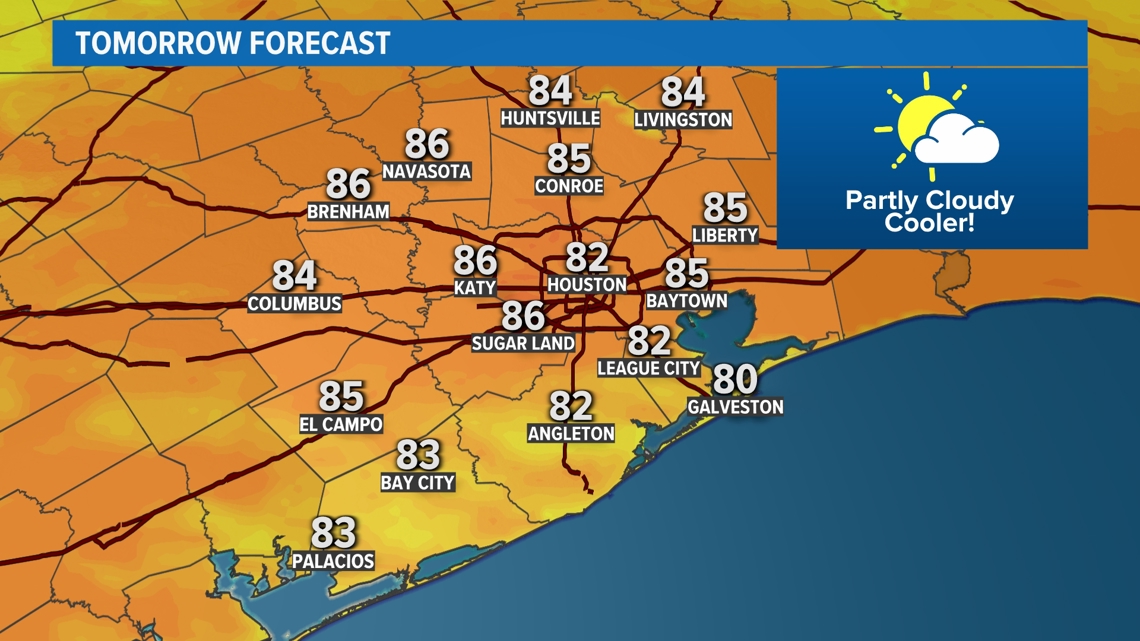
The city’s position also makes it susceptible to weather systems originating from the Gulf, including tropical storms and hurricanes during the Atlantic hurricane season, which runs from June 1st to November 30th. While these events are infrequent, they can significantly influence temperature and precipitation patterns when they occur.
Seasonal Temperature Trends
-
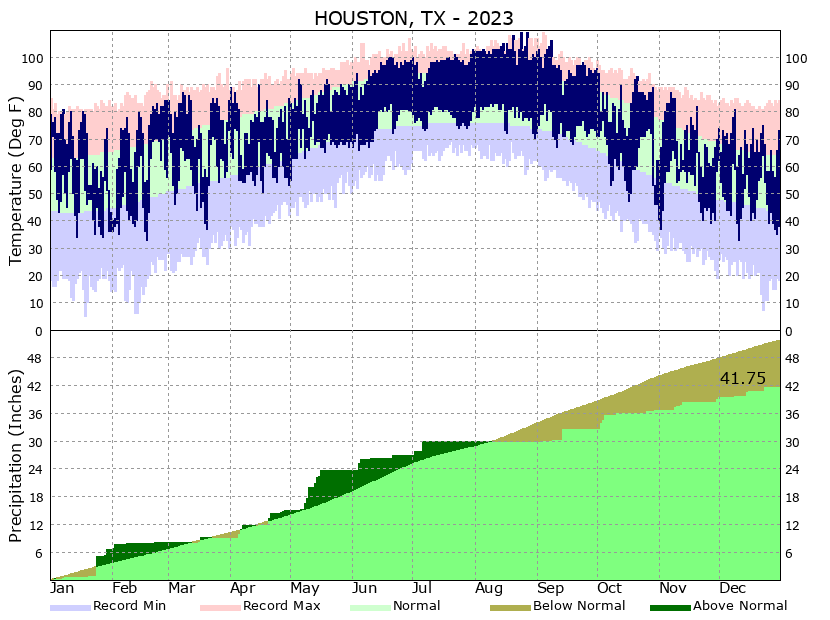
Summer (June – August): Summers in Houston are notoriously hot and humid. Average high temperatures frequently climb into the upper 90s Fahrenheit (around 35-37°C), with the heat index, or “feels like” temperature, often exceeding 100°F (38°C) due to the high humidity. Overnight lows typically remain in the mid-70s Fahrenheit (around 24°C). Rainfall is common, often in the form of intense afternoon thunderstorms, which can provide temporary relief from the heat.
-
Autumn (September – November): As summer’s intensity wanes, Houston enters a more pleasant autumn season. September can still be warm and humid, but temperatures gradually cool. By October and November, daytime highs are usually in the 70s and 80s Fahrenheit (21-29°C), and the humidity begins to decrease. These months are often considered ideal for outdoor activities, with comfortable temperatures and clear skies.
-
Winter (December – February): Houston’s winters are generally mild. Average high temperatures are in the 60s Fahrenheit (15-20°C), and freezing temperatures are rare, though occasional cold snaps can occur, especially in January. Lows typically hover in the 40s Fahrenheit (4-9°C). While snow is an exceptionally rare occurrence, a light dusting might be seen once every few decades. The winter months are characterized by lower humidity and more sunshine compared to the summer.
-
Spring (March – May): Spring in Houston is a period of transition, with temperatures steadily rising from mild to warm. March and April can be quite pleasant, with highs in the 70s and 80s Fahrenheit (21-29°C). May often sees a return of summer-like heat and humidity, with temperatures climbing into the 80s and 90s Fahrenheit (29-35°C). This season also brings an increased likelihood of thunderstorms.
Factors Influencing Current Temperature
While general seasonal trends provide a framework, the immediate temperature in Houston is influenced by a dynamic interplay of several factors:
1. Solar Radiation and Time of Day
The most fundamental factor determining temperature is the amount of solar energy reaching the surface. Midday, when the sun is highest in the sky, typically brings the warmest temperatures. Conversely, overnight and early morning hours see the coolest temperatures as the Earth radiates heat back into space.
2. Air Masses
The prevailing air mass significantly impacts Houston’s temperature.
- Maritime Tropical (mT) Air Masses: These originate over warm bodies of water, such as the Gulf of Mexico, and are characterized by high temperatures and high humidity. These are dominant during much of the year in Houston.
- Continental Polar (cP) Air Masses: These originate over cold landmasses and bring cooler, drier air. While less common, they can influence Houston during winter months, leading to significant temperature drops.
- Continental Tropical (cT) Air Masses: Originating over hot, dry landmasses (like the desert Southwest), these can bring very hot and dry conditions, though they are less frequent in humid Houston.
3. Wind Patterns
Winds act as a transportation mechanism for air masses. A southerly wind off the Gulf of Mexico will typically bring warmer, more humid air, while a northerly wind often signifies the arrival of cooler, drier air. Wind speed can also affect perceived temperature, with stronger winds creating a cooling effect (wind chill).
4. Cloud Cover and Precipitation
Clouds act as a blanket, reflecting incoming solar radiation during the day (keeping temperatures cooler) and trapping outgoing heat at night (keeping temperatures warmer). Precipitation, particularly thunderstorms, can cause a sudden and dramatic drop in temperature as cooler air is drawn down by the falling rain.
5. Urban Heat Island Effect
As a major metropolitan area, Houston experiences the urban heat island effect. This phenomenon means that urban areas tend to be warmer than surrounding rural areas, especially at night. This is due to the abundance of concrete, asphalt, and buildings that absorb and retain more heat than natural landscapes. It also results from waste heat generated by human activities, such as transportation and industrial processes.
Practical Applications: Using Temperature Information
Knowing the current temperature in Houston is crucial for a variety of practical reasons, especially for those engaging with the city as tourists or residents.
Planning Outdoor Activities
Whether you’re visiting the Houston Zoo, exploring the Museum District, or attending an event at Minute Maid Park, the temperature will dictate the appropriateness of your attire and the timing of your activities. Extremely high temperatures might encourage indoor pursuits or necessitate early morning or late evening excursions. Conversely, mild temperatures are perfect for a stroll through Discovery Green or a picnic in Hermann Park.
Packing for Your Visit
For travelers, checking the temperature forecast is essential for packing appropriately.
- Summer: Light, breathable clothing, sun hats, sunglasses, and high-SPF sunscreen are must-haves. Hydration is paramount, so carrying a reusable water bottle is highly recommended.
- Winter: While mild, packing layers is advisable. A light jacket or sweater, long pants, and comfortable walking shoes will suffice for most days.
- Spring/Autumn: These transitional seasons often call for versatile clothing that can be layered. A light jacket or fleece is often useful for cooler evenings.
Preparing for Travel and Transportation
Understanding the current temperature can influence travel plans.
- Driving: Extreme heat can impact vehicle performance and the need for air conditioning. During potential cold snaps, ensuring your car is prepared for colder weather is important.
- Public Transportation: Knowing the temperature helps in deciding whether to walk to a bus stop or subway station or if a ride-sharing service is more appealing.
- Air Travel: While the temperature at your departure point is relevant, knowing the temperature upon arrival in Houston ensures you’re prepared from the moment you step off the plane.
Daily Life and Well-being
For residents, the temperature influences daily routines, from choosing outfits to deciding on recreational activities. It also impacts health and safety. High temperatures and humidity can lead to heat exhaustion or heatstroke, making it crucial to stay hydrated and seek cool environments during peak heat. Cold snaps, though infrequent, can pose risks if adequate heating is not available.
Staying Informed: Resources for Current Temperature
Accessing real-time temperature information for Houston, Texas is straightforward. Numerous reliable sources provide up-to-the-minute data:
Official Weather Services
- National Weather Service (NWS): The NWS provides highly accurate and detailed weather forecasts and current conditions for Houston and surrounding areas. Their website and mobile app are invaluable resources.
- Local News Channels: Houston’s local television stations and their affiliated websites offer dedicated weather segments and online forecasts, often with live radar.

Weather Apps and Websites
- Third-Party Weather Applications: Popular weather apps on smartphones and tablets offer current temperatures, forecasts, and radar imagery for Houston. These often include features like hourly forecasts and severe weather alerts.
- Online Weather Portals: Numerous reputable websites aggregate weather data from around the globe, providing current temperatures, detailed forecasts, and historical data for Houston.
By consulting these resources, individuals can stay informed about the immediate atmospheric conditions in Houston, enabling them to make informed decisions and fully enjoy their time in this dynamic Southern city. Whether planning a visit to attractions like the Space Center Houston or simply navigating your day, understanding the temperature is your first step towards a comfortable and prepared experience.
LifeOutOfTheBox is a participant in the Amazon Services LLC Associates Program, an affiliate advertising program designed to provide a means for sites to earn advertising fees by advertising and linking to Amazon.com. Amazon, the Amazon logo, AmazonSupply, and the AmazonSupply logo are trademarks of Amazon.com, Inc. or its affiliates. As an Amazon Associate we earn affiliate commissions from qualifying purchases.