
Echoes of Indigenous Names: Borikén and Beyond
The vibrant island of Puerto Rico, a jewel of the Caribbean, carries a rich tapestry of history woven from indigenous roots, colonial encounters, and evolving identities. Before it became known by its current Spanish moniker, Puerto Rico was recognized by names that speak to its original inhabitants and their profound connection to the land. Understanding these earlier appellations offers a deeper appreciation for the island’s cultural heritage and its enduring spirit.
Borikén: The Land of the Brave Lords
The most widely recognized and revered indigenous name for Puerto Rico is Borikén (or variations such as Borinquén). This Taíno word, believed to translate to “Land of the Brave Lords” or “Land of the Valiant God,” encapsulates the essence of the island as perceived by its first known inhabitants. The Taíno people, a branch of the Arawak family, were the dominant indigenous group in the Antilles when Christopher Columbus arrived in 1493.
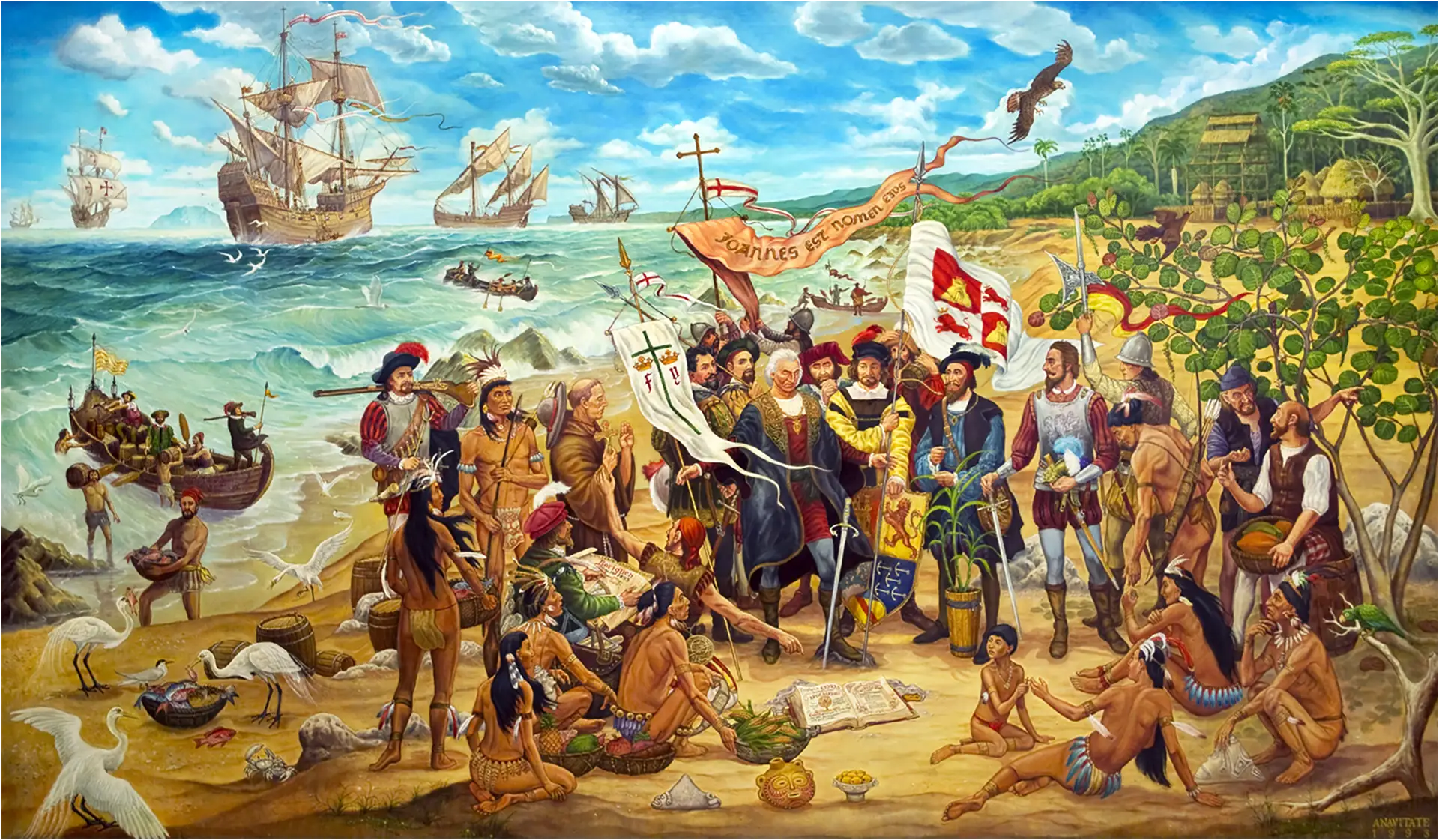
The Taíno civilization flourished on Borikén for centuries, developing a sophisticated society with complex agricultural practices, intricate social structures, and a deep spiritual understanding of their environment. Their language, a significant part of the linguistic landscape of the Caribbean, gifted the world with words like “hammock,” “barbecue,” and “hurricane,” many of which are still in common use today. The name Borikén itself is a testament to their presence and their proud lineage, a name that resonates with a sense of indigenous sovereignty and deep-rooted belonging.
The interpretation of Borikén as “Land of the Brave Lords” highlights the Taíno societal organization. The “lords” likely referred to the caciques, the hereditary chiefs who governed their respective territories. These leaders held significant social and political influence, and their bravery was likely a crucial attribute in a region subject to intertribal dynamics and, later, external invasion. Alternatively, some scholars suggest a connection to a supreme deity, implying a sacred land blessed by divine favor. Regardless of the precise translation, Borikén undeniably signifies a place of power, respect, and deep spiritual significance for its original inhabitants.
The Arrival of the Spanish and the Naming Shift
The arrival of Christopher Columbus in 1493 marked a pivotal moment in the island’s history, initiating a period of profound change that included the renaming of the land. Columbus, on his second voyage, landed on the northern coast of Borikén and initially named the island San Juan Bautista (Saint John the Baptist) in honor of the religious figure. This was a common practice for European explorers, who often christened newly discovered lands with names of saints or royal patrons.
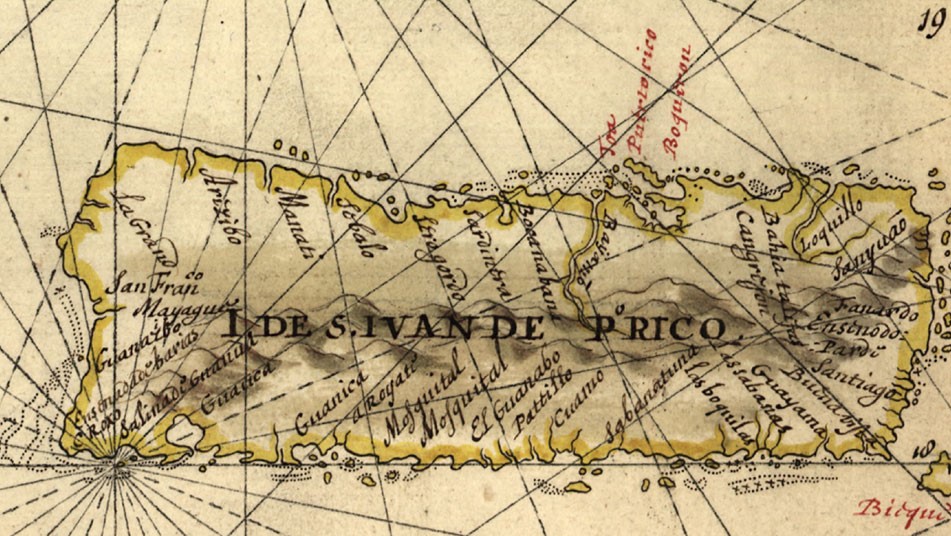
However, the naming conventions continued to evolve under Spanish rule. Years later, when Juan Ponce de León established the first permanent Spanish settlement, he also renamed the island. The settlement itself was initially called Caparra, and the island was referred to as San Juan Bautista. Over time, the port city that developed near the settlement became known as Puerto Rico, meaning “Rich Port.” This was due to the abundant natural resources and the perceived potential for wealth, particularly gold, that the Spanish hoped to find.
The geographical nomenclature eventually underwent a significant inversion. The settlement at the harbor became the capital city, named San Juan in honor of the original island name given by Columbus. Conversely, the island itself came to be known by the name of its most prominent port and economic hub: Puerto Rico. This transference of names from a port to the entire island is a fascinating aspect of colonial naming practices and reflects the shifting priorities and focus of the European colonizers. The indigenous name Borikén gradually receded into historical memory, preserved primarily through scholarly research and by those who seek to honor the island’s pre-Columbian heritage.
The Enduring Legacy of Borikén
While Puerto Rico is the official and internationally recognized name of the island today, the spirit and legacy of Borikén endure. The Taíno people, despite facing immense hardship and cultural suppression under colonial rule, are not entirely lost. Descendants of the Taíno continue to reside on the island and in the diaspora, actively working to preserve their language, traditions, and identity. There has been a significant resurgence of interest in Taíno culture in recent decades, with many Puerto Ricans embracing their indigenous ancestry.
The name Borikén is frequently used today as a symbol of national pride, cultural authenticity, and a connection to the island’s pre-Hispanic past. It is often invoked in artistic expressions, literary works, and cultural events that celebrate Puerto Rican heritage. Many organizations and initiatives dedicated to indigenous rights and cultural preservation proudly bear the name Borikén or incorporate Taíno symbolism. This reclaiming of the indigenous name signifies a powerful assertion of identity and a rejection of the colonial narrative that sought to erase the island’s original custodians.
Furthermore, the ecological and geographical features of Puerto Rico continue to evoke the spirit of Borikén. The lush rainforests, the vibrant coral reefs, and the fertile valleys are reminders of the natural abundance that inspired the original name. The island’s rich biodiversity and stunning landscapes stand as a testament to the land that the “Brave Lords” once called home. Tourists and locals alike are drawn to the natural beauty that embodies the essence of Borikén.
Naming Conventions: A Historical Perspective
The evolution of Puerto Rico‘s name is a microcosm of how place names change over time due to exploration, conquest, and cultural shifts. European powers often imposed their own linguistic and cultural frameworks onto the lands they claimed, replacing indigenous names with those that reflected their own languages, religions, or leaders. This practice, while a historical reality, often led to the marginalization or complete erasure of indigenous identities and narratives.
In the case of Puerto Rico, the shift from Borikén to San Juan Bautista and finally to Puerto Rico illustrates a complex process of renaming. The initial Spanish name, San Juan Bautista, was a religious designation, a common colonial practice. The eventual adoption of Puerto Rico, derived from a prominent geographical feature (the rich port), highlights the economic and strategic considerations that guided Spanish settlement and administration.
The story of Puerto Rico‘s names is a reminder of the layers of history embedded within place names. Each name carries its own story, its own set of associations, and its own implications for understanding the people who lived there and the powers that shaped its destiny. Recognizing these different names allows for a more nuanced and comprehensive understanding of the island’s multifaceted identity. It encourages us to look beyond the present and delve into the past, uncovering the rich cultural heritage that has shaped Puerto Rico into the vibrant and unique destination it is today. The island’s journey through these different names is a testament to its resilience and its enduring connection to its ancestral roots.
LifeOutOfTheBox is a participant in the Amazon Services LLC Associates Program, an affiliate advertising program designed to provide a means for sites to earn advertising fees by advertising and linking to Amazon.com. Amazon, the Amazon logo, AmazonSupply, and the AmazonSupply logo are trademarks of Amazon.com, Inc. or its affiliates. As an Amazon Associate we earn affiliate commissions from qualifying purchases.